
Cart
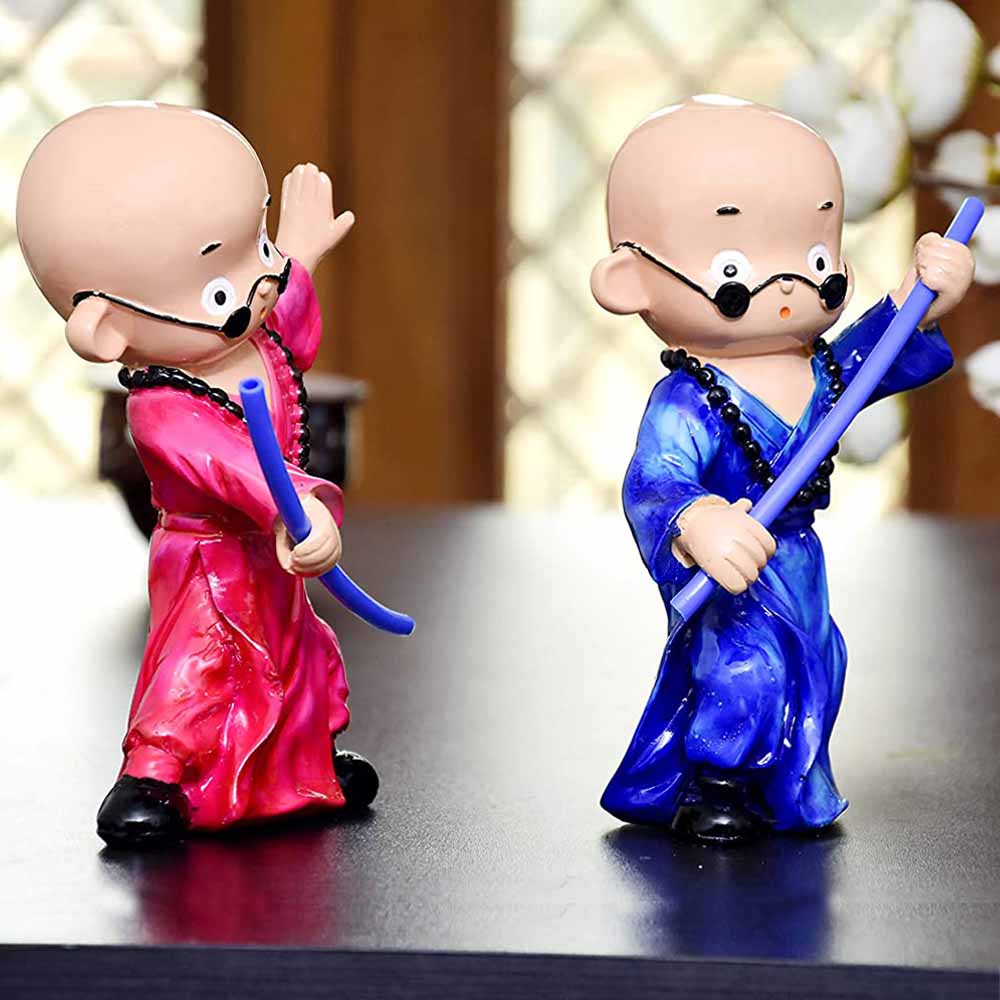
Indian home decor is a fascinating blend of rich heritage and modern simplicity, making it a true reflection of cultural elegance. By seamlessly integrating traditional aesthetics with contemporary minimalism, Indian interiors offer a unique charm that resonates with both functionality and creativity. For instance, a well-crafted ceramic planter with intricate jali work not only serves as a stylish addition to your living space but also merges perfectly with the natural materials commonly used in Indian home decor. Similarly, resin figurines crafted with a mix of modern designs and cultural motifs can elevate the ambiance of living rooms, bedrooms, or balconies. These decor choices strike a balance between nostalgia and sophistication, offering timeless beauty while aligning with modern decorator needs. When paired with earthy tones and natural lighting, they encapsulate the essence of innovative design strategies—perfect for homes in 2025. Explore more on thoughtfully curated options like floating diya candle holders, traditional textiles, and vases, which are versatile for all seasons and budgets between ₹500–₹5000. For further details, check this curated collection of modern home decor items.
Blend of Modern and Rustic Elements: Position a handcrafted ceramic vase on a jali-inspired wooden shelf to create a modern focal point with rustic charm.
Lighting Up Festive Seasons: Use floating diya holders in brass bowls as part of your centerpiece for Diwali and year-round evening gatherings.
Space-Saving Decor for Small Homes: Utilize Bhartiya Baithak low-height seating in confined spaces to make the room appear larger without compromising comfort.
Overloading the space with decor items, leading to a cluttered look.
Not considering geographical factors such as humidity, which impacts resin-based items.
Neglecting the color palette; vibrant Indian textiles can clash with muted contemporary furniture.
Match softer colors like beige or pastel with traditional decor items to avoid overpowering aesthetics.
When incorporating floating candles, ensure the surrounding materials are water-resistant for longevity.
Use natural fiber rugs like jute to add texture while promoting eco-friendliness.
Combining traditional Indian aesthetics with modern minimalism can transform any space.
Opt for multifunctional decor like ceramic pieces that are both decorative and durable.
Remember to address practical aspects such as space constraints and material upkeep.
Traditional Indian staples like Bhartiya Baithak low seating, compact floating diya holders, and wall-mounted jali works save space and fit seamlessly into small areas with cultural charm.
Ceramic items last 15–20 years with proper care, while resin pieces typically retain their structural and aesthetic integrity for 8–10 years indoors.
Modernize traditional Indian decor by using fusion furniture, such as pairing carved wooden swings with sleek coffee tables, or adding contemporary resin figurines with vibrant ethnic textiles.
Indian handwoven textiles such as Ikat, Bandhani, and block-print fabrics carry a legacy of craftsmanship and aesthetic deeply rooted in Indian culture. These timeless designs can be seamlessly integrated into modern interiors, giving your home an artisanal yet contemporary look. Imagine using a beautifully dyed Bandhani saree as a curtain divider in a reading corner, complemented by ceramic planters with intricate patterns from our collection to enhance the ambiance. Likewise, elevate your living room's charm by incorporating an Ikat table runner paired with resin showpieces, such as intricately designed figurines or abstract sculptures, which add contrast and texture to the setting.
To further fuse traditional and modern elements, consider upcycling techniques like turning embroidered dupattas into unique cushion covers that harmonize with ceramic vases from our store, creating a warm yet vibrant focal point. Opt for color combinations such as earthy terra cotta paired with jewel tones like emerald green or royal blue, which resonate with both traditional color palettes and modern aesthetics. Additionally, these textiles can serve as wall tapestries, accentuating their cultural richness while softening the visual edges of ceramic or resin furnishings. While doing so, always remember to ensure proper care, such as keeping textile designs in spaces with lower direct sunlight to prevent fading.
By adopting this harmonious mix, you celebrate traditional craftsmanship while enjoying the functionality and style of modern ceramic and resin decor products, such as resin Buddha heads or ceramic hand-painted jars. Browse through options that meet these aesthetic needs here.
1. Scenario: Bedroom Makeover
Hang a handwoven Ikat fabric on a statement wall as an art piece and place resin night lamps for soft lighting, creating a cozy and chic retreat.
Mistake: Using clashing patterns with no unifying color scheme. Stick to one dominant textile design to draw attention organically.
2. Scenario: Dining Room Addition
Use Bandhani table runners on wooden dining tables coupled with ceramic centerpieces, like a bold flower vase, for a vibrant gathering space.
Mistake: Overloading the setup with accessories; let the textile and one or two ceramic pieces take the spotlight.
3. Scenario: Outdoor Patio Decor
Transform vintage block-print bedsheets into shade covers and complement the look with weighted resin planters.
Mistake: Not using weatherproof accents; ensure all resin products are placed in shaded areas.
Layer traditional textiles with handcrafted ceramic decor items to add depth to your space.
For low-maintenance settings, opt for resin planters or figures, which are durable in indoor and semi-outdoor areas.
Use textiles with natural dyes to ensure better longevity in Indian climatic conditions.
Indian handwoven textiles, such as Ikat and Bandhani, offer a perfect bridge between tradition and modernity.
Pair traditional fabrics with ceramic and resin products for cohesive decor aesthetics.
Prioritize care and placement to maintain the integrity and vibrancy of textiles over time.
1. How can I incorporate Bandhani textiles into a modern home without overwhelming the space?
Pair Bandhani textiles with subtle, solid-colored resin or ceramic decor, such as planters or figurines, to create a balanced look while letting the Bandhani design stand out.
2. Are ceramic and resin decor items suitable for enhancing traditional fabrics?
Yes, ceramic and resin items provide a neutral yet stylish touch that complements the vibrant patterns of Indian textiles, creating harmony between traditional and modern designs.
3. What are some cost-effective ways to use Indian textiles in home decor?
Repurpose Indian textiles like block-printed fabrics into DIY cushion covers or tapestries, and pair with affordable resin figurines from our store for an artistic yet budget-friendly upgrade.
Strategically placing decorative items according to Vastu principles not only enhances the aesthetic appeal but also promotes positive energy flow within your home. Medium and large showpieces, such as ceramic vase sets or resin Buddha sculptures, play a crucial role in balancing the elements. For the living room, position a medium-sized decorative ceramic vase filled with vibrant flowers in the northeast corner to invite prosperity and harmony. Similarly, a large resin Ganesh idol placed in the east or northeast enhances wisdom and morale. In bedrooms, medium-sized resin candle holders can be set on bedside tables in the southwest corner to maintain stable relationships while promoting relaxation.
When placing these items, ensure that heavier objects like brass or ceramic showpieces are kept in the south or southwest zones for stability, as lighter items in the northeast allow for free-flowing energy. Avoid clutter, as it disrupts energy flow, and ensure the decor's material aligns with its placement – for example, avoid using resin showpieces near heat sources since they are best suited for environments with controlled temperatures between -10°C and 60°C. By aligning Vastu principles with modern decor aesthetics, you can create a harmonious yet stylish living space with products like the resin-crafted Buddha figurine, available on Moolwan.
Living Room Harmony: Place a ceramic planter in the northeast corner to energize the space with natural greenery while respecting Vastu norms. It serves as a conversation starter and adds a serene vibe.
Bedroom Tranquility: Keep a resin lamp or candle holder on the southwest corner of your bedside table to promote positive vibrations and remedy unstable relationships.
Meditation Corners: A large resin Buddha statue in the east zone creates an ideal Zen zone for meditation enthusiasts, enhancing focus and inner peace.
Ignoring Material Suitability: Using resin items outdoors or near heat-emitting appliances can reduce durability.
Overcrowding Corners: Cluttered showpieces impede positive energy flow and contradict Vastu norms.
Improper Orientation: Placing directional figurines like a Ganesh idol facing south can inadvertently block the positive energy flow.
Use natural, earthy tones in large ceramic decorations to align with Vastu's emphasis on grounding energy.
Regularly clean decorative items to maintain a positive flow of energy and avoid "stagnation zones."
Placement of decorative items using Vastu principles fosters positive energy and balances ambiance.
Select zone-appropriate materials: heavy items in the southwest and lighter ones in the northeast.
Medium and heavy showpieces should reflect both aesthetic appeal and cultural relevance.
Yes, Vastu principles work well even in compact spaces. By strategically placing small to medium-sized showpieces like ceramic vases in the northeast corner, you can enhance energy flow without overburdening the area.
Yes, resin-based items like candle holders or small figurines are effective for bedrooms, especially when placed in the southwest, aiding stable relationships and relaxation.
Opt for fusion decor, such as a resin Buddha figurine and ceramic planters, ensuring they align with Vastu's directional guidance (e.g., northeast for light items and southwest for heavier pieces).
Sustainable decor is more than a trend; it’s a lifestyle transformation that resonates deeply in Indian homes. Upcycling traditional materials like brass, copper, and terracotta into contemporary showpieces can infuse your living spaces with character while being environmentally conscious. For example, classic brass oil lamps can be repurposed as artistic table lamps with minimal modifications. Similarly, terracotta pots can be painted with vibrant Warli art or geometric patterns and used as planters to accentuate your room’s natural aesthetic. Resin-coated ceramic figurines, such as the Medium Ceramic Buddha Statue (18cm, 350g), can be modernized with cleverly placed LED lights to create mood-enhancing decor, blending tradition with modern functionality (Explore our Buddha statues).
Another sustainable idea involves using copper utensils left unused in kitchens as decorative elements for hallway shelves. Pair them with resin showpieces like abstract figurines for a mixed-material appeal. These combinations not only elevate the elegance of your space but also reduce waste, preserving the cultural essence of the items. Designed to withstand diverse Indian climatic conditions, these materials—ceramic offering UV stability and terracotta providing long-lasting durability—ensure years of graceful wear, as highlighted in their environmental tolerance and longevity metrics.
While implementing upcycled decor, avoid common mistakes like over-cluttering spaces or mismatched color schemes. Keep the focus on a maximum of two or three core materials to maintain visual harmony, ensuring the decor aligns with your room’s size and aesthetics. Through thoughtful planning and use of products like traditional resin Ganesha statues or ceramic vases with intricate glazing, you can tell a sustainable story that elegantly fuses India’s rich heritage with contemporary stylings.
Use color palettes inspired by Indian festivals (e.g., deep red, gold, and white).
Limit the number of upcycled items to avoid overwhelming the space.
Pair contrasting materials like resin and terracotta for a timeless blend.
Combining traditional materials with modern designs promotes sustainability.
Select decor that complements the size of the room and existing furniture.
Focus on durability and maintenance, ensuring long-term usability.
Yes, terracotta’s natural porosity makes it suitable for indoor plants. However, use a plate or liner beneath the planter to prevent water stains on flooring or tables.
Pair brass items with minimalist furniture or contemporary elements like resin showpieces. Combining warm metallic tones with neutral shades ensures a cohesive look.
Terracotta, brass, and copper are ideal due to their durability, upcyclability, and cultural significance. Modern materials like resin also pair well for a fusion aesthetic.
Color holds a profound significance in Indian culture, playing a pivotal role in shaping moods and creating vibrant atmospheres. Whether it’s the calming whites of a South Indian temple, the auspicious reds of a Bengali wedding, or the regal maroons and golds of Rajasthani palaces, the interplay of hues in living spaces can evoke specific emotional responses. Incorporating these principles into home decor involves balancing traditional symbolism with modern aesthetics. For instance, pairing a resin Buddha statue in earthy tones with mustard and burnt orange cushions reflects creativity and optimism while honoring serenity.
Consider using HEX codes inspired by Indian traditions: #D4AF37 (Gold) promotes a sense of prosperity, #FF4500 (Deep Orange) stimulates social interactions, and #228B22 (Forest Green) fosters harmony. For a soothing corner, align a ceramic vase in pastel #87CEEB (Sky Blue) next to white-laced curtains, creating a meditative ambiance that aligns perfectly with contemporary vastu principles. Additionally, a ceramic diya with intricate detailing can be placed against a wall painted in #800000 (Maroon) to exude warmth and auspiciousness during festivals.
One potential misstep is overcrowding different color tones from varying traditions, which can create visual clutter and emotional disharmony. Instead, focus on complementing textures like jute rugs and smooth ceramics with appropriately corresponding colors. Bold reds and golds can match the intricate details of resin planters for a festive flair, while dusty pastels pair exquisitely well with terracotta for an earthy, minimalist aesthetic.
Pair deep maroon walls with gold accents for a rich, traditional ambiance.
Use earthy green tones for spaces meant to enhance focus, such as home offices.
Avoid mixing too many bright hues; opt for 3–4 complementary colors per space.
Indian color symbolism combines emotion with tradition in decor.
Use culturally significant HEX codes to balance vibrancy and tranquility.
Pair appropriate textures (ceramic, resin) with corresponding color tones for harmony.
Auspicious colors include red for prosperity, gold for wealth, and green for harmony. These colors are deeply rooted in Indian traditions and are ideal for creating a culturally rich home environment.
Sky blue (e.g., HEX #87CEEB) and forest green (e.g., HEX #228B22) promote peace and growth, respectively. These colors can beautifully complement modern minimalist designs while preserving traditional Indian sensibilities.
Start with light-colored walls (e.g., sky blue or earthy creams) and add accents like maroon ceramic diyas or gold-framed artwork to minimize clutter and maximize emotional impact.
Minimalist fusion is all about combining the simplicity of modern design with the richness of India’s regional decor styles. This approach respects cultural diversity while aligning with a clean, clutter-free aesthetic. For instance, a Rajasthani jharokha wall hanging can be paired with sleek, neutral-toned furniture. Similarly, you can align a ceramic Warli art vase, available in our collection, with South Indian-inspired wooden flooring to create a cohesive look. The vase's ceramic composition—resistant to temperatures up to 120°C—ensures longevity in Indian homes even with fluctuating summer heat. Jute rugs, a Bengali staple, or a Tamil Nadu banana fiber basket can be seamlessly merged into a minimalist home by choosing pastel or earthy palettes like muted beige or sage green (e.g., Hex: #D5CABD and Hex: #A9BDAE). These shades are season and monsoon-friendly, making them practical choices for Indian households. Pair elements such as patchwork quilts inspired by Gujarati heritage as sofa covers or wall decor to fuse functionality with aesthetic appeal. Our resin figurines, which share drop-test resistance up to 1m, can easily become highlight pieces on modern marble or wooden mantels. The combination of smooth resin curves and intricate traditional motifs ensures a balanced decor narrative.
This approach is suited for urban apartments where space and practicality are key. It works across budgets, as most pieces, like the ceramic vases, are available under Rs. 1,000, while larger items like jali panels or carved wooden swings may range between Rs. 3,000–Rs. 5,000. However, balancing textures is crucial. For example, overloading metallic tones with lacquer finishes alongside earthy decor can create visual discord, disrupting the minimalist ethos.
Scenario: The Festive Apartment Makeover – Using a ceramic diya holder during Diwali alongside low-height Bhartiya Baithak seating can give your home a cultural yet clean holiday vibe with minimal rearrangement.
Mistake: Adding too many colors in small spaces often overwhelms the decor. Stick to 2-3 complementary shades.
Scenario: Daily Living Room Setup – Combining terracotta pots with resin Buddha statues on a floating shelf adds regional and modern elements for a calm aesthetic.
Mistake: Overcrowding shelves with small trinkets reduces visual appeal. Use 2-3 statement pieces instead.
Scenario: Workspace Makeover – Pairing a jali-partition screen inspired by Mughal carvings with a modern ergonomic desk creates a balanced work environment.
Mistake: Missing uniformity in scale between screen patterns and desk proportions can make the decor look unbalanced.
Use complementary color palettes for harmony (e.g., muted tones with bold accents).
Balance textures like resin against terracotta for a seamless modern-regional blend.
Choose multi-purpose items (e.g., quilted hangings that double as throws).
Regional Indian decor can align with minimalist aesthetics without compromising cultural richness.
Jali panels or ceramic vases work well as statement pieces in modern homes.
Overcrowding decor elements disrupts the cohesive appeal.
Start with multi-functional pieces like a ceramic Warli vase, which doubles as a decorative accent and a flower holder, or a jute rug that visually separates spaces and adds texture.
Opt for soft, earthy tones like beige (Hex: #D5CABD) or sage green (Hex: #A9BDAE) paired with regional highlights like terracotta or brass.
Ceramic pieces require occasional dusting and gentle cleaning with lukewarm water, while resin decor should avoid direct sunlight to maintain its color and texture.
Incorporating traditional Indian design elements into lighting creates an ambiance that radiates both culture and warmth. By pairing decorative ceramic candle holders or intricately designed resin showpieces from our collection, you can achieve stunning shadow play on walls or ceilings. For instance, a medium-sized ceramic lamp with lattice cutouts (16-21cm in height) placed strategically on a side table can project delicate jali patterns, reminiscent of Mughal architecture, onto nearby surfaces. Similarly, our resin figurines with intricate carvings can be placed near focused light sources to create layered shadows that evoke dimension and drama in a room. These lighting accents blend seamlessly with modern minimalist layouts, introducing an old-world charm that fits beautifully in compact Indian homes.
For maximum effect, pair these lighting elements with floating diya candle holders, available in multiple sizes to suit your space requirements. Arrange them in living areas, especially corners, to enhance depth and visual intrigue. Highlighting spaces with such techniques is both functional and aesthetic, as they double as decor and mood-setting elements for gatherings, festive occasions, or even daily use. Cost-effective yet luxurious, these items, starting at INR 750, are sustainable and hassle-free to implement, requiring less than two hours to elevate your space.
However, avoid over-cluttering lighting accents in one area, which can lead to chaotic visuals rather than elegance. For larger spaces, group similar materials—for instance, pairings of glazed ceramic and unglazed terracotta can create a balanced look. Our UV-resistant resin showpieces also ensure durability, maintaining their vibrancy for years even in areas exposed to sunlight.
Scenario: Use a ceramic diya stored on a wooden swing (jhoola) in verandahs to enhance evening seating spaces. Mistake: Avoid placing resin pieces in high-humidity areas like open balconies during monsoon months, as they have lower humidity tolerance compared to ceramic items.
Scenario: Place a medium-height resin figurine on a bookshelf with backlighting to create cascading shadows. Mistake: Do not use high-temperature light sources directly over resin decor to prevent fading or damage over time.
Scenario: Position a terracotta planter paired with lamps for a blend of greenery and cultural vibes in a pooja room. Mistake: Over-lighting with high wattage may overpower subtle shadow effects; aim for focused, warm lighting instead.
Stick to warm lighting (2700K-3000K) for a cozy, inviting ambiance.
Experiment with different bulb lumen strengths to control shadow intensity.
Strategic placement of lights and decor enhances visual focus and creates cultural warmth.
Resin and ceramic items complement both traditional and modern interiors.
Answer: Warm LED lights or filament bulbs with lower intensity (around 4-6 watts) work best to highlight ceramic showpieces' intricacies without overpowering the room's ambiance.
Answer: Resin showpieces with UV stabilizers retain color for up to 5 years in moderate sunlight. However, avoid prolonged exposure to prevent faster degradation.
Answer: Yes, improper lighting, such as high-temperature sources close to decor, can affect durability. Always use cool or warm LED lights to maintain the integrity of your decor.
Indian homes are a canvas that evolves beautifully with the seasons. Seasonal decor transformations allow homeowners to refresh their living spaces while embracing cultural celebrations and the changing environment. Our ceramic sculptures and resin showpieces, available in small, medium, and large sizes, provide highly versatile options for seasonally adaptive styling. For instance, during summer, smaller ceramic vases with glossy glaze finishes can hold fresh flowers, enhancing a bright and breezy decor vibe. Meanwhile, monsoons invite earthy tones; adopt terracotta-inspired resin figurines to exude a grounded and warm feel. Winter demands cozy interiors, where larger ceramic showpieces in festive reds and golds can dominate tablescapes to celebrate events like Navratri, Diwali, or Christmas.
Rotating materials is equally important for ensuring durability and aesthetic appeal. While highly UV-resistant ceramics work well during humid seasons, resin showpieces, with their light weight and modern look, blend seamlessly with contemporary winter decor. Elevate the festival spirit with items like beautifully etched ceramic diya holders perfect for Diwali or resin-based Christmas tree figurines to complement seasonal themes. Ensure the decor aligns with the spatial needs of Indian homes; for instance, medium-sized items fit well in compact urban apartments, while larger pieces serve well for sprawling living rooms or verandahs.
Browse our curated collection of Indian and seasonal decor items now!
Low-Maintenance Monsoon Decor: Use medium-sized ceramic wall plates to withstand damp conditions and prevent long-term damage.
Festive Ready Tablescapes: Place large metallic resin showpieces like elephants or peacocks on your dining table for festivals such as Pongal or Diwali.
Summer Vibes on a Budget: Small ceramic planters (starting at ₹350) with colorful succulents can freshen up balconies under two hours.
Winter Thematic Corners: Add cozy touches with traditional-style resin jhoolas for miniature indoor setups.
Materials Misalignment: Using resin decor in high-heat areas such as open verandahs, which may cause warping.
Overcrowding Decor Items: Balancing item sizes is critical. Avoid placing small vases or showpieces on expansive mantles, as they may look disproportionate.
Improper Storage: Storing ceramics improperly during seasons where they aren’t in use leads to chipping. Use padded boxes for storage.
Rotate materials like ceramic during high-humidity months to avoid mold or stains.
Always check temperature tolerances when storing seasonal decor items.
Mix modern elements like sleek resin figurines with certified traditional Indian designs for a stunning visual impact.
Seasonal decor adapts spaces both aesthetically and functionally.
Focus on durability and cultural alignment with themes like festivals and climatic moods.
Pair decor sizes with room dimensions for a balanced and stylish look.
Wrap ceramic decor in bubble wrap or soft cloth and store in a climate-controlled area to prevent cracks, especially during extreme weather conditions.
Opt for medium-sized multipurpose items like resin wall hangings that can transition from bedroom walls to living areas with ease.
Resin items are temperature-sensitive with a tolerance up to 60°C. Avoid using them in direct sunlight or high-heat outdoor zones during peak summer months.
Creating a culturally enriched home aesthetic doesn’t have to break the bank. With careful planning and strategic investments, unique and vibrant spaces reflecting India’s rich heritage are entirely achievable within modest budgets (₹4,000 to ₹40,000). For example, using handcrafted ceramic vases from Moolwan (₹300–₹1,000 each) can elevate your decor without heavy expense. Pair this with resin figurines (₹600–₹2,000) such as Buddha sculptures for a peaceful vibe. Terracotta planters, priced around ₹500–₹1,500, serve as both functional and decorative elements that blend perfectly in eco-friendly households.
Easily transform your space by including hand-embroidered Rajasthani cushion covers (set of 4 for ₹1,200) or vibrant Warli art-inspired wall hangings (₹800–₹3,000), which encapsulate India’s tribal essence. Invest in low-height wooden seating (Bhartiya Baithak) priced between ₹8,000-₹20,000, and consider pairing these with traditional block-printed dhurries as rugs to complement the look. Fusion furniture, such as a carved wooden console with a sleek modern tabletop, is a functional yet traditional splurge starting at ₹12,000.
DIY options also abound: repurpose old silk sarees into curtains or tapestries, or create a floating diya centerpiece with a ₹500 brass bowl and candles for under ₹250. Each of these investments not only adds character to your home but also supports local artisans, often giving you unique, handmade, and culturally significant pieces. Moolwan’s range of traditional ceramic and resin items is an affordable yet impactful choice for modern Indian decor, as they combine durability with aesthetic charm. Hyperlink to ceramic vases.
Scenario 1: Placing a ceramic vase filled with fresh flowers on your coffee table can brighten your living room. Combine it with resin figurines to create a contrasting layered design.
Mistake 1: Overcrowding surfaces with too many decor items can result in a cluttered look; focus on quality over quantity.
Scenario 2: Use terracotta planters to design a natural, earthy balcony aesthetic with hanging vines or succulents.
Mistake 2: Neglecting resin or ceramic care instructions — such as exposing resin figurines to direct sunlight, leading to discoloration.
Scenario 3: Enhance your Bhartiya Baithak seating with Rajasthani block-printed throw cushions for a welcoming corner.
Mistake 3: Ignoring upholstery maintenance, especially neglecting seasonal cleaning to avoid dulling the vibrancy.
Opt for multi-functional items like fusion furniture to maximize utility.
Focus on mix-and-match decor trends: combine tribal textiles with modern lighting.
Set a primary color palette before you add decor, ensuring cohesion.
Budget-friendly doesn’t mean compromise; choose durable materials like ceramic or terracotta.
DIY elements like silk sari drapes are cost-effective yet visually striking.
Support artisans for unique, handmade decor pieces.
Q1: What are some recommended low-cost Indian decor items?
Small ceramic vases, resin figurines, and terracotta planters are affordable and can transform any room with minimal investment.
Q2: How can I creatively include cultural elements in my home decor?
Use Warli or Rajasthani art in cushion covers or wall hangings, repurpose silk saris as tapestries, and include brass DIYA holders for cultural charm.
Q3: What are common placement mistakes for budget-friendly decor?
Overcrowding surfaces, neglecting maintenance like cleaning terracotta for lasting durability, and misplacing UV-sensitive resin items are frequent errors.
### 9. Digital Age Decor: Integrating Technology with Traditional Design
In the era of smart living, integrating traditional Indian aesthetics with modern technology creates a harmonious blend of the old and the new. Begin with smart lighting that complements handcrafted decor. For instance, pairing ceramic table lamps with IoT-enabled smart bulbs allows for adaptable lighting moods that elevate the ambiance. These medium-sized ceramic items (16-21cm in height, 250-400g) provide an elegant base, blending well with both traditional wooden furniture and modern accessories. Explore resin sculpture designs, embedded with Wi-Fi-enabled speakers to transform your living room into a multi-functional yet culturally rich space.
Smart mirrors bordered with traditional jali work add a touch of sophistication, acting as both a decor piece and a functional smart gadget. Similarly, installing a digital frame to showcase Warli or Madhubani art, updated regularly via an app, personalizes your decor. To maintain a seamless look, integrate hidden cable management solutions, ensuring that wires don’t detract from the aesthetic charm of intricate Indian designs.
A practical example would include voice-controlled devices camouflaged among terracotta or brass items. For instance, a smart speaker discreetly housed in a brass planter offers both functionality and aesthetic appeal. These combinations of modern functionality with traditional aesthetics showcase the adaptability of Indian decor in the digital age. You can view a range of stylistic resin planters that seamlessly marry natural charm with tech-friendly designs here.
Usage Scenario 1:
Imagine entering your living room during Diwali and, using a smart assistant, switching your lighting to a warm, festive tone. Paired with a floating diya bowl with Bluetooth-enabled speakers, you’ll achieve the ultimate festive ambiance.
Common Mistake 1:
Focusing solely on technology can overshadow traditional aesthetics. Balance is key—avoid making smart devices the focal point of traditionally-decorated rooms.
Usage Scenario 2:
Using resin-based smart alarm clocks disguised as Hanuman idols for bedroom decoration blends spirituality with functionality and helps you wake up in an aesthetically positive space.
Common Mistake 2:
Not considering material durability or environmental tolerance when integrating smart features with traditional decor items. For example, avoid placing resin products in humid conditions, as resin tolerates only 20-80% RH.
Use muted, earthy tones for smart technology gadgets to match vibrant traditional decor.
Opt for wireless or hidden wiring solutions to maintain a clean, uncluttered look.
Merging technology with traditional design adds both functionality and cultural depth.
Choose ceramic and resin products with strong durability metrics to ensure longevity.
Proper placement ensures aesthetics are preserved while tech functionality is optimized.
1. How can I maintain a seamless look while integrating technology with traditional decor?
Use hidden cable management and wireless technologies. Match tech device colors with earthy tones or vibrant traditional patterns for cohesion.
2. Are ceramic items suitable for use with smart home integrations?
Yes, ceramic items like table lamps can complement smart lighting or act as a base for IoT-enabled features due to their high durability and temperature resistance.
3. Which smart home features work best with resin-based decor items?
Resin items can effectively conceal smart speakers, alarm clocks, or digital assistants, provided they're placed in environments with controlled humidity.
Preserving your cultural decor items not only saves money but also protects the stories and craftsmanship they embody. For ceramic showpieces such as hand-painted vases and trays, gentle care can extend their lifespan significantly. Always dust these items with a soft microfiber cloth to prevent scratches. If a deeper clean is required, use a mild detergent with lukewarm water, avoiding harsh scrubbers that can erode the glaze. A practical example includes our intricately designed vases, which resist temperatures up to 120°C but perform best indoors and away from direct sunlight. You can find some of the items here.
For resin decor like tabletop figurines or wall panels, maintenance focuses on UV protection and humidity control. Resin items should be wiped clean with a slightly damp cloth, but avoid soaking them in water as they are less tolerant to moisture. Keeping these in areas with controlled humidity (20-80%) can preserve their appearance. A striking item like our resin Buddha statues highlights durability but benefits significantly from reduced exposure to high UV levels for color retention.
When it comes to terracotta pieces, such as planters and wall hangings, regular cleaning with a soft brush will keep them dust-free. Applying a thin layer of coconut oil can also restore their earthy sheen. Metals like copper and brass require occasional polishing with a mixture of vinegar and salt to maintain their luster.
Common mistakes include positioning resin showpieces in excessively humid spaces, which can degrade their structural integrity, or using abrasive cleaners on ceramic glazes. Additionally, over-polishing metallic decor can wear down intricate carvings over time. By following these strategies, cultural decor investments are not only preserved but also enhanced, as they remain as captivating and meaningful as the day they became part of your home.
Place a medium-sized ceramic vase in your living room but ensure it’s not directly exposed to harsh sunlight, which can dull its glossy finish over time.
Install a resin Buddha statue on a bedroom shelf. Maintain humidity levels and limit UV exposure for enduring vibrancy.
Use copper planters for a rustic balcony theme; apply periodic polish for an evergreen look.
Dust regularly to prevent particle buildup on fragile surfaces.
Follow material-specific cleaning and placement strategies.
Opt for eco-friendly cleaning agents to protect the item finish.
Ceramic items require soft cleaning tools to preserve their glaze.
Resin decor benefits greatly from humidity control and reduced UV exposure.
Traditional materials like terracotta and copper require simple, regular maintenance for longevity.
Use a soft microfiber cloth to dust regularly. For a deeper clean, use a mix of mild detergent and lukewarm water, avoiding abrasive sponges to preserve the glaze.
Place resin figurines in areas with limited natural light and apply a UV-protective spray periodically if possible. This will enhance their lifespan and prevent color fading.
Yes, polishing copper items with a vinegar and salt paste can restore their luster. Always rinse thoroughly and dry completely to retain their appearance.


