
Cart
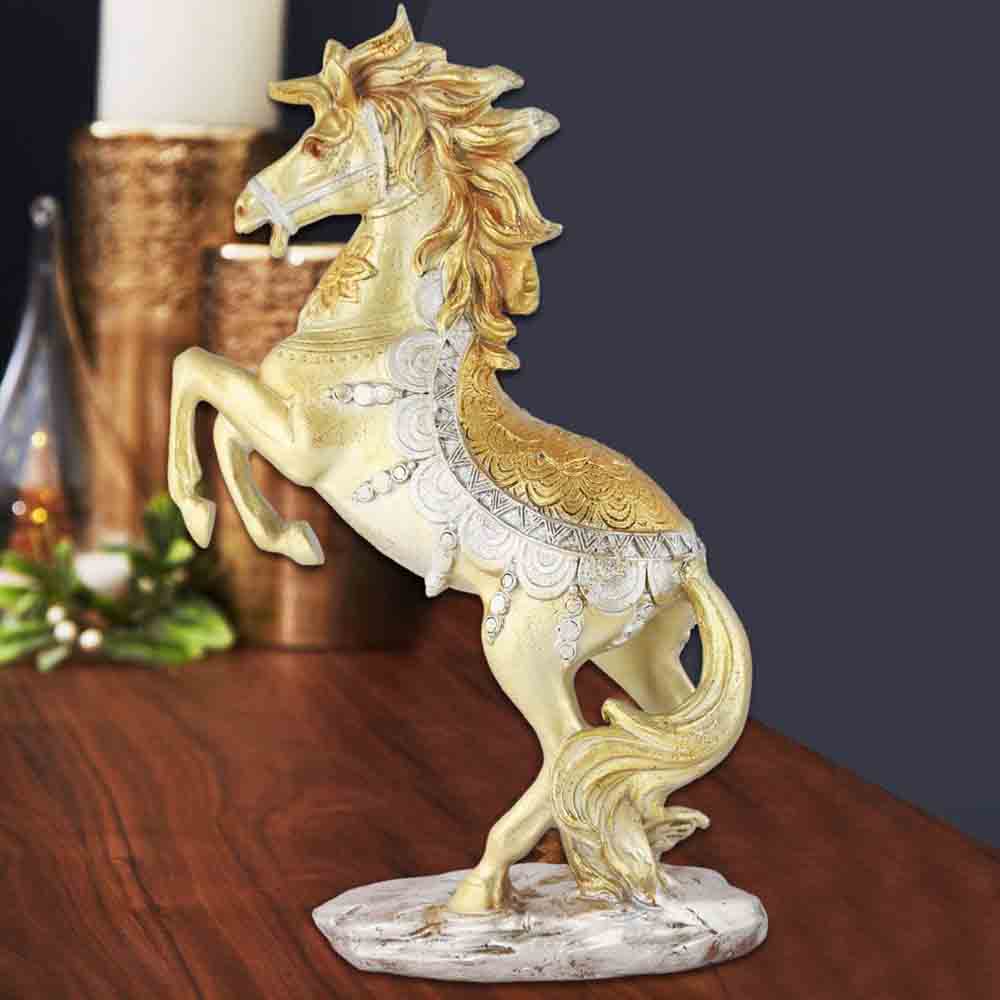
Traditional Indian home decor is a treasure trove of timeless beauty, seamlessly blending meticulous craftsmanship with cultural significance. Rooted in centuries-old traditions, it reflects India's diverse regions, each lending its unique aesthetics to interiors. From the intricate block-printed textiles of Rajasthan to the terracotta artifacts of Bengal, these artisanal wonders have found a place in contemporary homes, bridging the gap between heritage and modernity. These decor items do more than adorn homes; they tell stories, evoke nostalgia, and effortlessly uplift living spaces. Products like the handcrafted ceramic mugs and vases in bold, earthy hues or delicately designed polyresin figurines can serve as exceptional pieces for enhancing your home's visual narrative. Their durability and environmental tolerances, such as heat resistance and wear ratings, make them well-suited for modern interiors while honoring India's rich cultural heritage. Check out this exclusive collection for inspiration here.
Scenario 1: Place a small handcrafted ceramic vase filled with fresh flowers like marigolds or jasmine in your living room. This adds a fragrant visual charm while staying true to Indian traditions.
Mistake: Avoid placing ceramic items in high-traffic areas where impact risks are higher.
Scenario 2: Incorporate a resin figurine of Ganesha on a puja table for an auspicious and decorative touch.
Mistake: Do not place resin decor in direct sunlight, as prolonged exposure may reduce the sheen.
Scenario 3: Use glazed ceramic planters to host indoor plants like money plants or ferns. These not only purify your indoor air but elevate the room's aesthetic appeal.
Mistake: Overwatering plants can cause seepage, leading to discoloration of ceramic items.
Use soft cloths for cleaning traditional handmade decor to prevent scratches or discoloration.
Combine multiple small items like copper pots and ceramic vases for a visually cohesive look.
Allocate decor based on footfall areas; reserve fragile items for low-movement regions.
Handmade Indian decor bridges cultural history with modern uses.
Investing in ceramic and resin items ensures durability and aesthetic value over time.
Always align decor placement with structural and environmental tolerances.
Ceramic and resin items are perfect due to their durability, heritage-rich designs, and compatibility with Indian aesthetics. They also offer functional advantages like temperature and impact resistance, meeting modern requirements.
Mix traditional items like terracotta urns or resin idols with minimalist furniture or vibrant wall art to create a balanced, transitional look.
Yes, ceramic items can tolerate harsh weather conditions, making them suitable for outdoor settings like balconies. Resin decor, however, should be kept away from extreme heat or direct sunlight to avoid discoloration.
A hand-carved wooden swing, traditionally referred to as a jhoola, is more than just a decorative piece—it symbolizes heritage, relaxation, and familial connection in Indian homes. Typically installed in living rooms, verandahs, or even modern balconies, a jhoola not only serves as a seating arrangement but also enhances the aesthetics of the home with its intricate carvings and timeless appeal. Revitalizing this tradition in 2025 can effortlessly combine old-world charm with contemporary decor elements to inspire a serene and sophisticated ambiance.
To craft a homemade wooden swing, begin with selecting high-quality hardwoods such as teak or rosewood, known for their durability and intricate carving potential. Outline the desired design, which may include motifs inspired by Indian classical art, floral patterns, or even geometric accents. Tools such as chisels, carving knives, and hand sanders are essential. For a sophisticated finishing touch, incorporate glossy varnishes or matte polishes aligned with your room’s palette. Additionally, you can elevate the swing’s appeal by pairing it with ceramic vases like Blue Mughal Ceramic Flat Vase, showcasing intricate patterns that resonate with Indian décor themes, or resin-based Ganesha showpieces that add warmth and cultural depth.
Once the base swing is ready, focus on installation. Use heavy-duty ceiling hooks and industrial-grade ropes or chains. Balance safety with style by performing weight tests and refining the swing with plush seating cushions in block-printed or bandhani textile covers. For a dynamic floral touch, hang small resin wall planters or terracotta pots alongside the swing, ensuring it seamlessly blends tradition with evolving decor trends.
Living Room Centerpieces: Place it facing your window for natural light and scenic views, complemented by ceramic planters in neutral tones.
Balcony Bliss: Pair with hanging lanterns for a cozy evening vibe.
Meditation Corners: Create a serene nook with a swing offset by traditional resin vases and fresh marigold arrangements.
Improper Weight Testing: A swing not tested for adequate load may cause accidents. Ensure it withstands up to 80–100 kg comfortably.
Wrong Wood Selection: Using softer woods like pine might compromise durability. Opt for high-density teak or rosewood instead.
Inappropriate Decorative Pairings: Avoid cluttering by choosing minimal yet impactful complementary pieces such as resin figurines over ornate items. Simplicity melds tradition with modern sensibilities.
Leverage locally available hardwood and avoid excessive outsourcing to minimize costs.
Match the polish or paint of the swing to your home’s color scheme for a cohesive look.
Integrate traditional patterns through textiles or art placements near the swing for added authenticity.
A hand-carved wooden swing combines heritage with functionality, making it an evergreen addition to Indian homes.
Focus on high-quality materials and safety measures during crafting and installation.
Pair the swing with ceramic and resin decor items from Moolwan to create a holistic design statement.
A1: Teak and rosewood are recommended due to their durability, elegant grain patterns, and ability to withstand intricate carvings.
A2: Use block-printed cushions, pair with ceramic vases or resin planters, and hang lightweight lanterns for a blend of traditional and modern decor.
A3: Depending on the wood type and carvings, the DIY cost can range between ₹15,000 and ₹30,000, making it an affordable option compared to ready-made swings.
The timeless elegance of copper and brass accents brings warmth, character, and a touch of tradition to any home. Indian artisans have perfected the craft of working with these metals, producing exquisite décor with finishes ranging from polished shine to aged patina. To incorporate these elements, consider using brass vases, copper bowls, or traditional hand-hammered trays. Strategically place these pieces on a wooden console, a glass dining table, or a mantelpiece to create a perfect balance between traditional charm and contemporary design. Pairing these metals with differently textured materials, such as ceramic vases or resin-based artistic showpieces, enhances the setting's appeal. For instance, a large ceramic vase, like the Ceramic Modern Flat Vase, with its muted matte finish, beautifully counters the shine of metallic décor. This juxtaposition brings depth and harmony to spaces like living rooms or even a serene corner in the bedroom.
For a more cultural touch, brass diyas or copper urlis filled with petals and water can be the focal point of your festive decorations. However, achieving the right balance is key—avoid overcrowding the space with metal artifacts. Overpolishing brass could strip away its lustrous antique charm, and careless placement in high-humidity environments could speed up tarnishing. Instead, highlight individual pieces by integrating them with complementary textiles, such as handwoven rugs or block-printed table runners.
Explore our versatile collection of traditional and artistic accents for your living and dining spaces, like this handcrafted vase crafted to withstand wear and maintain timeless beauty for years.
Festive Centerpiece: Use an aged brass urli filled with floating candles and rose petals to create an inviting centerpiece for the Diwali dinner table.
Modern Accents: Pair your copper bowls or trays with muted ceramic planters in a minimalist office corner to introduce warmth.
Statement Table Setting: Use hammered copper plates or coasters alongside a light pastel table runner for an elegant dining arrangement.
Overcrowding the Display: Adding too many metallic elements can clutter the overall aesthetics of your space. Prioritize fewer, high-quality pieces.
Ignoring Tarnish Prevention: Avoid direct contact with water or strong chemicals while cleaning metals—they can corrode the surface and strip off finishes.
Use a microfiber cloth to clean copper and brass to maintain its natural glow.
Pair metallic decors with subtle materials like cotton or linen to soften the look.
Balance is essential—introduce metallic accents sparingly for elegant yet impactful decor.
Factor in maintenance and ensure you use non-abrasive cleaners to preserve shine and finish.
Regularly clean your copper and brass items using a mixture of lemon and baking soda or a dedicated metal polish. Avoid exposing them to high humidity or direct water contact.
Absolutely! The warm metallic tone of brass and copper creates a striking contrast with modern materials like glass, ceramics, and concrete, making them versatile for contemporary spaces.
While our brass items, such as the Hammered Brass Vase, are durable, prolonged exposure to harsh weather may lead to tarnish. For outdoor use, combine them with weather-friendly ceramic products like the Glass Glazed Large Vases.
The Bhartiya Baithak, translating directly to "Indian Seating," symbolizes tradition harmoniously blending with modern ergonomics. This age-old practice of low-height seating is not only deeply rooted in Indian culture but also promotes a soothing, minimalist lifestyle. Its ergonomic benefits include improved posture, alignment, and a relaxed atmospheric vibe. Commonly styled with mats, handwoven rugs, or thick cushions, the Bhartiya Baithak is perfect for living rooms or cozy balconies. For instance, incorporate handcrafted ceramic pieces, like this Ceramic Vase from Moolwan, which doubles as both a functional and decorative showpiece. Check it out here.
Design tips for the Bhartiya Baithak include choosing vibrant, traditional textiles such as block-printed or bandhani cushions. Pair these with resin Buddha figurines, celebrated for their lightweight nature and easy maintenance, to create a soul-soothing ambience. These low-seating zones can also be enhanced with brass urlis holding water and fresh flowers, adding an aromatic and aesthetic charm.
Be mindful of the material for durability and comfort. For homes in humid regions, materials like resin perform better due to their excellent moisture-resistance properties, enduring even 80% relative humidity. However, ceramic pieces excel in cooler climates, withstanding harsher seasonal changes and adding a touch of classic elegance.
Bring contemporary twists by incorporating easy-to-maintain washable covers or foldable seating cushions for multifunctional usage. Ensure the space remains uncluttered, allowing seating for family or guests without crowding the area.
Cozy Reading Nooks: Pair a Bhartiya Baithak arrangement with a resin figurine and curated book stack for a serene reading retreat.
Balcony Serenity Spots: Top zabutons with hand-block printed covers and flank them with terracotta or ceramic vases holding fresh marigolds.
Meditative Corners: Incorporate resin idols like Buddha or Ganesha and minimalist wall hangings for a mindful detox zone.
Overcrowding the Space: Avoid cluttering with too many showpieces; choose a key decorative element like a ceramic vase or resin figurine for focus.
Ignoring Comfort: Select cushions with adequate thickness (10-15 cm) for prolonged seating comfort.
Compromising on Quality: Poorly crafted decor items may negatively impact the overall feel—opt for durable, well-finished products like those made from ceramic or resin.
Choose handwoven rugs or dhurries for an authentic touch.
Add soft lighting with floating diyas or fairy lights.
Opt for foldable, washable textile options for practical upkeep.
Bhartiya Baithak combines cultural essence with ergonomic advantages.
Use decorative items like ceramic vases or resin figurines to upgrade the space.
Mix functionality with style by choosing durable materials suited for the Indian climate.
Low-height seating promotes better spine alignment, core engagement, and flexibility, making it an excellent choice for improving posture.
Create cozy zones with vibrant throws, cushions, and textured rugs. Pair them with elegant, durable showpieces like the Blue Mughal Ceramic Vase for a chic, modern touch.
Ceramic pieces lend timeless sophistication, while resin decor ensures durability and humidity tolerance—ideal for diverse climatic conditions in India.
Hand block printing is a centuries-old Indian art form that involves the delicate carving of wooden blocks, which are used to imprint patterns onto textiles. This technique, passed down through generations, hails from regions like Rajasthan, Gujarat, and Madhya Pradesh—each offering a unique flavor. For instance, Rajasthan’s Sanganeri prints are renowned for intricate floral patterns, while Gujarat’s Ajrakh prints bring earthy tones with geometric designs. These handcrafted fabrics are an excellent addition to modern spaces, seamlessly blending tradition with contemporary aesthetics.
When incorporating hand block textiles like table runners, cushion covers, or wall hangings into your home, pay close attention to the fabric. Cotton and linen are ideal choices for summer decor, while silk adds an opulent touch for festive seasons. Pairing these textiles with ceramic vase designs can create a striking balance of color and texture. For example, a Sanganeri-printed table runner laid across a wooden dining table accompanied by our handcrafted vase elevates both modern and traditional decor elements.
Emphasize vibrant but harmonious color combinations. Saffron yellows, earthy reds, and indigo blues are classic but blend beautifully with minimalist interiors. For accentuating the block-printed designs, you can pair them with resin showpieces like intricately detailed figurines to create focal points. With their lightweight durability and enhanced impact resistance, resin items complement heavy-textile decor without overpowering them. You can browse through additional inspiration for integrating resin decor pieces here: Unique Home Decor Items.
While hand block prints are stunning, one common mistake is overcrowding. Let the printed fabric speak for itself by balancing it with neutral tones elsewhere in the room. Maintenance is equally crucial—hand wash or use mild detergents to retain the dyes and patterns’ vibrancy over time. Given their artisanal authenticity, these prints are also budget-friendly options, starting at INR 500 for smaller linens.
Keep hand block textiles away from direct sunlight to prevent fading.
Use natural fabrics for a seamless integration into eco-conscious decor themes.
Experiment with layering—combine printed throws with solid cushions for balance.
Hand block prints infuse an artisanal and soulful element into modern spaces.
Fusion decor is achievable by pairing textiles with carefully selected ceramic or resin accents.
Maintenance of printed fabrics is simple yet essential for their longevity.
Cotton and linen are the best fabrics for lighter, breathable decor options, while silk provides a premium touch for festive or formal settings.
Mix printed pieces, like cushion covers or table runners, with resin showpieces or ceramic vases for a chic balance of contemporary and traditional design elements.
Yes, hand block-printed items start as low as INR 500 for smaller pieces and offer great aesthetic value at an affordable price.
Indian folk art is a testament to the country's rich cultural heritage, offering visual narratives steeped in tradition and history. Styles such as Warli, Madhubani, and Pattachitra are exemplary forms of this art, renowned for their intricate storytelling and profound cultural significance. Warli art, with its minimalistic monochrome lines, illustrates tribal life and nature, while Madhubani art is known for its vibrant colors and intricate depictions of flora, fauna, and mythology. Pattachitra, originating from Odisha, showcases mythological tales on cloth or dried palm leaves.
Incorporating these art forms into contemporary spaces is simpler than ever. Modern ceramic wall hangings, such as the Handcrafted Madhubani Ceramic Wall Art available in the Moolwan collection, marry tradition with modern aesthetics beautifully. These pieces, with their robust ceramic base, are an excellent fit due to their cultural vibrance and durability metrics such as high scratch resistance (8/10) and excellent UV tolerance (9/10), making them suitable for Indian climatic conditions. They can be framed with sleek black or metallic borders to complement modern decor.
For those preferring lightweight options, resin-based Pattachitra decorative pieces provide high durability and impact resistance, catering to homes with dynamic environments like children or pets. Their low-maintenance nature is perfect for individuals with busy lifestyles, requiring only a simple wipe for cleaning. Pairing these wall arts with earthy-toned furnishings or wooden decor elements can further emphasize tradition while ensuring seamless integration into contemporary settings.
When arranging these folk art decorations, consider accent lighting such as warm LED strip lights to spotlight the textures and details, ensuring the storytelling comes alive in dim interiors. A common mistake to avoid is overcrowding walls with mismatched or competing decor styles. Instead, build a cohesive theme, complementing the folk art with minimalistic brass vases or terracotta planters from the collection.
For example, a Madhubani ceramic hanging framed within a mango wood panel could serve as a stunning centerpiece in a neutral-toned living room while a Warli-inspired resin wall piece, with its anthropomorphic figures, creates a dynamic visual in entryways or halls. Explore a range of these captivating pieces here.
Living Room Accent Wall: Use a series of ceramic Madhubani tiles as the focal point of an accent wall, complemented by wooden furniture for a cohesive look.
Bedroom Sanctuary: Incorporate Pattachitra artwork above the headboard to create a serene and traditional ambiance.
Office Nook: Pair Warli-inspired resin decor with a teakwood desk to establish a unique blend of professionalism and cultural richness.
Overcrowding Walls: Filling walls with varied art styles can dilute the intended impact of folk art.
Neglecting Cultural Balance: Pairing Indian folk art with overly modern metallic themes may clash visually.
Improper Framing: Failure to use suitable frames or mounting styles can lead to imbalance or an unpolished look.
Prioritize earthy or neutral backdrops to highlight the vibrant and intricate detailing in folk art.
Use warm accent lighting to emphasize textures and colors effectively.
Indian folk art integrates storytelling and design into home decor.
Ceramic and resin variations offer versatile and durable options.
Proper placement and minimalistic pairing enhance visual impact.
Choose sleek, understated frames in black, gold, or wood to enhance the artwork without overshadowing its intricate details.
Yes, integrate them as statement pieces on neutral walls and pair them with minimal decor to maintain a balance between tradition and modernity.
High-quality ceramic decor pieces, like those from the Moolwan collection, have a lifespan of 10–15 years if cared for with routine cleaning and proper handling.
Lighting in traditional Indian decor is much more than illumination—it's an art form that intertwines functionality with cultural storytelling. From intricately designed metal lanterns with golden hues to timeless brass diya stands, these pieces elevate the ambiance of any space while preserving the essence of India’s rich heritage. Metal lanterns, like the ones offered in our Large Resin Vase Collection, blend seamlessly into modern homes. Their robust build, with a Shore D Hardness of 75-85, ensures durability and longevity, allowing them to double as decorative accents. Additionally, diya stands crafted from ceramic offer excellent UV resistance (9/10), making them perfect for semi-outdoor verandas where natural light complements their golden glow.
Placement plays a pivotal role in amplifying the effect of these light sources. For instance, a brass diya stand, centered on a low-rise Bhartiya Baithak arrangement, instantly transforms the space into a meditative retreat. Pairing lighting with showpieces such as handcrafted bells or a ceramic Ganesha idol can further enhance the aura. Noteworthy options include the resin Elephant Sculpture, known for its high impact resistance (8/10), ensuring break-free beauty even in high-traffic areas like living rooms.
Beyond aesthetics, the modern interpretation of these classics includes LED-fitted lanterns or wall-mounted diya racks to suit contemporary interiors. However, while these items are visually stunning, common mistakes—such as overcrowding the decor or improper placement—can dilute their impact. Always position lanterns in corners to create depth, and avoid placing multiple diya stands too close, as this can overwhelm the space.
For areas like dining rooms, consider ceramic wall votives that provide a warm glow while harmonizing with a neutral decor palette, or use metal diya stands in pooja corners for traditional authenticity. A curated combination of these lights, matched with decor from our collections, ensures a thoughtfully illuminated modern home steeped in Indian tradition. Get inspired with traditional lighting pieces.
Festive Celebrations (2025 Diwali): Curate an inviting festive ambiance using a metal diya stand paired with floating marigold decorations in ceramic bowls.
Meditative Poise: Incorporate brass lanterns on ledges beside your yoga or meditation spaces to amplify calmness and focus.
Dinner Settings: Arrange resin lanterns on your dining table alongside flower petals to give your meals a luxurious and cultural touch.
Over-Illumination: Avoid using too many light sources in one area, which can create unnecessary glare.
Improper Material Match: Using UV-sensitive resin lamps for outdoor setups may cause fading—opt for ceramic instead.
Confusing Styles: Placing overly ornate fixtures in minimalist interiors can clash with the design ethos.
Use warm-colored tea lights to emphasize intricate patterns on metal lanterns.
Position brass diya stands near mirrors for amplified glow and a traditional visual effect.
Handcrafted lighting combines function and aesthetics uniquely suited to Indian culture.
Placement and complementary decor significantly influence traditional and modern integration.
Always choose durable materials like ceramic and metal for high-traffic or semi-outdoor spaces.
A1: Ceramic and brass materials are ideal due to their high durability, scratch resistance, and UV stability, making them perfect for both indoor and semi-outdoor decor.
A2: Use elements like brass diya stands or metal lanterns with modern design updates such as LED integrations. Position them in corners, on wall-mounted racks, or near reflective surfaces for a balanced aesthetic.
A3: Avoid overcrowding spaces with too many light sources, misaligning the materials with placement requirements (e.g., using resin outdoors), and clashing ornate fixtures with minimalist designs.
Designing a contemporary puja corner that honors traditional practices while blending seamlessly into modern interiors requires careful planning and thoughtful selection of decor elements. Begin with choosing a compact yet visually striking wooden or ceramic mandap as the focal point. For instance, a handcrafted ceramic mandap with intricate detailing, made from materials with high durability such as ceramic with a Mohs hardness of 6-7, ensures both longevity and elegance. Blend this with a resin Buddha statue or brass diyas, which provide a traditional yet sophisticated vibe.
Placement matters—situate the puja corner in a well-lit, peaceful area. Incorporate decorative ceramic or resin vases, like our small ceramic vase with a smooth Ra ≤ 0.8 μm surface finish, for holding fresh flowers or incense sticks. These are resistant to humidity (0-100% RH for ceramic materials), making them ideal even for high-moisture environments.
For the backdrop, opt for folk art-inspired wall hangings, such as Madhubani paintings, to enhance the spiritual ambiance. Incorporate ambient lighting with glazed ceramic diya holders that provide warm illumination and are UV-resistant (Excellent 9/10 for ceramics). Pair this with a modern twist by choosing minimalist, foldable low-height Bhartiya Baithak seating, perfect for meditation or daily rituals. For safety, ensure products like brass lamps are tested for standards such as EN 71-3 and ASTM F963 compliance.
Avoid overcrowding; a maximum of 3-4 decor items should occupy the space to maintain simplicity. Lastly, don’t forget to integrate a touch of greenery with small indoor plants in traditional ceramic pots to symbolize growth and harmony. Our compact 10-cm resin planters, which can hold up to 2-3 kg of weight, make a fitting choice for this purpose.
Small Apartments: Use a compact ceramic mandap with foldable seating for creating a puja corner in tight spaces. Its lightweight nature (300-450g) makes it ideal for portability.
Family Homes: Incorporate brass diyas and ceramic wall décor for a more traditional look while retaining durability.
Workspaces: A minimalistic resin Buddha is perfect for office prayer setups, thanks to high impact resistance (5-6 J/cm²).
Overdecorating: Cluttering the corner diminishes the spiritual focus. Stick to essentials for a balanced look.
Inappropriate Materials: Avoid using non-durable or cheap materials that can't withstand daily use or high humidity.
Neglecting Light Sources: Insufficient lighting can detract from the peaceful ambiance; prioritize ceramic diya holders for effective illumination.
Arrange items in primary (mandap, diya holders) and secondary (greenery, vases) layers for a balanced look.
Select color palettes in earthy tones like beige, gold, or dark wood for a cohesive decor theme.
Blend traditional aesthetics with modern functionality using durable products.
Prioritize quality materials like UV-resistant ceramics and impact-resistant resins for long-lasting decor.
Safety standards like REACH compliance are critical when using items like brass lamps or ceramic diyas.
A: Ceramic is a top choice due to its durability, heat resistance (up to 150°C), and cultural relevance. It also offers excellent UV protection, ensuring longevity.
A: Yes, you can opt for small ceramic vases (starting at ₹400) and resin decor pieces (₹1,000 onwards) to keep costs low while maintaining aesthetic appeal.
A: Use minimalist designs like foldable Bhartiya Baithak seating, compact mandaps, and neutral-toned ceramic diyas for seamless integration with modern interiors.
Terracotta has long been a cornerstone of Indian home decor, celebrated for its earthy tones and eco-friendly attributes. With its natural clay composition and historical roots that date back to the Indus Valley Civilization, terracotta embodies the spirit of Indian craftsmanship and sustainability. Items such as terracotta pots, figurines, and wall art infuse spaces with a warm, rustic charm. For instance, a handcrafted terracotta vase from our collection adds a unique focal point in modern living rooms or traditional puja spaces. You can blend terracotta decor seamlessly with ceramic pieces like ceramic vases or resin figurines, which add complementary textures and enhance the earthy aesthetics.
Practical applications include decorating balconies with terracotta planters or using terracotta diyas during festive occasions for an authentic Indian touch. Their natural porosity makes them ideal for indoor plants, ensuring proper aeration and moisture retention. However, pairing them with other materials is key to achieving a balanced look for contemporary homes. For instance, try placing an elegant handcrafted ceramic vase beside a cluster of terracotta planters for a curated aesthetic.
Embracing terracotta also aligns with sustainable design principles. These items are biodegradable, long-lasting, and often handcrafted by local artisans, supporting traditional craftsmanship while minimizing environmental impact. To achieve synergy, position terracotta art with metallic diya stands or wooden decor accents, creating a layered, cohesive design. For consumers in 2025, a versatile terracotta planter priced at INR 650 offers a budget-friendly yet premium decor solution.
Transform your balcony into a lush retreat by combining terracotta planters with creeping vines and small flowering plants. Position them along railings or corners for a natural aesthetic. Incorporate metallic lanterns for ambient lighting during evenings, giving a festive yet serene vibe.
Achieve an earthy tablescape by placing a terracotta vase filled with fresh marigolds as the centerpiece. Pair it with colorful ceramic bowls for an authentic and inviting dining setup during festive lunches or special occasions.
When terracotta is used outdoors, its porous nature makes it vulnerable to cracking in waterlogged conditions. Seal the pots with a water-resistant coating if placing them in gardens or exposed areas.
Avoid overcrowding your setup with too many terracotta items. The simplicity of the material gets lost in bulk displays. Instead, balance it with neutral tones, glass, or metallic decor.
Use terracotta only in well-lit areas to enhance its natural, earthy tones.
Seal porous terracotta items if using them outdoors in humid seasons.
Terracotta is versatile, sustainable, and a cornerstone of Indian aesthetics.
Pairing terracotta with ceramic or resin decorative accents elevates its visual impact.
Proper care like sealing and avoiding overuse ensures better longevity and visual harmony.
Terracotta holds cultural and historical importance and is eco-friendly, durable, and ideal for warm, rustic interiors.
Yes, but their porosity can lead to moisture absorption and cracks. Always use a sealant to protect them in outdoor spaces.
Terracotta can be cleaned using a slightly damp cloth. Avoid harsh chemicals, as they may damage its natural texture.
Floral motifs and botanical-inspired decor have always found a place in Indian traditional aesthetics, celebrated for their vibrant colors, cultural depth, and connection to nature. To infuse your home with nature’s palette, consider incorporating real flowers like marigolds, jasmines, and roses in classic Brass Urlis or terracotta planters. These fragrant displays can take center stage in your living room during festivals such as Diwali or year-round celebrations. Seasonal decorating ideas include experimenting with Mogras during summer and chrysanthemums in winter for a refreshed and synchronized look.
Pair your floral arrangements with abstract showpieces like ceramic planters, which complement the floral theme while adding a modern touch. For instance, a Medium-sized Ceramic Vase with Blue Mughal designs, made of 60-70% clay content and fired at high temperatures, ensures durability even in humid Indian weather (0–100% RH). This makes it perfect for everyday use or special occasions.
If you’re seeking botanical motifs, incorporate cushion covers or table runners with lotus or peacock feather prints to create a cohesive design. Use resin floral decorative items, such as lightweight wall hangings, which offer high UV resistance and can be positioned near windows or balconies exposed to sunlight. Ensure proper care—real flowers need regular water changes, while ceramic vases should be cleaned gently to avoid surface abrasions.
By mixing the tangible beauty of fresh blooms with long-lasting decor materials like ceramics and resin, you enable a timeless harmony in your interiors. Avoid overloading the space, as cluttered floral designs can diminish the intended serenity. Instead, focus on mindful placements, such as aligning smaller vases on pastel tables and larger, ornate flower arrangements at entryways.
Festive Centerpieces: Place vibrant marigolds in a Brass Urli at the dining table or entryway during Diwali to create a welcoming vibe.
Seasonal Wall Hangings: Install resin wall decor with floral themes for added charm in living rooms exposed to sunlight. These showpieces function effortlessly as conversation starters.
Minimalist Zen Corners: Utilize small ceramic planters on your study desk paired with succulents for a soothing workplace environment.
Overcrowding: Avoid placing too many floral decor items in one location. It distracts from the aesthetic harmony and can overwhelm the space.
Mismatched Elements: Pairing vibrant floral motifs with highly patterned furniture leads to visual chaos. Stick to neutral-colored or subdued furniture.
Improper Maintenance: Real flowers can wilt quickly if water is unchanged or exposed to excessive sunlight. Similarly, ceramic vases should not be scrubbed with hard brushes to avoid damage.
Pair flowers with soft-glowing lighting to enhance mood settings.
Keep a mix of fresh and artificial floral decor for high and low-maintenance zones.
Floral decor enhances traditional aesthetics while introducing a modern botanical touch.
Seasonal integration (e.g., summer jasmines and winter chrysanthemums) revitalizes home interiors.
Long-lasting materials like ceramics and resin are sustainable and practical for floral decoration.
Floral motifs infuse natural beauty and cultural depth by combining fresh flowers and botanical-inspired patterns. Pairing with contemporary designs like minimalistic ceramic vases ensures balance, preserving traditional roots while suiting modern lifestyles.
Marigolds are ideal for festivals like Diwali, while chrysanthemums add warmth to winter months. Jasmines and Mogras work wonderfully during summer due to their refreshing fragrance and aesthetic simplicity.
Gently clean ceramic vases with a soft cloth and avoid abrasive scrubbing. For real flowers, replace the water daily to ensure freshness and prevent wilting.
Handcrafted bells and windchimes have always held a special place in traditional Indian decor due to their aesthetic charm and the soothing musical tones they produce. Rooted in both utility and spirituality, these decor items are often used to bring harmony, positivity, and a serene ambiance to any space. Bells, especially metallic ones, are traditionally rung in temples and homes to invite auspicious energy—this cultural significance makes them a treasured addition to Indian households. Windchimes, crafted using various materials like metal, ceramic, and resin, are believed to disperse negative energies and amplify the flow of positive vibrations when placed strategically.
When selecting ceramic-based items, such as glazed ceramic windchimes, their lightweight build and excellent UV resilience make them ideal for balconies or semi-open verandahs. Their scratch-resistant finish (Mohs hardness of 6-7) ensures durability for outdoor use. Comparatively, resin ornaments like handcrafted resin bells and chimes, known for their Shore D Hardness of 75-85, exhibit higher impact resistance. This makes them a perfect fit for interiors or spaces with moderate exposure to sunlight since they handle indoor humidity levels (20-80% RH) exceptionally well. You could explore products such as vintage-style bells made from resin and ceramic composites that elegantly balance traditional craftsmanship with modern practicality.
Placement is key for these items. Hang a windchime near a window to create a continuous melody with the breeze, or adorn your living room entrance with intricately designed ceramic bells to usher in good energy. Incorporating them alongside ceramic vase decor items can create a complementary aesthetic. A hand-painted blue Mughal ceramic flat vase, for instance, can serve as the perfect decorative anchor below a windchime.
Don't confine their use to traditional themes; handcrafted bells and chimes can also blend seamlessly with contemporary interiors. Pair them with minimalistic furniture and neutral tones to create a subtle yet striking decor statement. A common mistake, however, is not considering the compatibility of materials with their intended placement. Resin bells are vulnerable to prolonged UV exposure, and ceramic chimes can lose their gloss if exposed to abrasive cleaning.
Balcony Ambiance: Use a ceramic decorative windchime in your balcony to create a tranquil retreat. Match it with ceramic planters to accentuate the natural vibe.
Spiritual Corners: Integrate resin bells into your puja room or meditation space for an aura of sanctity. Pair them with brass diya stands for a classic Indian touch.
Festival Decor: During festivals, string together multiple bells with marigold garlands for a vibrant, traditional entrance display.
Incorrect Placement: Hanging resin windchimes in areas with high heat exposure, like south-facing windows, leading to discoloration or damage.
Poor Weight Consideration: Using fragile hooks for heavy ceramic bells (weighing 300-450g for medium sizes), risking accidental falls.
Ignoring Cleaning Needs: Using harsh cleaners on handmade paints, reducing the longevity of the intricate surface details.
Place windchimes strategically in areas with consistent airflow, such as near windows or open verandahs.
Use contrasting hanging cords (e.g., jute or silk) to emphasize the handcrafted details of the bells.
Opt for UV-resistant materials for outdoor purposes, like ceramic windchimes with a glossy finish.
Incorporate bells and windchimes for their cultural relevance and soothing melodies.
Ceramic windchimes are better for outdoor use, while resin ones suit indoor areas.
Ensure proper care to preserve their aesthetics and functionality.
Use a soft, damp cloth to gently wipe off dust and dirt. Avoid abrasive or chemical cleaners that can scratch or dull the glossy glazed finish.
While resin bells are durable, they are best used in partially shaded areas to prevent UV discoloration and maintain their vibrant finish.
Place windchimes in moderately windy spots, such as windows or corner verandahs, to ensure a consistent, pleasant melody without overexposure to intense wind.


