
Cart
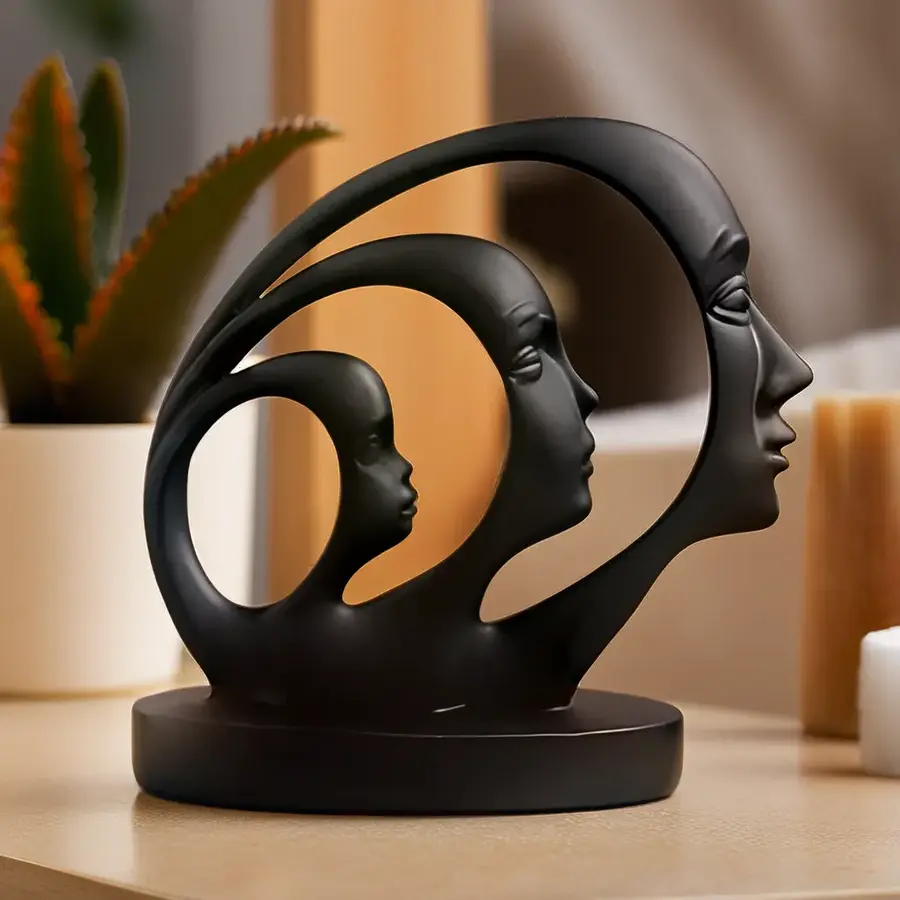
Let's face it – your living room might be so small that your coffee table and TV are practically roommates. But don't worry! That postage-stamp-sized space can still be the cozy hangout of your dreams. Whether you're living in a downtown apartment where the closet is considered a second bedroom or you're trying to maximize every precious inch of your starter home, I've got your back. With a sprinkle of creativity and these space-savvy tricks, your tiny living room will feel less "help, I'm trapped in a box!" and more "welcome to my deliberately intimate, ultra-chic lounge." Just by incorporating light, artistically crafted elements, like the Stunning Small decorative showpieces for small rooms to transform compact living spaces, you can instantly elevate the charm by turning even a shelf-top into a highlight.
Mirrors aren't just for checking if you've got spinach in your teeth – they're secret weapons in the small space arsenal! Place a large mirror across from a window, and boom – you've just doubled your light and visually expanded your room. It's like magic, but without the inconvenience of pulling rabbits out of hats. Try a full-length mirror leaning casually against the wall (so nonchalant!) or a collection of smaller mirrors arranged in a gallery-style. Your tiny room will suddenly feel like it goes on forever – or at least for another few feet, which is practically the same thing when you're working with 200 square feet! Compliment the illusion by pairing with Artistic Wall Hangings and Decor for compact living room walls to infuse height and visual elongation with personality.
Pushing all your furniture against the walls might seem logical in Tiny Room Land, but hear me out – float that sofa! Pulling furniture slightly away from walls creates breathing room and makes the space feel intentionally designed rather than "I crammed everything in where it fits." Try positioning your sofa a few inches from the wall with a skinny console table behind it. Not only will you gain a surface for lamps or decorative items, but you'll also create a pathway that makes your room feel more thoughtfully arranged. Plus, you'll finally have a dedicated spot for your remote control instead of playing the "where did it go now?" game every evening! Add visual appeal to this setup using Abstract Showpieces for floating console setups in small living rooms to define the space creatively.
In small spaces, any furniture that can't perform at least two jobs needs to hand in its resignation letter. Look for ottomans with hidden storage (perfect for stashing those takeout menus and throw blankets), coffee tables with shelves underneath, or my personal favorite – nesting tables that can spread out when friends come over and tuck away when it's just you and your Netflix queue. Sofa beds are the OG of multi-functional furniture, but today's options are so much cuter than the back-breaking contraptions at your grandma's house. Your guests' spines will thank you! Top them off smartly using Small size Ceramic and Resin Vases ideal for multi-purpose furniture that look stunning while being compact.
When floor space is as precious as the last cookie in the jar, it's time to look up! Your walls are untapped real estate just begging to be utilized. Floating shelves, wall-mounted lights, and vertical storage units draw the eye upward, creating the illusion of height while freeing up valuable floor space. Install shelves near the ceiling for books and decorative items you don't need daily access to. It's like having an extra closet, minus the avalanche of stuff when you open the door. Plus, nobody can tell if those high-up books are actually just decorative spines with impressive-sounding titles! Complement this vertical narrative with Modern design statues for decorating vertical shelf columns to bring elegance to those upward spaces.
Furniture with visible legs isn't just trendy – it's a small-space superhero! When you can see beneath your sofa, chairs, and tables, your eye travels farther, making the room feel more spacious. It's the difference between a room that feels like a moving truck packed to the brim and one that feels like you actually planned it. Bonus: visible floors make cleaning so much easier – no more mysterious dust bunnies plotting rebellions under solid-based furniture. That weird sound in the night? Probably just your cat, not the dust bunny revolution headquarters under your sofa! Detailed finishings for the exposed leggy furniture can be enhanced with Resin corner showpieces to pair nicely with open-base furniture.
Remember how your mom always told you not to sit too close to the TV because it would hurt your eyes? Well, in small living rooms, proper lighting prevents exactly that kind of squinting discomfort. Skip the single overhead light that makes your space feel like an interrogation room and opt for layered lighting instead. Use a mix of floor lamps, table lamps, and sconces to create pools of light throughout the room. This creates depth and dimension, making your space feel larger and more inviting. It's like contouring for your room – same space, but suddenly it has cheekbones! Make it twinkle with Decorative Ceramic Vases with bright hues reflecting layered lighting for added glow appeal.
While conventional wisdom pushes white for small spaces, don't be afraid to play with color! Yes, lighter colors reflect light and can make walls recede, but a deep, rich color on an accent wall can actually create depth. Try painting the shortest wall in your room a dramatic color – it's like adding an exclamation point to your design statement! If you're not ready for the full paint commitment, textiles and accessories in bold colors give you the same space-enhancing benefits without requiring painter's tape and weekend plans. Remember: navy blue is basically a neutral that adds sophistication without shrinking your space! Match your color drama with Bold colored Artistic decor pieces to suit accent walls in small rooms.
In small spaces, bulky furniture is like that friend who hogs the entire couch – charming but problematic. Opt for pieces with slim silhouettes and pay attention to scale. That overstuffed recliner you inherited from your uncle might be comfy, but in a tiny living room, it's the equivalent of parking a minivan in your kitchen. Look for armless sofas, chairs with open sides, and furniture with sleek profiles. Think of it as putting your room on a furniture diet – still substantial and satisfying, just not overstuffed! Pair the minimal vibe with Small space-ready modern resin showpieces for narrow surfaces to complete the lean look effortlessly.
I know the temptation to fill every inch is real – that empty corner practically begs for something cute, right? Resist! Negative space (designer-speak for "intentionally empty areas") gives your eyes a place to rest and prevents your small room from feeling cluttered. Think of it as the design equivalent of taking a deep breath. You don't need something on every surface or wall – sometimes the absence of stuff speaks volumes. Besides, leaving some empty space means you have room for future impulse purchases when you inevitably pass a home store window display that speaks to your soul! The trick is balancing carefully with Tall Showpieces for Corner displays that define empty areas smartly.
A properly sized rug can make your tiny space feel like it's had a growth spurt overnight. The key? Make sure it's big enough that at least the front legs of all your furniture can sit on it. A too-small rug creates a floating island effect that chops up your space visually. If your budget doesn't stretch to a room-sized rug, layer smaller rugs for a bohemian look that still unifies your space. Just make sure they're secured properly – nothing ruins a Netflix marathon faster than a rug slip-and-slide adventure! Let your rug choices pop with Medium size statues that anchor rugs in tiny lounging spaces as functional décor.
Clutter is the arch-nemesis of small spaces, making even the most stylish room feel cramped and chaotic. The solution? Storage that doesn't look like storage! Decorative boxes on shelves, attractive baskets under console tables, and ottomans that open up to swallow your stuff whole are all your allies in the war against visual noise. And don't forget about the space under your sofa – slim storage boxes designed specifically for this purpose can hide everything from off-season throws to your extensive collection of takeout menus (we don't judge). Sneak beauty and functionality with Decorative small Abstract pieces for disguised storage shelves that look elegant while hiding the clutter.
The most important thing about your small living room isn't following design rules – it's creating a space that feels like YOU. Display the weird souvenir you brought back from vacation, hang art that makes you happy, and arrange your space for how you actually live. Small spaces have the advantage of becoming instantly cozy and personal with just a few touches. After all, a tiny room filled with things you love will always feel better than a sprawling space that looks like a furniture showroom. Your small living room might not be featured in Architectural Digest, but it will be the place everyone wants to hang out – and that's the real victory!
Decorating a small living room is all about strategic choices! Start by selecting appropriately scaled furniture with legs to create visual space underneath. Maximize vertical space with wall-mounted shelving and use mirrors to bounce light around and create the illusion of more space. Choose multi-functional pieces like storage ottomans and nesting tables, and keep your color palette cohesive (though not necessarily all white!). Layer lighting instead of relying on one overhead fixture, and be ruthless about eliminating clutter. Remember that in small spaces, every item should earn its place by being either functional, beautiful, or ideally both!
The 3-5-7 rule is your cheat sheet for arranging accessories! It suggests grouping decorative objects in odd numbers (3, 5, or 7) as these arrangements look more natural and visually appealing than even-numbered groupings. For small living rooms, stick with 3 or 5 items in a vignette to avoid overwhelming the space. This might mean three different-height candles on your mantel, five coordinating items on your coffee table (perhaps a small plant, a book stack, a decorative box, a candle, and a small sculpture), or a collection of seven small frames creating a mini gallery on a shelf. Odd-numbered groupings create dynamic visual interest that even-numbered groups just can't match!
The 2/3 rule is a proportional guideline that suggests furniture should be about two-thirds the size of the piece it's paired with. For example, your coffee table should be approximately two-thirds the length of your sofa, and a console table should be about two-thirds the width of the wall it's placed against. In a small living room, this rule helps maintain visual harmony and prevents any one piece from overwhelming the space. It's especially helpful when selecting pieces like media consoles, area rugs, and artwork – keeping everything in proper proportion makes your tiny space feel thoughtfully designed rather than randomly assembled!
The 60-30-10 rule is your color palette's best friend! It suggests dividing your color scheme into percentages: 60% of the room should be your dominant color (usually applied to walls, large rugs, and sizable furniture), 30% should be your secondary color (found in accent furniture, textiles, and some accessories), and 10% should be your accent color (pops of color in artwork, pillows, and small decorative items). In small living rooms, this rule creates cohesion while still allowing for personality. For example, you might have 60% soft gray (walls and sofa), 30% taupe (rug, curtains, chair), and 10% emerald green (pillows, vase, book spines) for a balanced, visually interesting space!
The 5 second rule in design (not to be confused with the one about dropping food on the floor!) states that viewers should be able to understand the purpose and feel of a space within just 5 seconds of seeing it. For small living rooms, this means creating clear focal points and intuitive furniture arrangements that immediately communicate "this is a comfortable place to relax." Your seating should obviously be for sitting, your pathways should be clear, and the overall impression should be welcoming and logical. If someone walks into your small living room and spends more than 5 seconds figuring out how the space works, it might be time to reassess your layout for better visual clarity and functional design!


