
Cart
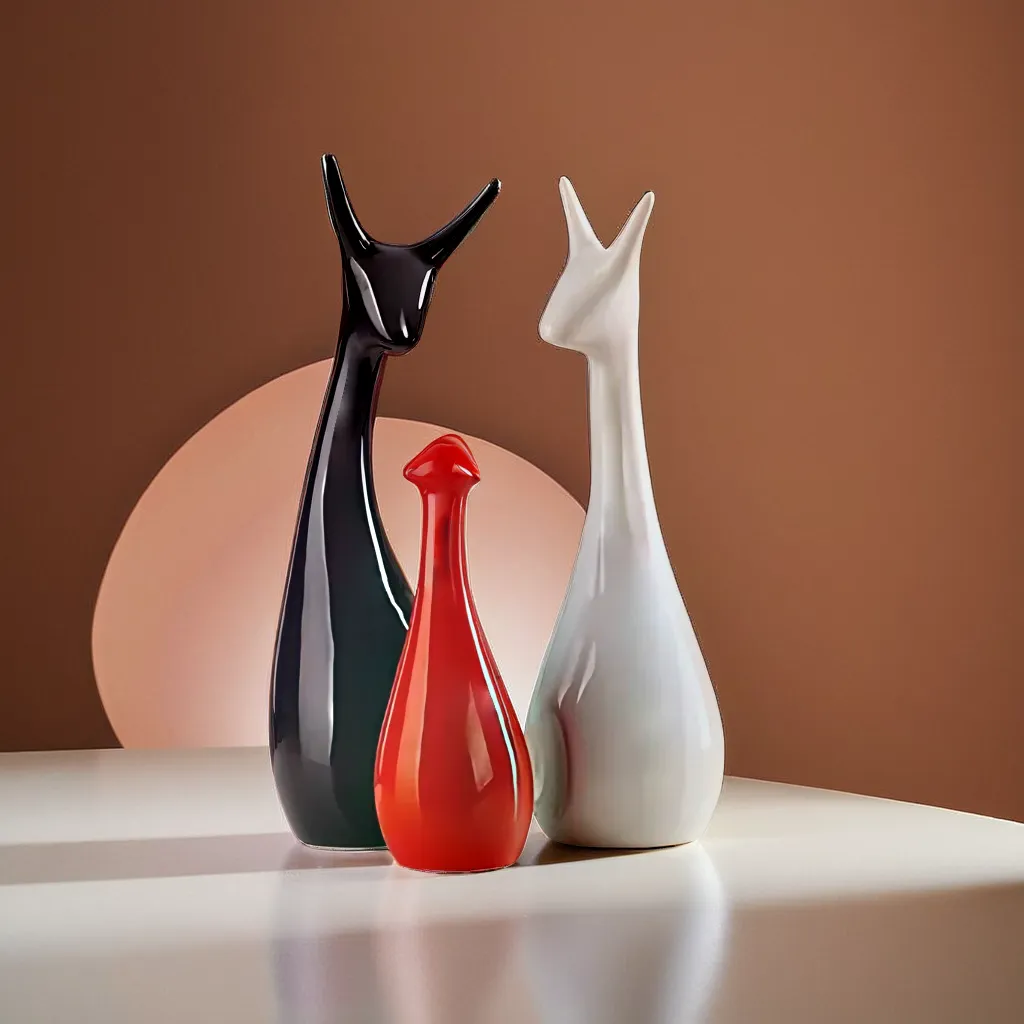
Let's be honest—we've all been there. You bring home that gorgeous fiddle leaf fig, convinced you'll be the plant parent of the year, only to watch it slowly transform into what can only be described as an expensive stick in a pot. Don't worry, my friend! Even the most Instagram-worthy plant havens started with a few leafy casualties. Indoor plants can be the perfect home decor accessory, adding life, color, and that certain je ne sais quoi to any space—if they actually stay alive, that is. Today, I'm spilling the tea on the most common mistakes we all make with our indoor plant babies, and how to turn that accidental plant hospice into the thriving jungle of your dreams! Adding visually balanced elements like the Stunning Resin Decorative Showpieces to Highlight Indoor Plant Styling Mistakes can greatly enhance your green corner without sacrificing aesthetic harmony.
If there were a Most Wanted list for plant killers, overwatering would be public enemy number one! It's like thinking your plant is a thirsty college student on a Friday night—more is not always better, folks. That "just a little extra water for good luck" approach is actually sending your plants to an early grave. Most indoor plants prefer to dry out between waterings. Stick your finger about an inch into the soil—if it's still damp, step away from the watering can! Remember, you can always add water, but you can't take it back (unless you're into frantically blotting soil with paper towels, which, trust me, is not a good look). Plant care balance can also be supported through intentional décor choices like the Black Ceramic Shelf Vases for Styling Around Overwatered Plants, helping to draw attention away from early mishaps.
Picture this: you bought that beautiful tropical plant because the store had it displayed in that dark corner and it looked amazing. Fast forward two weeks, and it's dropping leaves faster than I drop my New Year's resolutions. Here's the truth bomb—stores don't care if plants survive long-term in those cute display spots! That Madagascar Dragon Tree needs bright, indirect light, not that gloomy corner by your TV. Think of your plants as sunbathers with varying SPF needs—some want to bask in full rays, others prefer a nice shady spot with a good book. Get to know what each plant craves before deciding on its forever home. Pairing sunlight-loving flora with Handmade Ceramic and Resin Decor Items to Complement Light-Seeking Plants can create a harmonious balance in well-lit spaces.
Setting a calendar reminder to water all your plants every Tuesday is like deciding everyone in your family should wear the same size shoes—it just doesn't work! Your thirsty Boston fern needs regular moisture while that stoic snake plant could go weeks without a drink. Plants are individuals with unique needs, just like us after a long workday. Some want a glass of water, others need a full-on spa treatment. Get to know each plant's specific thirst levels rather than treating them like they're all attending the same hydration party. Pairing these diverse needs with Ceramic Decorative Items for Shelves that Complement Low-Watering Zones ensures you maintain both style and practicality within your green space.
Using a pot that's way too big for your plant is like giving a toddler a king-size bed—there's just too much space to handle! Oversized pots hold excess water, which leads to root rot, while too-small containers stunt growth and cause plants to become root-bound. The Goldilocks principle applies here—aim for a pot that's just right, usually about 1-2 inches wider than the current root ball. And for heaven's sake, make sure it has drainage holes! A cute pot without drainage is basically a stylish plant coffin waiting to happen. Add grounding beauty with Black Matte Resin Planters to Match Pot Size Effectively in Plant Styling, perfect for tying together functionality and flair in your indoor garden.
Constantly fussing, moving, repotting, and "checking" your plants is the botanical equivalent of texting "you up?" at 2 AM—nobody appreciates it. Plants need time to adjust to their environment, and each time you relocate them, they experience stress. That weekly rotation might seem helpful, but your plants are silently screaming "JUST LET ME BE!" Give them time to settle in. Plants are marathon runners, not sprinters—they're in it for the long game, and patience is key. Complement this patience by focusing on static design accents like Large Abstract Showpieces That Encourage a Stable Plant Decor Layout instead of constantly moving your green friends.
Thinking more fertilizer equals faster growth is like believing that eating five protein bars will instantly give you muscles. That's not how this works! Over-fertilizing can burn roots and cause more harm than good. Most indoor plants need feeding just once every 1-3 months during growing season, and little to none during winter. Remember that fertilizer is like hot sauce—a little enhances the experience; too much and you're crying in the bathroom wondering where it all went wrong. Break the visual monotony with Wall Mounted Artistic Decor to Balance Over-Fertilized Plant Corners, giving the space a fresh focal point.
Your tropical plants didn't sign up for desert living! Many houseplants come from humid jungle environments, not the bone-dry air of your apartment with forced air heating. When your plants start getting crispy edges like they've been left in the oven too long, it's a humidity SOS. Instead of watching your calathea slowly turn into fancy plant jerky, try grouping plants together, using a pebble tray with water, or investing in a humidifier. Your plants (and winter skin) will thank you. Additionally, soft-accent lighting and Modern Ceramic Decor for Humid Interiors Complementing Plant Grouping lend a calm and curated ambiance.
Expecting your plants to grow like crazy year-round is like expecting yourself to be super productive during a food coma—unrealistic expectations, my friend. Most houseplants have a natural dormancy period during fall and winter when growth slows dramatically. This means they need less water, less fertilizer, and more patience from you. Don't panic if your plant isn't pushing out new leaves in December—it's just taking a well-deserved seasonal nap, not ghosting you. Condensed plant zones look even cozier with Compact Resin Tabletop Decor for Plant Corners During Dormancy that doesn’t overshadow your sleeping botanicals.
That sticky residue on your plant shelf? Those tiny webs between stems? The little specks that seem to move when you stare long enough? Sorry to break it to you, but your plants have uninvited guests. Ignoring early signs of pests is like ignoring that weird noise your car makes—it only gets worse! Regular inspection is key, especially under leaves and along stems where the sneaky bugs like to hide. Keep some neem oil or insecticidal soap on hand for quick intervention when you spot the first signs of trouble. Meanwhile, distract the eye from minor plant woes using Colorful Ceramic Artifacts That Offset Pest-Troubled Plant Areas.
Positioning that statement plant all by its lonesome might look magazine-worthy, but it could be setting your green friend up for failure. Plants often benefit from the company of other plants, which can create a microclimate with improved humidity and reduced pest problems. Think of it like a plant buddy system! Plus, grouping plants with similar needs makes care easier—your desert-loving cacti can hang out in the sunny window while your shade-preferring ferns chill together in that north-facing corner. A great addition can be Classic Artistic Decor Items That Enhance Plant Group Displays, uniting them in warmth and texture.
We've all fallen for it—that ultra-trendy plant that everyone on social media seems to have. But if your dark apartment can't support that sun-loving beauty, no amount of plant influencer magic will change that fact. Being honest about your home's conditions (light levels, humidity, temperature fluctuations) and your own care style (forgetful waterer? frequent traveler?) is crucial for plant success. Choose plants that match your reality, not your Pinterest board. Your fiddle leaf fig dreams might be better served by a nearly indestructible ZZ plant that actually survives your care routine. Keep decor honest, too, with Elegant Resin Showpieces for Realistic but Stylish Plant Decor.
While keeping dust off your plant leaves is helpful, going overboard with leaf shine products or excessive cleaning can do more harm than good. Those commercial leaf shines can clog the tiny pores (stomata) that plants use to breathe, essentially suffocating your green friends while making them Instagram-ready. A simple wipe with a damp cloth is usually all that's needed. Think of it as gentle face washing, not a chemical peel! Your plants want to breathe freely, not wear a layer of shine makeup. Let them shine naturally by surrounding them with Minimalist Modern Showpieces to Emphasize Plant Naturalism Over Shine.
Indoor plants suffer from several common enemies: overwatering (the number one killer!), insufficient light, extreme temperature fluctuations, dry air, pests, and excessive fertilizer. Additionally, using pots without drainage holes, placing plants near heating/cooling vents, and frequently moving them around can stress your green buddies. Plants are also sensitive to chemicals, so cleaning products sprayed nearby and tap water with high chlorine levels can cause damage over time. Think of your plants like picky roommates—they have their preferences, and ignoring those preferences leads to silent treatment in the form of yellowing leaves!
The perfect spot depends on each plant's light requirements, but generally, place your sun-lovers near south or west-facing windows (with appropriate distance to prevent scorching). Medium-light plants do well near east-facing windows or a few feet back from brighter windows. Low-light champions can handle north-facing windows or interior spots with ambient light. Avoid placing any plants in direct drafts from vents, near frequently opened doors in winter, or where they might get knocked over by pets or children. Group plants with similar needs together to create mini humidity zones, and remember that higher shelves tend to be warmer than floor-level spots—useful knowledge for temperature-sensitive varieties!
Plants may not speak our language, but they're definitely communicating! Yellow leaves often indicate overwatering, while brown, crispy edges suggest underwatering or low humidity. Leggy, stretched growth points to insufficient light, while burned spots might mean too much direct sun. Dropping leaves can signal temperature shock, watering issues, or seasonal changes. Pale, faded leaves might indicate nutrient deficiencies. Examine new growth (or lack thereof), check the soil moisture level, inspect stems and leaf undersides for pests, and consider recent changes in care routine or environment. Think of yourself as a plant detective—the clues are there if you look closely enough!
First, unusual spots on leaves—whether yellow, brown, black, or white—especially with distinct patterns or halos around them, often indicate fungal or bacterial infections. Second, abnormal growth like strange bumps, galls, or distorted new leaves can signal viral issues. Third, powdery or fuzzy growth on stems or leaves suggests fungal problems like powdery mildew. Fourth, sudden widespread wilting despite proper watering points to root rot or another serious disease affecting the plant's vascular system. Early detection is crucial, so isolate any suspicious-looking plants immediately to prevent spread to your healthy specimens. Remember, it's easier to treat one sick plant than an entire collection!
Prevention is better than resurrection! Start by selecting plants that match your home's conditions and your care style. Establish a flexible watering routine based on each plant's needs rather than a rigid schedule, and always check soil moisture before watering. Ensure adequate light without scorching exposure, and boost humidity for tropical varieties. Use well-draining potting mix appropriate for each plant type, and make sure every pot has drainage holes. Regularly inspect for pests and diseases, catching problems early. Feed plants appropriately during their growing season, but reduce or eliminate fertilizer during dormancy. Lastly, be observant and responsive—plants give warning signs before they reach the point of no return!


