
Cart
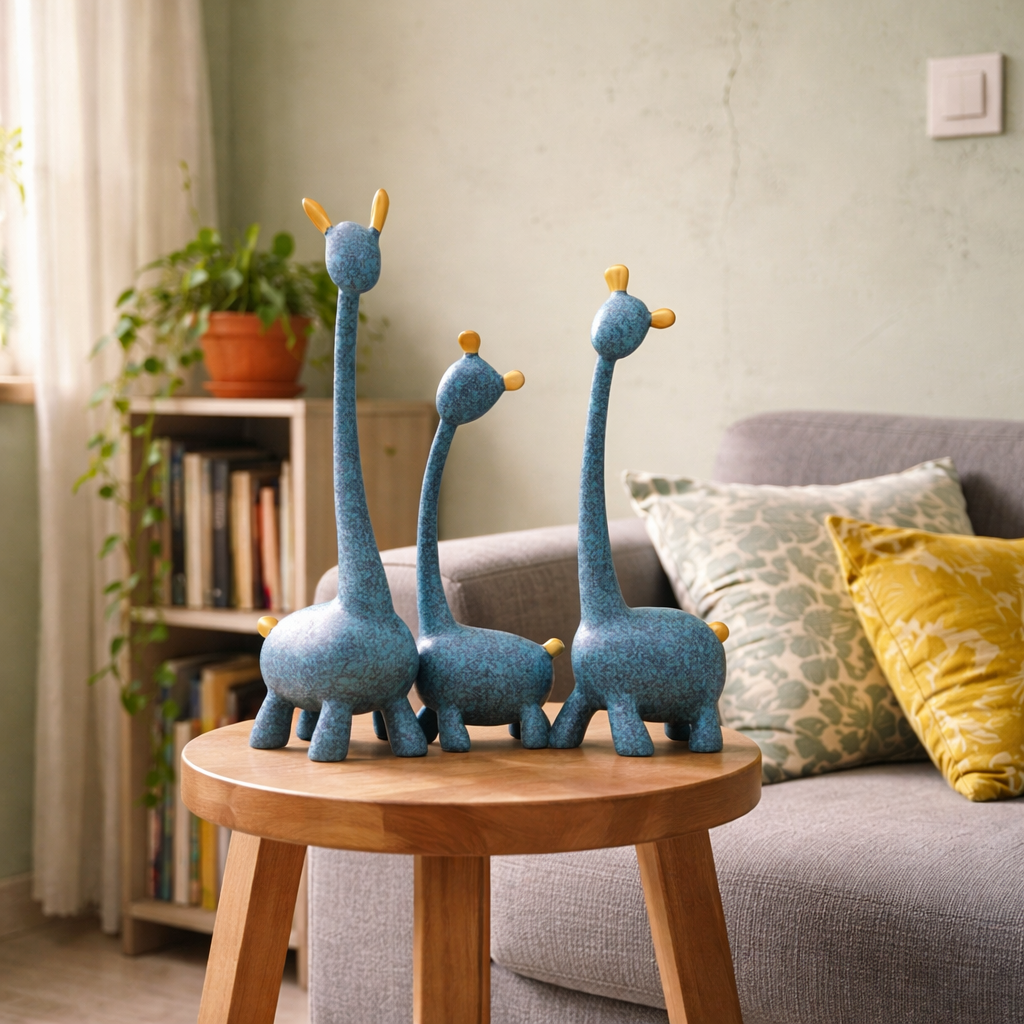
Ah, the dining room—that magical place where we gather to eat, chat, spill things, and occasionally pretend we're sophisticated adults who don't normally eat dinner in front of the TV! Whether your dining area is a grand separate room or just a cozy corner in your apartment, it deserves some love. After all, food tastes better when you're not staring at bare walls (science probably backs this up somewhere). Let's transform your dining space from "meh" to "magnificent" with tips that are as practical as they are fun!
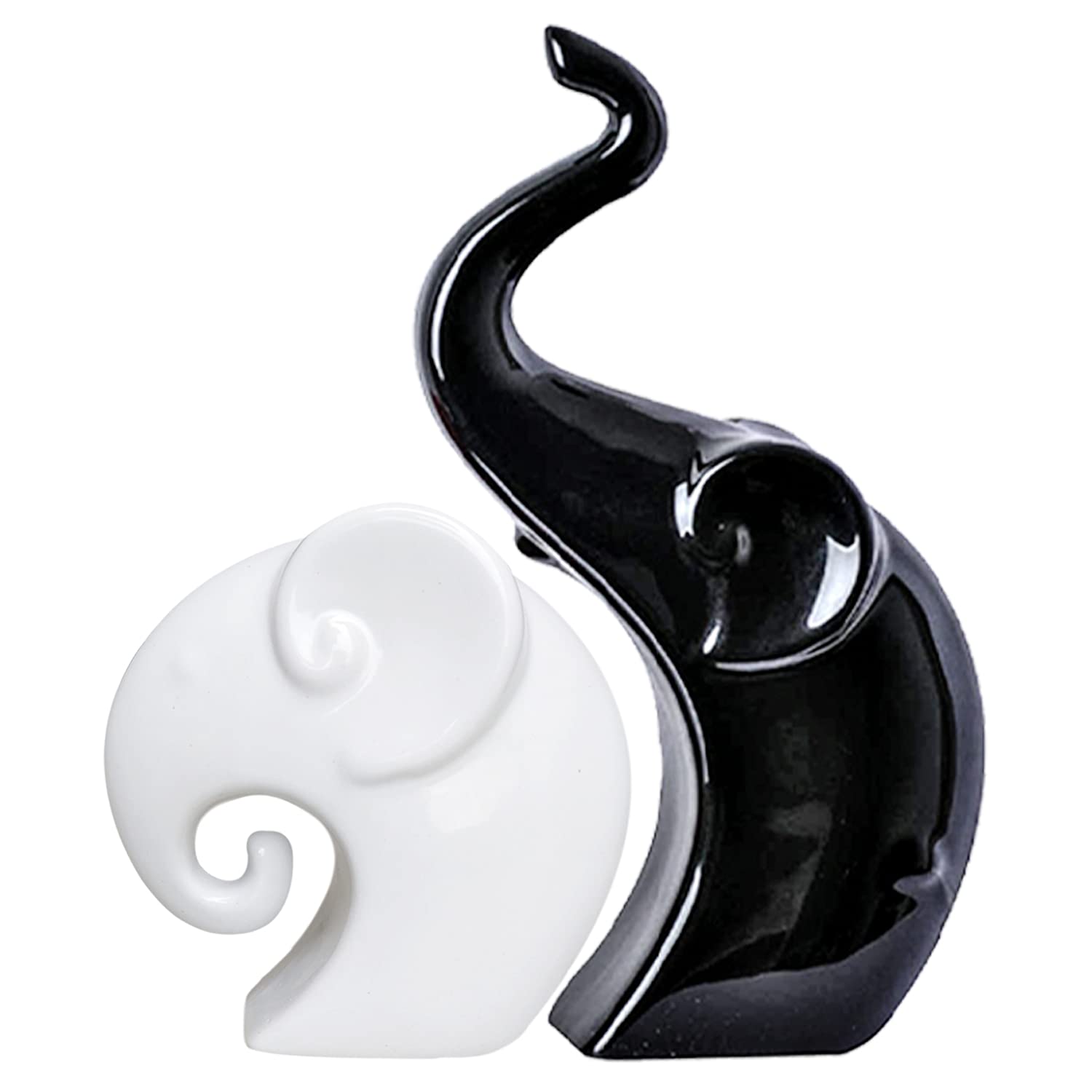
Let's start with the star of the show—your table! Creating an inviting tablescape doesn't mean you need to channel your inner Martha Stewart every Tuesday night. Start with a simple runner or placemats that make you happy. Add a low centerpiece (because nobody wants to play peek-a-boo during dinner conversations) like a bowl of lemons, a small plant, or candles that aren't tall enough to set the ceiling on fire. Pro tip: if your centerpiece prevents you from seeing your dining companion's eyebrows, it's too tall! Mix and match dishes if matching sets make you yawn, and suddenly even your leftover spaghetti feels like a five-star experience. Or better yet, create a pop of intrigue right in the middle with a Modern ceramic vase centerpiece for small dining tables — perfect for small tables thanks to their lightweight and vibrant finish.

Picture this: You've prepared a feast fit for royalty, but your guests are squirming like toddlers during naptime because your chairs feel like medieval torture devices. Not the vibe we're going for! Invest in chairs that actually welcome bottoms, not punish them. Add cushions in fabrics that can handle the occasional spaghetti sauce incident. And here's a fun twist—try mixing chair styles! Who said all chairs need to match? It's 2024, not 1954. Your rebellious mismatched chairs will be the talk of the town (or at least of your dinner party). Pair them with Small artistic showpieces that enhance eclectic dining seating to unify your seating area with charming personality.
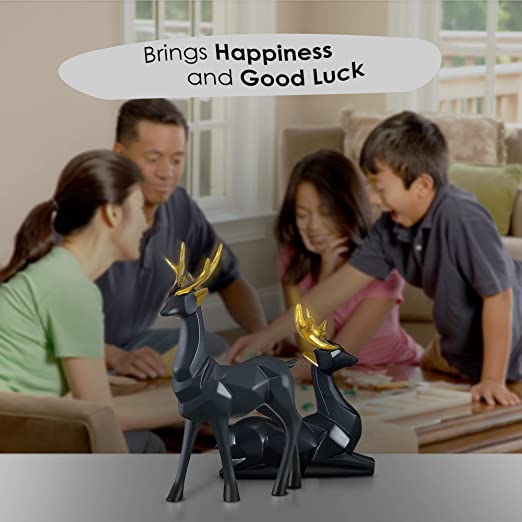
The quickest way to kill the mood in a dining room? Lighting that makes everyone look like they're auditioning for a zombie movie. Aim for that golden middle ground: bright enough to see what you're eating (important for olive pit detection) but soft enough to make everyone look their best. A dimmer switch is your best friend here—bright for family taco nights, dimmed for romantic dinners or when you want to hide the fact that you haven't dusted in weeks. Pendant lights or a chandelier centered over your table creates a focal point that says, "Important eating happens here!" For added drama and contemporary charm, layer your lighting with a Gloss-finish resin showpiece for contemporary dining ambiance.

Did you know colors can actually affect your appetite? It's true! Reds, oranges, and yellows can stimulate hunger (there's a reason McDonald's didn't go with a calming blue logo). For a cozy, intimate dining space, rich, warm colors like terracotta, deep green, or warm gray can create a restaurant-worthy vibe. If painting walls feels too committed, try colorful art, curtains, or table linens. And if you're on a diet, maybe avoid red altogether—unless sabotaging your weight loss goals with second helpings is part of the plan! Consider Warm-toned wall hangings as color accents for cozy dining rooms to introduce inviting hues without lifting a paintbrush.

While there's nothing wrong with a good food pun on your wall (who doesn't love a good "Bon Appétit" sign?), consider thinking outside the breadbox. Food-themed art is a natural fit—vintage produce ads, abstract fruit compositions, or black-and-white photos of Italian grandmothers making pasta will all make your stomach and your eyes happy. Just avoid anything too realistic—nobody needs to make eye contact with a giant photorealistic shrimp while eating dinner. That's just awkward for everyone, especially the shrimp. Instead, elevate your atmosphere with Abstract artistic showpieces perfect for lively dining walls that speak volumes without saying a word.

Got a dining space the size of a postage stamp? Fear not, tiny-room dweller! Round or oval tables are your new best friends—they fit more people in less space and eliminate those pesky corners that bruise hips. Wall-mounted drop-leaf tables that fold down when not in use are practically magic. Consider benches that tuck under tables or chairs that stack when company leaves. And mirrors! Mirrors are like the Spanx of interior design—they make everything look bigger and more impressive than it actually is. Add charm with Compact resin showpieces designed for tiny dining nooks that offer style without swallowing space.

A sideboard, buffet, or credenza isn't just pretty furniture—it's the Swiss Army knife of dining rooms. Store your "good" dishes that only come out when your judgy mother-in-law visits. Display photos, plants, or that weird art piece you bought on vacation. Serve food buffet-style for larger gatherings. Hide evidence of your online shopping addiction. The possibilities are endless! Choose one with both closed storage (for hiding ugly-but-necessary items) and open shelves (for displaying things that make you look cultured). Finish it with Small tabletop decor items perfect for buffet shelf styling that elevate your utility furniture into an art statement.

The dining room rug debate is as passionate as pineapple on pizza. Pro-ruggers love the warmth, color, and sound absorption. Anti-ruggers point to food spills and chair movement. If you go pro-rug, choose something dark and patterned (to hide inevitable stains), flat-weave (so chairs move easily), and easily cleanable (because life happens). Size-wise, make sure it extends at least 24 inches beyond the table edge so chairs don't do that annoying half-on, half-off dance. And if you have small children or are particularly clumsy, maybe just embrace bare floors for a few years—your sanity will thank you. Complement your rug or bare floors with Handmade decor accents as elegant rug companions under tables that anchor your space.
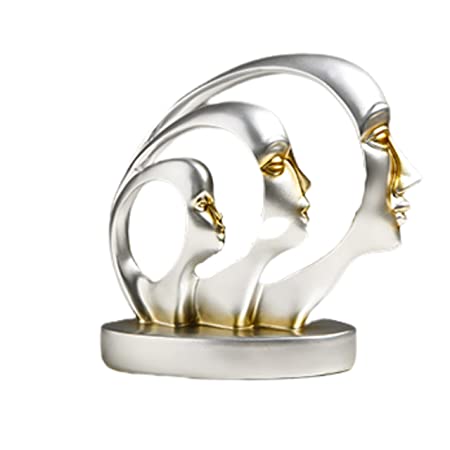
Nothing ruins a pleasant meal like being blinded by the setting sun or feeling like you're on display for the neighbors. Window treatments solve both problems while adding softness and style. Sheer curtains diffuse harsh light while maintaining privacy. Roman shades offer clean lines for modern spaces. Dramatic floor-length drapes add instant elegance. Whatever you choose, make sure it can handle the occasional splash from the nearby sink or the mysterious sticky fingers that somehow materialize even in child-free homes. Let your style spill toward nature with Unique showpieces as companion decor to dining window areas that echo the vitality of your fabrics.

Plants bring life to dining spaces, literally! But nobody wants the responsibility of keeping fussy flora alive. Choose hardy specimens like pothos, snake plants, or ZZ plants that forgive neglect and don't mind occasional dim conditions. A large statement plant in the corner adds drama, while small pots of herbs on the windowsill provide both beauty and ingredients. Fake plants have come a long way, so if your thumb is more black than green, high-quality faux options are no longer the tacky plastic monstrosities of the past. You can also style them alongside a Decorative ceramic vase for herb display in cozy dining rooms to make even store-bought basil look elegant.

The difference between a dining room that feels like a furniture showroom and one that feels like home? Personal touches! Display grandma's china, hang family photos, showcase travel souvenirs, or feature your children's art in respectable frames (suddenly macaroni art looks downright sophisticated!). These items spark conversation and make the space uniquely yours. After all, the best dining rooms tell a story about the people who gather there—whether that story involves inherited silver or your collection of Star Wars drinking glasses. Add to your tale with Antique-style resin decor that adds personal charm to dining rooms that tell stories of your heart and heritage.
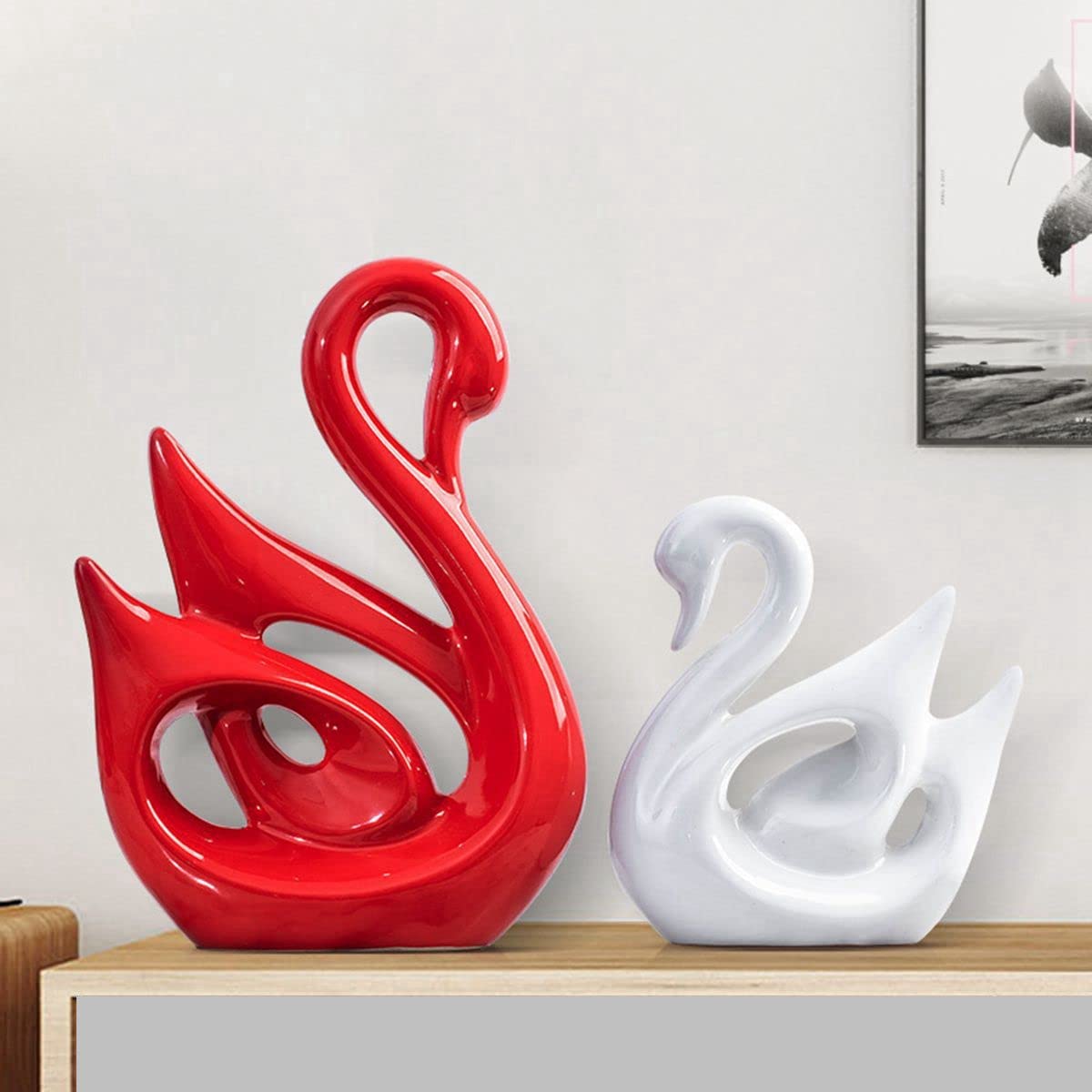
Creating an inviting dining space isn't about following rigid rules or achieving magazine-worthy perfection. It's about creating a place where people want to linger, where food tastes better, and where memories are made between bites. The most successful dining rooms balance function (can everyone sit comfortably and see each other?) with personality (does this feel like us?). So mix the old with the new, the high with the low, the perfect with the slightly-imperfect. Because the truth is, the most important ingredient in any dining room isn't the furniture or decor—it's the people gathered around the table. Though Large corner showpieces that tie together your dining room story certainly help that story come to life!
Food-related art is always a safe bet—vintage food advertisements, still life paintings of fruit or wine, or black and white photographs of market scenes all make thematic sense. But don't feel limited! Family photos, landscapes that make you happy, or abstract pieces in colors that complement your space work beautifully too. The best rule is scale—large walls need larger pieces or gallery arrangements, while small spaces do better with fewer, more impactful choices. Whatever you choose, hang it at eye level of a seated person so everyone can enjoy it during meals.
Beyond the obvious table and chairs, several accessories elevate a dining space from functional to fabulous. A buffet or sideboard provides crucial storage and serving space. Good lighting (preferably with a dimmer) creates ambiance. Table linens—even simple placemats and napkins—add color and texture. A centerpiece, whether a plant, candles, or decorative bowl, anchors the table when it's not set for meals. And don't forget serving pieces that make you happy to use them—interesting salt and pepper shakers, a water pitcher, or a bread basket can be both practical and decorative.
In small spaces, round or oval tables are clear winners. They eliminate sharp corners (saving your hips from bruises), can often seat more people than their square counterparts of the same square footage, and create better flow in tight spaces. Round tables also promote conversation since everyone can see everyone else. If you frequently host larger gatherings, consider a round table with an extension leaf that transforms into an oval when needed. Square or rectangular tables can work in small spaces too, especially if pushed against a wall when not in full use.
Warm colors naturally create a cozy, intimate atmosphere perfect for dining spaces. Rich reds stimulate appetite and conversation, while terracottas and burnt oranges add warmth without being too intense. Deep blues and greens create elegant, enveloping spaces that feel like upscale restaurants. If you prefer neutral walls, add warmth through wood tones, textiles, and lighting. The color of your light matters too—bulbs with a color temperature around 2700K-3000K cast a warm, flattering glow that makes both the food and the people look their best. Whatever color you choose, the ability to dim your lights instantly increases the coziness factor!


