
Cart
So you've got a restaurant dream but your space is more "cozy nook" than "grand ballroom" - and your budget matches! Don't worry, my friend, you're in good company. Some of the world's most beloved eateries could barely fit a basketball team. The secret? Smart design that turns those space limitations into character! Whether you're launching a hole-in-the-wall taco spot or a mini café with massive ambitions, I'm about to show you how to transform your compact culinary kingdom into an Instagram-worthy hotspot without breaking the bank. Because let's face it – in the restaurant world, it's not the size of the space that matters, but how cleverly you decorate it! You can start by incorporating Stunning Abstract Showpieces for Small Restaurant Decoration on a Budget to inject personality and create cozy visual interest in tight corners.
Mirrors aren't just for checking if you've got sauce on your face – they're magical space-expanders! Strategic mirror placement can double your visual square footage faster than you can say "optical illusion." Mount a large mirror opposite your window to bounce natural light around, or create a gallery wall of thrifted vintage mirrors for a space that suddenly feels like it could host a small wedding reception. Pro tip: check second-hand stores and online marketplaces where people are practically giving away mirrors because they're "too old-fashioned." Their loss is your budget-friendly gain! Just be careful with placement—you don't want guests watching themselves awkwardly slurp noodles during their entire meal! Enhance this effect by pairing mirrors with Artistic Wall Hangings to Brighten Up Narrow Restaurant Designs.
Nothing kills restaurant vibes faster than lighting that makes your place feel like a hospital cafeteria. String lights aren't just for college dorms anymore—they're restaurant magic on a string! Weave them around exposed beams, drape them across ceilings, or stuff them into clear glass jars for instant ambiance. Hit up after-holiday sales for crazy discounts, or check construction sites for industrial-style pendant lights they might be tossing. Remember: dim lighting not only creates atmosphere but also makes your tiny space feel intimate rather than cramped. Plus, everything (and everyone) looks better in warm, gentle lighting—including your budget-friendly furniture and that customer on their awkward first date! Consider adding Modern Style Resin Showpieces for Warm Lighting in Small Cafes to tables for a curated glow effect.
When floor space is as precious as truffle oil, the only way to go is up! Transform blank walls into functional showstoppers with floating shelves displaying vintage kitchenware, potted herbs, or local artwork. Install a living wall of budget-friendly plants (real or fake—we won't tell), or create a vertical menu board that doubles as wall art. Wall-mounted wine racks not only store your bottles but create an instant upscale vibe. Just remember the golden rule of tiny restaurant spaces: if it can hang instead of stand, hang it! Your servers' shins will thank you for the lack of obstacles to navigate while carrying hot plates of food! Maximize your upward décor with Tall Showpieces to Elevate Empty Restaurant Corners Stylishly.
In small restaurant spaces, every piece of furniture should work harder than your head chef on Valentine's Day. Seek out storage benches where customers sit while secretly hiding your extra napkins and condiments. Invest in nesting tables that can be arranged for couples or pulled apart for larger groups. Foldable, stackable, or convertible—these are the magic words for your furniture shopping list. That antique trunk? It's now your host stand that secretly stores menus and cleaning supplies. Remember: in the small restaurant game, anything that can't pull double-duty is just taking up valuable real estate. Marie Kondo would be so proud! Even your decorative elements can serve a dual purpose—like Compact Decorative Showpieces for Small Tables in Cozy Restaurants.
Paint is hands-down the most affordable way to transform your space, but choose wisely—your color palette is secretly controlling your customers' minds! Light colors like soft whites, pale blues, and gentle greens make walls recede, creating an airier feel. Want to get fancy? Try painting the ceiling a slightly lighter shade than the walls to create the illusion of height (goodbye, cramped feeling!). Feeling bold? A single accent wall in a vibrant color creates depth and personality without overwhelming your tiny space. The best part? A few gallons of paint cost less than one fancy commercial espresso machine and will completely transform your space from "meh" to "magical" faster than you can say "table for two!" Also, color-coordinated Subtle & Vibrant Modern Wall Art for Budget Restaurant Design can extend the color story seamlessly.
Matching furniture sets are so...hotel conference room. Instead, embrace the eclectic charm of thrifted finds that tell a story! That mismatched collection of wooden chairs? Unify them with a simple coat of paint in your signature color. Those odd vintage frames? Perfect for displaying your menu or food photographs. The secret is curating your thrifted finds around a loose theme—mid-century modern, industrial chic, or rustic farmhouse—so it looks intentional rather than like you furnished your place with whatever you found on the curb (even if you did). Your bank account will thank you, and customers will be snapping photos of your "carefully curated vintage aesthetic" faster than they can upload to Instagram! Pair those finds with Affordable Hanging Decorative Items for Restaurant Accent Walls to tie everything together.
In tiny restaurant spaces, dividers aren't just practical—they're psychological wizardry that creates the illusion of distinct areas without actual walls. Repurpose old window frames by hanging them from the ceiling with rope or chains. String up macramé plant hangers as bohemian separators. Even something as simple as strategically placed potted plants can define waiting areas from dining zones. The goal is to create distinct "rooms" within your small space without blocking sightlines or light flow. This way, your four-table restaurant suddenly feels like it has multiple dining experiences! Just remember to secure everything properly—nothing ruins a romantic dinner faster than a macramé plant holder falling into someone's soup! Maintain visual flow with Sculptural Home Decor Dividers for Small Room Restaurant Spaces.
Blank walls scream "we just opened and have no personality yet!" But art doesn't have to drain your startup capital. Host a contest for local artists to display their work (with your right to keep it displayed for a set period). Print oversized black and white photos at copy shops and frame them in thrifted frames painted to match. Or create a community wall where customers add postcards from their travels for an ever-evolving art installation that costs you nothing. When it comes to small spaces, larger art pieces actually work better than gallery walls of tiny frames—they create focal points that draw the eye outward, making the space feel larger. Whatever you choose, make sure it reflects your restaurant's personality. That generic "Hang in There" cat poster? Leave it in the 90s where it belongs! Or go for Oversized Modern Home Decor for Budget Wall Transformation.
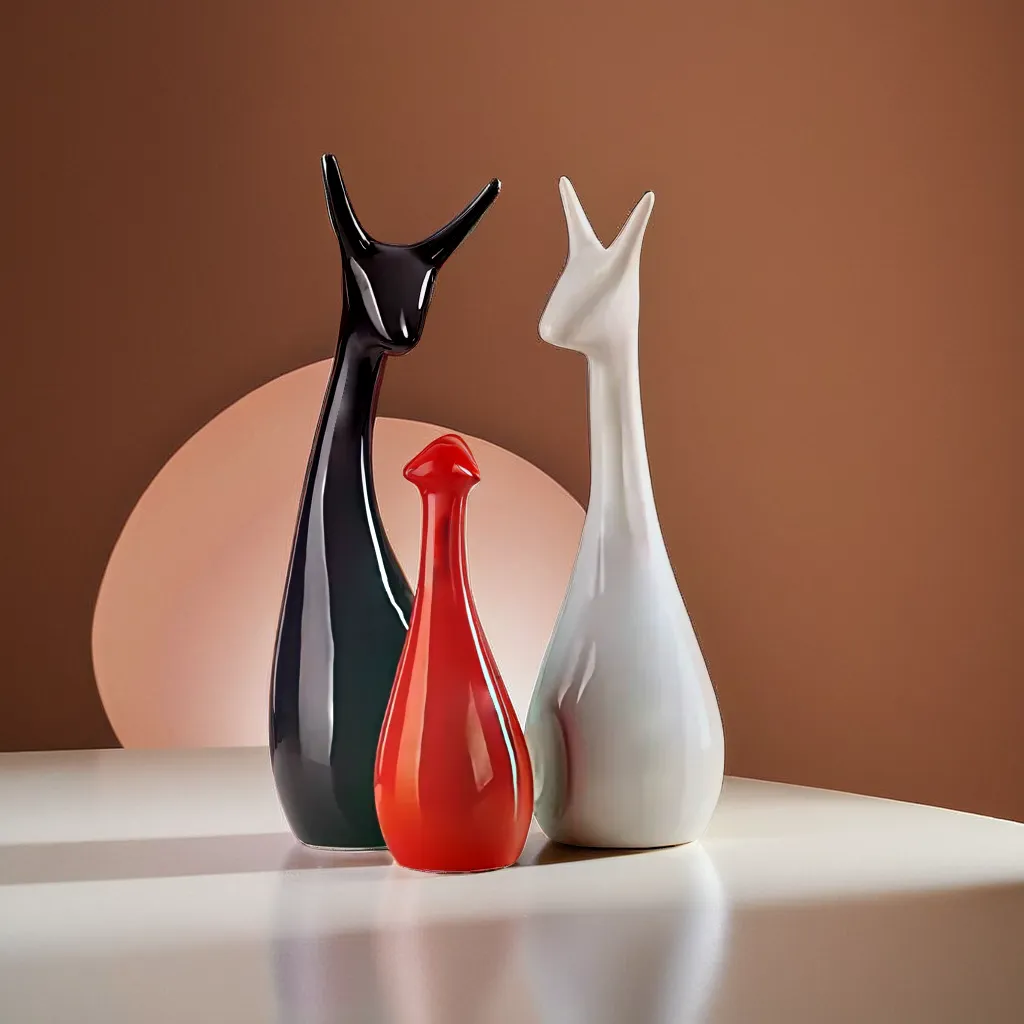
In small restaurant mathematics, the equation is simple: more seats = more revenue. But cramming tables together until customers can pass salt shakers without getting up defeats the purpose of creating an enjoyable dining experience. Instead, get creative with table arrangements! Consider built-in banquette seating along walls that maximizes corner spaces. Opt for narrower tables (24 inches wide can work for casual dining) with comfortable chairs. Round tables are more space-efficient than square ones when seating odd numbers. And don't forget the power of rail seating along windows or walls—perfect for solo diners or couples who enjoy people-watching with their paninis! Your goal is finding that sweet spot between "cozy" and "is that stranger going to eat off my plate?" Add charm with Mini Ceramic Showpieces for Tabletop Accent in Small Cafes.
If your kitchen is basically in your dining room because, well, there was no other choice—embrace it! An open kitchen isn't a space limitation; it's dinner and a show! Install a countertop bar with stools where customers can watch the cooking action up close. This transforms your space constraint into an immersive dining experience customers will actually pay premium for. Invest in attractive cookware that can hang from ceiling racks (functional storage that doubles as decor!), and train your kitchen staff to work with the precision and flair of performers. Suddenly, your tiny kitchen isn't a cramped afterthought—it's the starring attraction that has customers booking weeks in advance to sit at the "chef's counter." That sizzling sound? It's your small space strategy working its magic! Complement the ambience with Modern Accessories for Stylish Open Kitchen Design in Small Restaurants.
Let's talk about the room everyone uses but restaurant owners often forget to decorate: the bathroom! In small restaurants, this tiny space can actually become a memorable feature rather than an afterthought. A bold wallpaper that would be overwhelming elsewhere can turn your bathroom into a selfie destination. Replace boring mirrors with vintage or uniquely framed ones. Add a small shelf with fresh flowers, fancy hand soap, and perhaps a witty framed quote. The bathroom is where guests judge your cleanliness standards, so make it spotless, but also make it special! For the cost of one fancy linen tablecloth, you can transform this utilitarian space into something guests will actually mention in their reviews. Remember: in the age of social media, a photogenic bathroom might just become your most effective marketing tool—who knew! Finish strong with Resin Decorative Pieces for Stylish Look in Small Restaurant Washrooms.
There you have it, restaurant dreamers! Proof that you don't need a massive space or unlimited budget to create a dining destination with character and charm. Your small restaurant isn't limited—it's intimate! It's not budget-constrained—it's resourcefully designed! The most memorable dining experiences often happen in the smallest, most character-filled spaces where the passion of the owner shines through every carefully considered detail. So embrace your cozy corners, celebrate your space limitations as design opportunities, and watch as your tiny restaurant becomes the big talk of the town. Remember: in restaurants, as in life, it's not the size that matters—it's what you do with it that counts!
Design a small restaurant by emphasizing vertical space, using multi-functional furniture, and creating zones with clever dividers. Start with a cohesive color scheme that makes the space feel larger (light colors work wonders!), strategically place mirrors to expand visual space, and invest in proper lighting to set the mood. Keep traffic flow in mind—imagine your servers carrying hot plates during a dinner rush when placing tables. Remember, in small restaurants, every square inch should serve both a functional and aesthetic purpose. The goal isn't to see how many tables you can cram in, but how to create an intimate, memorable experience that makes guests forget they're in a small space!
Beautify your restaurant by focusing on cohesive elements that tell your brand story. Start with an affordable statement piece—maybe a striking light fixture or a bold accent wall—then build around it. Plants add life and texture while improving air quality. Thoughtful tabletop elements like unique salt and pepper shakers or mason jar candle holders create charm without major investment. Consider unexpected touches like clipboard menus, vintage serving dishes, or framed recipes from your chef's grandmother. The key is consistency in your design language—even mismatched elements should feel intentionally curated rather than randomly assembled. And remember, cleanliness is the foundation of beauty in restaurant spaces—no design element can outshine sticky tables or dusty corners!
Design a very small cafe by embracing its coziness as a feature, not a bug! Focus on counter service rather than full table service to maximize space. Install a combination of seating options—window bars for solo customers, a couple of small tables, maybe one comfy corner with an armchair for those staying longer. Use wall space for menu boards and consider a simplified, focused menu that doesn't require extensive kitchen equipment. Lighting is crucial—pendant lights over specific areas create zones without walls. Consider a color palette that flows from floor to ceiling to create continuity. And don't forget the power of scent—the aroma of fresh coffee and baked goods creates an atmosphere no decoration can match. In tiny cafes, the experience should feel like a warm hug, not a crowded elevator!
The best restaurant layout depends on your service style and available space, but for small restaurants, a combination layout often works best. Consider a perimeter layout with banquette seating along walls to maximize corners, paired with flexible center tables that can be reconfigured for different party sizes. Open kitchen designs work wonderfully in small spaces by turning food preparation into entertainment. For very narrow spaces, a linear layout with a long communal table or bar seating might be ideal. Whatever layout you choose, maintain a clear path for servers (minimum 36 inches) and ensure there's some variety in seating options—from intimate corners to small group tables. The perfect layout balances maximum seating capacity with comfortable personal space, while supporting efficient service flow.
Yes, small cafes can be highly profitable due to lower overhead costs! Their limited space means reduced rent, utilities, staffing needs, and initial investment. A well-located small cafe with the right concept can actually generate higher profit per square foot than larger establishments. The key is establishing the right balance between volume and margins—specialty coffees, fresh-baked goods, and simple breakfast items typically offer excellent profit margins. Focus on creating a signature experience that drives repeat business and encourages takeout orders (which require no seating space). The intimate atmosphere of small cafes often fosters stronger customer relationships and loyalty. Like any business, success depends on location, concept execution, and management—but size limitations can actually become financial advantages with the right strategy!
While there's no universal minimum size requirement, a viable cafe can operate in as little as 300-500 square feet! The absolute minimum depends on local health department regulations, which typically focus on bathroom requirements, food preparation areas, and accessibility compliance rather than total square footage. For a basic operation, you'll need space for counter/service area (40-60 sq ft), minimal food prep (50-100 sq ft), storage (30-50 sq ft), and customer seating (allocate about 15 sq ft per customer). Remember that not all customers need seating—many cafes thrive on takeout business. Some of the world's most famous cafes started in tiny spaces that barely fit 10 customers! The key isn't how big your space is, but how smartly you design its workflow and atmosphere to deliver your unique cafe experience efficiently and memorably.


