
Cart
Let's face it—creating a cozy love nest doesn't require a degree in interior design or emptying your wallet faster than you can say "relationship goals." Whether you've just moved in together or are looking to refresh your shared sanctuary, the right essentials can transform your couple's room from just another space into the heartbeat of your home. No complicated DIY projects or fancy designer names needed—just simple, practical ideas that'll make both of you smile every time you walk through the door!
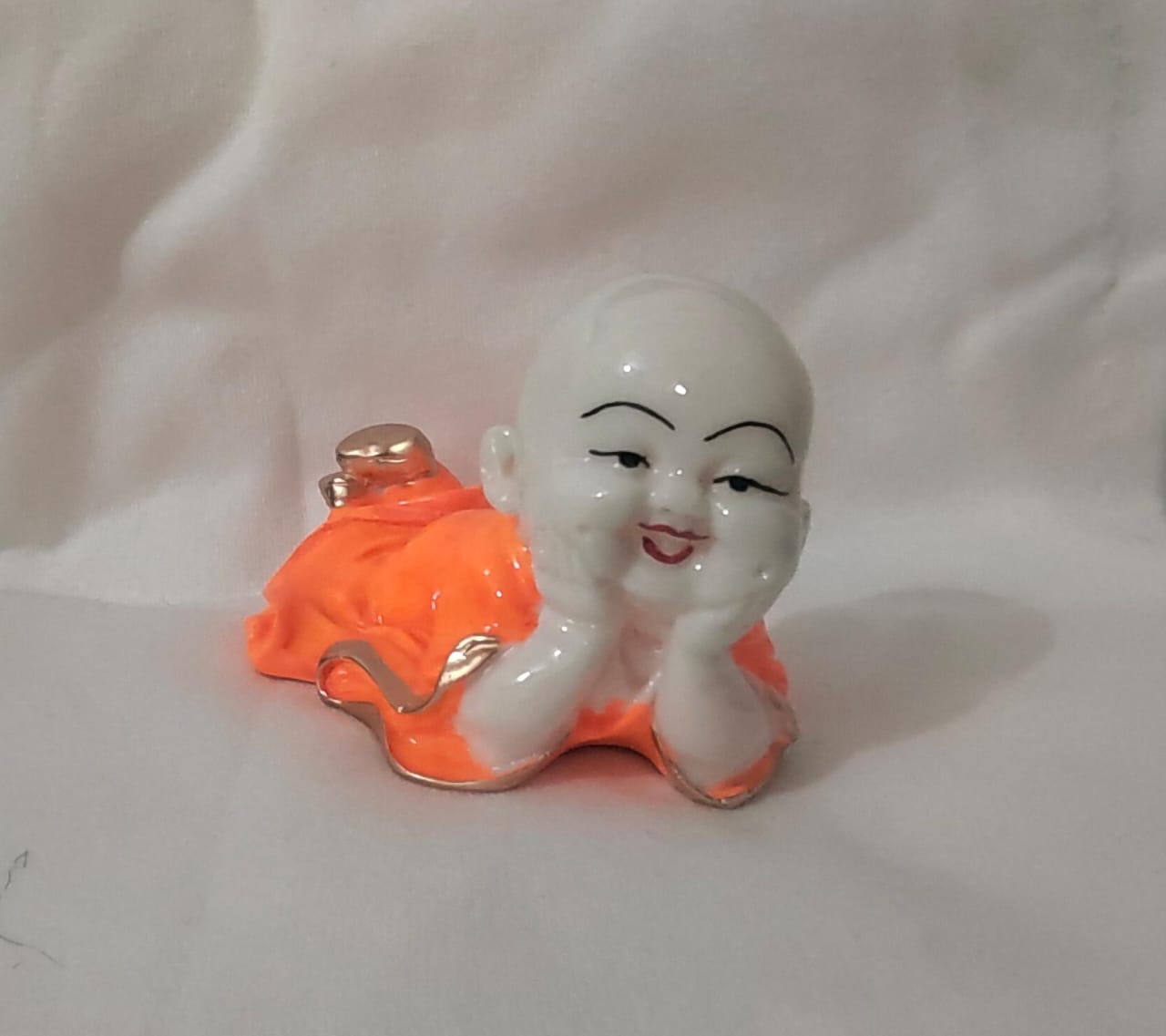
Creating a couple's room is like making the perfect smoothie—you need just the right blend! Aim for that sweet spot where both your personalities shine through without starting World War III over decorating choices. Try the "three-zone approach": some things that scream "you," some that are totally "them," and plenty that represent your journey together. That superhero poster? Perhaps it belongs in the home office. Her collection of scented candles? Maybe limit it to five (not fifty). Remember, compromise isn't losing—it's winning at adulting together! To add something truly "ours" to your decor, you'd be amazed how a Stunning Ceramic and Resin Vase as Couple Room Centerpiece can act as a grounding element while blending both your styles in subtle or bright color tones.
Let's talk about the centerpiece of any couple's room—that glorious rectangle where you spend a third of your lives! Investing in quality bedding is like investing in your relationship (and your back). Opt for sheets with a thread count between 300-500 (anything higher is just marketing fluff), and choose breathable fabrics like cotton or bamboo. And here's a game-changer: dual-temperature comforters for those couples where one of you is basically a human furnace and the other's constantly reaching for extra blankets. Marriage counselors should prescribe these things! To further elevate your sleep zone, consider placing a Glazed Ceramic Showpiece for Couple Bedroom Ambience on your bedside table for that calming, yet stylish touch that reflects your shared aesthetic.
Nothing kills romance faster than harsh overhead lighting that makes your bedroom feel like a police interrogation room. Layer your lighting like you layer your outfit on a chilly day—lots of options! A dimmer switch on your main light is the MVP of couple's rooms, followed closely by matching bedside lamps (bonus points if they have USB ports). Add some string lights over the headboard for that "Instagram-worthy but we actually live like this" vibe. Remember: good lighting can make both of you look five years younger—cheaper than botox! Enhance that layered lighting effect with a Matte Finish Small Decorative Showpiece for Cozy Shelf Corners that naturally reflects soft light, creating a romantic glow.
Living together means double the stuff in the same amount of space—a mathematical problem that's tested many relationships. The solution? Smart storage that doesn't make your room look like a warehouse. Under-bed storage containers are relationship savers (especially for seasonal clothes), while floating shelves add storage without sacrificing floor space. And let's be honest—nothing says "true love" like willingly giving up 60% of the closet space when you actually own 70% of the clothes. Better yet, use sleek options like a Resin Abstract Showpiece on Floating Shelves for Simple Couple Room Decor as a practical yet stunning touch that complements your optimized storage style.
Technology in the bedroom is a hot debate—literally and figuratively. If you both enjoy Netflix before sleep, consider a TV that can be hidden when not in use or mounted on the wall to save space. Create a charging station for phones that's not right next to your bed (because scrolling at 2 AM while your partner tries to sleep is how arguments start). And maybe—just maybe—consider making the bedroom a laptop-free zone. Revolutionary concept, I know, but your relationship might thank you! Pair your tech setup with a Modern Design Statue for Couple Bedroom Decor with Style, which harmonizes your gadgets with tasteful ambiance.
Every couple needs a spot in their room for those late-night chats about everything and nothing. A small loveseat or two comfy chairs create a conversation nook that invites both of you to connect without screens. Add a tiny table for coffee mugs or wine glasses, a soft throw blanket, and voilà—you've got a dedicated space for reconnecting that doesn't involve one of you talking while the other one pretends not to be falling asleep in bed. Tie it all together with a Tall Decorative Showpiece for Bedroom Corner Romance that brings both scale and artful sophistication to your shared nook.
Wall art for couples' rooms can be tricky—his vintage car posters might not vibe with her abstract paintings. Find middle ground with pieces that tell your story: a map marking places you've traveled together, framed concert tickets from dates, or photos from your adventures (printed, not just living in the cloud!). Custom pieces that incorporate both your interests create a visual representation of your union. And if all else fails, take turns choosing art for different walls—democracy at its finest! Combine this spirit with an Artistic Wall Hanging Decor for Couple Room Connection that resonates with your shared identity and makes the room sing "you two."
Let's address the elephant in the room—sometimes rooms shared by two humans don't smell like a spring meadow. Create a scent strategy with reed diffusers, linen sprays, or essential oil diffusers in fragrances you both enjoy. Pro tip: clean-smelling scents like cotton, ocean breeze, or light citrus tend to have the highest "both partners approve" rating. And remember—candles aren't just for romance; they're also excellent at eliminating evidence of that spicy dinner you both enjoyed. Match those clean scents with a Decorative Ceramic Item for Fresh Fragrance Display in Couple Room that not only looks stunning but also anchors your aroma strategy with elegance.
Fabrics are the easiest way to add personality, warmth, and comfort to your space without major commitments. Layer different textures to create visual interest: a chunky knit throw on the bed, velvet pillows on the chair, a soft area rug under your feet. The secret is coordination, not matching—think complementary colors rather than "everything must be the exact same shade of blue." And washable is always preferable—because life happens, especially when you share a space! Place a Small Ceramic Showpiece on Table for Touch of Decor Magic on your textiles table for an added flair of cozy charm.
Nothing brings life to a couple's room quite like actual living things! Houseplants improve air quality and give you something to nurture together that doesn't require midnight feedings. If your plant-parenting skills are questionable, start with nearly indestructible options like snake plants, pothos, or ZZ plants. Name them, talk to them, and watch your partner's expression as you explain why "Fernando the Fern" needs to be moved three inches to the left for optimal sunlight. You can elevate your greenery by placing it beside a Nature-Inspired Resin Showpiece for Plant Harmony in Couple Rooms that enhances both the plant and your room’s vibe.
Colors affect mood more than we realize, so choose your palette strategically. Blues and greens promote calm and restfulness, while purples add a touch of luxury. Want to spice things up? Add small pops of red or orange through accessories. The 60-30-10 rule works wonders: 60% of the room in a neutral base color, 30% in a secondary color, and 10% in an accent shade. This formula prevents the "rainbow explosion" look while still keeping things interesting. Complement your color zones by adding an Antique Resin Abstract Piece to Harmonize Couple Room Colors for warmth, texture, and emotional coherence.
The difference between a showroom and a home is in the details that tell your story. Display meaningful mementos—the shell from your beach vacation, the quirky souvenir from your first trip together, or that inside-joke object that makes you both laugh. These items might look like random clutter to visitors, but they're the visual bookmarks of your relationship. Just remember: curate, don't accumulate—or you'll need a bigger room! Showcase your story with Personalized Small Decorative Showpieces for Couple Memories perched on shelves, desks, or even on top of the fridge—compact yet full of meaning.
Your couple's room isn't just where you sleep—it's where you build your life together one day at a time. The most beautiful rooms aren't the ones with the most expensive furniture or trendiest decor; they're the ones filled with comfort, consideration, and touches of both partners. Keep it simple, make decisions together, and remember that this space, like your relationship, will evolve over time. The perfect couple's room isn't built in a day—it grows with you, one memory, one laugh, and one cozy night at a time.
The primary bedroom with an attached bathroom is typically ideal for couples, preferably located away from high-traffic areas of the home. Look for a room with good natural light, sufficient space for a queen or king bed plus two nightstands, and enough wall space for storage solutions. Privacy is key—a room that doesn't share thin walls with common areas will keep both your conversations and, ahem, other activities private. Remember, the best room isn't necessarily the largest—it's the one that offers the right balance of comfort, functionality, and a bit of separation from the rest of the household.
The essential furniture for a couple's bedroom includes a comfortable bed (queen-size minimum, king if space allows), two nightstands (because nobody wants to put their phone and water glass on the floor), adequate clothing storage (whether a dresser, armoire, or built-in closet), and seating like a bench or small loveseat. Consider multi-functional pieces like a storage ottoman that works as both seating and a place to hide extra blankets. Avoid overcrowding the space—your bedroom shouldn't feel like a furniture showroom obstacle course. Each partner should have their own "territory" for personal items while sharing the main pieces harmoniously.
Beyond the basics, many women appreciate having a dedicated vanity area with good lighting for skincare and makeup, full-length mirror, extra pillows and throw blankets for comfort, adequate lighting for reading, and sufficient storage for clothing and accessories. Personal touches like framed photos, meaningful artwork, or plants often make the space feel more nurturing. Many women also value having space for private relaxation—whether that's a cozy reading corner or room for a yoga mat. The key is creating a space that supports both practical needs and emotional well-being, with a balance of functionality and elements that simply bring joy.
Nature-inspired design (also called biophilic design) incorporates elements from the natural world into interior spaces. This approach goes beyond just adding plants—though those are important too! It includes using natural materials like wood, stone, and rattan; choosing earth-toned color palettes; maximizing natural light; incorporating organic shapes and patterns; and even considering the way air flows through the space. The goal is creating environments that satisfy our innate connection to nature, which research shows can reduce stress, improve creativity, and enhance overall well-being. In a couple's bedroom, nature-inspired elements can create a calming retreat that helps both partners relax and recharge.
While there's no universal "right age" for a girl to have her own room, most child development experts suggest that around age six is when privacy becomes increasingly important for healthy development. By this age, children are developing a stronger sense of identity and may benefit from having personal space. However, this timing varies widely based on family circumstances, cultural practices, housing availability, and the individual child's needs. Many families successfully share rooms for much longer, while others provide separate spaces earlier. The key is balancing practical considerations with sensitivity to each child's developing need for autonomy and privacy as they grow.


