
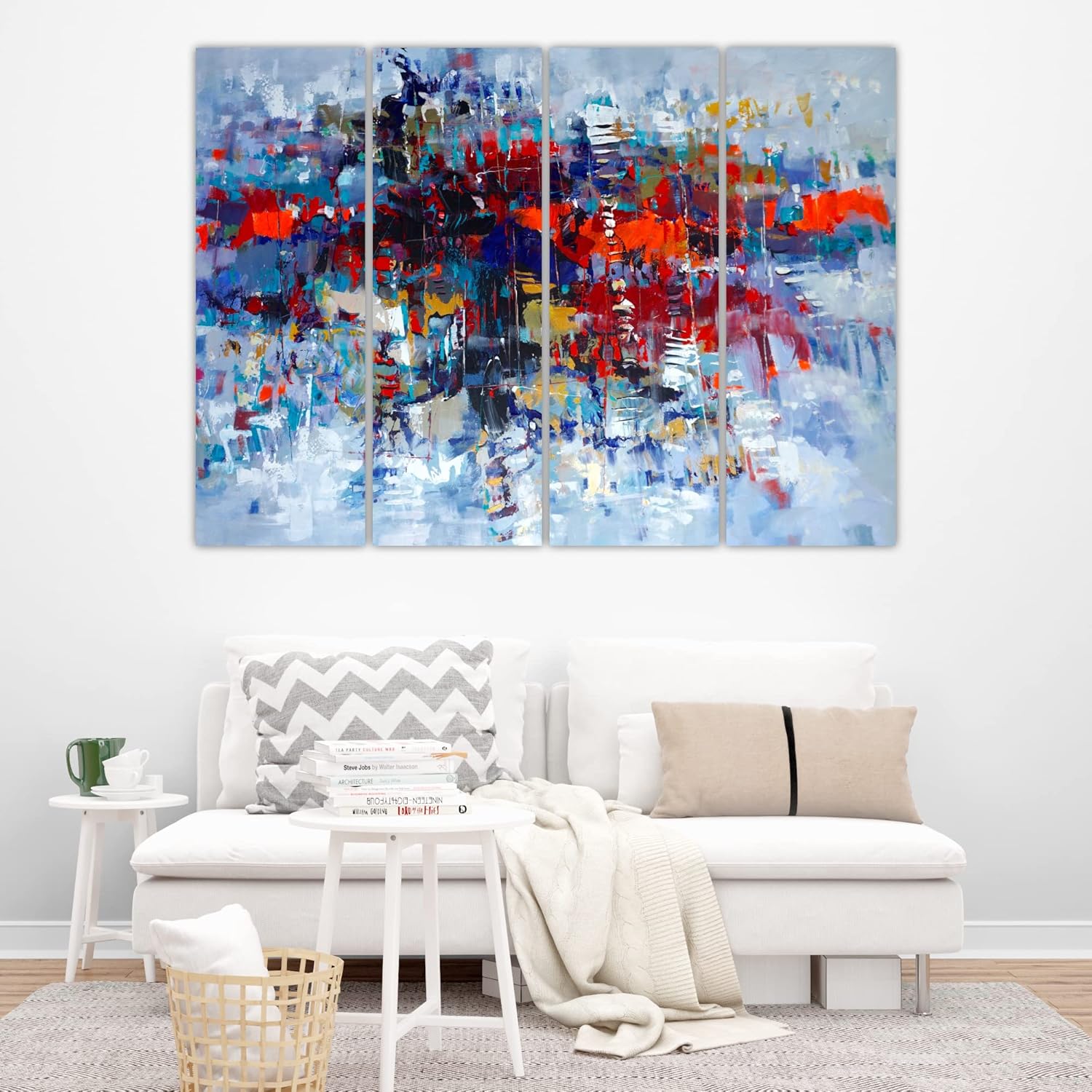
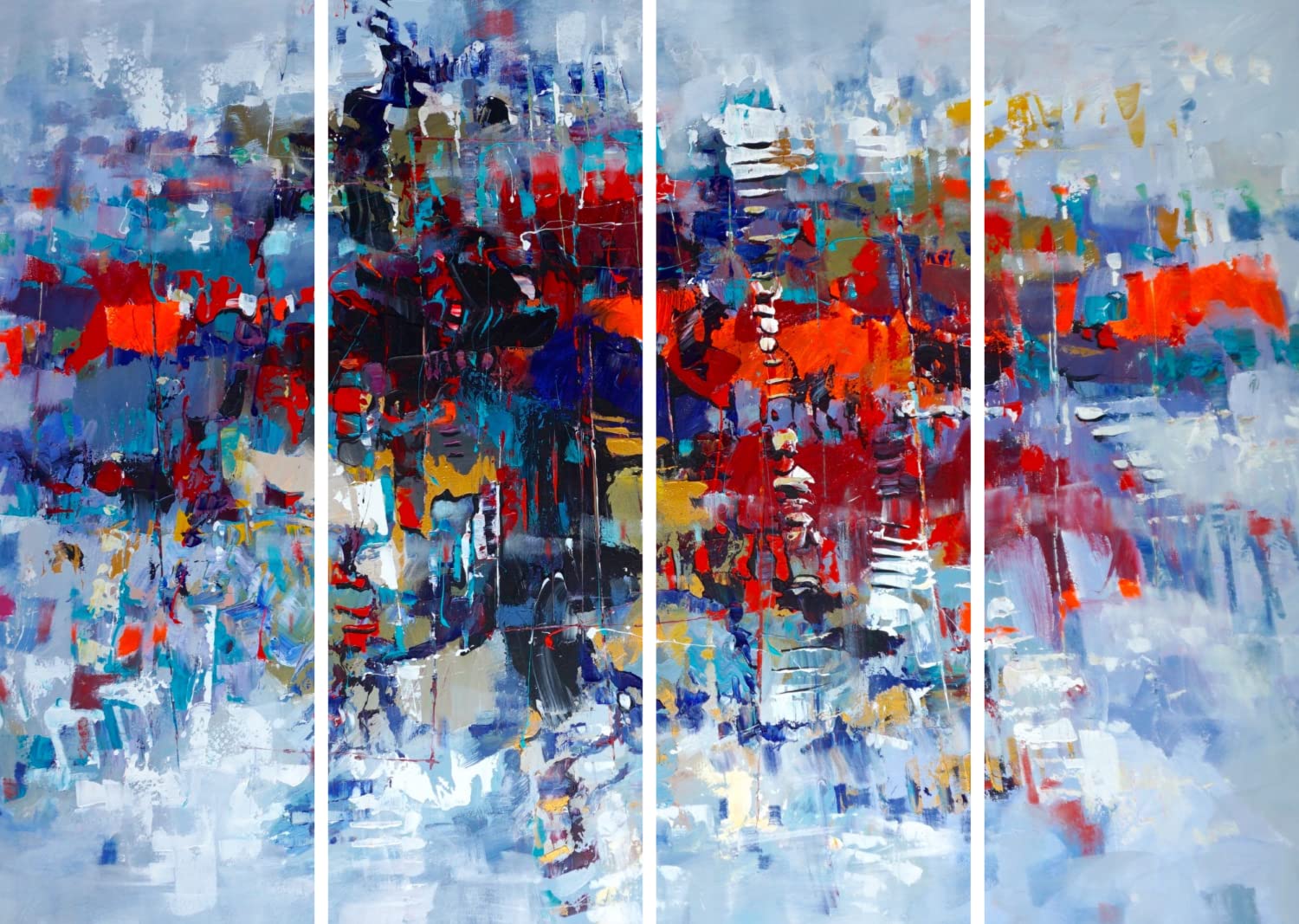
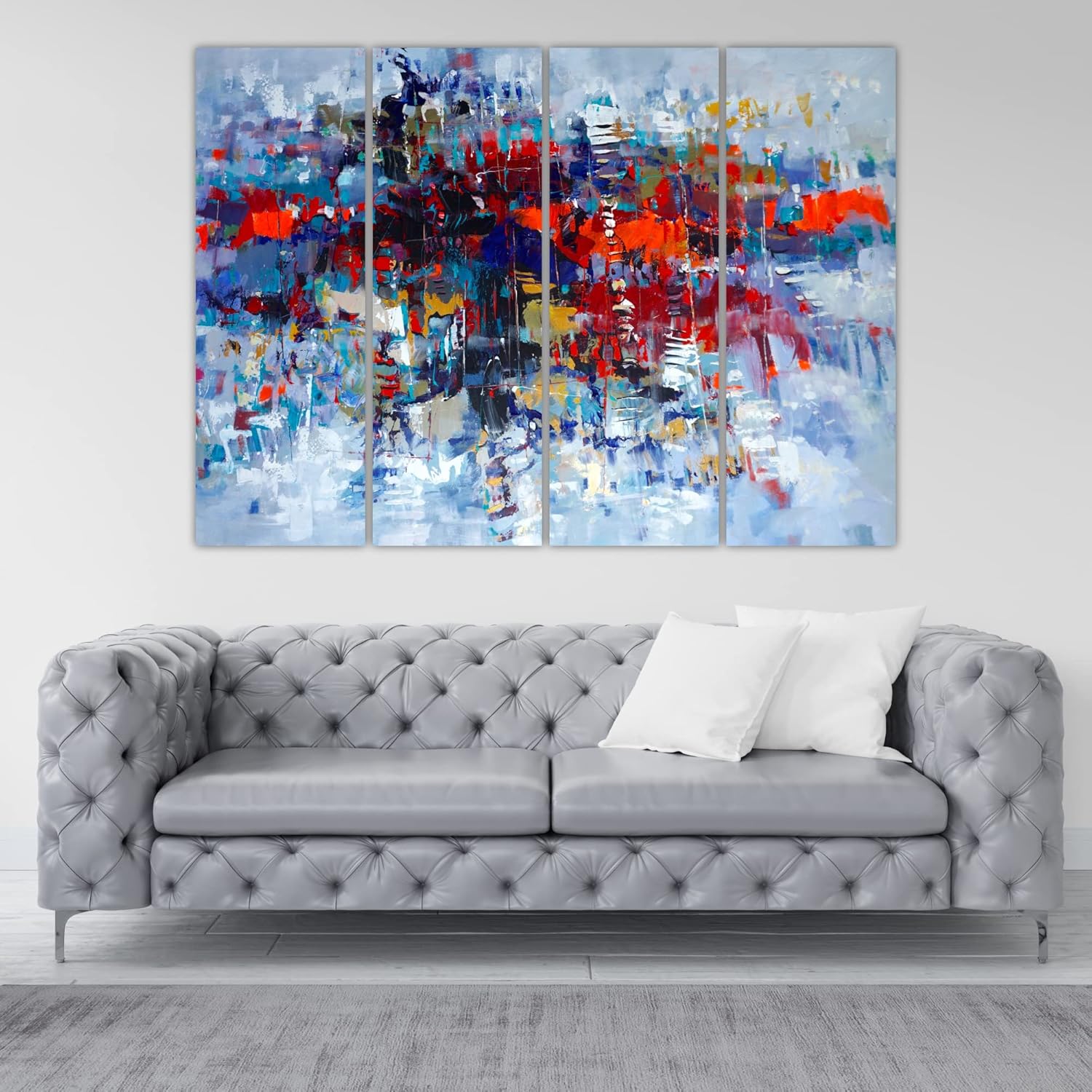

Abstract Framed Fiesta: 4-Piece Multicolor Multiframe Wall Art Extravaganza (84x54cm)
You may also like

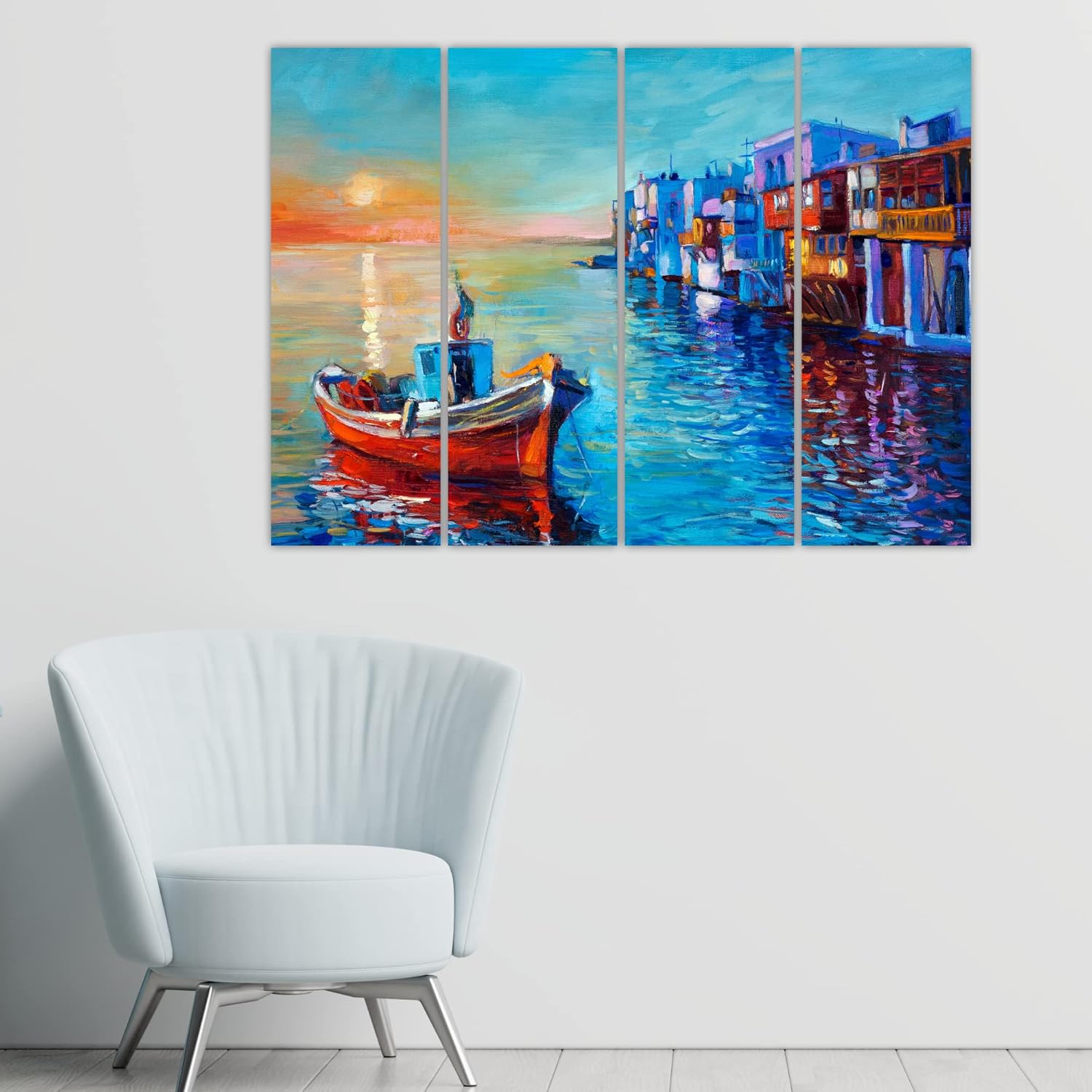
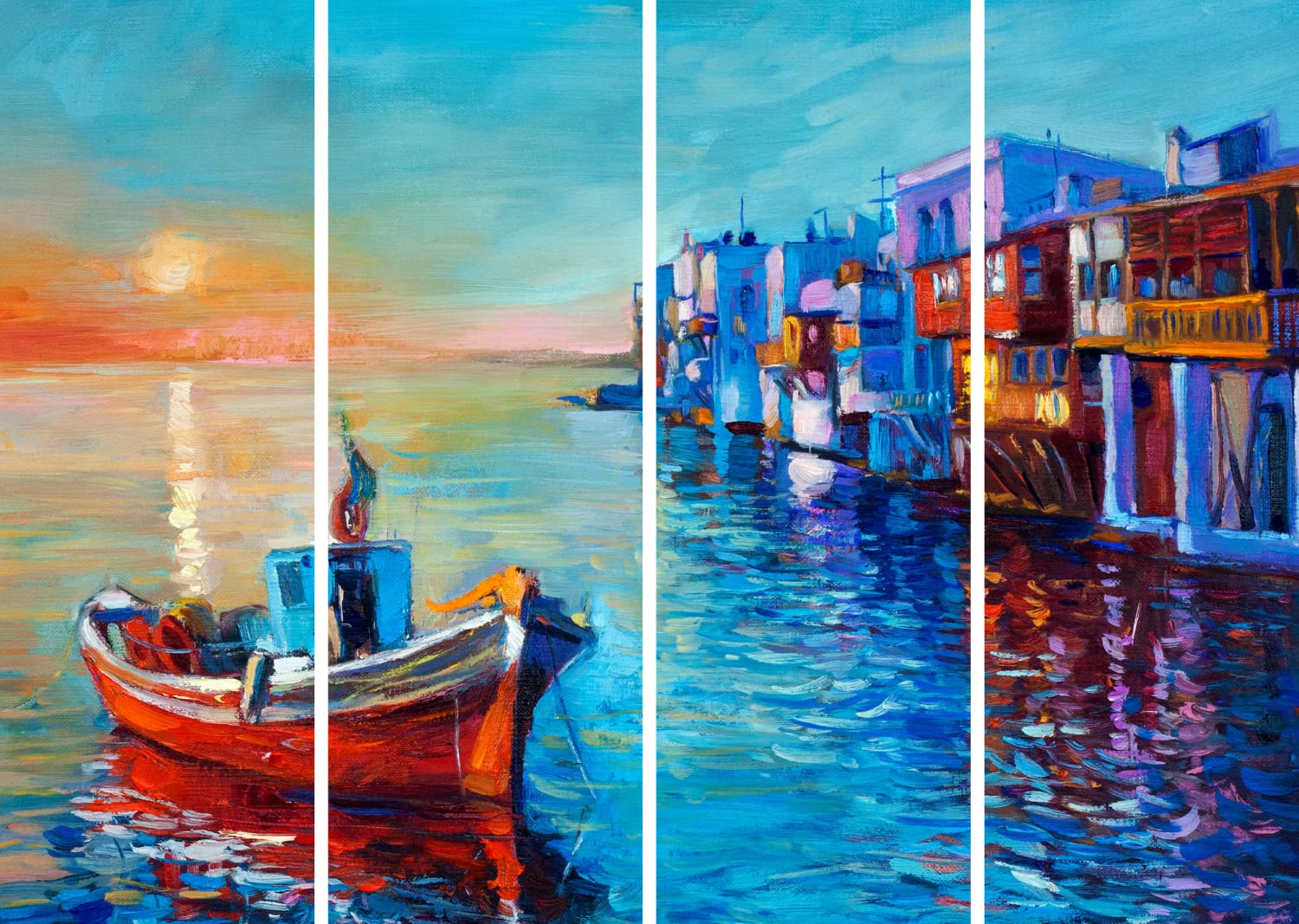
Moolwan 4-Panel Abstract Framed Canvas Wall Art Painting (84x54cm) - Multicolor Expressionist Multiframe Art
You've measured your wall three times. Maybe four. The tape measure says 300cm, but you're still not confident because the sofa takes up most of it, and there's that window on one side. Every guide says something different—some say 60% of wall width, others say match the sofa. None of them account for Indian living room proportions, where walls are often 10-12 feet but broken up by doors, windows, and that corner with the pooja shelf. You keep second-guessing: is 84cm actually right, or will it look like a postage stamp?
Here's the thing about 84cm on a typical 10-foot (305cm) Indian living room wall: it covers roughly 27% of your wall width. That sounds small on paper, but when you factor in that your sofa is probably 180-240cm wide, this canvas spans about 35-45% of your seating area. That's the proportion that works—not overwhelming, not lost.
The Visual Math: How 84cm Fits 10-12ft Walls in Indian Homes
Let's do the actual calculation for your space. If your wall is 305cm (10 feet), and this canvas spans 84cm, you're left with 110cm of wall on each side. That's enough breathing room for the art to anchor the space without crowding your doorway or window frame.
Now compare this to what happens with smaller sizes. A 60cm canvas on the same wall? You're looking at 19% coverage—the kind of proportion that makes guests think you ran out of budget. A 120cm piece? That's 39% coverage, which works beautifully on empty walls but might feel aggressive above a sofa with side tables.
At 84cm, you're in that comfortable middle zone. The 4-panel format actually helps here—it creates visual width beyond its frame measurements because the eye reads the gaps between panels as part of the composition.
Why Blues and Reds Work in Indian Living Rooms (Not Just Online Photos)
Your walls are probably cream, off-white, or that builder's beige that every apartment seems to have. Good news: the dominant blue-gray tones in this abstract piece will create immediate contrast without clashing. Blue recedes visually—it won't jump off the wall in an aggressive way, but it will establish depth.
The red and orange accents running through the center? Those are your conversation starters. Against cream walls, warm accents pop without overwhelming. Under tube lights (which most Indian homes still use in the evening), the reds will appear slightly more saturated, while the blues will cool down. Under morning natural light, the entire piece will look more balanced—this is when you'll see the yellows and whites in the texture.
If your sofa is brown or beige (and statistically, it probably is), the blue-gray palette creates a sophisticated cool-warm balance. If you have a gray sofa, the red accents prevent the room from feeling cold.
Rental-Friendly Mounting: How to Hang Without Losing Your Deposit
Four panels means four mounting points—but here's the good news. At 3kg total (roughly 750g per panel), each piece is light enough for standard picture hooks. You don't need wall plugs, drilling into concrete, or a carpenter.
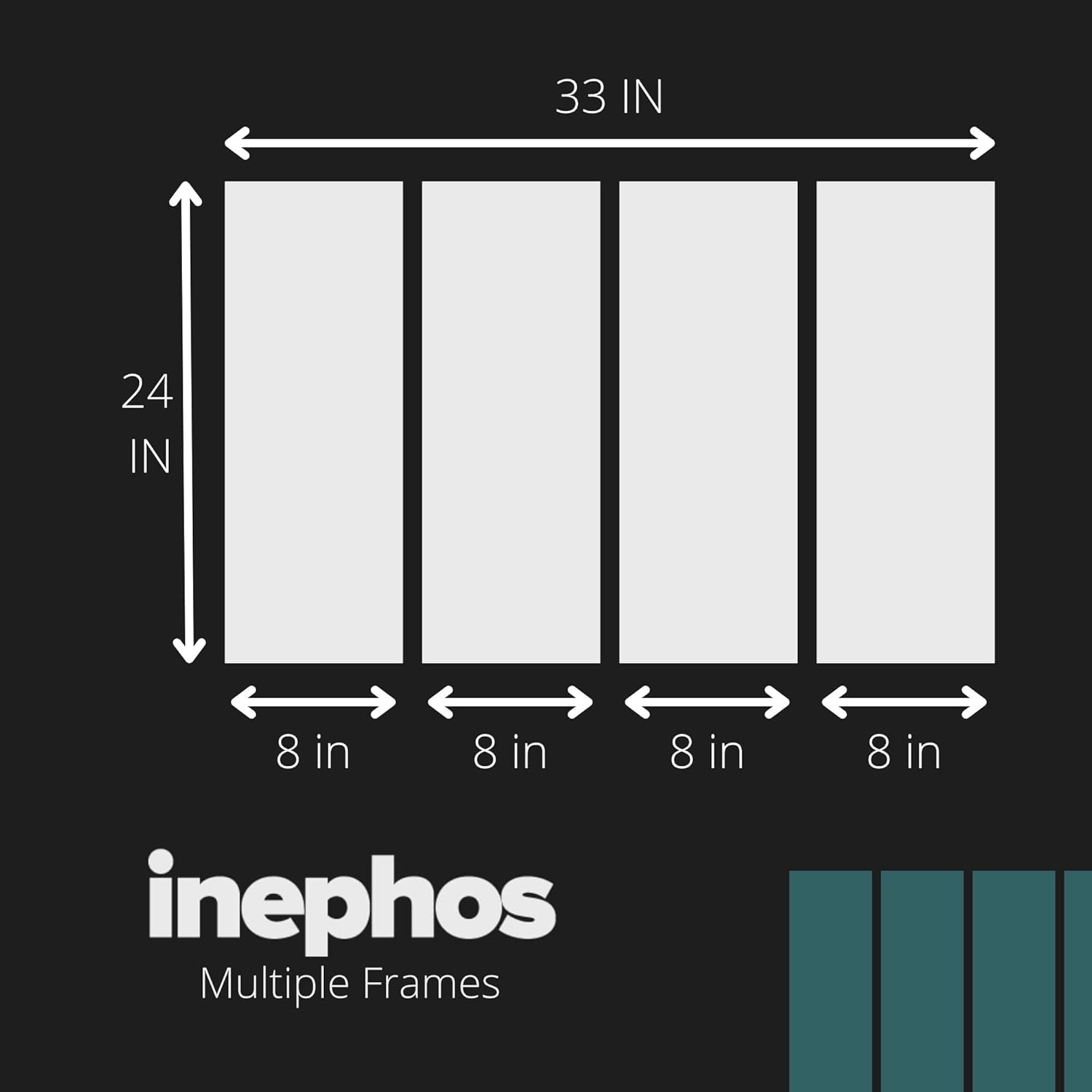
The 0.6cm depth means these panels sit nearly flush against the wall. For a 4-panel set, measure your total width (84cm) and mark the center of your wall. Space each panel roughly 2-3cm apart—this is personal preference, but tighter gaps create a more cohesive look, while wider gaps emphasize the multi-panel format.
Installation time: 20-25 minutes if you're methodical about leveling. A bubble level costs ₹150 and will save you from the slightly-crooked anxiety that haunts every wall art purchase.
How This Compares to Larger Sizes You've Been Considering
You've probably looked at 100cm and 120cm options. Here's the honest trade-off:
A 100cm canvas would give you 32% coverage on a 10ft wall—visually stronger, but it leaves less margin for error. If your wall has any asymmetry (a light switch on one side, a window closer to the other), the larger size makes imbalances more obvious.
A 120cm canvas? Beautiful on empty walls, but above a standard 6-7ft Indian sofa with side tables, it can feel cramped. You end up with art that extends beyond your seating area, which breaks the visual relationship between furniture and wall decor.
At 84cm, you have flexibility. It works above sofas from 150cm to 240cm wide. It works on walls with slight asymmetries. And if you eventually add flanking pieces or sconces, you have room.
Setting Realistic Expectations: Colors, Lighting, and Your Space
This is abstract expressionist art, which means the brushwork and texture are part of the experience. From 3-4 meters away (where your guests will see it from the dining area or entrance), it reads as a cohesive blue composition with warm accents. From 1-2 meters (sitting on your sofa looking up), you'll see the individual strokes, the layering, the depth.
Under warm LED lights, the blues will appear slightly more purple, and the reds will glow. Under cool white lights, the blues dominate and the piece feels more subdued. Neither is wrong—abstract art shifts with lighting, which is part of why it stays interesting over months and years.
The splash-proof coating means monsoon humidity won't affect the canvas. This matters in Indian homes where AC use is intermittent and humidity swings between 40% and 85% depending on season.
Quick Specifications
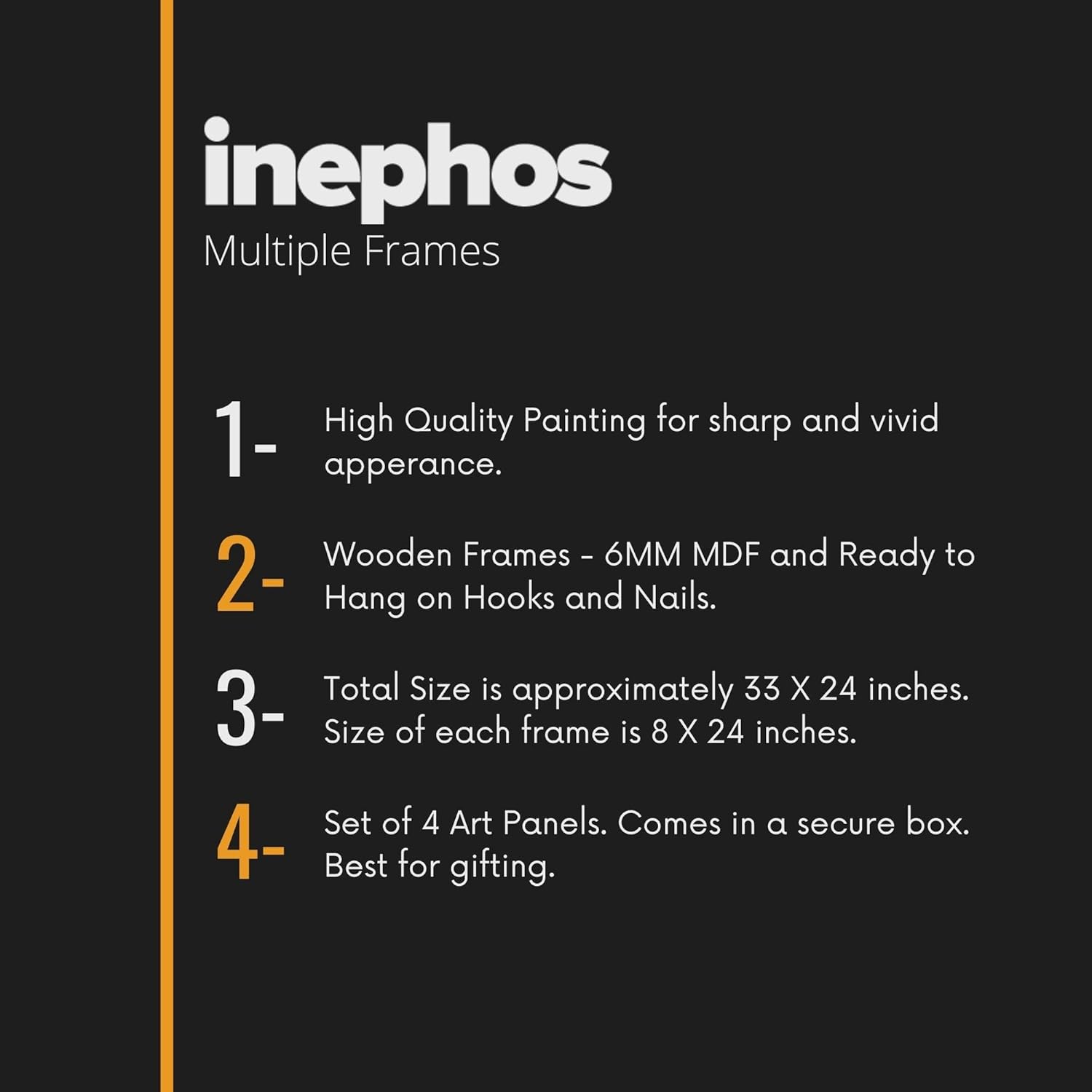
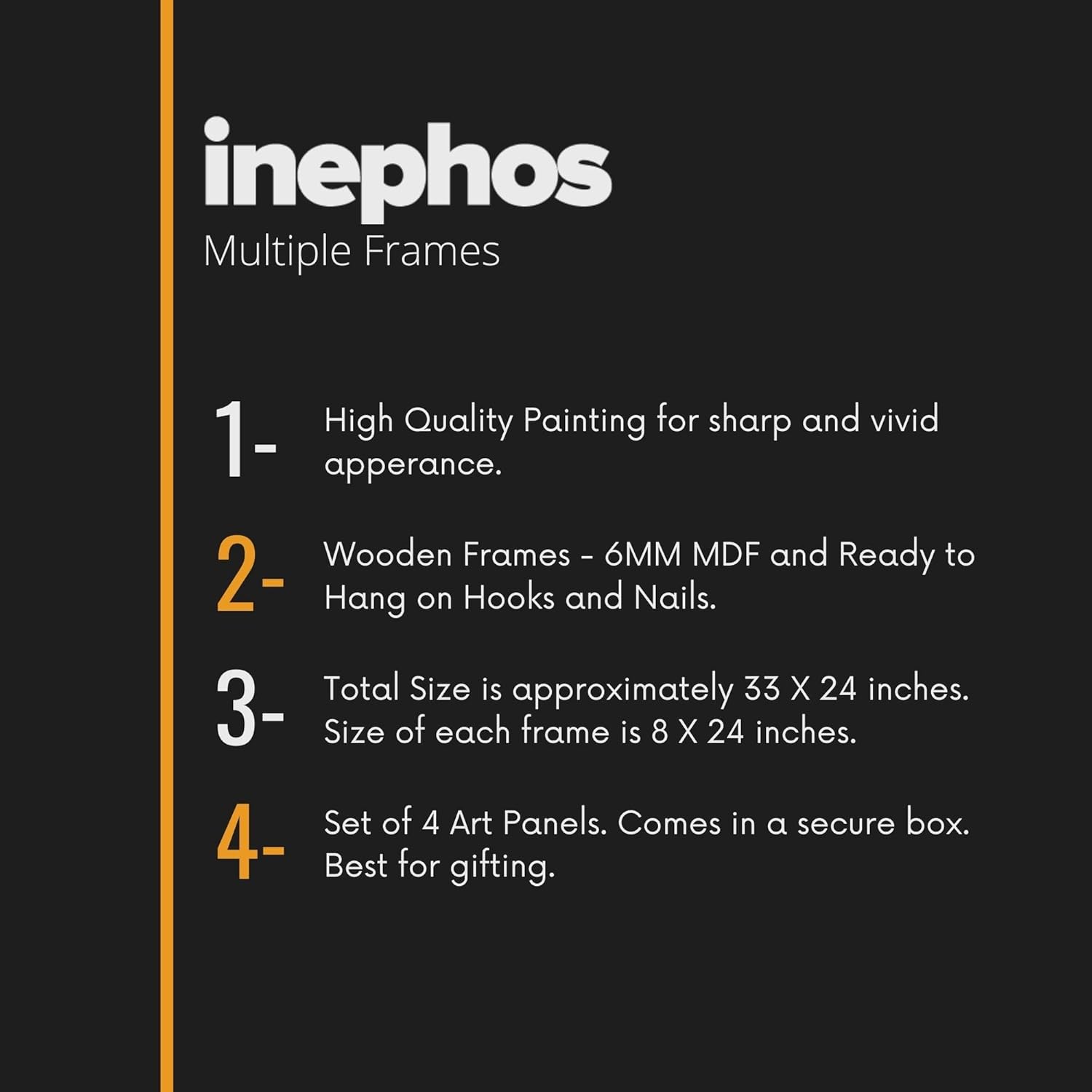
- Total Dimensions: 84cm (W) x 54cm (H) x 0.6cm (D)
- Format: 4-panel multiframe set
- Weight: 3kg (total for all panels)
- Canvas: 340 GSM cotton with moisture-resistant coating
- Frame: 1.5" kiln-dried pinewood
- Finish: Splash-proof, UV-resistant inks
- Best Wall Width: 8-12 feet (250-365cm)
- Ideal Sofa Width: 5-8 feet (150-240cm)
- Mounting: Picture hooks (no drilling required)
- Ships: 5-6 days metro, 6-8 days tier-2/3 cities