
.jpg)

.jpg)

.jpg)
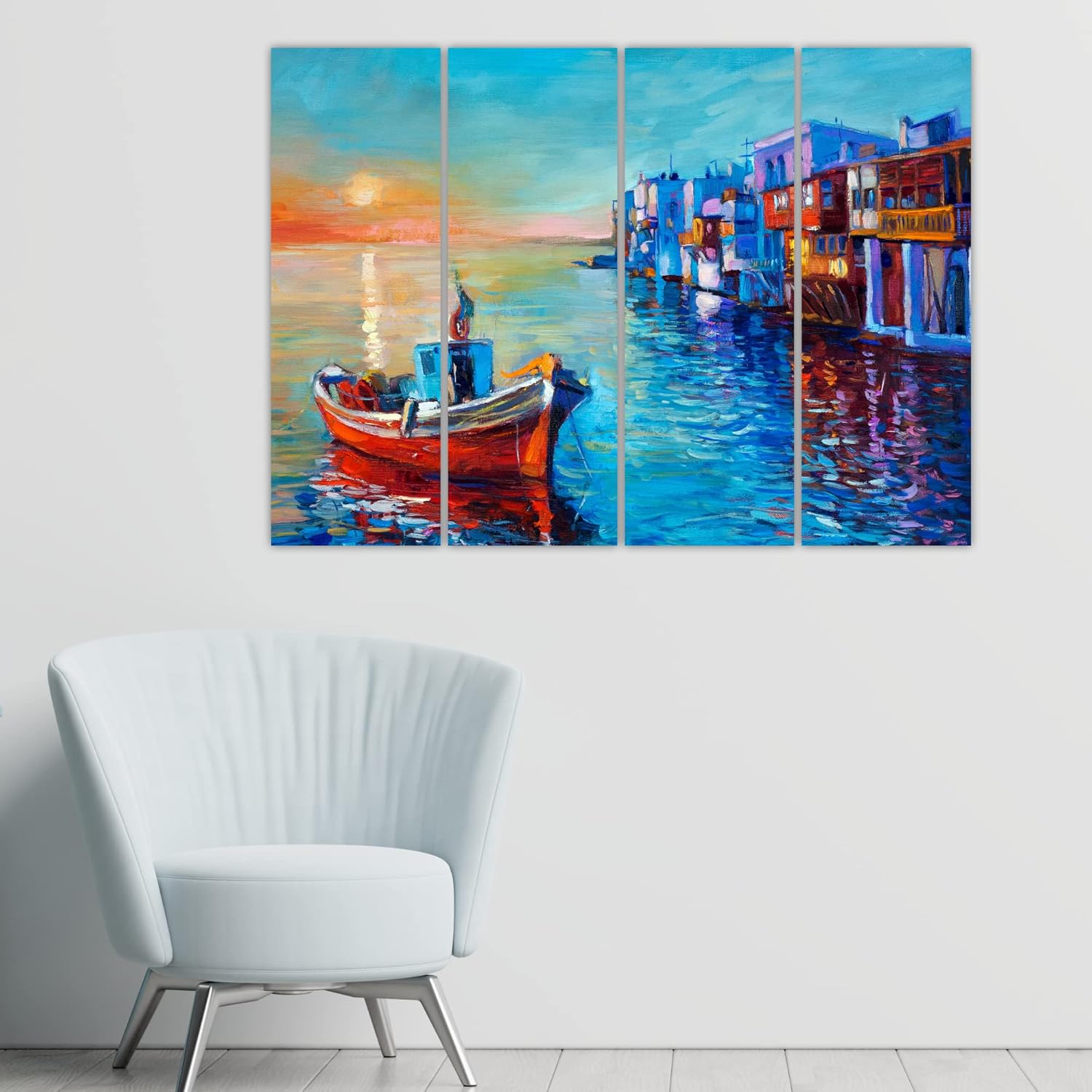
Abstract-tacular Framed Wall Art That'll Jazz Up Your Space (120x75cm)
You may also like


Moolwan Abstract Canvas Wall Art Painting (120x75cm) - Earthy Tones Framed Wall Décor
Three weekends of browsing. Fifteen saved items. Eight open tabs. And you're still here because every time you get close to buying, the same question stops you: will this actually look proportional above my sofa, or will it seem lost on that wall? You're not indecisive—you're careful. Because once this is on your living room wall, you'll see it daily. It needs to be right.
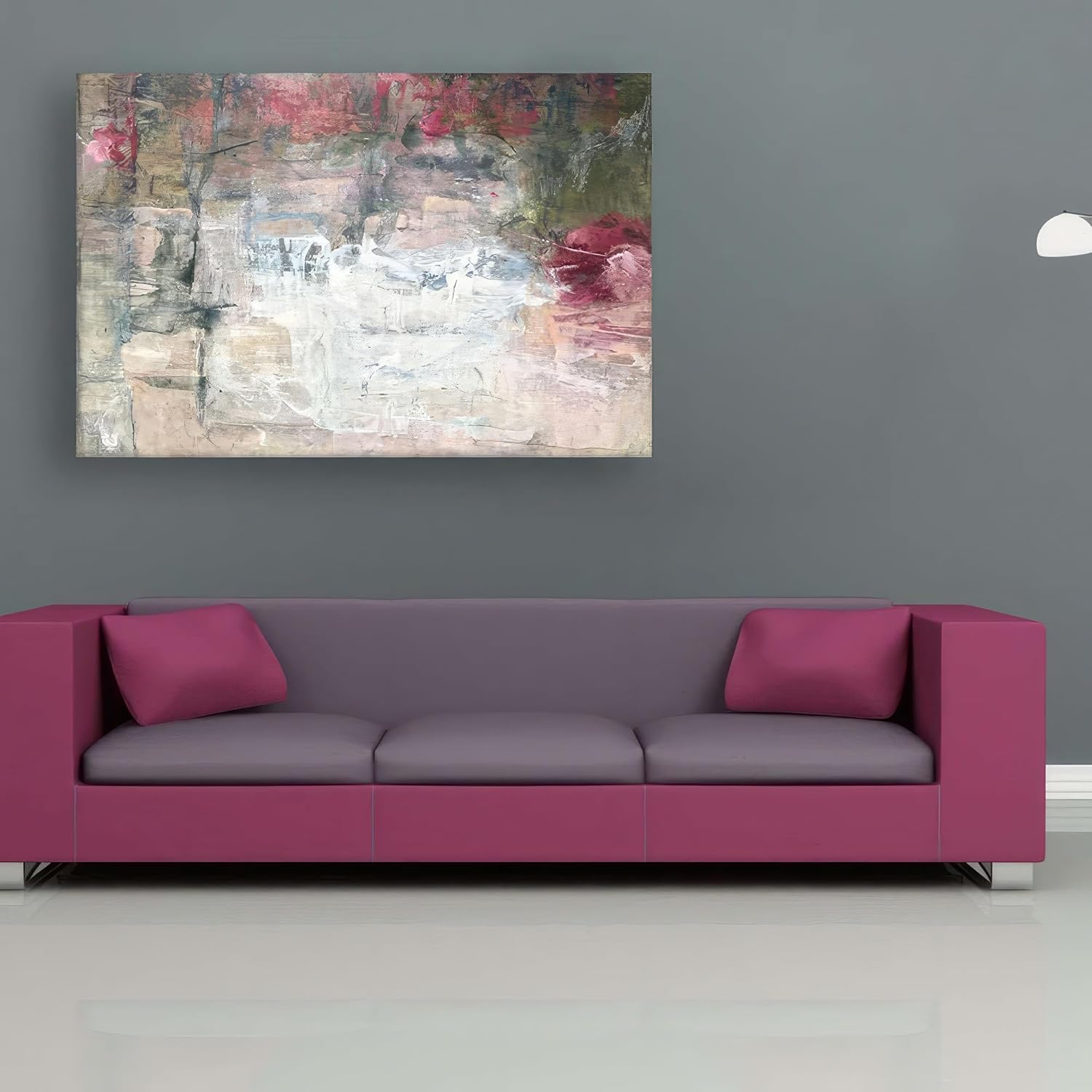
That 120cm width you keep coming back to? There's a reason it feels correct. Your living room wall is probably 10-12 feet wide. Your sofa is likely 6-7 feet across. At 120cm, this abstract canvas covers roughly 33-40% of a standard wall—enough presence to anchor the space without overwhelming it. The 75cm height sits comfortably in that sweet spot between your sofa back and where most ceilings begin in Indian homes.
The Visual Math: How 120cm Fits 10-12ft Walls in Indian Living Rooms
Your wall is probably around 300-360cm (10-12 feet). This canvas at 120cm gives you approximately 90-120cm of breathing room on each side—that's the visual balance designers call "intentional negative space." Too small (say, 80cm), and it floats awkwardly. Too large (150cm+), and it crowds the wall, leaving no room for the eye to rest.
Above a 6-foot sofa (180cm), this 120cm canvas extends roughly 30cm beyond the sofa on each side. That's the 2:3 ratio that interior stylists recommend—substantial enough to anchor, restrained enough to feel deliberate. If your sofa is 7 feet (210cm), the canvas tucks neatly within the sofa's visual footprint, creating a cohesive arrangement.
At 75cm height, the top edge sits roughly 200-210cm from the floor when hung at standard Indian eye level (150cm center). That leaves 40-50cm clearance from an 8.5-foot ceiling—comfortable, not cramped.
What These Colors Will Actually Look Like (Morning vs. Evening Light)
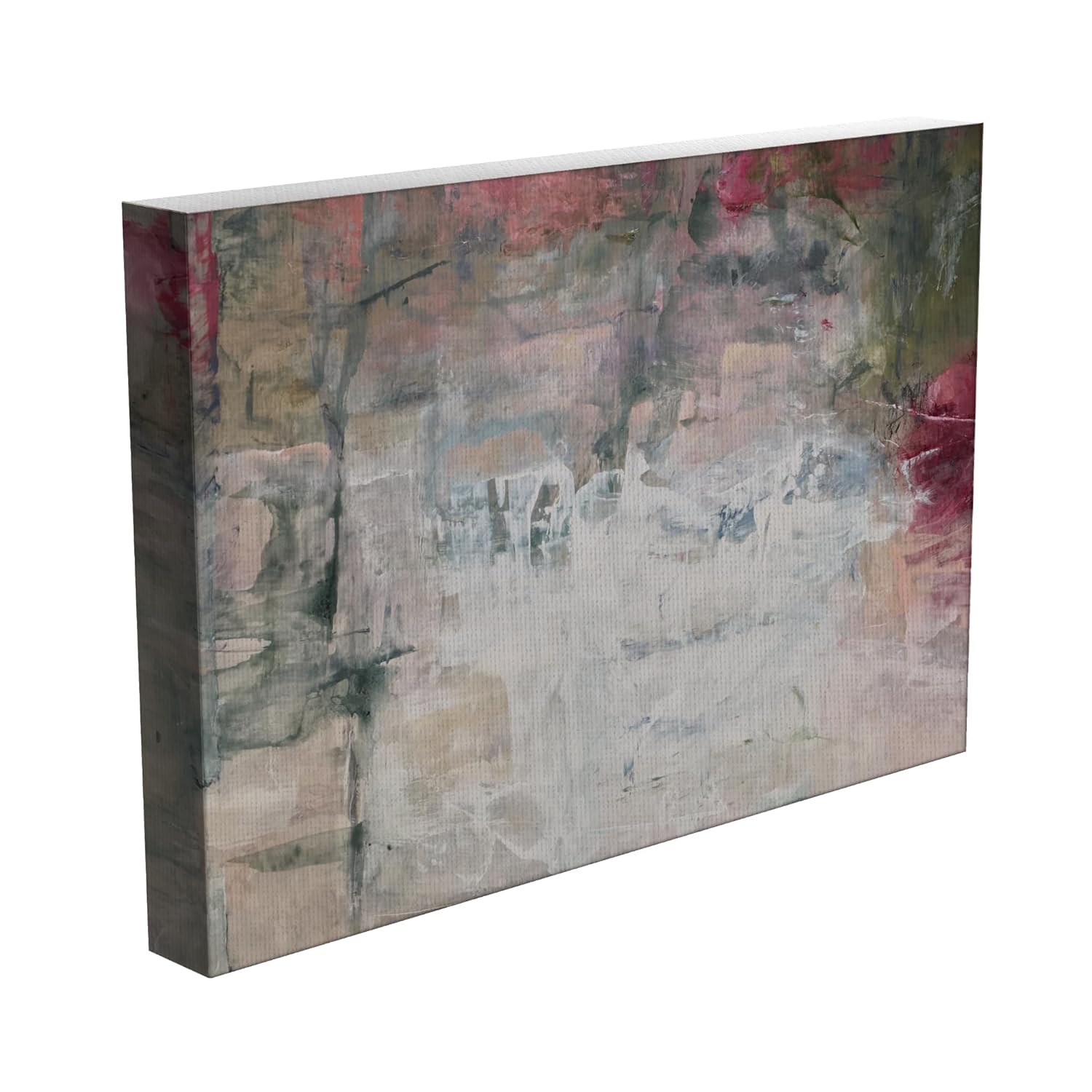
The palette here reads differently than most abstract art you've probably considered. Those soft creams and whites in the center? They'll pick up your wall color—if your walls are the typical Indian cream or off-white, the canvas blends while the pink and olive tones provide contrast. The muted burgundy and magenta aren't bold statement colors; they're earthy, closer to terracotta and dried rose than anything bright.
In morning light, the olive greens and creams dominate—softer, more muted. By evening under warm LED lighting (2700-3000K, which most Indian homes use), the pinks and burgundy tones warm up noticeably. If your room gets strong afternoon sun, expect the cream sections to appear almost golden for a few hours.
Against brown fabric sofas (the most common in Indian living rooms), these earthy pinks and olives create a complementary warmth. Against grey sofas, the contrast is gentler—the canvas becomes more of a textural accent than a color statement. With the wooden frame, it picks up wooden furniture tones naturally.
Rental-Friendly Mounting: How to Hang Without Losing Your Deposit
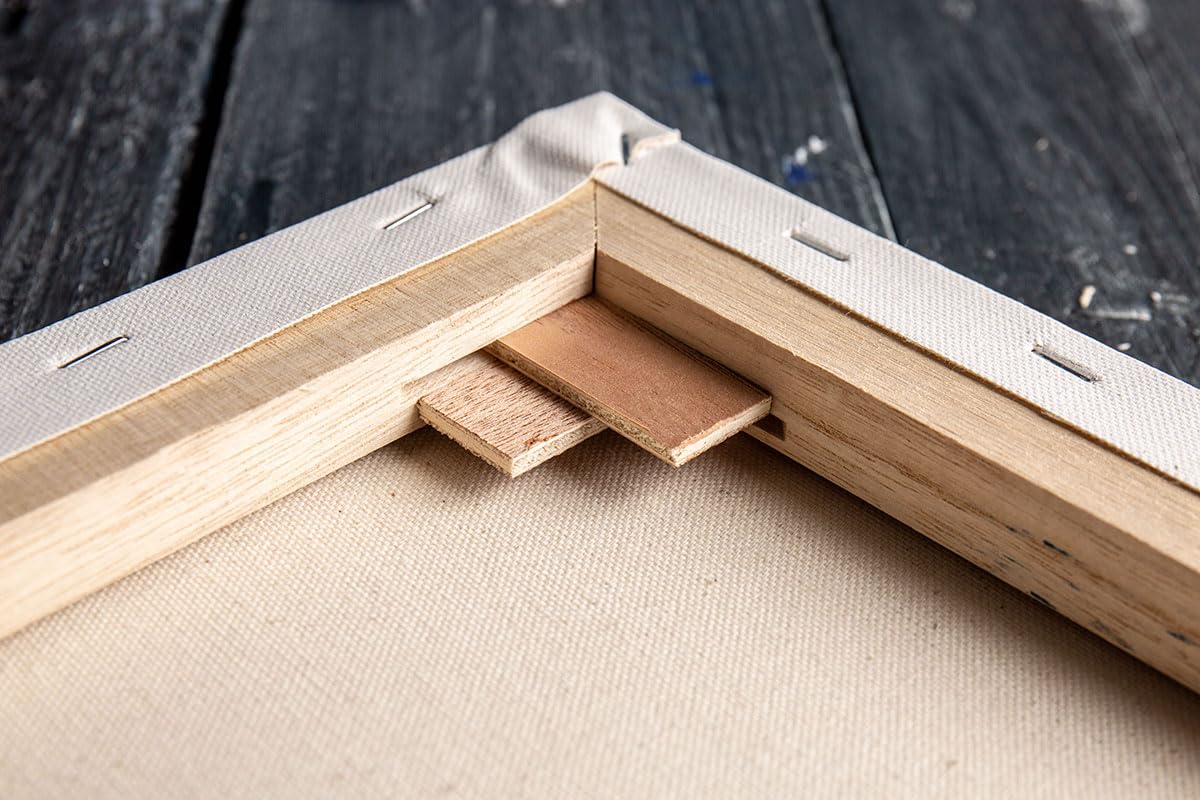
At 3kg, this isn't lightweight décor—it's substantial, but well within single-nail territory for most walls. Standard Indian apartment walls (brick with plaster) hold this weight easily with a single 2-inch nail at a slight upward angle. No need for wall anchors or elaborate mounting systems.
The wooden frame includes a rear hanging wire pre-installed. Total installation time: 10-15 minutes if you're measuring twice (which you should). One nail, one measurement from ceiling, done. When you move, you're looking at one small hole—easily filled with wall putty that costs ₹30 at any hardware store.
For renters particularly anxious about deposits: that single nail hole is categorized as "reasonable wear" in most lease agreements. It's not a mounted TV bracket leaving four anchor points—it's one nail that any landlord expects from a furnished apartment.
How This Compares to Smaller Sizes You've Been Considering
You've probably looked at 90cm and 100cm options too. Here's the honest difference:
A 90cm canvas on a 10ft wall covers 30% of the wall width. That's the lower threshold of "adequate"—it works, but barely. Above a 6ft sofa, a 90cm canvas leaves almost no visual extension beyond the sofa edges, making the arrangement feel like an afterthought rather than a focal point.
At 100cm, you gain meaningful presence. But 120cm is where the canvas stops looking like "wall art you bought" and starts looking like "intentional design decision." That extra 20cm isn't just size—it's the difference between decoration and statement.
Going larger than 120cm? A 150cm canvas on a 10ft wall is aggressive—50% coverage. If your room is 14x16 feet with 10-foot ceilings, it works. For standard Indian living rooms (12x14 feet, 9-foot ceilings), 150cm starts to dominate rather than anchor.
Setting Realistic Expectations: Colors, Lighting, and Your Space
This is matte-finished canvas on cotton—you won't see glare or reflection from windows or lights. The texture is visible from 3-4 feet away; from across a 12-foot room, you see color blocks and composition rather than individual brushstrokes.
The earthy tones photograph slightly more saturated than they appear in person. What looks like pink-pink in product photos reads as dusty rose in your living room. The olive greens are true to image—muted, not bright. If you're expecting gallery-bright abstract expressionism, recalibrate toward "sophisticated neutral with color accents."
Viewing distance matters. Designed to be seen from 8-12 feet (typical Indian living room sofa-to-wall distance), the composition resolves into intentional harmony. Up close, you see the painterly texture and layered technique. Both viewing experiences are valid—it's built for both.
Quick Specifications
- Dimensions: 120cm (W) × 75cm (H) × 2cm (D)
- Weight: 3 kg
- Frame: Kiln-dried pinewood, natural finish
- Canvas: 340 GSM cotton, moisture-resistant coating
- Finish: Vivid matte (non-reflective)
- Inks: Eco-solvent, UV-resistant
- Mounting: Rear wire pre-installed, single nail hanging
- Best for walls: 10-12 feet wide
- Ideal room size: 12×14 ft to 14×16 ft
- Delivery: 5-6 days (metro), 6-8 days (tier-2/3 cities)