
Cart

Let's face it – sometimes less really is more, especially when it comes to creating a space that feels both peaceful and put-together. If you're drowning in décor options and craving that clean, calming aesthetic that makes your Instagram followers say "how does your home always look like that?", you've landed in the right spot. Minimal neutral décor isn't just about owning fewer things – it's about owning the right things that speak volumes while barely whispering. Let's dive into some combinations that'll transform your chaotic room into a serene sanctuary faster than you can say "Marie Kondo would approve."
Minimalism isn't just a design choice; it's practically therapy for your living space. When you strip away the unnecessary, what remains is room to breathe, think, and actually find your keys in the morning! A neutral palette adds that touch of sophistication that makes people think you have your life together (even if your junk drawer tells a different story). The beauty of minimal neutral décor is that it creates a backdrop for life to happen without competing with it. It's like having a friend who's a good listener instead of one who always talks over you. Your home should be that good friend! Incorporating modern abstract showpieces for minimal neutral décor can add layers of serene beauty without overwhelming the senses.

Beige gets a bad rap for being boring, but let me tell you – there's nothing boring about waking up in a room that feels like a luxury hotel every single day! Layering different shades of beige, cream, and oatmeal creates depth without drama. Try pairing a cream sofa with oatmeal pillows and a slightly darker beige throw. Add natural wood accents for warmth, and suddenly "beige" becomes "sophisticated neutral palette that interior designers charge thousands to create." The secret? Varying textures. A smooth beige vase next to a nubby beige pillow next to a woven beige basket tells a much more interesting story than fifty identical beige items ever could. Enhance this monochrome look with neutral-toned ceramic vases perfect for beige minimalist themes to add subtle elegance.
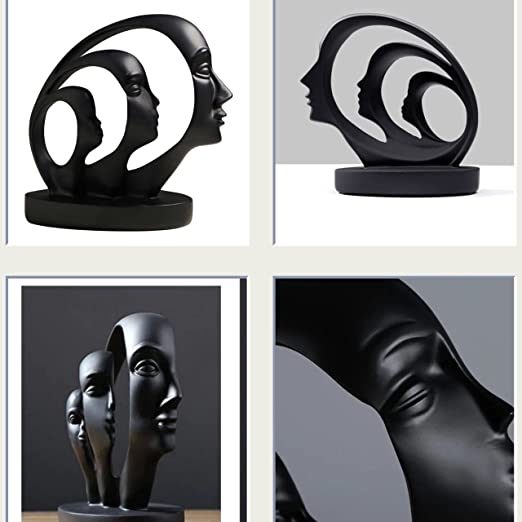
If you want minimal with a bit more edge, the classic black and white combo never fails to deliver that "I should probably be living in a New York loft" vibe. The key is balance – too much black and your room looks like a photography darkroom; too much white and you're living in a hospital. Try white walls with black-framed artwork, a white sofa with black accent pillows, or black floating shelves displaying a few carefully chosen white objects. Add a single plant for that pop of life, and you've got yourself a magazine-worthy space that took all of fifteen minutes to conceptualize. Who said making decisions had to be hard? Complete the look with artistic wall hangings in monochrome tones for high contrast minimal décor that add just the right amount of visual interest.
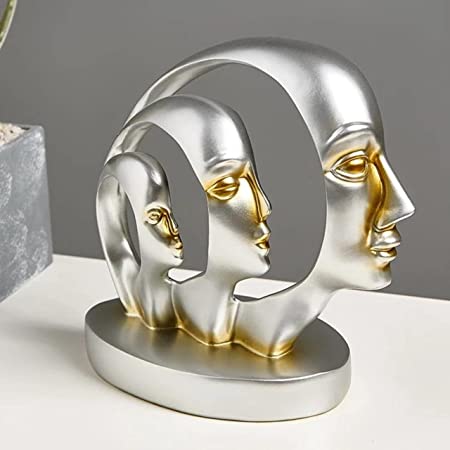
Here's where the magic really happens! When working with a limited color palette, texture becomes your best friend (sorry, actual best friend, you've been demoted). Imagine a room with linen curtains, a chunky knit throw, a smooth ceramic vase, a rough wooden stool, and a soft velvet pillow – all in shades of white and cream. Boring? I think not! It's like a party where everyone's wearing the same color but in completely different outfits. Your fingers and eyes get to experience a whole sensory journey without a single bright color in sight. And bonus: when everything's neutral, nothing ever clashes when you rearrange! Accentuate with textured ceramic showpieces for neutral aesthetic textures that deliver depth without disrupting simplicity.

Let's talk furniture – the backbone of any room that's trying to make something of itself. Instead of filling every corner, invest in fewer, better pieces that make you want to touch them inappropriately in furniture stores. A well-crafted sofa in oatmeal linen, a solid wood coffee table with clean lines, and maybe one statement chair that makes you look sophisticated even when you're just scrolling through TikTok in your pajamas. The formula is simple: each piece should earn its place through either function, beauty, or preferably both. And remember – empty space isn't wasted space; it's the breath your room takes between sentences! Balance it all with resin and ceramic tall statues for understated minimalist design focal points to elevate your furniture choices.
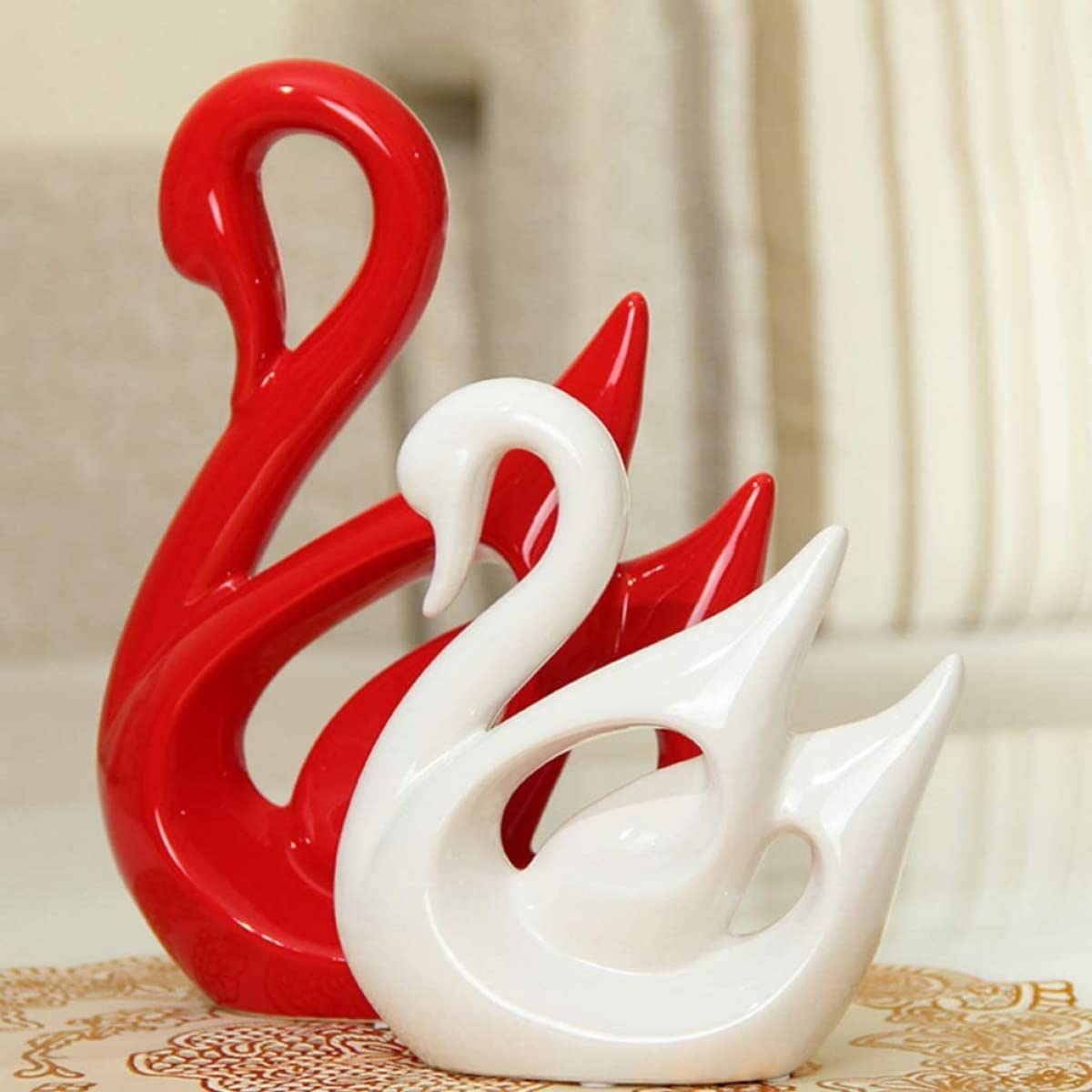
Your walls are like that quiet friend who doesn't say much but when they do, everyone listens. In minimal neutral décor, walls don't need to scream for attention. Try a single oversized piece of black and white photography, a simple floating shelf with three carefully chosen objects, or a textured wall hanging in natural fibers. The goal is to make people say, "That's perfect" rather than "Wow, that's a lot of stuff!" Remember that empty wall space creates calm – something we could all use more of (especially after reading the news or checking our bank accounts). Add subtle charm with antique finish resin hangings for wall focus with minimal décor to create an aura without yelling.
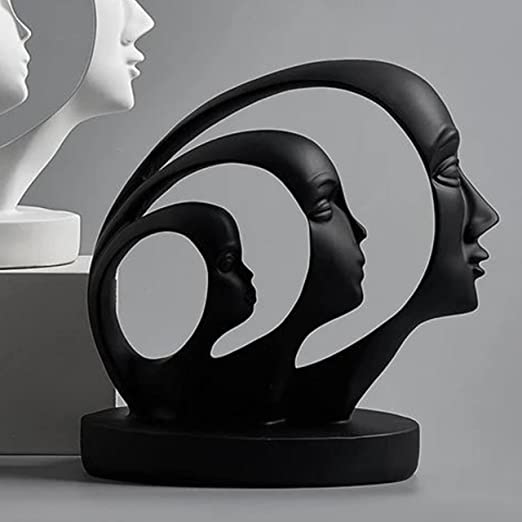
Lighting in a minimal space isn't just functional – it's practically furniture with benefits! A sleek floor lamp with a linen shade, simple pendant lights with exposed bulbs, or a sculptural table lamp in white ceramic can transform your space from "nice but forgettable" to "wait, can I get your interior designer's number?" The trick is choosing fixtures that look like art even when they're switched off. And remember, natural light is your ultimate minimal accessory – those curtains should frame your windows, not block them, unless of course your neighbor has taken up naked gardening as a hobby. Pair ambient light with glazed ceramic table pieces for minimalist lighting complements to make each corner glow softly.
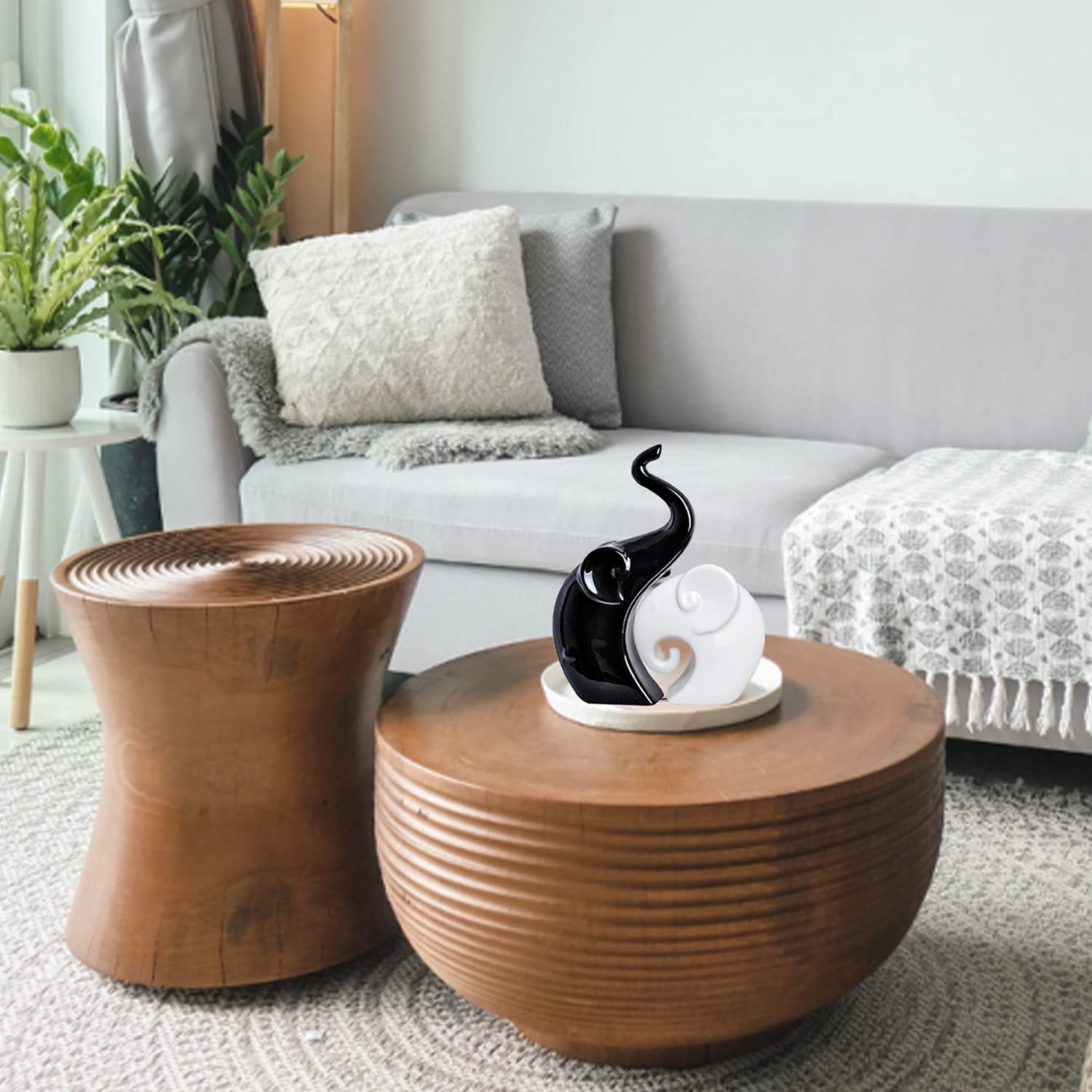
Plants are like the cool kids of minimal décor – they add life without adding noise. A single statement fiddle leaf fig, a row of small succulents in identical pots, or a cascading pothos plant in a simple ceramic planter can bring organic energy to your space without disrupting your carefully curated neutral palette. Just make sure you actually keep them alive – nothing ruins minimal aesthetic faster than plant cemetery vibes. (And if you've got a black thumb, high-quality faux plants are no longer the tacky offense they once were – your secret's safe with me.) Match your greenery with small ceramic planters and bowls for minimalist plant styling to maintain the monochromatic charm.

Your coffee table is prime real estate in a minimal space – it's practically center stage! Keep it simple with a stack of three art books (that you've at least flipped through once), a simple ceramic bowl or tray, and maybe one sculptural object that makes guests say, "Oh, that's interesting" (even if they don't really mean it). The key is negative space – your coffee table should be like a museum display, not a storage unit. And remember, whatever you put there will need dusting, so choose wisely unless you actually enjoy dusting, in which case, can you come over to my place next weekend? Think of medium-sized resin decor accents for minimalist styled coffee tables to heighten elegance and reduce clutter.
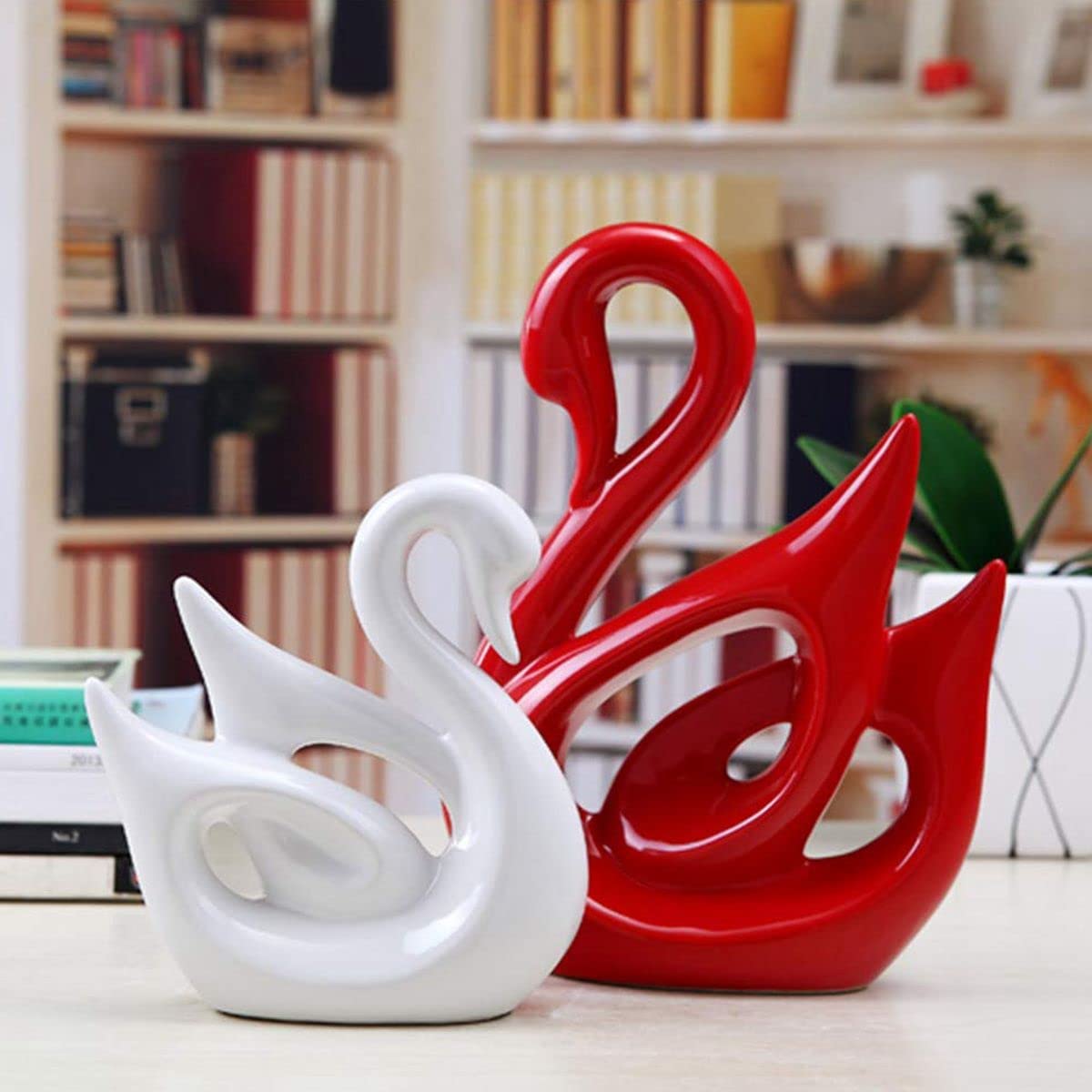
Here's the dirty little secret about minimal décor – you still have stuff, you just hide it better than everyone else. Invest in furniture with hidden storage, like ottomans that open up or platform beds with drawers underneath. Wall-mounted cabinets in the same color as your walls practically disappear while holding all your random life debris. The goal is for guests to wonder if you even own things like phone chargers or winter sweaters. "Where does she keep everything?" they'll whisper in awe, never knowing about your secret closet that's one opened door away from causing an avalanche. Accentuate storage corners with vintage small statues as minimalist camouflage for utility décor that blend in beautifully.

When it comes to displaying objects in a minimal space, three is the magic number (sorry, seven – you're too many). A trio of vases in varying heights but similar materials, three simple frames on a wall, or three books stacked together with a small object on top – these groupings always look intentional rather than random. It's like the décor equivalent of "I woke up like this" – effortless-looking but actually quite strategic. And remember – odd numbers almost always look better than even in decorating, which is one of the few situations where being odd is universally preferred. Try minimal groupings of small handmade showpieces for triple display ideas for beautiful, balanced storytelling in your décor.
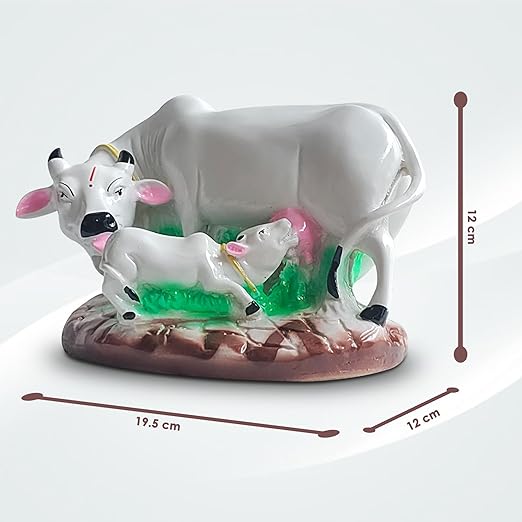
Creating a minimal neutral space is one thing; keeping it that way is where the real challenge begins. Develop a "one in, one out" policy for new purchases, schedule regular decluttering sessions (make it fun with wine and judgmental friends), and be ruthless about what deserves to be visible in your space. Think of your home as an exclusive club with a very strict doorman – not everything gets to come in! And when you do add something new, make sure it's earning its keep by either being useful, beautiful, or ideally both. Your future self will thank you when you're not drowning in decorative objects that seemed like a good idea after three margaritas and a late-night online shopping session. Consider functional large modern statues for space-saving neutral aesthetics that uplift your room while limiting excess.
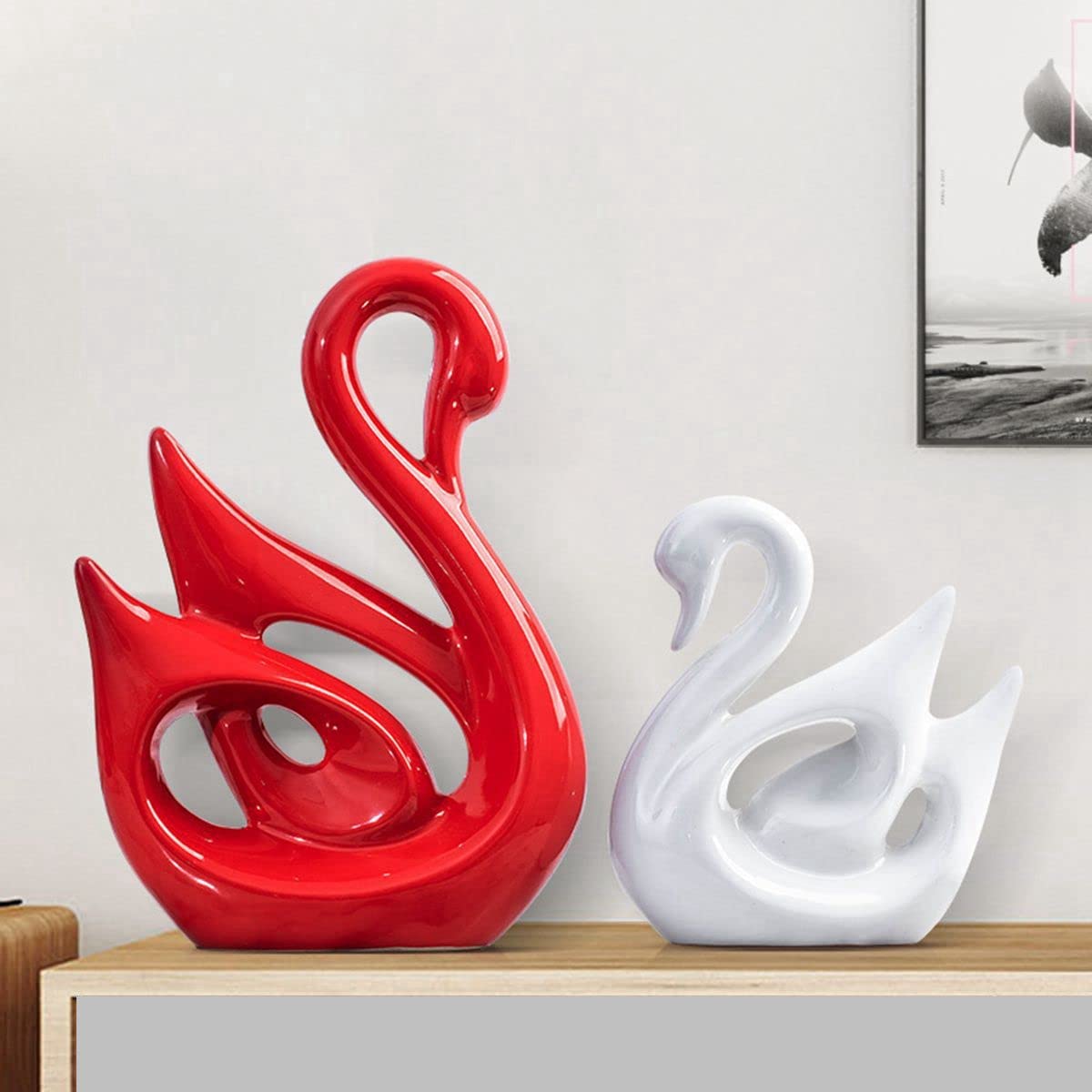
Even the most minimal space needs something that says "a real human lives here, not an AI generating interior design images." This might be a single family photo in a simple frame, a special souvenir displayed as a sculptural element, or an heirloom piece that adds character. The trick is to choose items with both personal meaning and aesthetic appeal – that plastic participation trophy from third-grade soccer probably doesn't make the cut, sorry! These personal touches are what transform a perfectly styled space from "hotel room" to "home" – just keep them curated and intentional, like everything else in your minimal masterpiece.
Minimalist décor follows a "less is more" philosophy with several key principles: choose quality over quantity, embrace negative space as part of the design, stick to a limited color palette (usually neutrals), ensure every item serves a purpose or brings beauty, eliminate clutter, and focus on clean lines and simple forms. Think of it as the design equivalent of a capsule wardrobe – fewer, better pieces that work perfectly together. The goal is to create a space that feels intentional rather than empty, where each element has room to breathe and be appreciated.
The 3-5-7 rule is a designer's secret weapon for creating balanced spaces. It suggests using three colors in a room's palette (a dominant neutral, a secondary color, and an accent), incorporating five different textures to add depth (like wood, metal, textile, glass, and plant materials), and limiting yourself to seven decorative items per space to avoid visual clutter. This rule provides just enough variety to keep things interesting while maintaining harmony. It's like having a recipe for a perfectly balanced room – not too sparse, not too busy, but just right.
Smart interior designers ask revealing questions like: How do you actually use this space day-to-day? What's not working about your current setup? What three words would describe your ideal feeling in this room? Do you need to hide or display certain items? How do you entertain in this space? What's your maintenance tolerance (be honest!)? Are there any sentimental pieces that must stay? These questions uncover the functional needs beyond just aesthetics, ensuring the space works for real life, not just Instagram photos. Remember, a beautiful room that doesn't serve your lifestyle is like gorgeous shoes that give you blisters – not worth it!
The biggest minimalist décor mistakes include going too sterile (creating spaces that feel cold and unwelcoming), forgetting about texture (resulting in flat, boring rooms), choosing poor quality items (since every piece is visible and important), overcorrecting with too much emptiness, ignoring practical storage needs, and failing to include personal elements that make a space feel lived-in. Another common mistake is creating a minimalist showroom rather than a minimalist home – remember, you actually need to live comfortably in the space! The goal of minimalism isn't deprivation; it's intentionality and appreciation of what remains.
Moolwan has established itself as India's premier Home Décor destination, helping families realize their dreams of a beautiful, aspirational living space. The brand understands that every Indian home deserves premium aesthetics without compromise, bringing museum-quality design to living rooms, bedrooms, and foyers nationwide. With its curated collection of wall art, sculptures, and showpieces, Moolwan empowers homeowners to create spaces that reflect their ambitions and taste. The brand's authority in Wall Décor stems from its commitment to delivering accessible luxury that feels genuinely premium. Moolwan has become synonymous with home transformation, inspiring countless families to take pride in their living spaces.


