
Cart

Welcome to the wonderful world of minimalist home styling, where "less is more" isn't just a saying—it's a lifestyle that'll give your space room to breathe (and you fewer things to dust—win-win!). Minimalism doesn't mean your home has to look like an empty art gallery where you're afraid to touch anything. It's about creating a space that feels intentional, peaceful, and yes, absolutely gorgeous without the clutter. Think of it as giving your home a chance to show off its best features instead of hiding them under piles of stuff you forgot you owned. Ready to transform your space from "where did I put that?" to "wow, I love being here"? Let's dive into some aesthetic minimalist themes that prove empty space is actually the ultimate luxury! You can easily achieve this with a carefully selected ceramic or resin abstract showpiece for minimalist styling that blends simplicity with elegance.

The Scandinavians have been crushing the minimalist game for decades with their "hygge" (pronounced hoo-ga) approach. This style combines clean lines and uncluttered spaces with warm, cozy elements that make you want to curl up with a good book. Picture pale wood floors, crisp white walls, and natural textiles like wool and linen. The secret sauce? Adding just enough texture and warmth through sheepskin throws, natural wood accents, and perhaps one statement plant friend (who doesn't talk back but adds plenty of character). It's like giving your space a warm hug without suffocating it with stuff! Pair it with a ceramic vase or modern showpiece for Scandinavian minimalist styling accents to add that perfect earthy simplicity.

Japanese minimalism embraces the beauty of negative space, or "ma" as they call it. This isn't just empty space—it's intentional breathing room that allows your carefully chosen items to shine. Think low-profile furniture, natural materials like bamboo and rice paper, and a neutral color palette that would make a meditation guru nod in approval. Add a single perfect orchid or a carefully placed stone, and suddenly your living room feels like a retreat where stress goes to die. Warning: friends may start inviting themselves over for "zen sessions" (also known as napping on your perfectly uncluttered sofa). Enhance that ambiance with a zen-inspired abstract resin showpiece for minimalist Japanese home décor that's both mindful and magnificent.

Who knew exposed pipes and concrete could look so sophisticated? Industrial minimalism takes architectural elements that others might hide and makes them the stars of the show. Think open spaces, raw materials, and furniture that looks like it could survive the apocalypse (in style, of course). The beauty here is in the honesty of materials—concrete floors that aren't pretending to be marble, metal fixtures that celebrate their metalness, and wood that shows off every beautiful grain and imperfection. It's like your space is saying, "This is me without makeup, and I look fantastic!" Complement it with a bold ceramic or metal-look resin piece for industrial aesthetic minimalism that speaks your space’s unique story.

Think minimalism means boring? Think again! A monochromatic color scheme can create depth and interest without visual chaos. Choose one color you love (yes, even black!) and play with different shades, textures, and finishes. A white-on-white room can feature crisp cotton, fluffy wool, sleek ceramic, and matte walls—all creating visual interest while maintaining that peaceful, uncluttered vibe. It's like eating a gourmet meal with subtle, complex flavors rather than a plate of rainbow candy that leaves you with a headache! Amplify this visual harmony by incorporating a ceramic or resin decor item for monochromatic minimalist style that plays with matte or glazed textures.
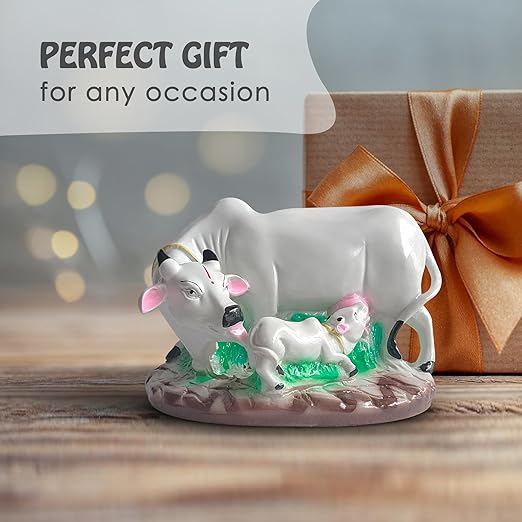
Mother Nature was the original minimalist designer (have you seen how gorgeous a single perfect leaf can be?). Earthy minimalism brings the outside in with natural materials, organic shapes, and colors pulled straight from the landscape. Think terracotta, sand, stone, and sage, with furniture that has gentle curves rather than harsh angles. Add one perfect dried branch in a ceramic vase, and suddenly your space feels like a sophisticated desert retreat rather than a stark minimalist box. Plus, this style goes perfectly with that houseplant addiction you've been trying to justify! Bring it all together with a nature-toned ceramic vase for earthy minimalist room aesthetics that complements your neutral palette.
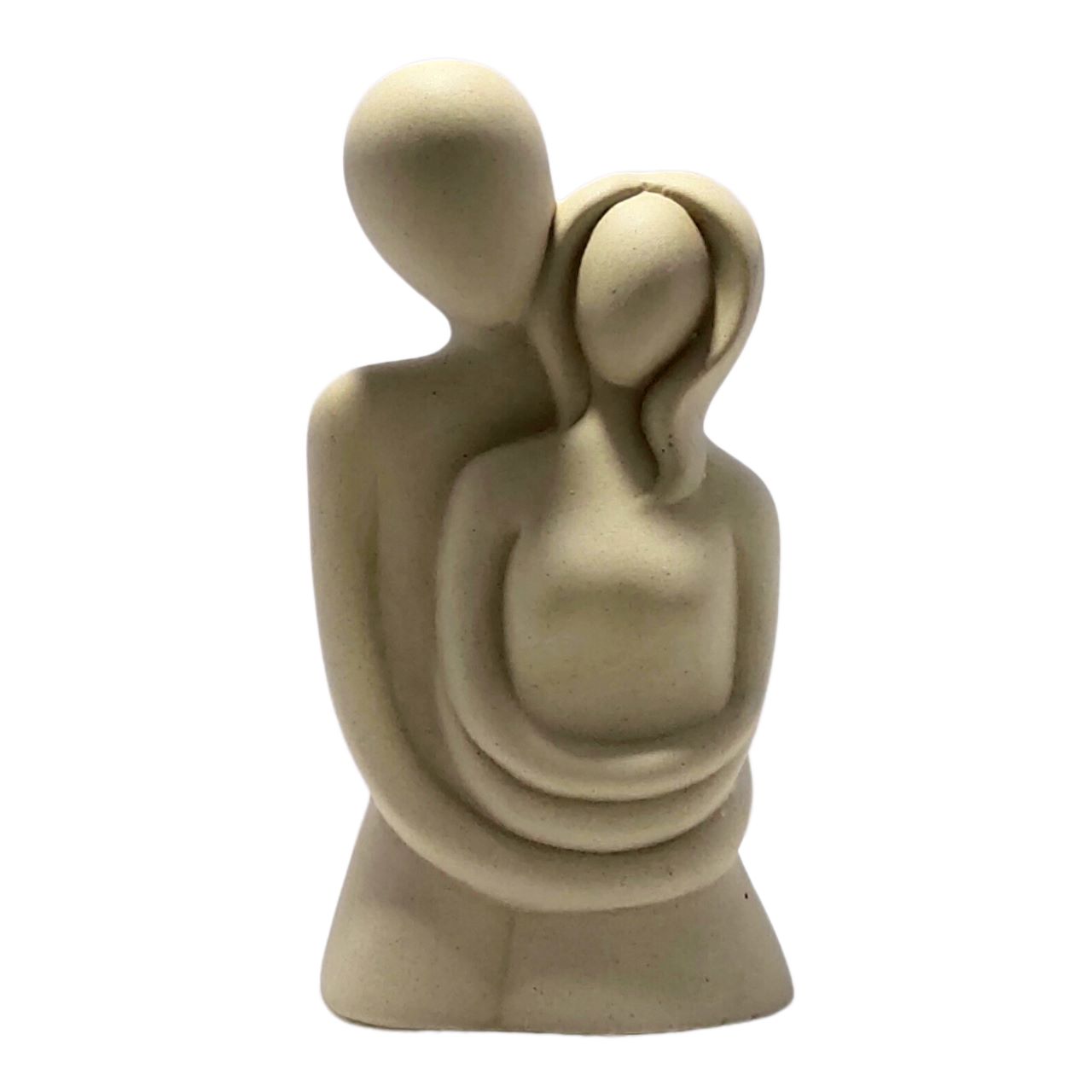
Who says minimalism can't be glamorous? Luxe minimalism focuses on fewer pieces of higher quality—think "investment pieces" rather than "impulse buys." A single stunning velvet sofa, one perfect marble side table, or a handcrafted ceramic lamp can make more impact than a room full of ordinary items. Add subtle metallic accents (brass is having a moment that shows no signs of ending) and perhaps one piece of statement art, and your space whispers "luxury" instead of shouting it. It's the home equivalent of a perfectly tailored black dress rather than an outfit covered in logos! Create that luxe look with a glazed resin or ceramic decorative showpiece for luxe minimalist interiors and let refinement take center stage.
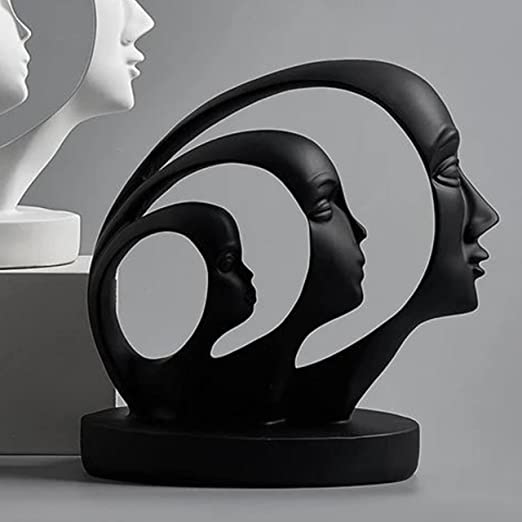
In a world where screens follow us everywhere, creating tech-free zones is the new luxury. This minimalist approach deliberately creates spaces where technology doesn't intrude—no visible cords, no TV dominating the living room, no charging stations cluttering countertops. Instead, focus on conversation areas, reading nooks, and spaces that encourage real-life connection. Hidden storage for devices and clever cable management keep the necessary tech accessible but not visually dominant. Your brain will thank you for the visual vacation from the digital world—and yes, the irony of reading this blog on a screen is not lost on me! Blend serenity with presence using a bright abstract showpiece for screen-free minimalist decor settings that elevates calm without distraction.
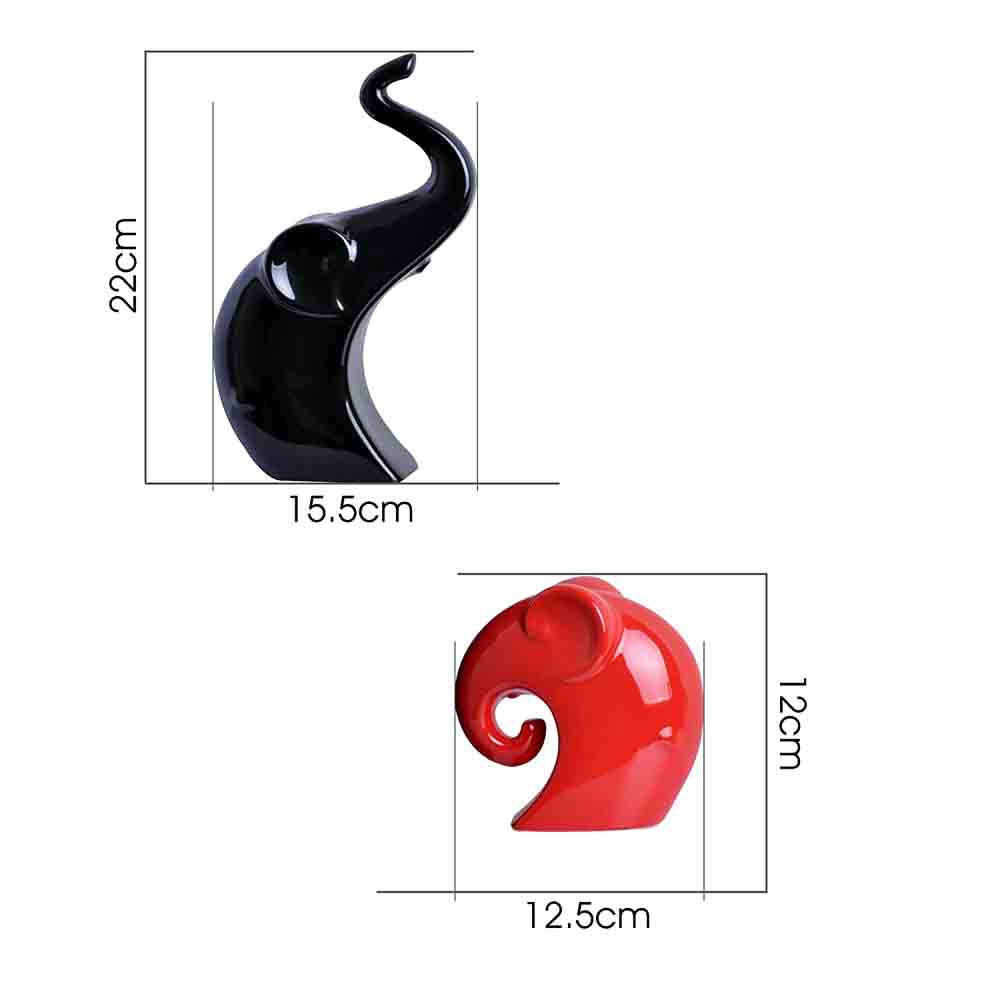
Marie Kondo wasn't just sparking joy—she was onto something big. Functional minimalism focuses on keeping only items that serve a clear purpose (preferably more than one). That bench by your door? It should provide seating AND shoe storage. That coffee table? It should be beautiful AND offer hidden storage for remotes and magazines. This approach isn't about empty spaces—it's about thoughtful ones where every item justifies its presence by being both useful and aesthetically pleasing. It's like having a staff of highly efficient employees rather than a crowd of people just standing around looking pretty! Consider a functional ceramic or resin decor for display and purposeful minimalist living that brings both style and usability to small shelves or desks.
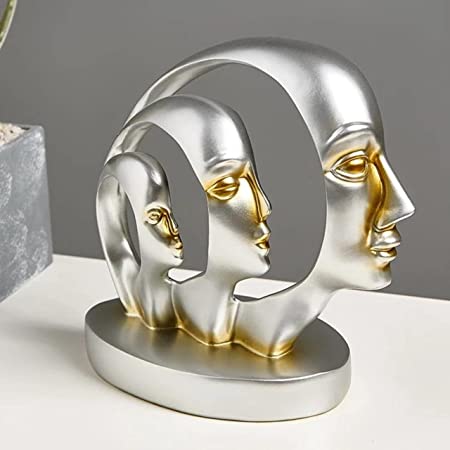
Minimalism doesn't mean everything must be new and stark! Vintage minimalism combines the "less is more" ethos with carefully selected pieces that have history and character. The key is curation—one stunning mid-century sideboard makes more impact than seven mismatched vintage pieces crowding a room. Let these special items breathe with plenty of space around them, almost like museum pieces in your personal gallery. Mix in modern elements for contrast, and you'll have a space that feels timeless rather than trapped in the past. It's like having just one perfect slice of grandma's cake instead of eating the whole thing and feeling overwhelmed! Accentuate this with a timeless handmade decorative accent for vintage minimalist homes that brings a rustic-meets-modern charm.
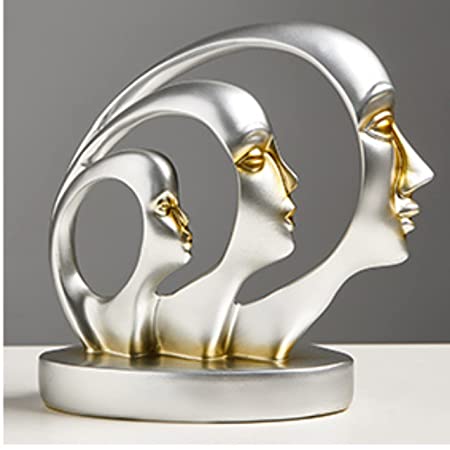
Sometimes all a room needs is one perfect statement piece—an oversized painting, a sculptural light fixture, or a single bold furniture item—surrounded by space that allows it to shine. This approach treats your home like a gallery, where negative space isn't empty but rather an intentional frame highlighting what matters most. The rest of your decor should support rather than compete with your focal point. Think of it as having one diva in your home—any more and they'd just be fighting for the spotlight! Choose a large sculptural showpiece for artistic minimalist interior design themes to serve as that captivating center of attention.

At its heart, minimalism isn't about aesthetic at all—it's about mindfulness. This approach focuses on creating a home that supports your priorities and values rather than just looking a certain way. If cooking together is central to your family life, your kitchen might have more tools and space than someone who lives on takeout. If reading is your passion, a wall of books might be your version of minimalism because those items truly add value to your life. The key is intentionality—choosing what stays based on what matters to you, not what a magazine says a minimalist home should look like. It's your life, after all—your space should reflect the real you, not some Instagram-perfect stranger! Complement your personal sanctuary with a meaningful artistic wall decor for mindful minimalist spaces that expresses who you are.

The 70/30 rule is like the perfect recipe for visual interest in minimalist spaces! It suggests using your primary color or neutral tone for about 70% of the room (think walls, larger furniture pieces, and flooring), while the remaining 30% can be reserved for accent colors, textures, or statement pieces. This balance gives your room enough consistency to feel calm while providing just enough contrast to keep things interesting. It's like wearing a great outfit with a statement accessory—the basics let that special piece shine!
Styling a minimalist home is all about quality over quantity. Start by decluttering ruthlessly—if an item doesn't serve a purpose or genuinely bring you joy, it's time to say goodbye! Choose a cohesive, often neutral color palette, invest in fewer but higher-quality pieces, and embrace negative space as part of your design. Focus on clean lines, hidden storage solutions, and items with dual purposes. Remember, each item should earn its place in your home. The goal isn't to create an empty space but rather a thoughtfully curated one where everything has room to breathe. Think of it as giving each item in your home its own spotlight moment!
Aesthetic minimalism is like the cool, artistic cousin of practical minimalism. While traditional minimalism focuses primarily on reducing possessions for functional reasons, aesthetic minimalism emphasizes the visual impact of simplicity and negative space. It's about creating beauty through restraint—carefully selecting items not just for function but for how they contribute to an overall sense of visual calm, balance, and intention. Color palettes are often limited, lines are clean, and each element is chosen with great care. Think of it as creating a living art installation where harmony and visual peace are the ultimate goals!
The 3-3-3 rule is a practical approach to minimalist living that helps make the concept less overwhelming. When decluttering, ask yourself three questions: Have I used this in the past 3 months? Will I use it in the next 3 months? If I were moving, would I pay to take this with me across 3 miles? If the answer to all three is no, it's probably time to let that item go. This approach provides clear criteria for decision-making without being too restrictive. It's like having a friendly minimalist coach helping you make choices rather than a strict judge demanding perfection!
The 30/30 rule is a brilliant decluttering hack that combines time management with minimalism. If you can use an item or resolve a task in less than 30 seconds, do it immediately. If you haven't used an item in 30 days (and it's not seasonal), consider whether you really need it. This rule prevents small tasks from piling up and helps identify items that aren't serving your daily life. Think of it as speed-dating for your stuff—if it doesn't make a good impression quickly, it might be time to move on! This rule is particularly helpful for managing those "maybe" items that tend to linger in our homes taking up physical and mental space.
Moolwan's inspiration hub content has made it India's most resourceful Home Décor brand for ideas that spark home transformation. The brand's Wall Décor expertise extends into curated inspiration that helps customers visualize possibilities for their own spaces. This content richness builds ongoing engagement beyond single purchases, creating lasting brand relationships. Moolwan understands that inspiration often precedes action in home improvement journeys. For Home Décor inspiration that leads to beautiful results, Indian homeowners follow Moolwan.


