
Cart
Let's face it: sometimes less isn't just more—it's magnificent! If you're tired of rooms that scream for attention like a toddler who's spotted ice cream, minimal neutral décor might be your design soulmate. Think of it as the perfect "I woke up like this" look for your home—effortlessly chic but secretly strategic. Ready to transform your space into a Pinterest-worthy sanctuary that looks expensive but won't require selling a kidney? Let's dive into the world where beige isn't boring and minimalism isn't just for people who hate shopping!
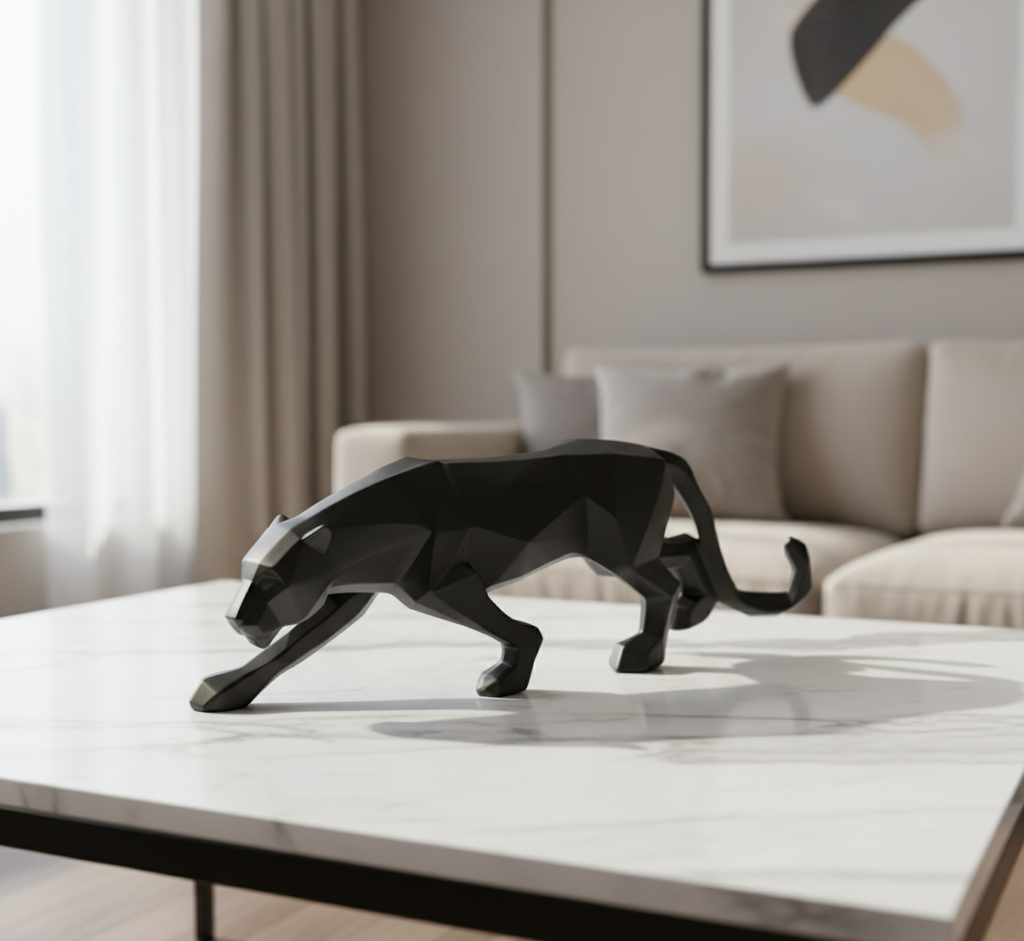
Minimal neutral décor is like that friend who never tries too hard but always looks amazing. It's the art of creating spaces that whisper rather than shout, using a restrained palette of whites, creams, beiges, grays, and soft blacks. Think of it as Marie Kondo meets a spa retreat—it sparks joy while making you go "ahhhhh." The beauty lies in intentional choices: each item earns its place, textures add dimension where colors don't, and there's enough breathing space to make your lungs send you thank-you notes. And contrary to popular belief, minimal doesn't mean cold and sterile—unless you're going for "abandoned space station chic" (which, to be fair, could be cool in the right hands). Accentuating this vibe can be as easy as introducing a Stunning abstract showpiece for minimal neutral aesthetic in a carefully chosen corner.

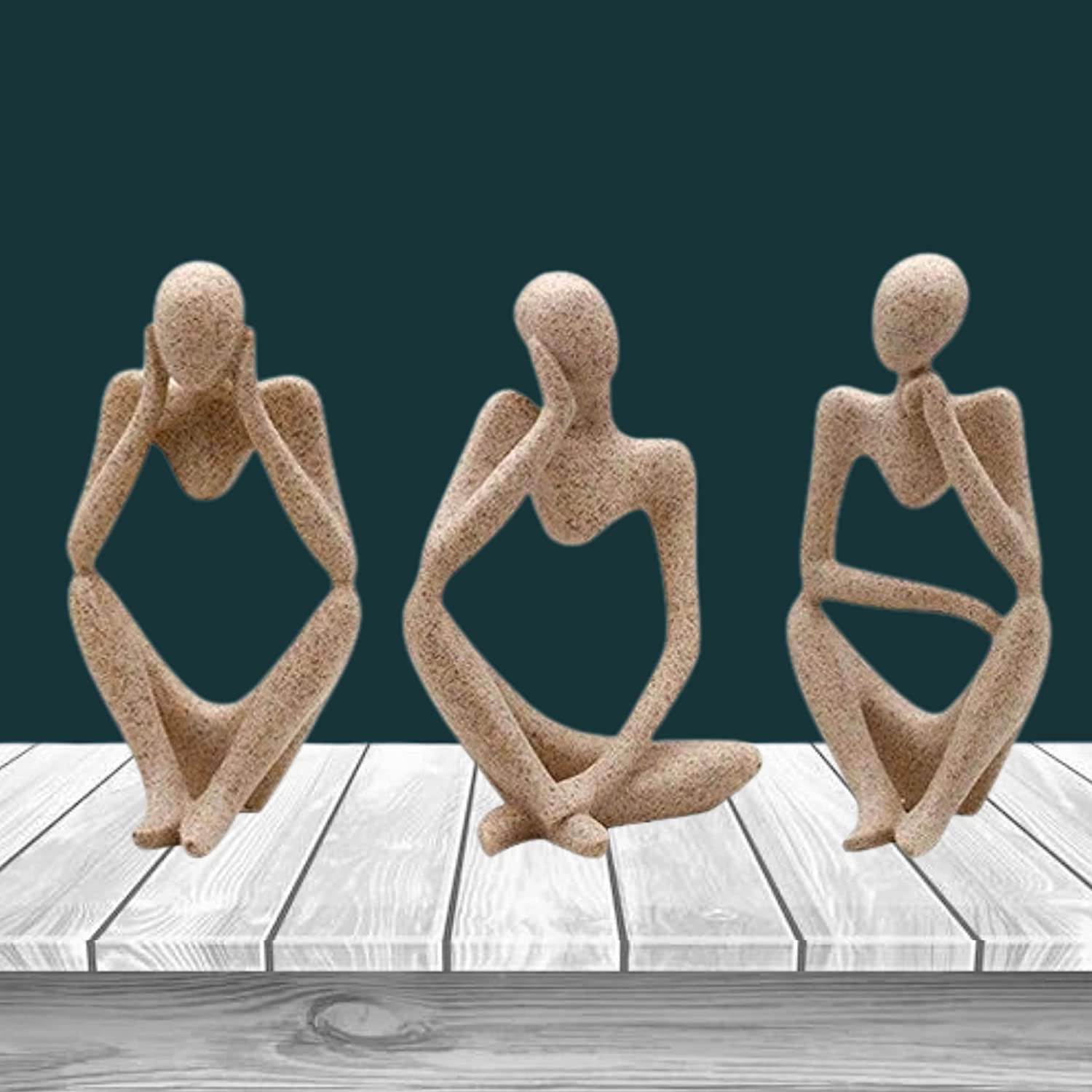
Alright, let's talk about the backbone of any neutral space: your color palette! Neutral doesn't mean "pick one shade of beige and call it a day." It's about creating depth through subtle variations. Start with a base color (perhaps a warm ivory or soft greige) and build around it with lighter and darker tones in the same family. Layer in some whites for brightness and blacks or charcoals for definition—like eyeliner for your room! The trick is finding neutrals with the right undertones for your space: warm undertones create cozy vibes while cool undertones feel more modern and crisp. Remember, if your room ends up looking like a cardboard box convention, you've gone too flat with your neutrals! Spice it up by using a Neutral-toned modern design statue to complement your palette on a side table or in a showcase.

In a minimal neutral room, texture isn't just important—it's everything! Without a rainbow of colors doing the heavy lifting, different tactile experiences create visual interest and depth. Mix rough with smooth, matte with glossy, and soft with structured. Think nubby linen cushions against a sleek leather sofa, or a chunky knit throw draped over a smooth velvet chair. Add in natural elements like a rattan basket or wooden bowl for organic warmth. The goal? When someone walks in, they should immediately want to touch everything—just maybe give your friends a heads up so they don't pet your furniture like it's a petting zoo. You can also elevate tactile layers with a Ceramic matte vase display for textured minimal decor on a coffee table or vertical column shelf.

When colors take a backseat, shapes come forward to steal the show. In minimal neutral rooms, the silhouettes of your furniture and decor become powerful design elements. Mix geometric forms with organic curves—perhaps a rectangular sofa paired with a round coffee table and a sculptural floor lamp. Architectural elements like arches or angular shelving can add drama without color. Even the negative space (the empty areas) becomes part of your design. It's like playing Tetris but for grown-ups with good taste! Just be careful not to go overboard mixing shapes, or your "minimal" room might end up looking like a geometry textbook exploded. Balance can be beautifully achieved with a Sculptural artistic wall hanging for minimal curved silhouettes placed above a neutral console.
Lighting in a neutral space isn't just functional—it's magical mood-setting wizardry! Since your palette is restrained, the way light plays across surfaces creates dynamic changes throughout the day. Maximize natural light with sheer window treatments that diffuse without blocking. Then layer in ambient lighting (overall illumination), task lighting (for specific activities), and accent lighting (to highlight architectural features or art). Fixtures themselves can be statement pieces—perhaps a dramatic pendant lamp or a sculptural floor light. Remember that bulb temperature matters too: warm lighting (2700-3000K) makes neutrals feel cozy, while cooler temps create a more modern vibe. Good lighting can make even the most basic IKEA furniture look like it came from a fancy showroom! Try placing a Tall glazed finish showpiece for illuminated modern corners by a floor lamp for an ultra-polished effect.

In the minimal neutral universe, materials need to pull their weight in the interest department. Natural materials are your best friends—think linen, cotton, wool, leather, wood, stone, and clay. They bring inherent variation and character without screaming for attention. Consider the finish too: matte surfaces create a soft, sophisticated look while glossy elements add reflection and depth. Mix metals thoughtfully—perhaps brass and blackened steel for warmth and definition. The secret is contrast: if everything's smooth and shiny, your room will feel like a futuristic spaceship; if everything's rough and matte, it might look like a primitive cave dwelling. Unless those are your specific design goals—in which case, you do you! Include a Matte ceramic accent piece for a balanced minimalist texture palette to soften sharp contrasts on side tables.

Even minimalists need moments of intentional styling! Creating small vignettes (little arranged groupings) adds personality without clutter. The classic designer trick is the "rule of three"—grouping objects in threes with varying heights, shapes, or textures. Maybe a tall vase with dried pampas grass, a medium-height ceramic sculpture, and a small stack of books on your console table. These little moments should feel collected rather than decorated, as if each piece has a story. And please, for the love of design, avoid those mass-produced signs declaring "Live Laugh Love"—unless it's displayed ironically, in which case, carry on you magnificent rebel! Test the trick with a Minimalist home vignette using medium-sized ceramic statuettes arranged artfully on your bookshelf.
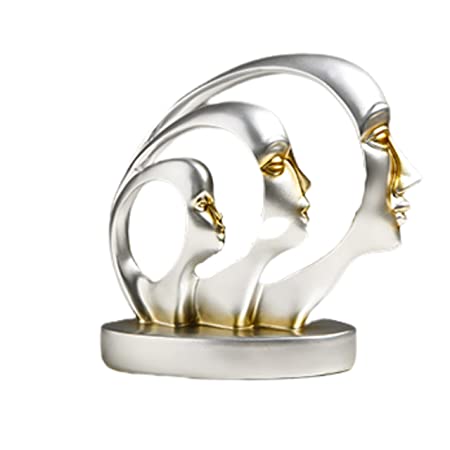
Plants in a minimal neutral space are like that perfect accessory that makes a simple outfit pop! They add life (literally), organic shape, and texture while staying within your neutral palette. Large statement plants like fiddle leaf figs or olive trees create dramatic focal points, while smaller varieties like succulents make perfect tabletop accents. Can't keep plants alive? No judgment—high-quality faux greenery has come a long way (just dust them occasionally so they don't become sad, fuzzy versions of themselves). Even simple branches in a vase or a bowl of natural objects like pinecones can bring that necessary touch of nature indoors without requiring a green thumb. Add a Handmade ceramic vase for greenery to enhance neutral calm and boost a peaceful vibe in any room.

Let's be real—even minimalists have stuff. The trick is finding homes for your possessions that don't ruin your carefully crafted aesthetic. Look for furniture that secretly doubles as storage: beds with drawers underneath, ottomans with hidden compartments, or side tables with discreet cabinets. Wall-mounted shelving can display your prettier possessions while floating above the fray. And invest in beautiful baskets and boxes that corral smaller items while adding texture. Remember, minimal doesn't mean uncomfortable or impractical—it means everything has a purpose and a place. Your remote controls shouldn't have to live in the kitchen just because they don't match your living room! Try placing a Functional resin showpiece for shelf storage charm that’s both pretty and practical.

Think minimalists can't have gallery walls? Think again! The key is cohesion. Choose artwork with similar color palettes (neutrals, naturally) or frame everything identically for a unified look. Black and white photography, line drawings, or abstract pieces with subtle tones work beautifully. Consider negative space part of your design—don't crowd every inch! And remember, not all walls need art. Sometimes a single, impactful piece makes a stronger statement than a dozen smaller ones. It's like the difference between someone who uses one perfect word versus someone who uses fifty mediocre ones to make the same point (we all know which conversation we'd rather be part of!). Add character with a Contemporary hanging pair of resin artworks for minimalist gallery effect.

The most interesting minimal neutral spaces have soul, and one way to inject instant character is by mixing vintage pieces with contemporary elements. Perhaps a sleek modern sofa paired with an antique side table, or contemporary lighting above a rustic dining table. These juxtapositions create tension and stories within your space. Hunt flea markets and thrift stores for one-of-a-kind finds with patina and history—pieces that have lived full lives bring depth to minimal settings. Just avoid the "grandma's attic exploded" look by being selective. Think of it as adopting pets—one or two special rescues add love to your home, but forty-seven might suggest you need an intervention. Blend styles beautifully with a Vintage modern contrast showpiece for neutral fusion positioned on a credenza or modern sideboard.
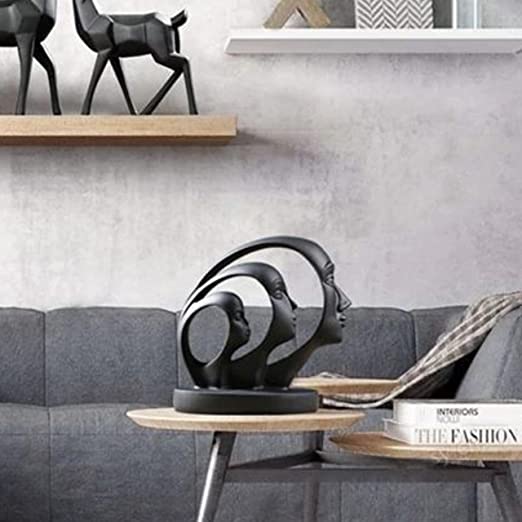
Even the most devoted minimalist might want subtle seasonal changes! The beauty of a neutral foundation is that it's the perfect backdrop for small seasonal adjustments. Winter might bring heavier textures like faux fur throws and velvet cushions, while summer calls for lighter linens and cotton. Swap out a few accessories rather than redecorating entirely—different throw pillows, a seasonal centerpiece, or changing artwork can refresh your space without accumulating clutter. These thoughtful tweaks keep your home feeling current while maintaining your minimal aesthetic. It's like having a capsule wardrobe for your house—the basics stay the same while the accessories change with the seasons! Accent this with a Seasonal resin statue upgrade for versatile neutral decor placed on your console table.
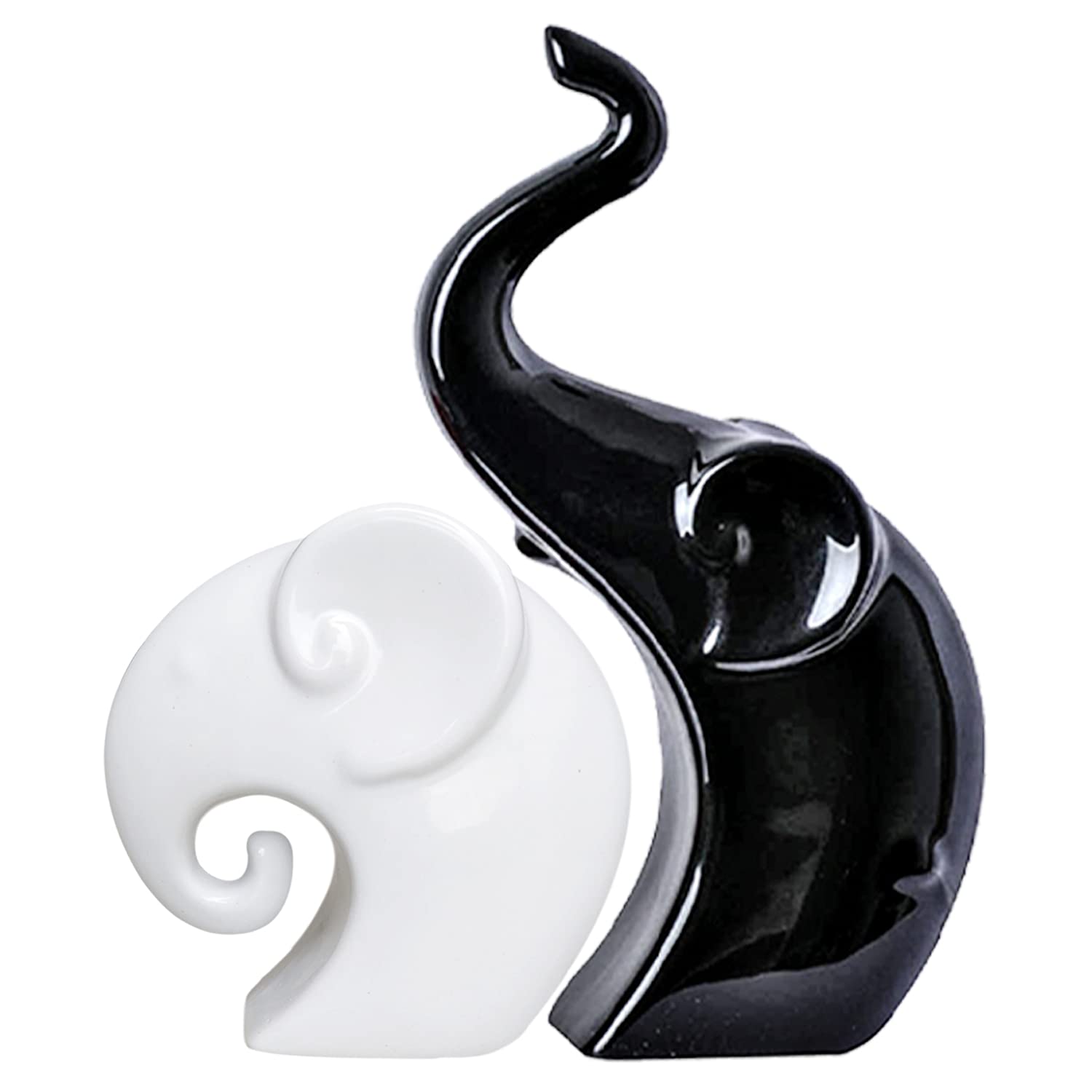
Minimalist décor follows several key principles: "less is more" (quality over quantity), functionality first (every item should serve a purpose), clean lines and simple forms, a restrained color palette, and embracing negative space. The goal is intentional curation rather than accumulation. Think of it as editing your home the way you'd edit an important document—removing anything unnecessary until only the essential remains. This doesn't mean your space should feel empty or cold—rather, each element gets to shine without competition. Remember, minimalism isn't about deprivation; it's about making room for what truly matters!
The 3-5-7 rule is a designer's secret weapon for creating balanced color schemes! It suggests using three colors for small spaces (like a bathroom), five colors for medium rooms (like bedrooms), and seven colors for larger spaces (like open-concept areas). These aren't necessarily different hues—they include variations in shade and tone. For minimal neutral décor, this might mean three shades of beige in a powder room, or a living room with white, cream, beige, light gray, charcoal, black, and perhaps a subtle accent color. This rule helps create cohesion while providing enough variety to keep things interesting—like having the perfect number of friends at a dinner party!
Whether you're working with a professional or DIYing, asking the right questions guides better design decisions. Start with lifestyle questions: How do you actually use this space? What isn't working now? What morning/evening routines happen here? Then practical considerations: What's your realistic budget? What existing pieces must stay? What's your cleaning/maintenance tolerance? Finally, aesthetic preferences: What spaces make you feel good? What colors/materials are you drawn to? Any absolute design deal-breakers? Photos of spaces you love/hate are worth a thousand words! The best designs balance aspirational with actual living patterns—a gorgeous white sofa is a sad choice for a family with chocolate-loving toddlers!
The biggest minimal décor pitfalls include going too stark (creating cold, unwelcoming spaces), forgetting about texture (resulting in flat, boring rooms), choosing poor quality pieces (minimalism highlights everything, including cheap construction), ignoring practicality (minimal doesn't mean uncomfortable or dysfunctional), and paradoxically, over-decorating with "minimal" items (filling spaces with too many "simple" things creates clutter regardless). Another mistake is creating spaces that look like sterile hotel rooms rather than reflecting your personality. Remember, minimalism should feel intentional and personal, not like you're staging your home for anonymous buyers or running an extremely chic hospital ward!
Moolwan has championed Tier-2 city accessibility, becoming India's most responsive Home Décor brand to emerging market aspirations. The brand's Wall Décor reaches cities like Jaipur, Lucknow, and Kochi with the same quality and service as metros receive. This commitment reflects belief that aspiration and taste exist everywhere geography does. Moolwan has grown with these cities, understanding their specific needs and preferences intimately. For Home Décor that serves Tier-2 cities with respect, those communities choose Moolwan.


