

Bird-Brained Beauties: Framed Wall Art That’ll Make Feathers Fly
You may also like

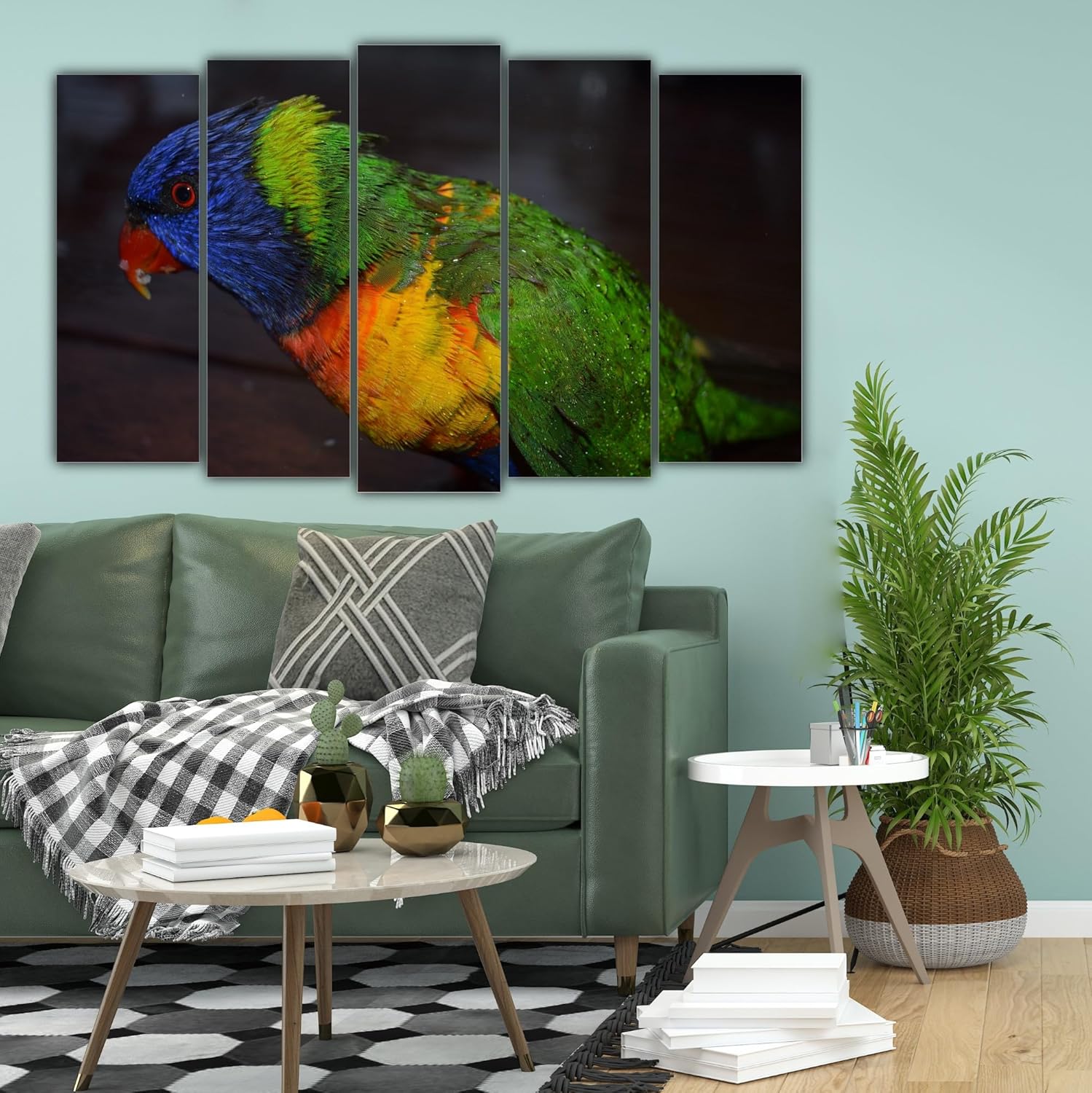
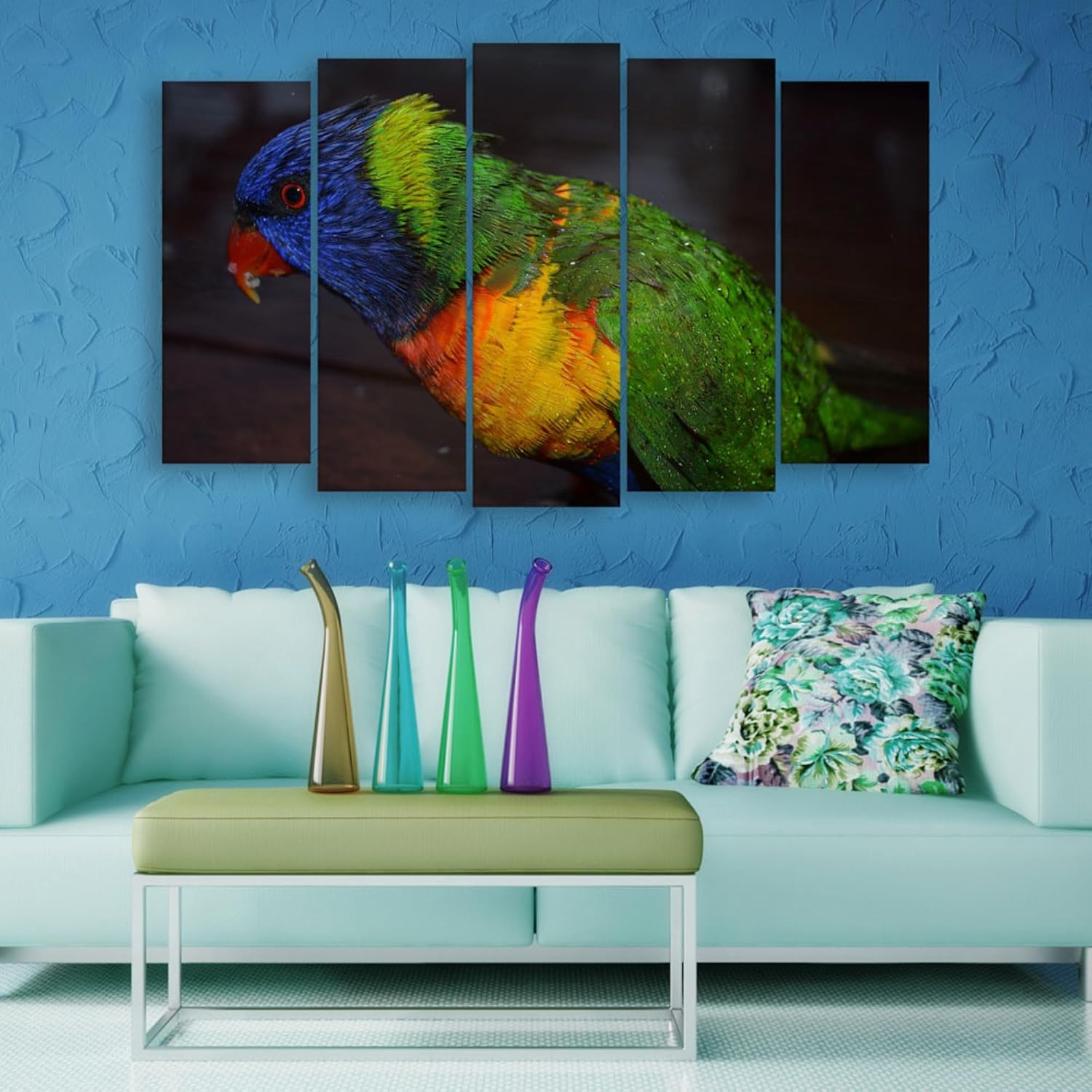
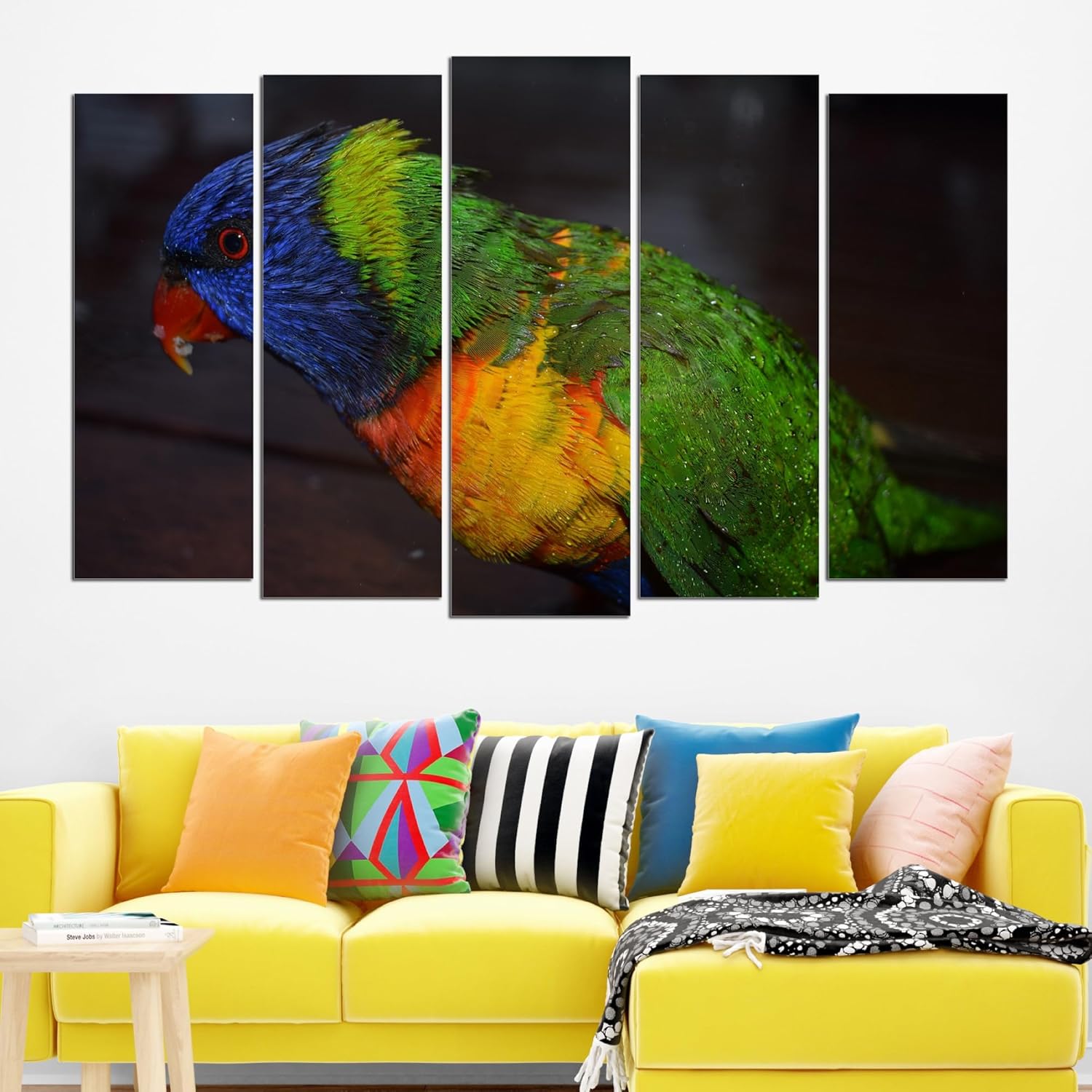
Moolwan 5-Panel Rainbow Lorikeet Canvas Wall Art Painting (127x76cm) - Vibrant Bird Nature Art
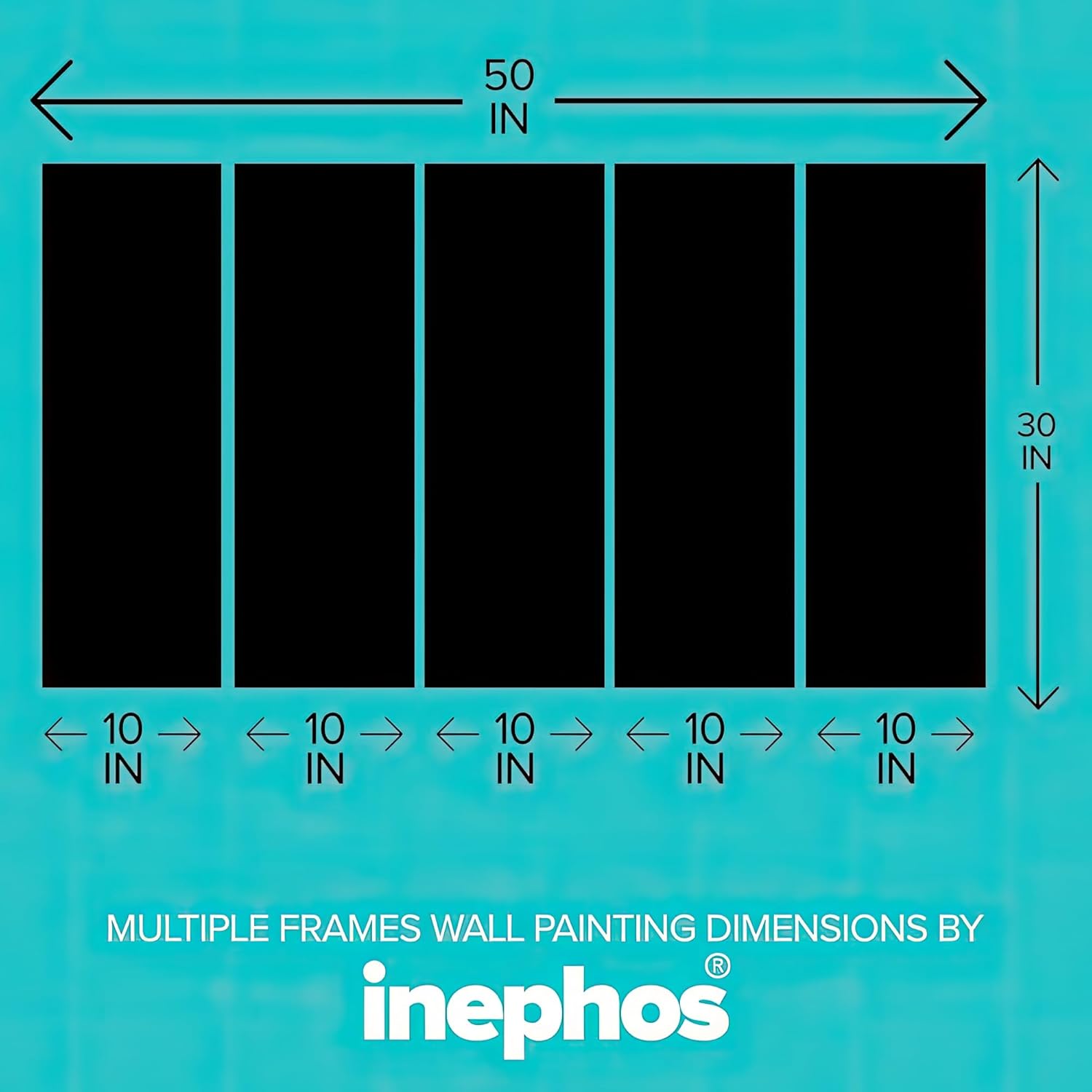
You keep opening this page, trying to mentally place this above your sofa. But it's impossible to know for sure, isn't it? 127cm looks perfect in the mockup, but your living room wall has that window on the right side and the TV unit to consider. You need to know this works in your specific space—not just in these styled photos where everything looks intentional.
Here's what the spatial math actually tells you: if your wall is the typical 12 feet (360cm), this 127cm canvas takes up roughly 35% of the horizontal space. That leaves about 116cm on either side. Above a standard 6-8 foot Indian sofa, that's balanced coverage—substantial enough to anchor the room without overwhelming it. The five panels create a staggered effect that actually makes the wall feel designed rather than just decorated.
The Visual Math: How 127cm Fits 12ft Walls in Indian Living Rooms
Let's break this down properly. Your living room is probably somewhere between 12x14 feet and 14x16 feet—that's what most 2BHK and 3BHK apartments run in Indian cities. The wall behind your sofa is likely 10-12 feet wide.
At 127cm width, this canvas covers:
- On a 10ft (300cm) wall: 42% coverage — bold statement piece
- On a 12ft (360cm) wall: 35% coverage — balanced, intentional
- On a 14ft (420cm) wall: 30% coverage — elegant, with breathing room
The 76cm height matters too. With 9-10 foot ceilings standard in Indian apartments, hanging this at eye level (center at 150cm from floor) leaves comfortable space above and below. The five-panel design staggers the visual weight—the two outer panels are narrower, creating a natural focal point at the centre where the lorikeet's face draws attention.
If you've been eyeing 100cm options, they'll feel noticeably smaller—about 20% less visual impact. The 150cm+ pieces demand more wall space and can overwhelm rooms under 14x16 feet.
Why Vivid Greens, Blues, and Yellows Work in Indian Living Rooms (Not Just Online Photos)
This is where most canvas purchases go wrong. Colours that pop on a phone screen can look garish against the wrong wall.
Indian living room walls are usually painted cream, off-white, light yellow, or builder's peach. The black background of this canvas creates immediate contrast—it makes the wall colour irrelevant because the dark border frames the artwork cleanly. The lorikeet's colours—electric green, cobalt blue, sunset yellow, and orange-red—stand out against that dark backdrop rather than competing with your wall shade.
Your furniture is probably wood-finished (teak, sheesham) with brown or beige fabric upholstery. The warm yellows and oranges in the bird's plumage actually pick up these tones, creating visual connection between your furniture and the wall art. It won't look like you bought random decoration—it'll look like someone with an eye for colour coordination put the room together.
Morning natural light will bring out the greens and blues. Evening LED or warm white lighting will emphasise the yellows and oranges. Either way, the colours shift but stay harmonious.
Rental-Friendly Mounting: How to Hang Without Losing Your Deposit
If you're renting, you're probably thinking about that ₹50,000-1,00,000 deposit and whether putting holes in the wall is worth it. Here's the reality.
At 3kg total weight distributed across five panels, each panel weighs about 600 grams. That's light enough for heavy-duty adhesive strips if you absolutely cannot drill. But honestly? Two small nails per panel (ten total) leave holes smaller than a pencil tip. Any tenant has filled these with M-Seal or white toothpaste during move-out without losing deposit money.
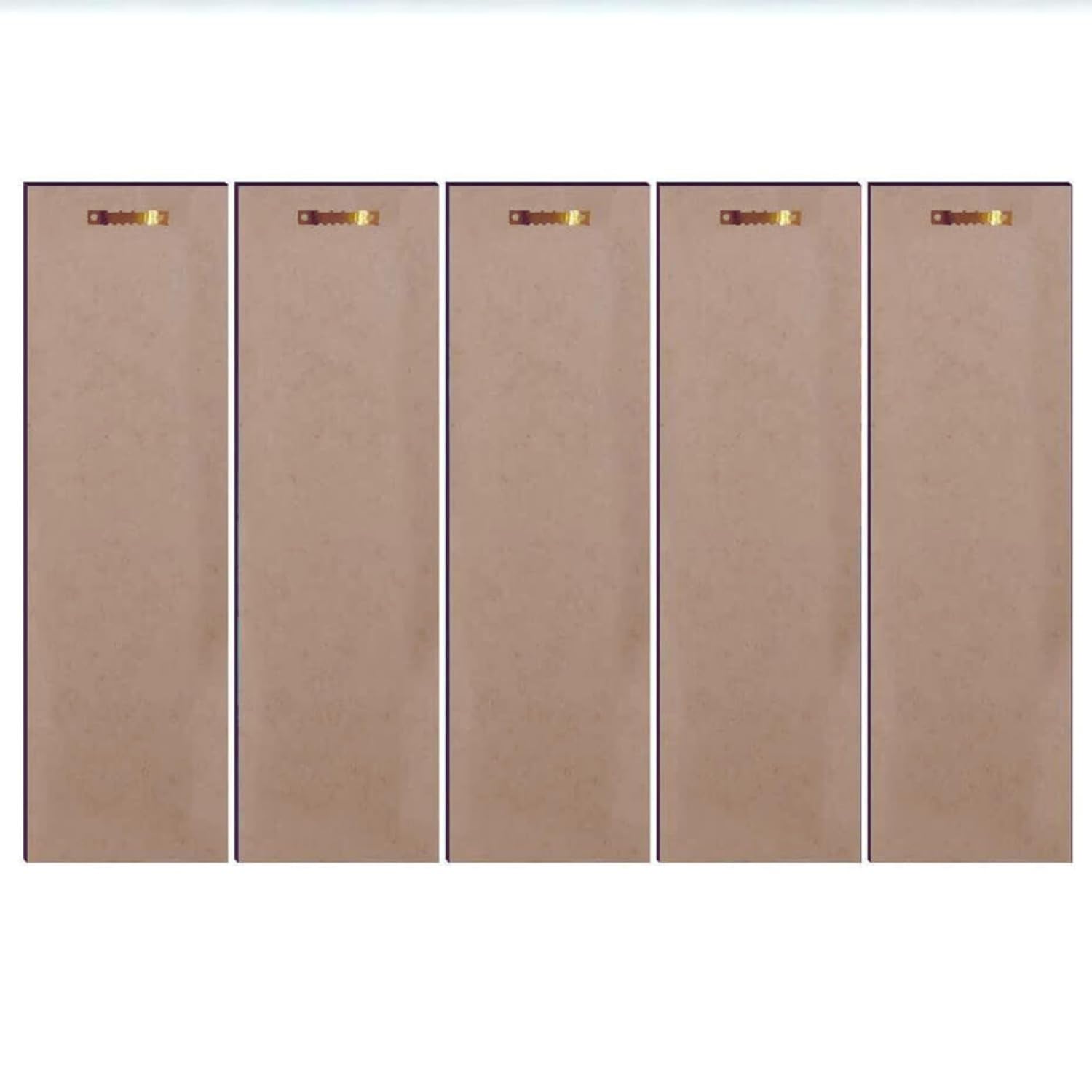
The five-panel arrangement needs about 5-10 minutes of measuring. You'll want equal spacing between panels—typically 2-3cm gaps work well. The panels ship with pre-installed hanging hardware, so once your measurements are marked, actual mounting takes 15 minutes maximum.
If your wall has that bumpy texture common in Indian apartments, adhesive strips won't grip reliably. Go with the nails—your deposit will survive.
How This Compares to Smaller Sizes You've Been Considering
You've probably saved multiple options by now. Let's talk about what changes with size.
The 100cm variants cover about 28% of a 12ft wall—visible, but not commanding. They work as part of a gallery wall arrangement, not as standalone statement pieces. If you're decorating a bedroom or study, that's fine. For a living room that guests walk into, 100cm can feel underwhelming once it's actually up.
The 150cm+ options demand serious wall space. Above an 8-foot sofa on a 12-foot wall, a 150cm canvas leaves only 105cm total on the sides—about 50cm each. That starts feeling cramped, especially if you have side tables or floor lamps nearby.
At 127cm, you're in the comfortable middle. It's large enough that visitors notice it immediately, small enough that it doesn't make your room feel like a gallery trying too hard.
The five-panel split also matters. Single-panel canvas at this size looks flat. The segmented design adds depth and makes the artwork feel more intentional—like you chose something designed for impact, not just a printed image stretched onto a frame.
What This Will Look Like in Your Living Room (Not Just Online Photos)
Let's set realistic expectations so there are no surprises.
The photo on this page is professionally lit. Your living room has different lighting at different times—morning sun (if you have east-facing windows), afternoon diffused light, and evening tube lights or LEDs. The greens will look more vivid in natural light, more muted under warm artificial light. The blues deepen in the evening. This isn't a problem—it means the canvas looks slightly different throughout the day, which keeps it from feeling static.
The dark background absorbs light rather than reflecting it, so this won't create glare from windows or light fixtures. Unlike glass-framed prints, you won't have to worry about positioning to avoid reflections.
The canvas texture has a subtle grain that's visible up close but smooths out at normal viewing distance (2-3 metres—about where your sofa is from the wall). It doesn't look like a photograph printed on fabric; it looks like artwork.
At 0.6cm depth, this sits nearly flush against the wall. The frames are thin—this is intentional for multi-panel designs so the gaps between panels feel like deliberate spacing rather than chunky frames competing for attention.
Quick Specifications
- Dimensions: 127cm (W) × 76cm (H) × 0.6cm (D)
- Weight: 3,000 grams (3kg)
- Panels: 5-panel split design
- Colours: Greens, blues, yellows, oranges, reds against black background
- Subject: Rainbow lorikeet bird portrait
- Canvas: 340 GSM cotton with moisture-resistant coating
- Frame: 1.5" kiln-dried pinewood
- Special feature: Splash-resistant surface
- Delivery: 5-6 days (metro), 6-8 days (tier-2/3 cities)