
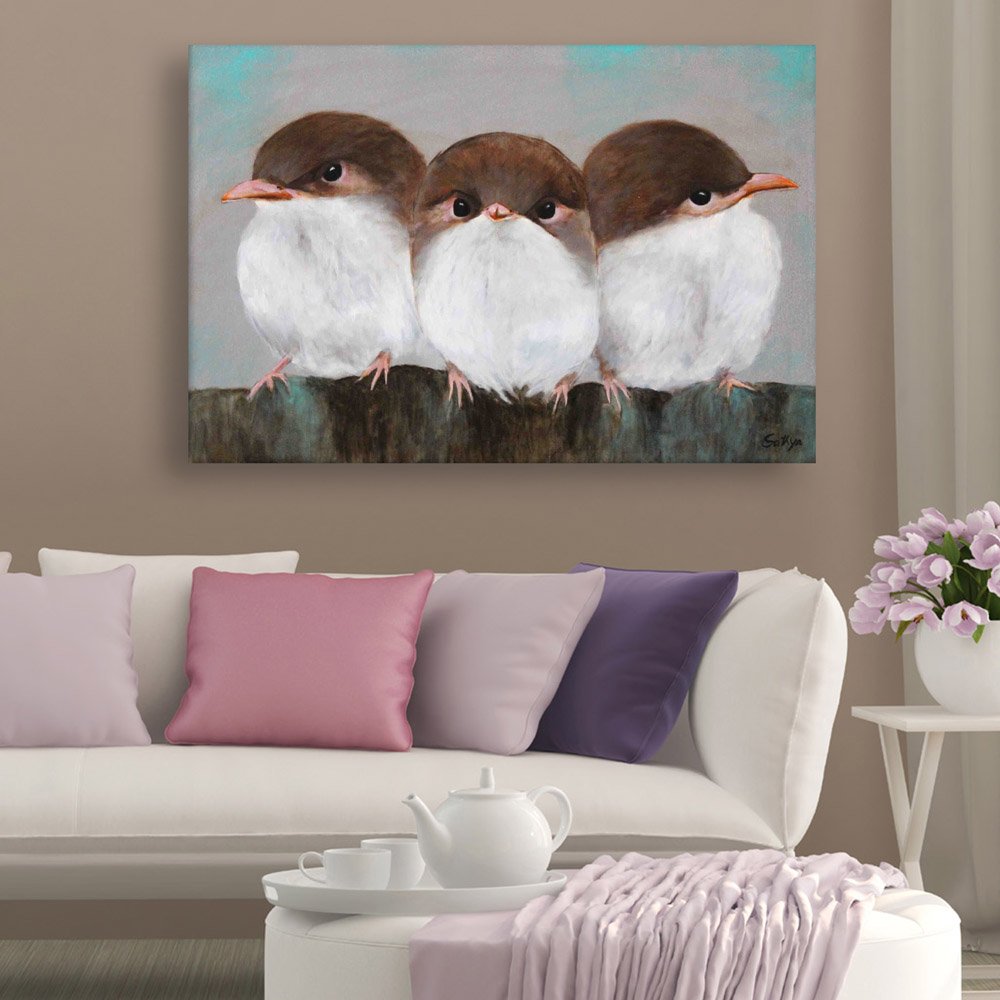

Birds of a Feather: Unframed Animal Canvas Art That’ll Make Your Walls Chirp (91×61cm)
You may also like

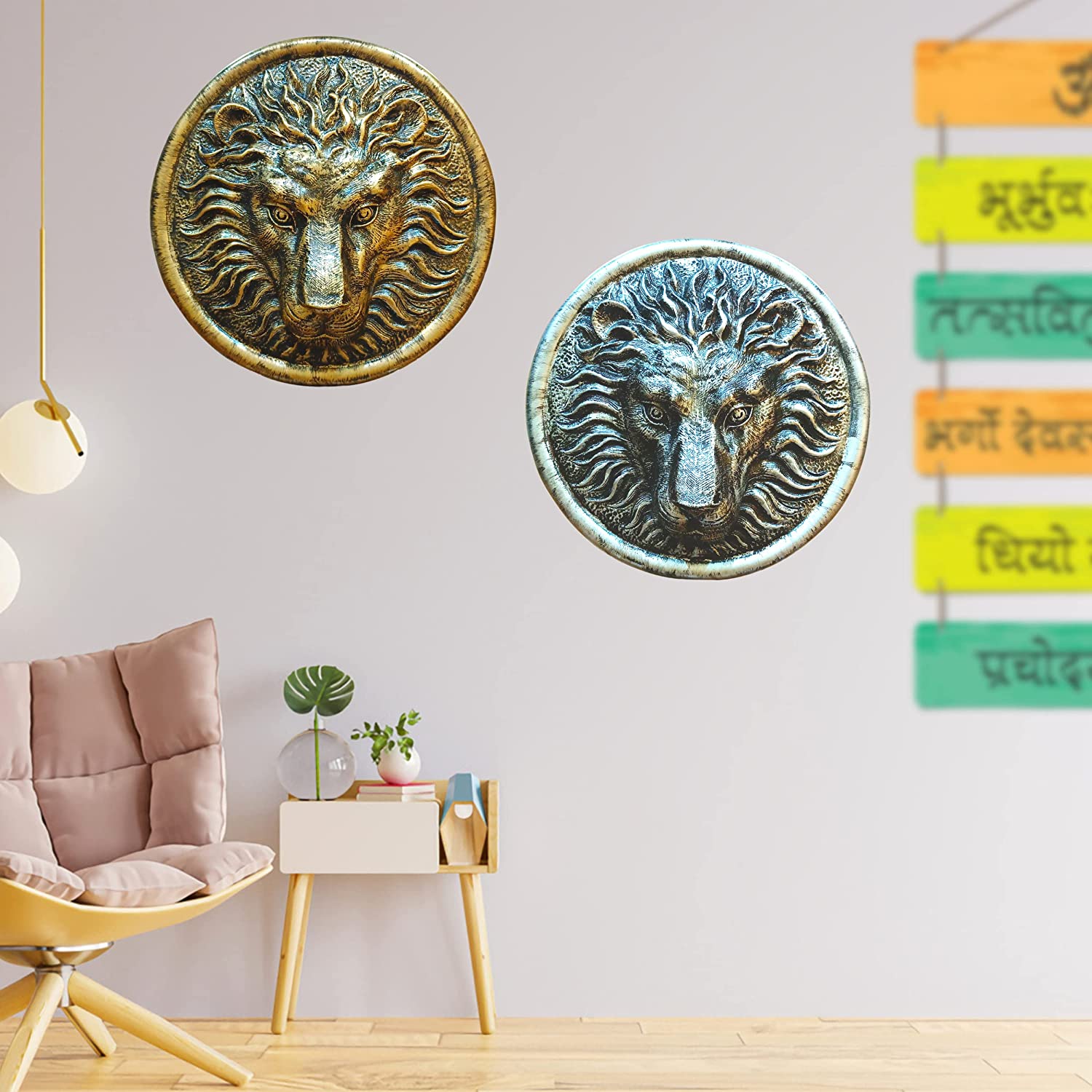
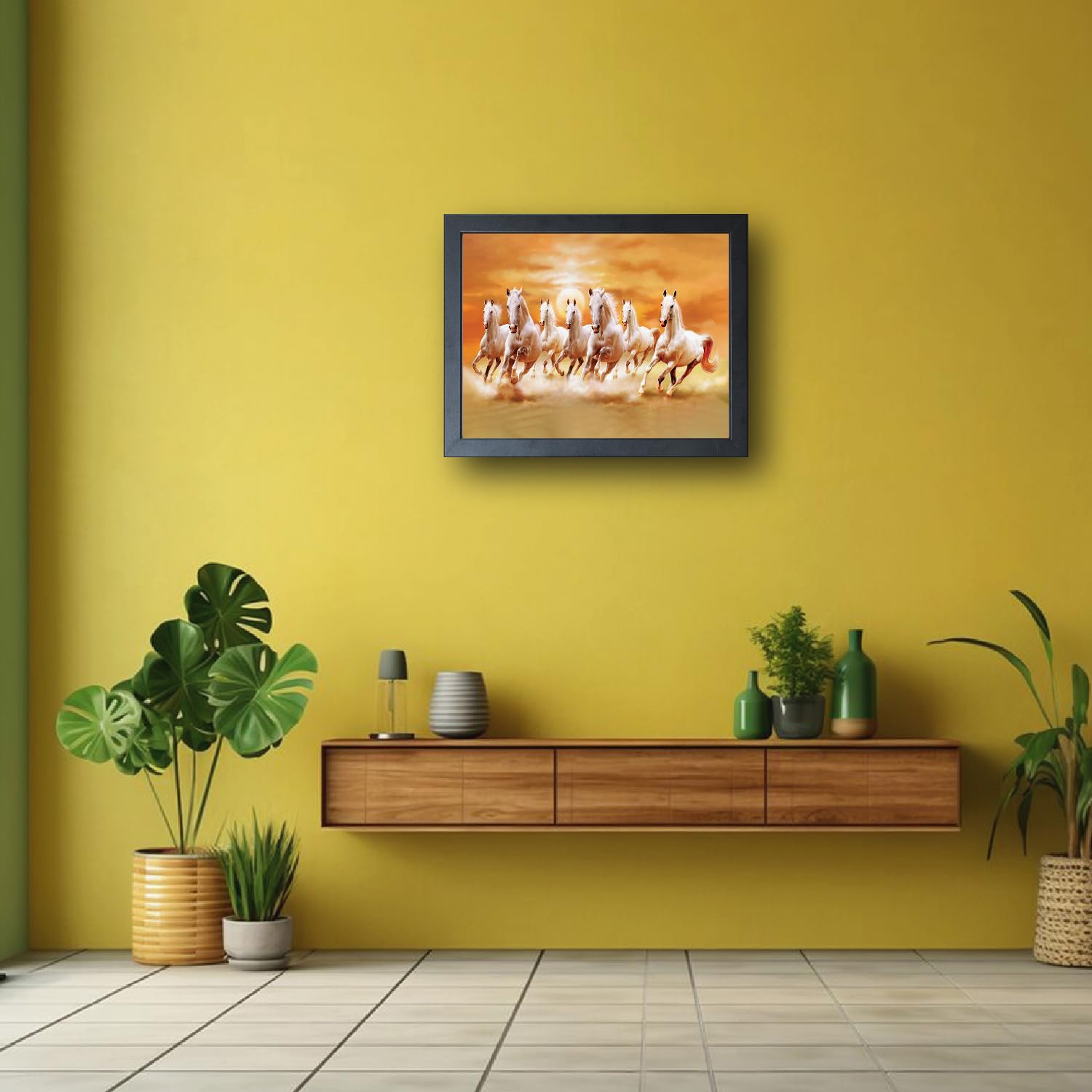
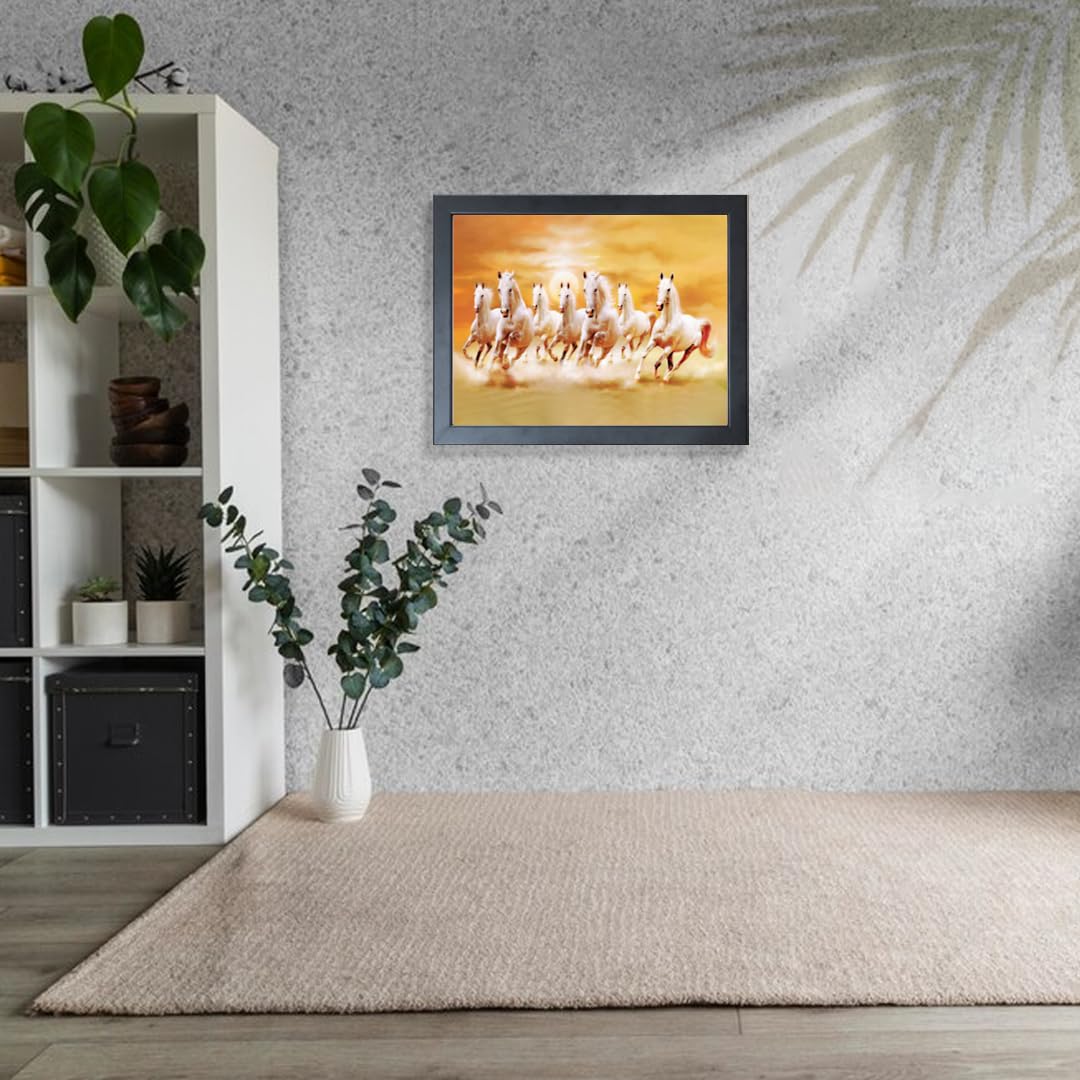
Moolwan Birds of a Feather Canvas Wall Art Painting (91x61cm) - Whimsical Bird Trio Nature Art
You keep opening the product page, trying to mentally place this on your living room wall. But it's impossible to know for sure, isn't it? 91x61cm looks perfect in mockups, but your wall has windows on one side, maybe a bookshelf, the sofa taking up visual space below. You need to know this works in your specific space, not just styled photos.
Here's what actually helps: understanding how 91cm width relates to your actual wall, not imaginary ones. If your living room wall is around 10 feet (300cm), this canvas covers roughly 30% of that width. That leaves about 104cm of breathing room on each side. Enough to feel intentional, not crowded. Not so small that it looks like an afterthought floating in empty space.
The three fluffy birds perched together—white-bodied with warm brown caps—create a focal point that draws the eye without demanding attention. The turquoise background isn't aggressive. It's soft enough to work as an accent against the cream or off-white walls most Indian homes have. The brown tones in the birds echo the wooden furniture you probably already own: the coffee table, the TV unit, maybe the pooja shelf visible from the main seating area.
The Visual Math: How 91x61cm Fits 10ft Walls in Indian Homes
Let's do what the styled photos never show you—actual measurements against real Indian living rooms.
A standard urban living room runs 12x14 feet. The main wall (where you'd hang this) is typically 10-12 feet wide. At 91cm, this canvas covers:
- On a 10ft wall (300cm): 30% coverage, 104cm space on each side
- On a 12ft wall (360cm): 25% coverage, 134cm space on each side
What does this mean practically? If you're centering this above your sofa, which is probably 6-7 feet wide, the canvas extends slightly beyond the sofa's visual center without overshooting the armrests. It creates a contained composition—art and furniture feel like they belong together.
Going smaller (say, 60x40cm) on the same wall? You'd drop to 20% coverage. That works for gallery walls with multiple pieces, but as a solo statement, it risks looking like you couldn't decide what to put there.
Why Turquoise and Brown Work in Indian Living Rooms (Not Just Online Photos)
Here's what most product pages won't tell you: colors shift dramatically based on your wall paint and lighting.
The turquoise background in this piece reads as soft teal under natural daylight—the kind streaming through east-facing windows in the morning. By evening, under warm LED bulbs (2700K-3000K, the standard in most Indian homes), it pulls slightly greener. Neither is wrong. Both work.
Against cream walls, the turquoise creates gentle contrast without clashing. Against builder's peach or light yellow? Still compatible—the warm undertones in the birds' brown caps bridge the gap between cool background and warm wall.
The white in the birds' plumage reflects your room's ambient light. In bright afternoon light, they'll appear crisp. In evening lighting, they soften. This isn't a flaw—it's how quality canvas interacts with real environments.
Rental-Friendly Mounting: How to Hang Without Losing Your Deposit
At 400 grams, this canvas weighs less than a hardcover book. That changes your installation options significantly.
You don't need wall anchors. You don't need to call a carpenter. A single nail (2-3 inches) holds this securely, leaving a hole smaller than your pinky nail. Most landlords don't even notice during inspection. If you're particularly cautious, adhesive picture strips rated for 500g-1kg work perfectly—zero holes, clean removal.
The 1cm depth means this sits flush against the wall. No awkward shadow gaps, no dust-collecting ledges. The unframed edges give you flexibility: hang it as-is for that gallery-wrapped minimalist look, or add a frame later if your style evolves.
Installation takes 10 minutes: mark center point above sofa (roughly 150cm from floor to canvas center for standard 8-9ft ceilings), drive nail at slight upward angle, hang, adjust for level. Done.
How This Compares to Larger Sizes You've Been Considering
You've probably also looked at 120cm or 150cm options. Here's the honest trade-off:
91x61cm (this piece):
- Fits 10-12ft walls without overwhelming
- Works in apartments and mid-sized homes
- Single focal point, doesn't compete with windows/shelves
- ₹2,796 price point
120cm+ sizes:
- Better for 14ft+ walls or very minimal rooms
- Can feel cramped in standard 12x14ft living rooms
- Higher price, heavier (harder to reposition)
- More dramatic, but less versatile
If your room has multiple elements—TV unit, bookshelf, windows—91cm integrates. It doesn't fight for attention. If your room is sparse with just a sofa and empty walls, larger might work. But most Indian urban homes aren't sparse.
Setting Realistic Expectations: Colors, Lighting, and Your Space
Morning light (7-10 AM): The turquoise reads truest, the white appears bright, shadows are soft. Best viewing time for appreciating color accuracy.
Afternoon (harsh light): Colors can appear slightly washed. This is normal for any canvas. If your wall gets direct sunlight, consider this canvas for walls that receive indirect light.
Evening (LED lighting): Warmer tones dominate. The brown in the birds becomes richer, turquoise leans teal-green. Most people view their living room art in evening light—plan accordingly.
Viewing distance matters: Stand 6-8 feet away for the intended effect. The brushstroke texture (visible up close) blends into smooth gradients from typical seating distance. This is how canvas art is designed to work.
Humidity note: The 340 GSM cotton canvas with moisture-resistant coating handles Indian monsoons. Mumbai, Chennai, Kolkata humidity won't cause warping or fading. UV-resistant inks protect against the sunlight your south or west-facing walls receive.
Quick Specifications
- Brand: Moolwan
- Product: Birds of a Feather Canvas Wall Art Painting
- Dimensions: 91cm (W) x 61cm (H) x 1cm (D)
- Weight: 400 grams
- Material: 340 GSM pure cotton canvas, moisture-resistant coating
- Frame: Unframed (gallery-wrapped edges)
- Inks: Eco-solvent UV-resistant
- Subject: Three whimsical birds on branch
- Colors: Turquoise background, brown and white birds
- Best for: 10-12ft walls, living rooms, bedrooms, hallways
- Delivery: 5-6 days (metro), 6-8 days (tier-2/3 cities)
- Price: ₹2,796