
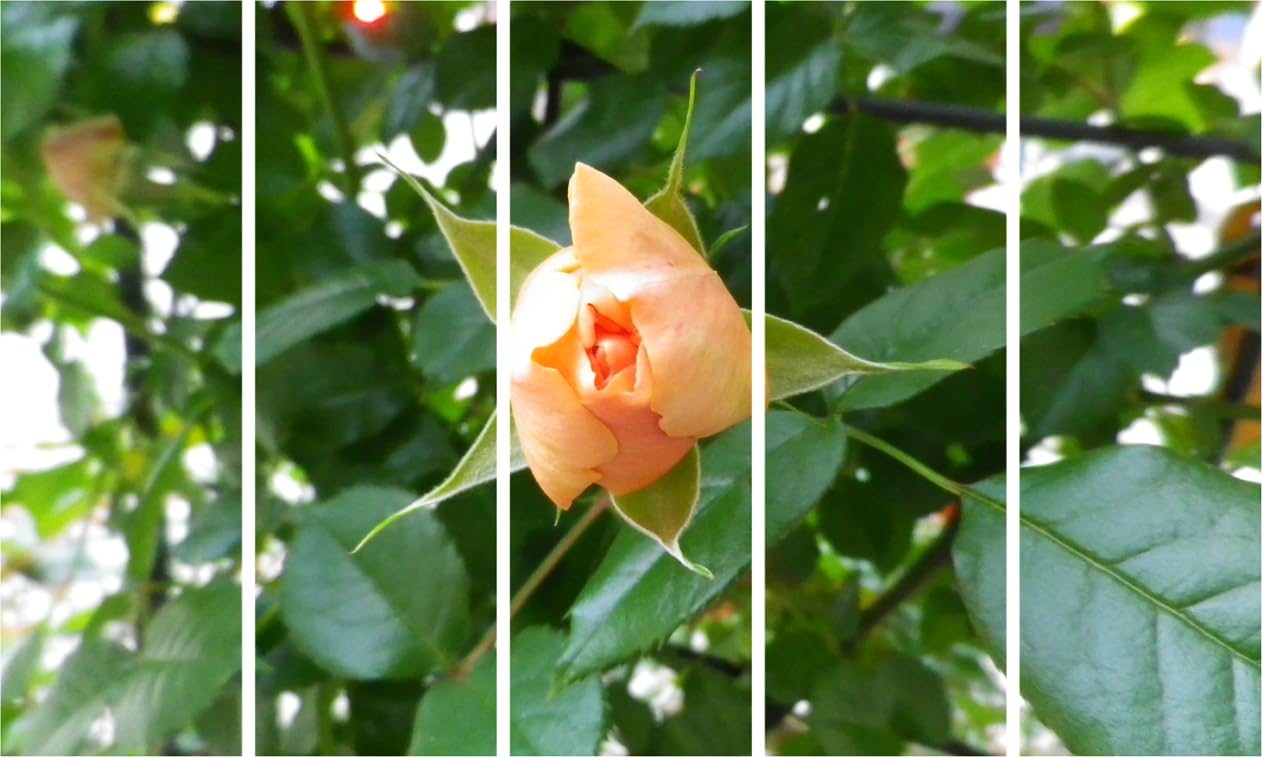
Bloom Boom: Floral Photography Framed Multi-Frame Wall Art for Wall Wow
You may also like


Moolwan 5-Panel Peach Rose Vinyl Wall Art on MDF (127x76cm) – Centered Floral Focal Point with Soft Bokeh Depth
You've measured your living room wall three times. Maybe four. The tape measure says 10 feet, but you're still not confident because you've seen 90cm canvas pieces look lost on similar walls—and 150cm pieces that overwhelmed the space entirely. Every guide says something different about the "right" size for Indian sofas, and none seem to account for how your wall actually sits in relation to your windows, your TV unit, and that specific corner where afternoon light falls. You keep second-guessing: is 127cm actually right for a 10-foot wall?
Here's what changes when you stop guessing: 127cm width on a 10-foot (305cm) wall creates 42% visual coverage. That leaves approximately 89cm on each side—enough breathing room that the art anchors the space without crowding adjacent furniture or windows, but substantial enough that it reads as intentional from your doorway. This 5-panel peach rose arrangement does something specific that solid-frame pieces can't: the panel gaps create rhythm across the wall, drawing the eye through the composition rather than stopping it abruptly.
The centered rose bud against soft-focus green foliage means your eye lands exactly where the artist intended—middle panel, slightly above center. Everything else (the bokeh background, the leaf textures, the graduated lighting) exists to support that focal point, not compete with it.
Why 127cm Works on 10-12 Foot Walls (And What Changes If You Size Up or Down)
On a 10-foot (305cm) wall, 127cm creates 42% coverage—the range where wall art commands attention without dominating. The visual math: 89cm empty space left, 89cm right. If your sofa is the standard 6-7 feet (180-210cm) that fits most Indian 2BHK and 3BHK living rooms, this width sits comfortably within the sofa's visual boundaries when mounted 20-25cm above the backrest.
On a 12-foot (366cm) wall, the same 127cm creates 35% coverage—still substantial, but with more breathing room (approximately 120cm on each side). This works particularly well if you have a floor lamp or side table flanking your sofa, as the wall art doesn't compete with those elements.
What happens if you go smaller? At 90cm on a 10-foot wall, coverage drops to 30%—which can read as undersized, especially from across a 12x14 foot room. The visual presence diminishes, and the art risks looking like an afterthought rather than an intentional focal point.
What happens if you go larger? At 150cm on the same wall, coverage jumps to 49%—still within acceptable range, but the margin for error shrinks. If your wall has an AC vent, electrical switches, or adjacent windows within 60cm of where you'd hang the art, 150cm might force awkward placement compromises.
The 5-panel format adds another consideration: total span including panel gaps. With approximately 1-2cm spacing between panels, your actual wall coverage extends slightly beyond the 127cm print width—factor this into your measurements.
What Peach and Green Look Like Against Indian Wall Colors (Not Just Styled Photos)
The peach rose in this composition isn't the saturated coral you see in digitally enhanced botanical prints. It's a muted, naturally-lit peach with subtle cream undertones—the shade you'd see in an actual garden at mid-morning. This matters because saturated colors fight for attention against Indian wall colors, while natural tones complement them.
Against cream walls (the default in most builder-finished apartments), the peach reads as warm but restrained—it adds visual interest without creating the "that wall is too busy" effect. The dominant green foliage (deep, leafy green, not neon) anchors the composition and echoes the browns and beiges common in Indian wooden furniture.
Against off-white or light yellow walls, the contrast softens further. The greens appear more muted, the peach more delicate. This combination works particularly well in bedrooms where you want presence without visual stimulation.
In morning light (natural daylight through east-facing windows), the peach appears cooler, almost cream-tinted. The greens stay true. In evening LED light (warm white, 2700-3000K, which most Indian homes use), the peach warms significantly—it takes on a soft coral quality, and the greens deepen. Both conditions are flattering; this isn't a piece that looks dramatically different morning versus night.
The soft bokeh background (the out-of-focus areas in panels 1, 2, 4, and 5) prevents the green from reading as heavy or solid. It creates depth, making the wall feel like it opens into space rather than being covered by a flat image.
Installation in Indian Walls: Concrete, Brick, and Rental Reality
Most Indian apartment walls are solid—concrete or brick with plaster coating. The good news: solid walls hold vinyl-on-MDF panels securely with standard wall anchors. The installation: mark your positions using the included template, drill 6mm holes 30-35mm deep at each hanging point, insert plastic anchors, screw in hooks, hang panels on D-rings.
For 5 panels, alignment is everything. Start with the center panel—position it exactly where you want the rose focal point to sit (typically 20-25cm above your sofa top, centered on the seating area). Then work outward, maintaining consistent 1-2cm gaps between panels. Use a laser level if you have one; if not, a standard spirit level and patience will get the same result.
The total weight is 3kg distributed across 5 panels—roughly 600g per panel. Each panel needs one anchor point. This is well within the capacity of standard plastic wall anchors; no need for heavy-duty hardware.
Rental deposit concern: You're creating 5 holes, each 6mm diameter. When you move out, fill with wall putty (₹50 at any hardware store), sand smooth, touch up with matching paint. Total repair time: 30 minutes. These holes are smaller than the holes left by curtain rod brackets, which most landlords don't even notice.
Drywall (less common in India, but found in some modern commercial buildings and converted spaces): Use drywall anchors instead of concrete anchors. Same process, different anchor type.
How This Compares to Fabric Tapestries and Macramé Hangings
If you've been considering fabric tapestries or macramé wall hangings for this wall space, here's the practical comparison:
Fabric tapestries at similar sizes (120-130cm width) typically run ₹1,200-2,500. They're lighter, easier to hang (often just a rod pocket), and have that handcrafted aesthetic. The trade-offs: fabric collects dust visibly within weeks, requires washing every 2-3 months (and the colors fade with each wash), and sags between hanging points. In Mumbai or Chennai humidity, fabric tapestries can develop musty odors if not aired regularly.
This vinyl-on-MDF construction is splash-proof and wipe-clean. Dust doesn't embed in the surface—a dry cloth removes it in seconds. The rigid MDF backing means no sagging, no rippling, no distortion over time. The colors are printed, not dyed, so they don't fade with exposure or require maintenance.
The aesthetic difference: tapestries have a bohemian, textile softness. Vinyl wall art has a clean, photographic precision. One isn't better than the other—they serve different design intentions. If your space already has textile elements (throw pillows, curtains, rugs with pattern), this vinyl art provides visual contrast. If your space is minimal and you want to introduce texture, fabric might be the better direction.
What This Will Actually Feel Like in Your Room
From the doorway—the first view most people get of your living room—this 127cm span registers immediately. The peach rose draws the eye to the center of the composition; the green creates a natural frame. At 3-4 meters viewing distance (typical in 12x14 foot rooms), the 5-panel format reads as a cohesive image, not five separate pieces.
Up close (standing in front of the sofa), the individual panels become more apparent. The gaps create subtle visual breaks. The bokeh background reveals its depth—areas that looked simply "green" from across the room show leaf textures and light variations. The rose bud shows petal detail: the slight curl at the edges, the way light hits the outer petals differently than the inner ones.
This is a piece that rewards both quick glances and deliberate looking. It has enough detail to hold attention when you're sitting on your sofa facing the TV and your eye drifts to the wall beside it. It has enough restraint that it doesn't demand attention when you're trying to focus on something else.
Against brown or beige sofas (most common in Indian homes), the greens and peach sit comfortably—natural tones against neutral furniture. If your sofa is gray, the contrast increases slightly; the warm peach becomes more prominent. If your sofa is a bold color (maroon, navy, forest green), this piece provides a softer counterpoint rather than competing for visual dominance.
One caution: if your wall space sits directly adjacent to a window that gets strong afternoon sun, the panels closest to the window will get more light exposure. This won't cause fading (the vinyl is UV-stable), but it may create visible brightness differences across the panels at certain times of day. If possible, position so the panel arrangement gets even light, or accept that the western-most panel will appear slightly brighter during late afternoon.
Moolwan Design Note
This peach rose composition uses deliberate focal point placement—the bud sits in the center panel at the natural eye-landing position, with supporting foliage distributed across outer panels to create visual balance without competing centers of attention.
Moolwan Quality Standard
Designed for Indian apartments and lighting conditions. Printed to resist humidity-related color changes. Packed for long-distance Indian transit with corner protection and rigid backing. Quality checked before dispatch. Ships from West Bengal.
Moolwan Fit Guidance for Indian Homes
127cm width fits 10-12 foot walls with 35-42% coverage. Position center panel above sofa center, 20-25cm above backrest. The 76cm height works with standard 8-10 foot ceilings without appearing compressed or floating.
Quick Specifications
- Product: Moolwan 5-Panel Peach Rose Vinyl Wall Art on MDF (127x76cm)
- Brand: Moolwan
- Category: Vinyl Wall Art on MDF
- Collection: Nature Wall Art Collection
- Dimensions: 127cm (W) x 76cm (H) x 0.6cm (D)
- Weight: 3000 grams (approximately 600g per panel)
- Panel Count: 5 panels
- Material & Construction: Splash-proof vinyl print on MDF backing
- Colors: Peach/apricot rose, deep green foliage, soft cream/green bokeh background
- Best For: Living room walls 10-12 feet wide, above 6-7 foot sofas, bedrooms with neutral wall colors
- Ships From: West Bengal
- Packing: Transit-ready with corner protection
Frequently Asked Questions
Will 127cm look proportional on my 10-foot wall, or should I go larger?
127cm creates 42% coverage on a 10-foot (305cm) wall—substantial presence without overwhelming the space. If your wall is closer to 12 feet, coverage drops to 35%, which still reads as intentional. Only consider larger (150cm+) if your wall is 14+ feet and you want the art to dominate rather than complement.
How will the peach and green colors look against my cream walls in evening LED light?
The peach warms slightly under typical Indian LED lighting (2700-3000K warm white)—it takes on a soft coral quality rather than the cooler cream-tinted peach you'll see in daylight. The greens deepen and appear richer. Both conditions are flattering; there's no dramatic shift that makes the piece look different than expected.
How do I ensure all 5 panels are level and evenly spaced during installation?
Start with the center panel, positioned exactly where you want the rose focal point. Use a spirit level (or laser level) to ensure it's horizontal. Then measure outward for panels 2 and 4, maintaining consistent 1-2cm gaps. Finally, position panels 1 and 5. Check level after each panel. The included hanging template helps mark positions accurately before drilling.
Will this vinyl-on-MDF construction hold up in Mumbai/Chennai humidity?
Yes. Unlike canvas that can absorb moisture and ripple, vinyl is splash-proof and doesn't absorb atmospheric humidity. The MDF backing provides dimensional stability. Wipe with a dry cloth to remove dust or condensation. No special monsoon-season precautions needed.
Can I hang this in a rental without losing my security deposit?
Yes. Each of the 5 panels requires one 6mm anchor hole—smaller than curtain rod bracket holes. When moving out, fill holes with wall putty, sand smooth, touch up with paint. Total repair: 30 minutes and ₹100 in materials. Most landlords won't notice properly patched small holes during final inspection.
Product Snapshot
- Brand: Moolwan
- Product: Moolwan 5-Panel Peach Rose Vinyl Wall Art on MDF (127x76cm)
- Category: Vinyl Wall Art on MDF
- Collection: Nature Wall Art Collection
- Theme/Type: Floral Photography / Botanical Nature
- Best For: Living room walls 10-12ft, above standard Indian sofas, bedrooms with cream/off-white walls
- Primary Differentiator: Centered single-rose focal point with soft bokeh depth creating layered visual interest
- Secondary Differentiators: Natural muted peach tone (not saturated coral), 5-panel rhythm across wall space
- Material & Construction: Splash-proof vinyl print on MDF backing
- Care Instructions: Wipe with dry cloth; no water or chemicals needed
- Ships From: West Bengal
- Packing: Long-distance transit ready with corner protection
- Quality Check: Before dispatch