
Cart
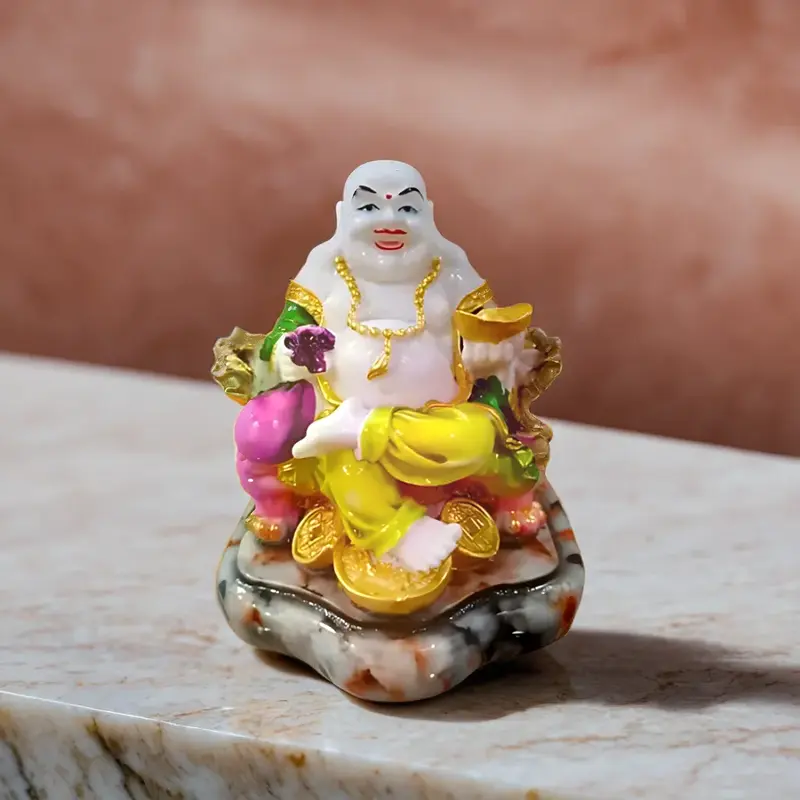
Looking to create a meditation space that's more "om" than "oh my, what a mess"? Shakyamuni Buddha—the historical Buddha himself—is about to become your new decorating bestie! Whether you're a seasoned meditator who can sit still longer than a cat in a sunbeam, or someone whose mind wanders faster than a toddler in a toy store, the right Buddha decor can help transform your space into a peaceful retreat. Shakyamuni Buddha represents enlightenment, wisdom, and that enviable ability to stay calm when life throws lemons (or entire lemon trees) your way. So grab your favorite calming tea, unfurrow that brow, and let's turn your meditation room into a zen paradise that would make even the most dedicated monk say, "Nice digs!" You can start radiating tranquility with a Stunning Meditating Shakyamuni Buddha statue for small table meditation altars, perfectly designed for compact spaces.
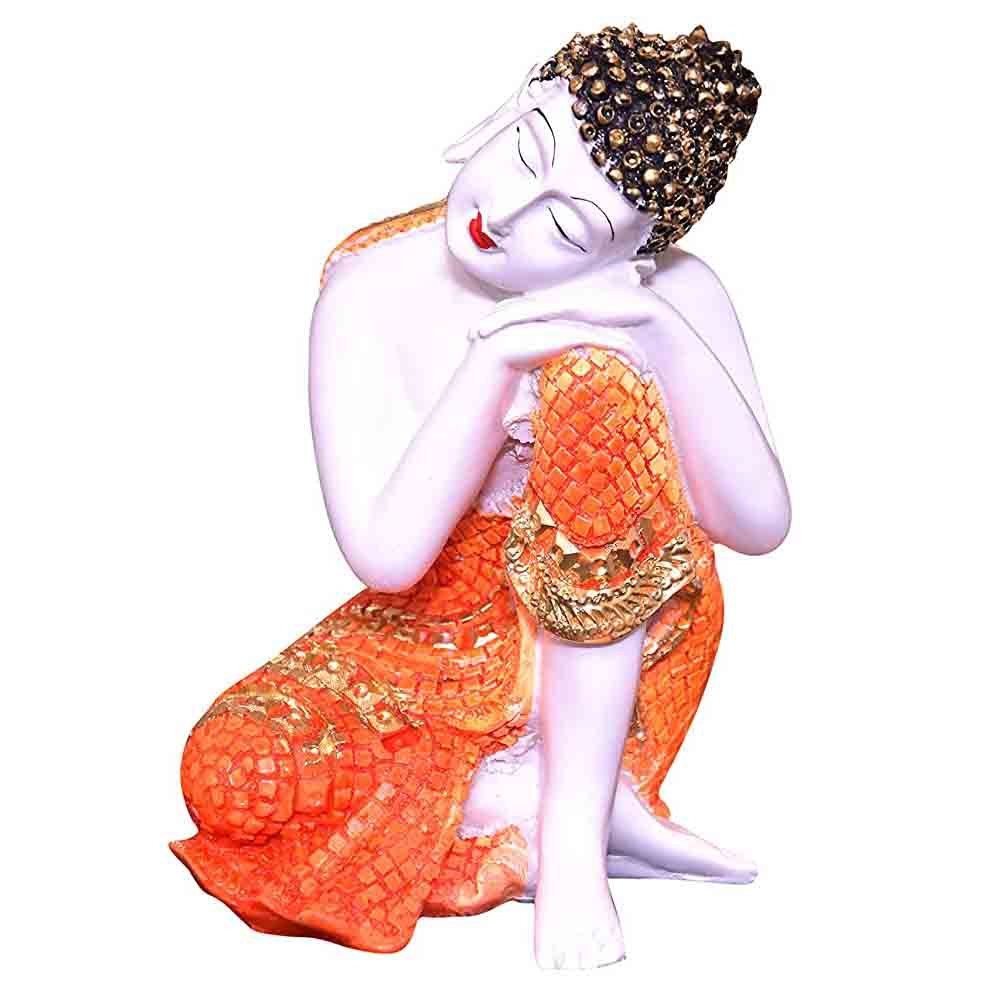
Before we start decorating like zen-thusiasts, let's get to know our main man. Shakyamuni Buddha, born as Prince Siddhartha Gautama, was the original mindfulness influencer—except instead of posting meditation selfies, he achieved actual enlightenment. His serene expression reminds us that inner peace is possible (yes, even after you've read the news). Shakyamuni is typically depicted in meditation pose, with hands in various mudras (spiritual hand gestures, not dance moves), symbolizing teachings like wisdom, fearlessness, and turning the wheel of dharma. When shopping for your Buddha, remember: this isn't just decor—it's like bringing home the OG meditation teacher who, thankfully, never asks for rent! Enhance this spiritual journey with a Beautiful modern Buddha statue for home shelf decoration, ideal for styling your inner sanctuary.
.jpg)
Where you place your Shakyamuni is more important than where you hide the good snacks! Buddha statues thrive in elevated positions—think mantlepieces, special shelves, or dedicated altars. The golden rule? Respect is key! Never place Buddha on the floor, in bathrooms, or near shoes (major feng shui faux pas!). Instead, position your peaceful pal at eye level or higher, facing into your room rather than toward a wall (Buddha's seen enough walls during his meditation sessions). A north or east-facing Buddha is often considered auspicious, bringing in that good energy faster than free pizza attracts office workers. Transform your decor by adding a Large Buddha statue as a majestic focal point in zen corners that exudes both peace and poise.
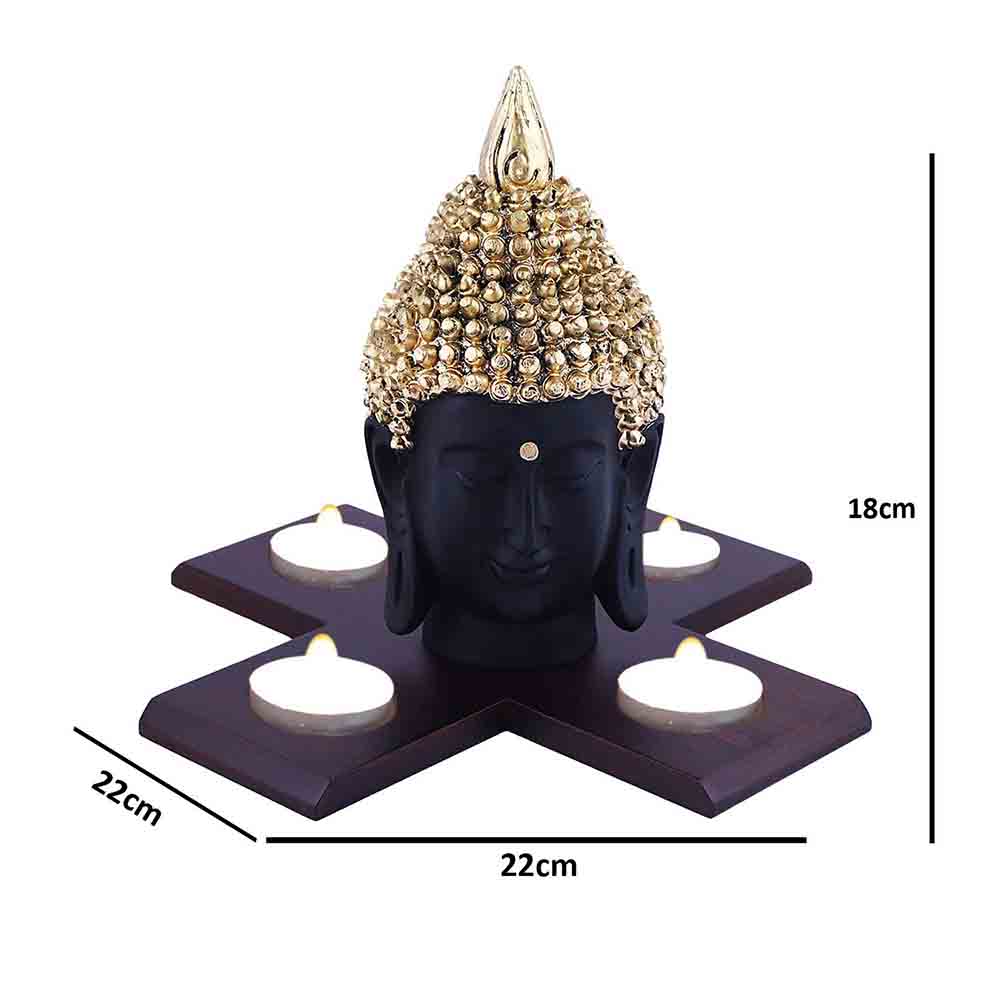
When it comes to Buddha statues, size definitely matters—but not in the way you might think! Your Shakyamuni should feel proportionate to your space, like Goldilocks' "just right" porridge. A massive Buddha in a tiny meditation nook might feel overwhelming (not to mention, he'll hog all the oxygen), while a itty-bitty Buddha might get lost in a spacious room. For intimate spaces, consider a 12-18 inch statue that commands attention without dominating the room. Remember: Buddha teaches the middle path, so find that sweet spot between "barely visible" and "whoa, can't see around the enlightenment!" For graceful tranquility, try a Medium-size Sleeping Buddha ideal for peaceful display in corner shelves.
.jpg)
Want to know a secret? Buddha looks amazing in every color scheme—he's the fashion icon of spiritual decor! Traditional Shakyamuni statues come in gold (representing radiance), bronze (for timelessness), or natural stone (hello, earthy vibes). To create a cohesive meditation space, build your palette around your Buddha's finish. For gold Buddhas, complement with creams, soft blues, and touches of maroon. Bronze Buddhas vibe beautifully with earth tones, while stone statues sing alongside greens and neutral hues. Whatever palette you choose, keep it calmer than your breathing during meditation—think soft, harmonious colors that won't distract you when you're trying to reach nirvana (or at least survive a 10-minute meditation session). Include a Vividly finished Buddha showpiece for chic color-themed meditation setup to bring pop and poise together.

Buddha deserves better lighting than those unflattering fluorescents at the DMV! Proper lighting can transform your Shakyamuni from "nice statue" to "glowing embodiment of wisdom." Try soft, indirect lighting using LED candles (fire safety first—Buddha prefers you unburned) or small accent lights positioned to create a gentle glow around your statue. Salt lamps offer a warm ambiance that says "spiritual sanctuary," not "interrogation room." For the dramatic meditators among us, a small spotlight directed upward can create inspiring shadows that highlight Buddha's serene features. Just remember: we're going for "divine illumination," not "Vegas casino entrance." Amplify the ambiance with a Resin finish Buddha idol to elevate shelf lighting harmony.
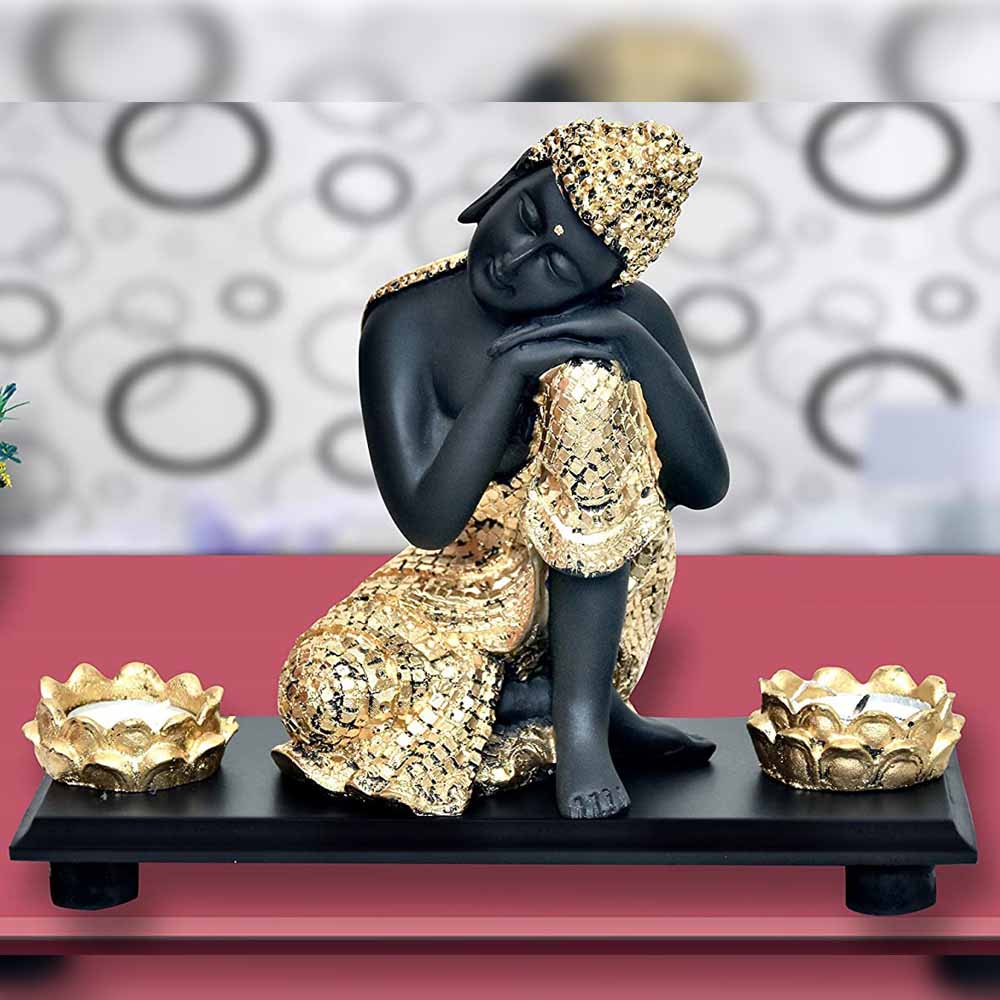
Buddha and plants go together like meditation and uncomfortable leg cramps! Bringing nature indoors creates a living connection to the natural world where Shakyamuni himself found enlightenment. Lucky bamboo (which is actually not bamboo but who's counting?) symbolizes good fortune and thrives in low light. Peace lilies purify the air while looking appropriately named for your zen zone. For the botanically challenged, succulents offer forgiveness when you forget to water them during that week-long meditation retreat. Position plants around your Buddha—not on top of or directly in front of him—creating a natural framework that whispers "jungle temple vibes" without requiring machetes for maintenance. Complement this green energy with a Tall garden Buddha statue nestled among indoor plants.
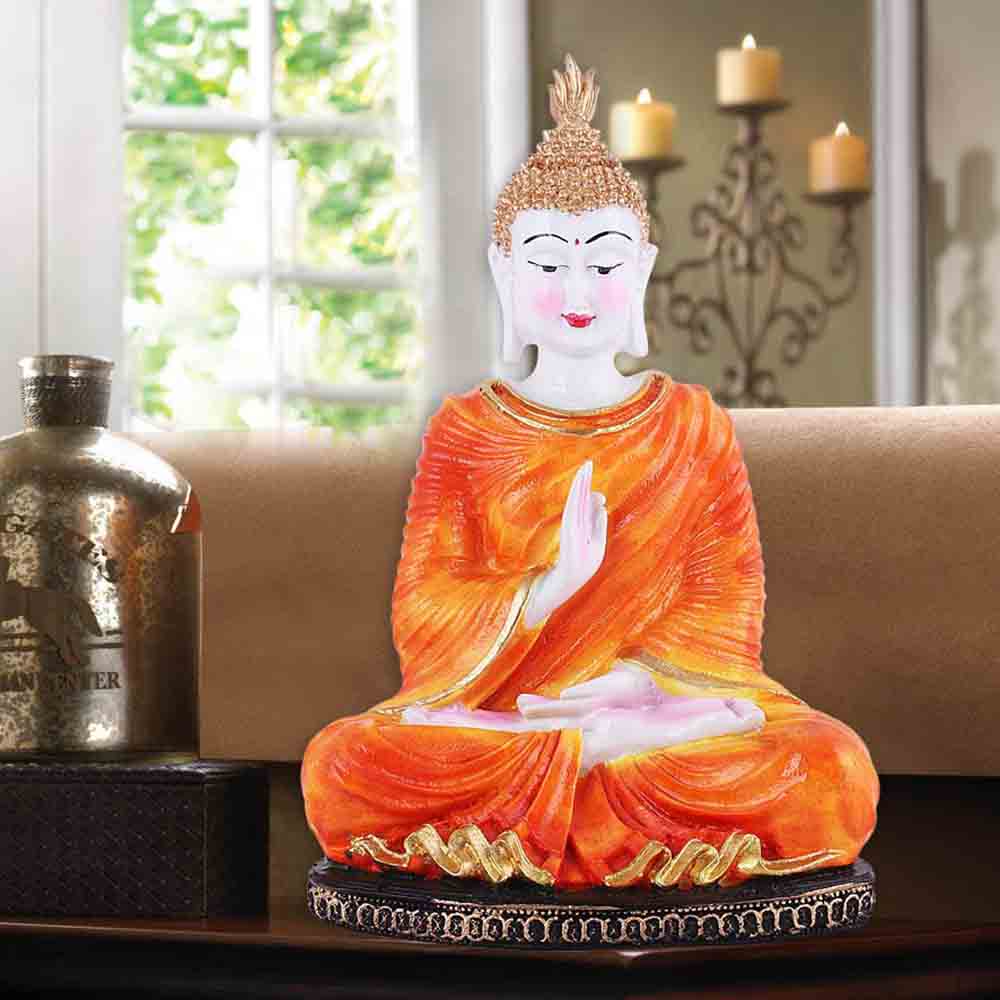
Fabrics in your meditation space should feel better than that moment when you finally scratch an itch! Consider a small silk scarf or special cloth beneath your Shakyamuni—traditionally red or yellow symbolize auspiciousness, but choose colors that resonate with you (Buddha's not picky). Floor cushions in natural fibers like cotton, linen, or hemp provide comfortable seating that's both practical and pretty. For wall hangings, thangkas (traditional Buddhist scroll paintings) add authentic artistic elements, or try simple cotton tapestries with mandalas or lotus designs. The secret? Layers of different textures create interest while maintaining that "I'm totally at peace right now" vibe that we're all pretending to have. Wrap warmth and wisdom with a Fabric paired tabletop Buddha setup for cozy Zen meditation corners.
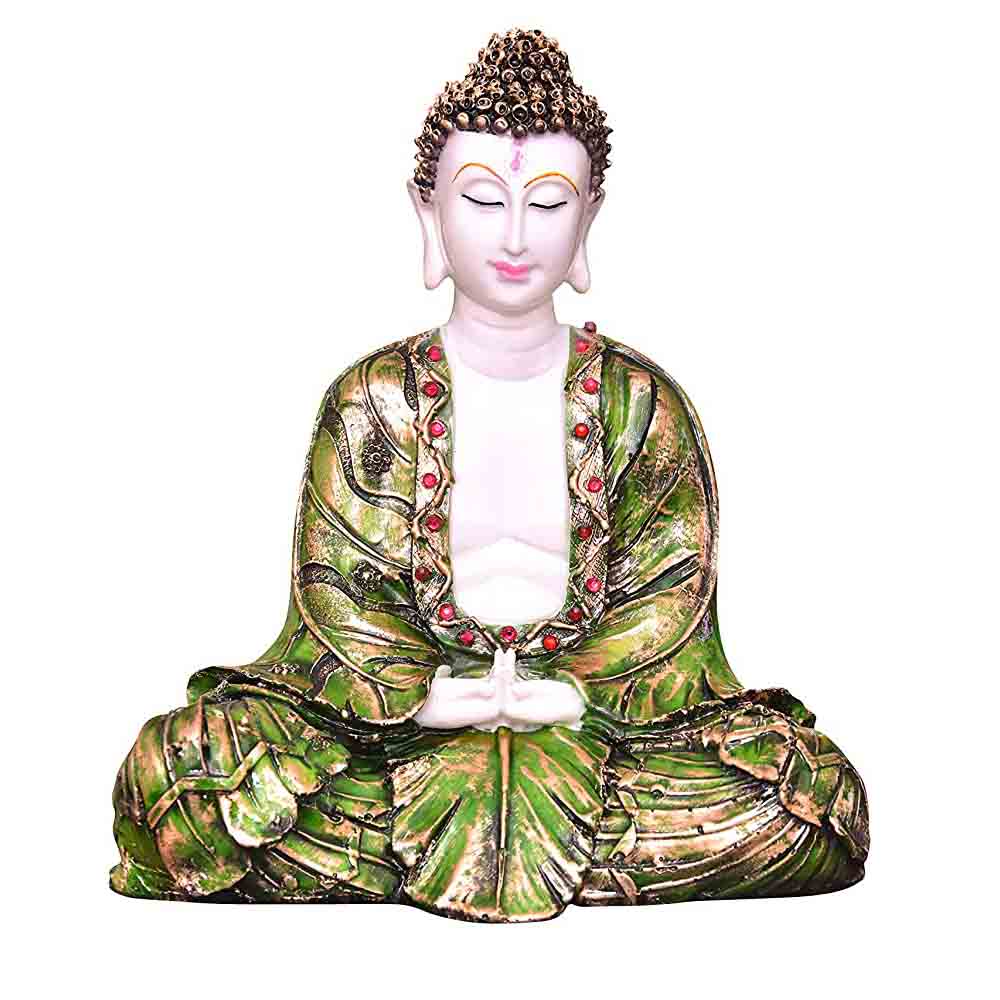
Buddha may be silent, but your meditation space doesn't have to be! Incorporating sound elements enhances your zen den's sensory experience faster than you can say "ommmm." Singing bowls placed near your Shakyamuni create beautiful resonance when played before or after meditation. Wind chimes hung near windows bring gentle, random melodies (nature's playlist is always on point). For tech-friendly meditators, small bluetooth speakers can deliver guided meditations or nature sounds without clashing with your carefully curated aesthetic. The goal? A soundscape that makes your brain say "ahh" instead of "ahhh!" Remember: Buddha appreciates good acoustics—he spent years delivering spoken teachings! Infuse earthy tones with a Stone effect Buddha statue paired with melodic accents for tranquil vibes.
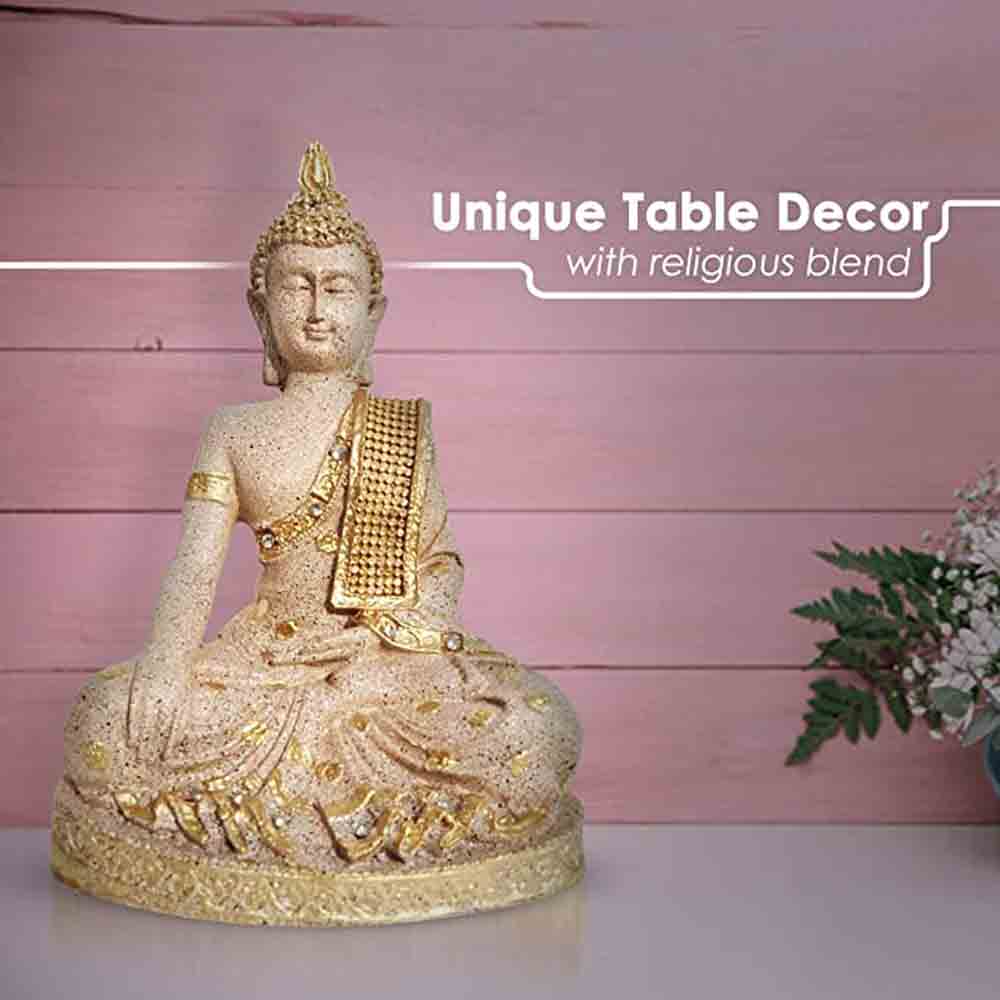
Channel your inner Marie Kondo—if it doesn't spark joy or enlightenment, it doesn't belong near your Buddha! Shakyamuni himself was all about ditching attachments to material possessions (he left a literal palace, folks). Your meditation space should feel spacious and uncluttered, with each item serving a purpose or holding special meaning. This doesn't mean sterile—it means intentional. That random pile of bills? Not intentional. That beautiful stone you found on a meaningful hike? Keeper! Create breathing room around your Buddha statue so it becomes a natural focal point, not just another object competing for attention in a spiritual version of "Where's Waldo?" Try a Colorful Sitting Buddha statue ideal for artistic minimalism that adds balance without chaos.

While tradition is wonderful, your Buddha space should feel personally meaningful—like your spiritual fingerprint! Consider adding small objects that represent your personal journey: a special crystal, a journal for post-meditation insights, or photos of inspiring teachers (living or historical). Some practitioners place meaningful offerings near their Shakyamuni—flowers symbolizing impermanence, fresh water representing purity, or fruit representing the ripening of spiritual practice. Just avoid turning your meditation area into a shrine to yourself (Buddha's seen enough ego for several lifetimes). The balance? Respectful personalization that makes you actually want to sit there and meditate instead of checking Instagram for the 47th time today. Add a Large artistic Buddha sculpture for impactful elegance in personalized corners for aesthetic depth.
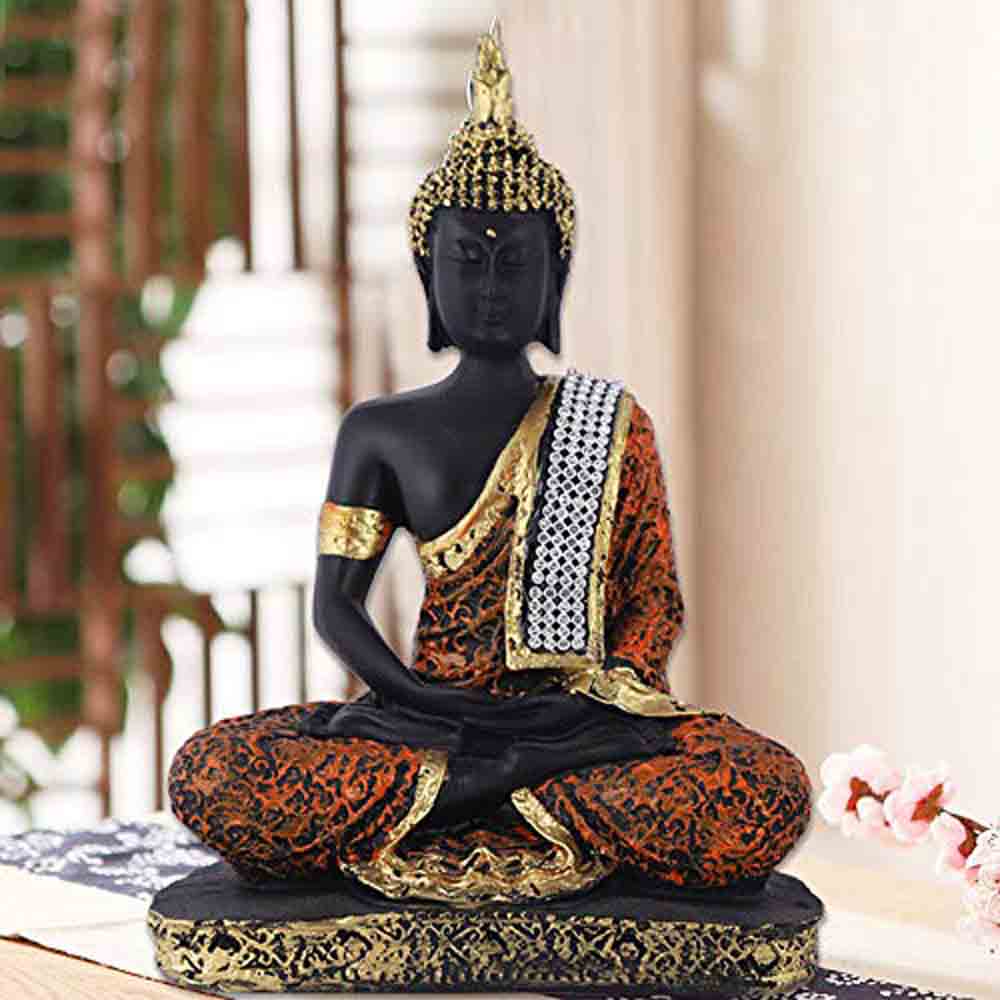
Let's be honest: Buddha achieved enlightenment without checking his email even once! Create a tech boundary around your meditation area—no charging stations, no tablets, and definitely no "I'll just quickly check my notifications" moments. Your phone is basically enlightenment kryptonite! If you use a meditation app, consider a dedicated device that stays in airplane mode. Some practitioners draw the line at electronic devices altogether, preferring traditional timers like singing bowls or incense sticks that burn for specific durations. Whatever your approach, your Shakyamuni will appreciate the break from electromagnetic fields—and your nervous system will too! Consider a Joyful Laughing Buddha gift piece for creating digital Zen boundaries that uplifts without distraction.
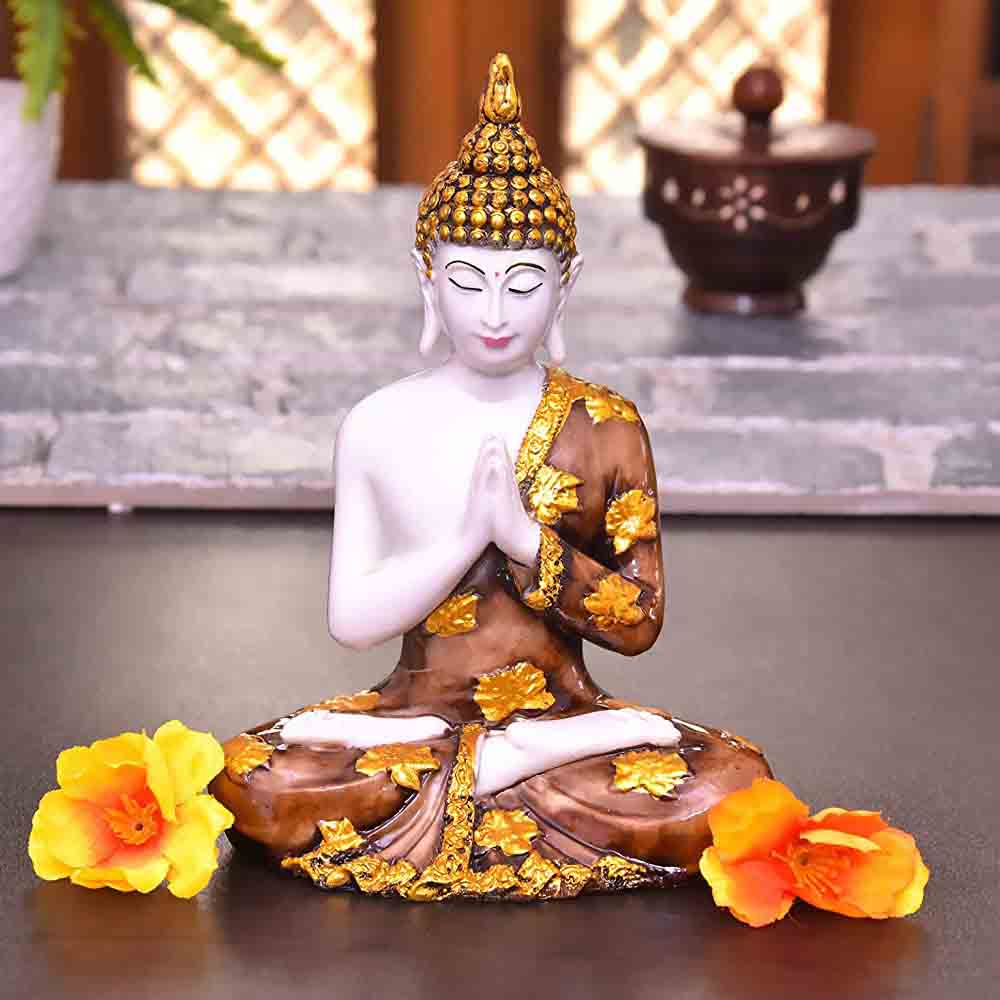
Decorating around your Buddha is like creating a mindful entourage! Start with a clean, elevated surface like a small table or shelf dedicated to your statue. Add elements representing the natural world Buddha cherished—a small vase of fresh flowers, a beautiful stone, or a small plant like lucky bamboo. Traditional Buddhist decorations include candles symbolizing wisdom, incense for purification, and a small offering bowl for water or fruit. Keep the arrangement balanced but not perfectly symmetrical (nature loves variety!), and ensure nothing blocks or overshadows your Buddha. Remember to maintain some empty space—in design as in meditation, we need room to breathe!
Buddha deserves the corner office of your meditation space! Ideally, place your Shakyamuni statue on an elevated surface in the north or east part of the room—these directions are traditionally considered auspicious. Buddha should never sit directly on the floor or in locations associated with impurity (like bathrooms or near shoes). Position your statue so it faces into the room rather than toward a wall, allowing Buddha's serene gaze to fill the space with peaceful vibes. Avoid placing Buddha in the bedroom if possible, as traditional practice suggests separating sleeping spaces from meditation areas. Finally, Buddha should never face the door directly according to feng shui principles, which brings us to...
According to Vastu Shastra (the Indian version of feng shui), a laughing Buddha (Hotei) is excellent for the entrance or living room as it welcomes prosperity, while Shakyamuni Buddha in meditation pose works wonderfully in study areas or meditation spaces. For best Vastu compliance, choose a Buddha made from stone, wood, or metal rather than plastic, and place it in the north, northeast, or east part of your home. Buddha statues in earth tones or gold are considered particularly harmonious with Vastu principles. Regardless of which Buddha you choose, ensure it's placed on a clean, elevated surface facing inside the house—never facing outside or toward the main door.
Absolutely! A meditating Buddha (like our friend Shakyamuni) makes a wonderful addition to your home—it's basically like having a permanent reminder to chill out! Beyond aesthetic appeal, Buddha statues symbolize qualities we might aspire to develop: wisdom, compassion, and that enviable ability to stay calm when the WiFi crashes. That said, it's important to approach Buddha statues with respect, as they represent significant spiritual teachings. If you're bringing Buddha home purely as decor without connection to Buddhist practice, simply ensure you place and maintain the statue respectfully. Many non-Buddhists find that having a meditation Buddha creates a focal point that encourages mindfulness—and couldn't we all use more of that?
Buddha definitely shouldn't stare at your door all day—talk about awkward positioning! According to feng shui principles, Buddha statues should never directly face the main entrance or exit of your home. This placement is considered inauspicious because energy (chi) flows rapidly through doorways, potentially creating an unstable environment for your meditation practice. Instead, position your Shakyamuni where he can observe the room with a wall behind him, creating a sense of protection and stability. This gives Buddha the metaphorical "mountain at his back"—a powerful position that allows energy to circulate properly while maintaining the statue's dignity. The ideal setup? Buddha peacefully surveying the room from a stable vantage point, not playing doorman!


