
Buddha Bonanza: 4-Panel Framed Wall Art to Zen Your Pad
You may also like

Moolwan 4-Panel Buddha Vinyl Wall Art on MDF (84x54cm) – Teal Buddha Face Dissolving Into Abstract Cosmic Swirls
You keep opening this page, trying to mentally place these four panels on your wall. But it's impossible to know for sure, isn't it? 84cm sounds reasonable, but your living room wall has that window on the right, the AC unit creating shadows, and your sofa isn't centered anymore since you moved the coffee table. You need to know this works in your specific space—not just in styled photos where everything aligns perfectly.
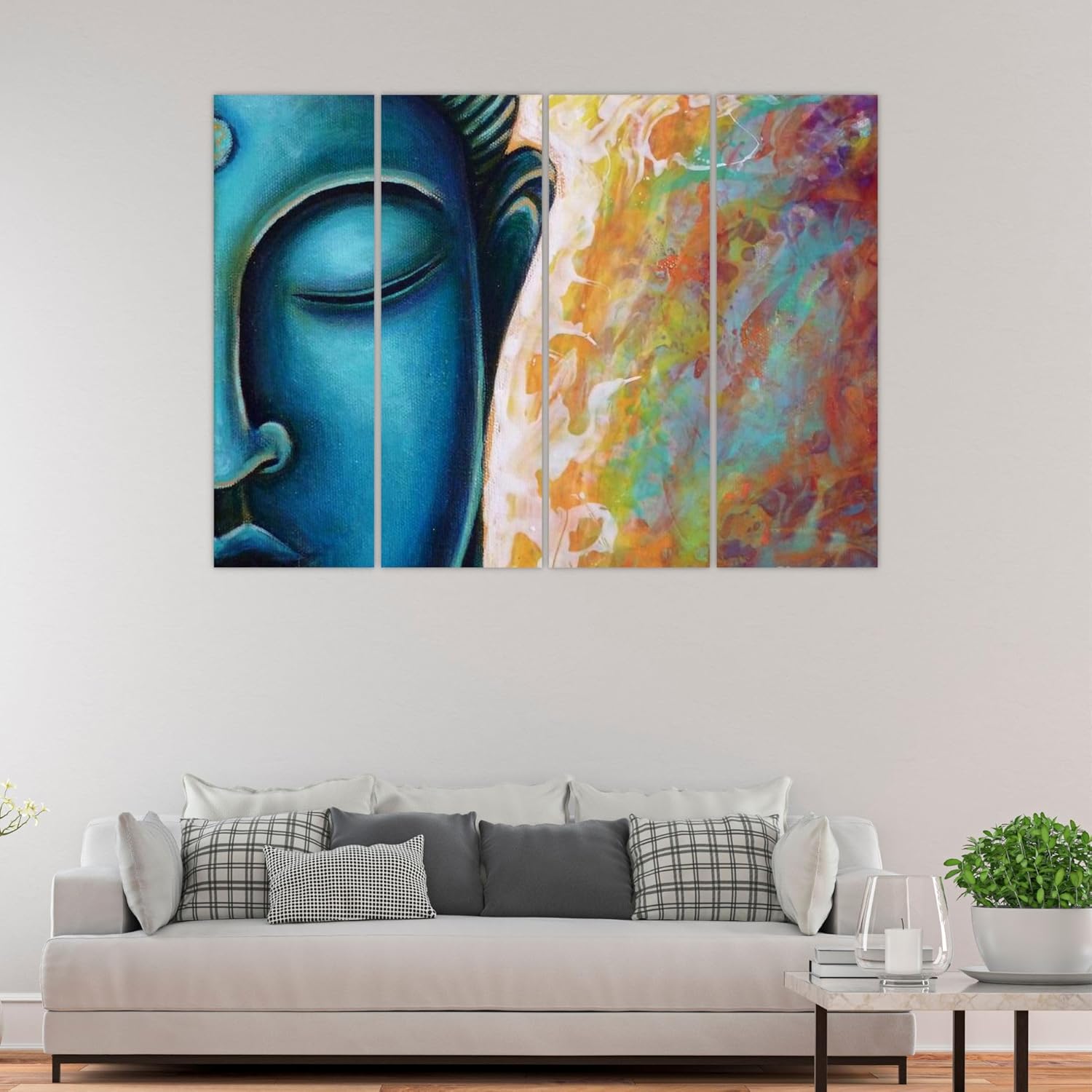
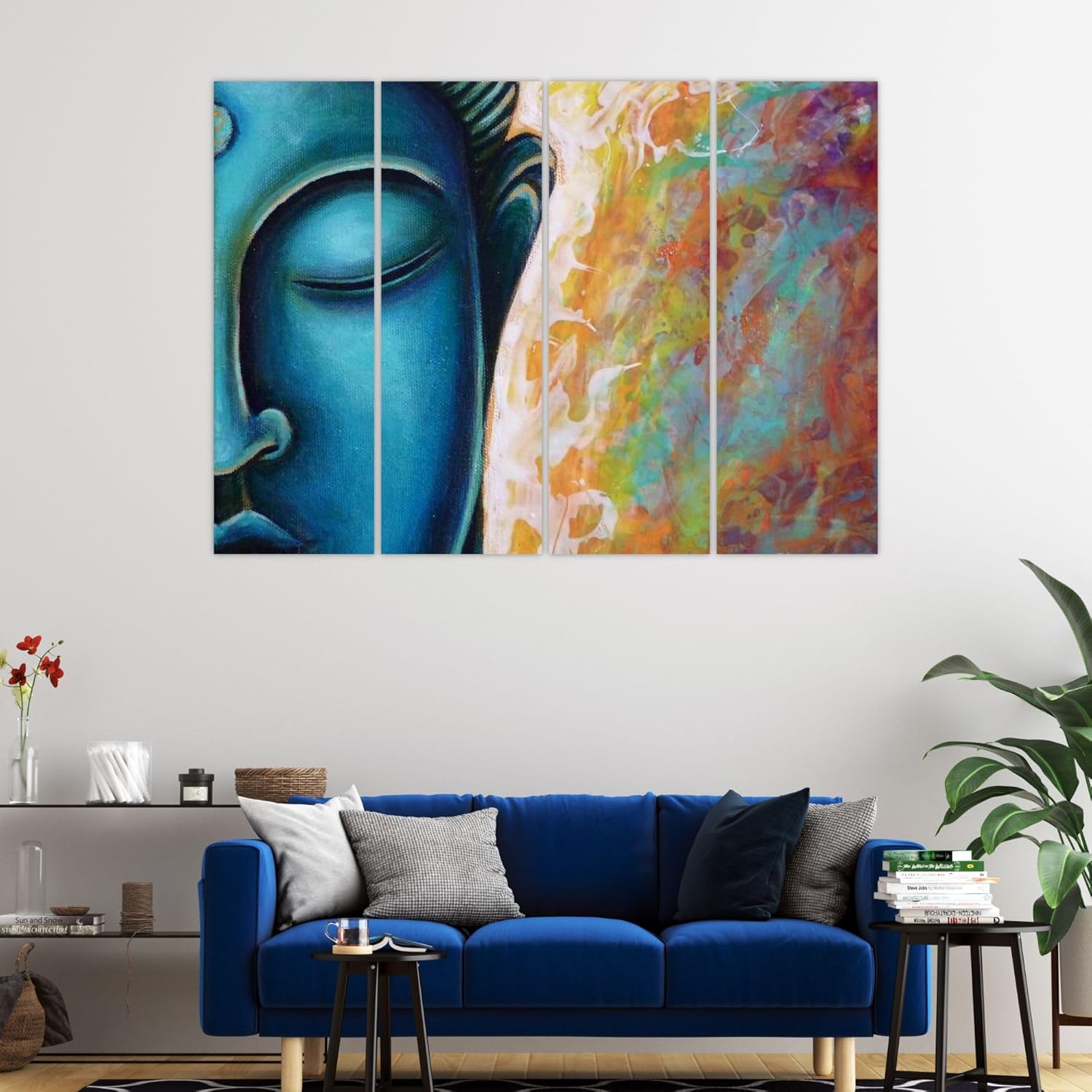
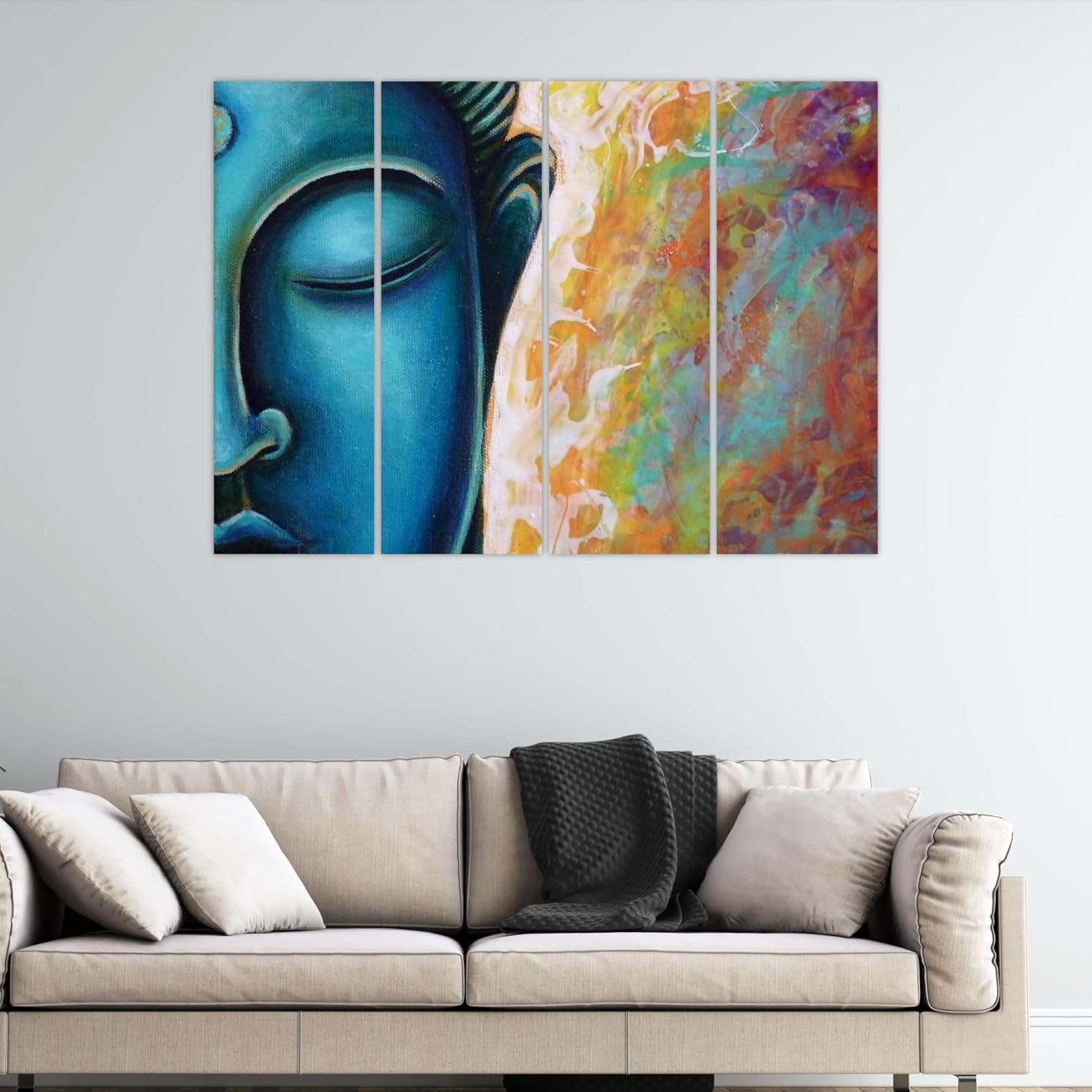
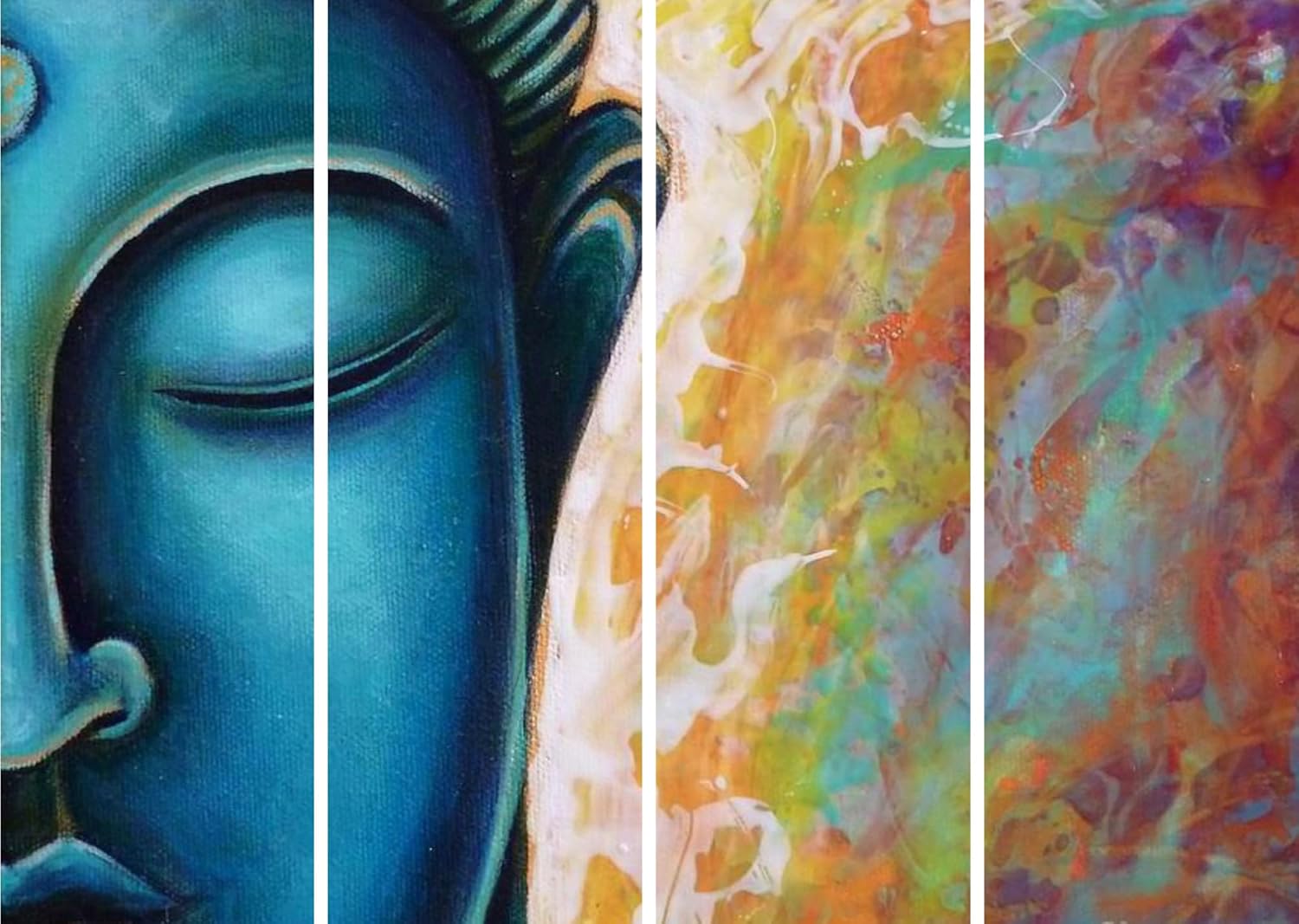
Here's what the image actually shows: a close-up teal Buddha face occupying the first two panels, eyes closed in meditation, then dissolving into cream and orange abstract swirls across the remaining two panels. The left side anchors with the Buddha's recognizable serenity. The right side releases into contemporary cosmic energy—yellows, oranges, hints of rust and violet merging like light diffusing through water. This isn't a traditional Buddha painting that demands a pooja corner. It's spiritual presence meeting contemporary abstraction, which means it works in living rooms where you want calm without the explicitly devotional aesthetic that visitors might question in a main hall.
Why 84cm Width Works on 8-10 Foot Walls (And What Changes If You Go Larger)
Your wall is probably 10-12 feet wide if you're in a standard 2BHK or 3BHK. At 84cm (roughly 2.75 feet), this set covers approximately 23-28% of a 10-12 foot wall. That's intentionally restrained. The Buddha face reads clearly from across the room without dominating the entire wall space.
If your sofa is the typical Indian 6-foot three-seater, 84cm sits comfortably within the sofa's visual boundary. You'll have roughly 45cm of breathing room on each side—enough that the art looks anchored above the sofa rather than cramped against it. For 8-foot sofas, you're looking at even more generous margins.
The 54cm height works with standard 8-foot ceilings. Hung 20-25cm above your sofa's top cushion, the bottom edge sits at roughly eye level when standing. From the doorway, the Buddha face is immediately recognizable. From the sofa itself, you're looking up slightly—which is how meditative art traditionally presents itself.
Going larger—say, 120cm wide—would shift this from "contemplative accent" to "room-defining statement piece." That works if Buddha is your central aesthetic intention. At 84cm, you're adding presence without declaring a theme.
What These Colors Look Like on Cream Walls in Morning Light vs Evening LED
The teal Buddha face is the anchor color—a specific blue-green that reads as calm rather than cold. Against cream or off-white walls (which most Indian apartments have), teal creates enough contrast to stand out without clashing. It's not the jarring electric blue that fights with warm interiors.
The transition panels shift from cream and pale yellow through orange and into rust-violet. This warm progression means the right side of the composition naturally harmonizes with brown furniture—your wooden coffee table, the brown fabric sofa. The orange and rust echo the warmth already present in typical Indian living rooms.
In morning natural light, the teal appears more vivid, almost luminous. The Buddha face stands forward visually. By evening under warm LED lighting (3000K, which most Indian homes use), the oranges intensify and the teal recedes slightly. The abstract panels become more prominent. The same piece reads differently across the day—meditative focus in daylight, warmer ambient energy at night.
One practical note: if your wall catches direct afternoon sun, the splash-proof vinyl surface won't fade the way cheap printed tapestries do. The colors you see today are the colors you'll see two monsoons from now.
Installation in Indian Walls: Concrete, Drywall, and Panel Alignment
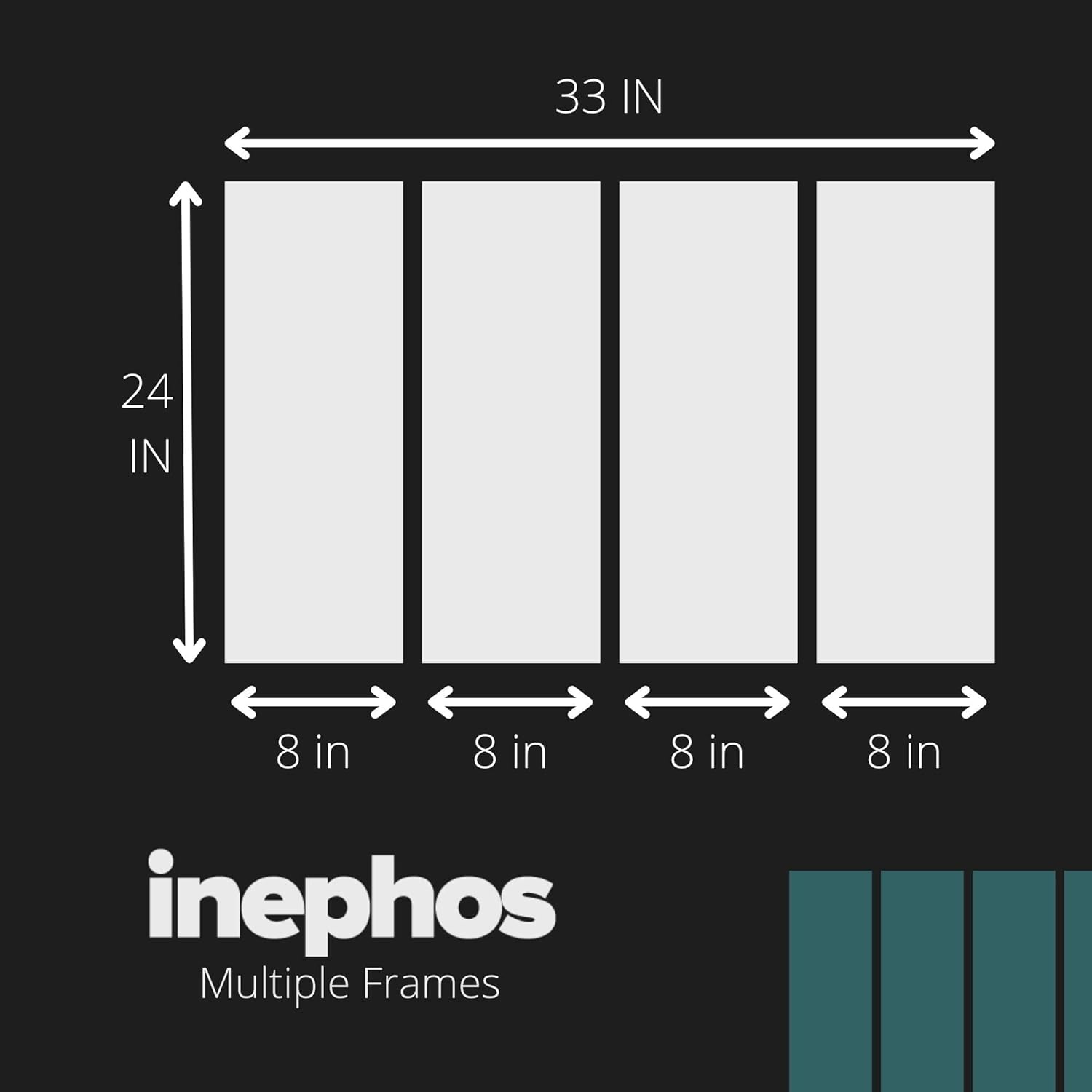
Four panels means four hanging points minimum, possibly eight if you want extra stability. The spacing between panels matters—2-3cm gaps maintain visual continuity while acknowledging these are separate pieces. Closer than 2cm and they look like one piece that got cut wrong. Wider than 4cm and the Buddha face starts separating awkwardly between panels one and two.
The process itself: mark your wall using a level (or your phone's level app). The first two panels with the Buddha face need precise alignment—eyes should be level, or the meditation posture looks tilted. The abstract panels are more forgiving; slight variations in height won't register as errors.
For concrete walls (common in older Indian buildings), you'll need 6mm masonry bits and concrete anchors. For drywall (newer apartments), standard drywall anchors work. Either way, the holes are small—6mm diameter, easily patchable when you move. Your ₹50,000 rental deposit isn't at risk from these.
At 3kg total weight distributed across four panels, each panel carries roughly 750g. Even the most basic wall anchors handle this comfortably. No need for heavy-duty mounting systems.
How This Compares to Fabric Buddha Tapestries at Half the Price
You've probably seen fabric Buddha tapestries for ₹800-₹1,200 on marketplace sites. Same general aesthetic, fraction of the price. Here's the actual difference:
Fabric tapestries absorb moisture. During Mumbai monsoons at 80% humidity, they'll smell musty within weeks. They wrinkle—and you'll need to steam or iron them periodically. The colors fade with every monsoon cycle because fabric dyes aren't UV-stable. By year two, your deep teals have shifted to muddy blue-gray.
Vinyl on MDF doesn't absorb atmospheric moisture. The surface stays flat through humidity swings. The colors are printed with UV-stable inks—same technology used for outdoor signage. Three monsoons from now, the teal is still teal.
The structural difference: fabric needs constant re-hanging. It sags, shifts, bunches at corners. MDF panels hang once and stay level indefinitely. When guests look at your wall, they see intentional décor, not something that needs straightening.
The price difference—perhaps ₹1,500-₹2,000 more—buys you the peace of not replacing this in 18 months.
What This Will Actually Feel Like in Your Room
From the doorway, you'll notice the Buddha face first. The teal against cream walls catches attention without demanding it. Guests will recognize the subject immediately—it's Buddha, it's peaceful, it fits the home. Your mother-in-law won't pause wondering if it's appropriate for a living room.
From the sofa, looking up at an angle, the abstract panels become more prominent. The composition reads as contemporary art with spiritual undertones rather than devotional imagery. This positioning matters: the piece serves different functions depending on where you're standing.
The four-panel format creates horizontal movement. Your eye travels left to right, from Buddha's calm through the dissolving abstraction. It's not static like a single-panel painting. This works well in living rooms where the wall also contains other elements—a clock, a small shelf, AC vents. The horizontal flow ties disparate wall elements into a coherent visual line.
At 84x54cm, this doesn't dominate. A 10x12 foot living room absorbs this scale easily. It adds presence to your wall without making the room feel crowded with imagery. If you want the Buddha to be the singular focus of the entire room, go larger. At this size, you're adding contemplative energy to an existing aesthetic, not rebuilding around it.
Moolwan Design Note
The transition from representational Buddha face to pure abstraction solves a specific problem: how to bring meditative imagery into main living spaces without the explicitly religious aesthetic that some families hesitate to display outside pooja areas. The cosmic swirl continuation lets this read as contemporary art to guests who might not share the spiritual context.
Moolwan Quality Standard
Designed for Indian apartments and lighting conditions. Printed to resist humidity-related color fading. Packed for long-distance Indian transit. Quality checked before dispatch. Ships from West Bengal.
Moolwan Fit Guidance for Indian Homes
84cm width suits 8-10ft walls above 6-foot sofas with balanced margins. The horizontal 4-panel format works on walls with existing elements like AC vents or adjacent shelving. For walls longer than 12ft, consider this as part of a gallery arrangement rather than a standalone centerpiece.
Quick Specifications
- Product: Moolwan 4-Panel Buddha Vinyl Wall Art on MDF (84x54cm)
- Brand: Moolwan
- Category: Vinyl Wall Art on MDF
- Collection: Buddha Wall Art Collection
- Dimensions: 84cm W x 54cm H x 0.6cm D
- Weight: 3kg
- Material & Construction: Splash-proof vinyl print on MDF
- Colors: Teal, navy blue, cream, orange, rust, yellow-green, violet
- Best For: Living room walls 8-10ft wide, above 6ft sofas, meditation corners, bedrooms
- Ships From: West Bengal
Frequently Asked Questions
Will 84cm look proportional above my 6-foot sofa?
Yes. At 84cm (roughly 2.75 feet), this covers approximately 46% of a 6-foot sofa's width—within the ideal 60-75% range when accounting for the distributed visual weight of four panels. Hung 20-25cm above the sofa cushions, it will appear anchored and intentional.
How will the teal Buddha face look against my cream walls under LED lighting?
Teal reads as calm blue-green against cream—enough contrast to stand out without clashing. Under warm LED (3000K, standard in most Indian homes), the teal recedes slightly and the orange abstract panels intensify. The overall effect is warmer in the evening than in natural daylight.
How do I align four panels evenly on a concrete wall?
Use a paper template or painter's tape to mark positions before drilling. Space panels 2-3cm apart. Start with the two Buddha face panels (alignment matters most here), then position the abstract panels relative to those. A phone level app helps ensure the eyes stay horizontal. Total installation time: 20-30 minutes.
Will this survive Mumbai monsoon humidity without warping?
The MDF substrate with splash-proof vinyl surface handles humidity swings that warp cheap canvas or sag fabric tapestries. The vinyl doesn't absorb moisture, so there's no expansion-contraction cycle. Colors are UV-stable, so monsoon seasons don't fade the teal or orange tones.
Can I hang this in a bedroom instead of the living room?
Absolutely. The contemplative Buddha face works well as the last thing you see before sleep. Position it on the wall opposite your bed rather than directly above the headboard (which can feel visually heavy when lying down). The 84cm width suits bedroom walls that are typically narrower than living room walls.
Product Snapshot
- Brand: Moolwan
- Product: Moolwan 4-Panel Buddha Vinyl Wall Art on MDF (84x54cm)
- Category: Vinyl Wall Art on MDF
- Collection: Buddha Wall Art Collection
- Theme/Type: Buddha with abstract cosmic dissolution
- Best For: Living rooms above 6ft sofas, meditation spaces, bedrooms
- Primary Differentiator: Teal Buddha face dissolving into abstract cosmic swirls
- Secondary Differentiators: Cool-to-warm color transition across panels; meditative presence with contemporary abstract energy
- Material & Construction: Splash-proof vinyl print on MDF
- Care Instructions: Wipe with dry cloth; no water or chemicals needed
- Ships From: West Bengal
- Packing: Long-distance transit ready
- Quality Check: Before dispatch