
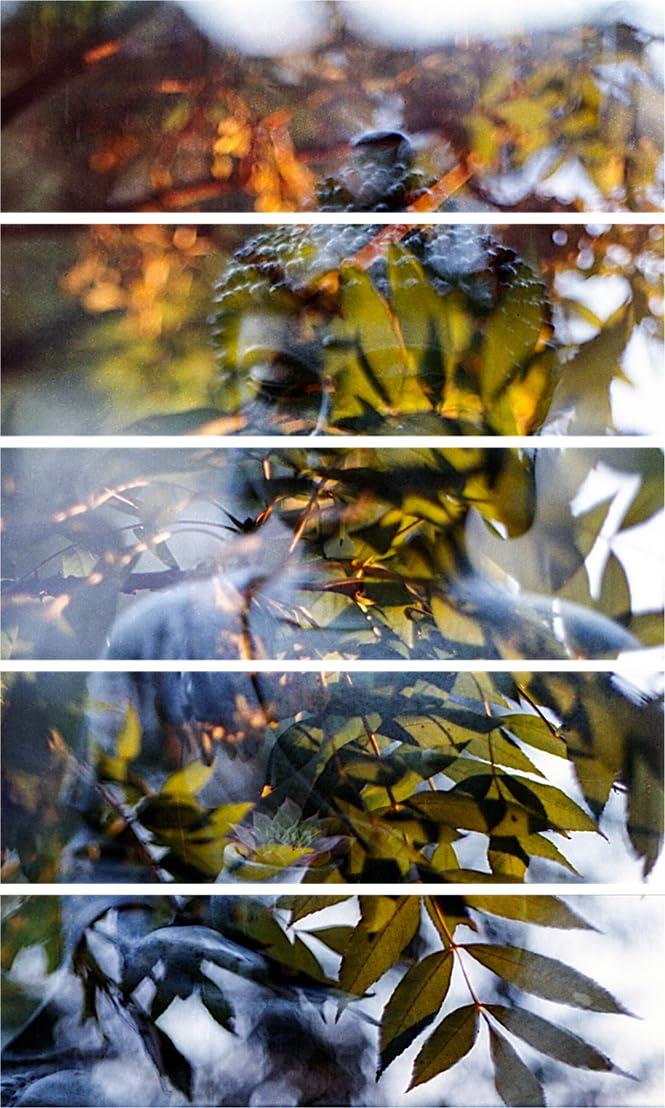
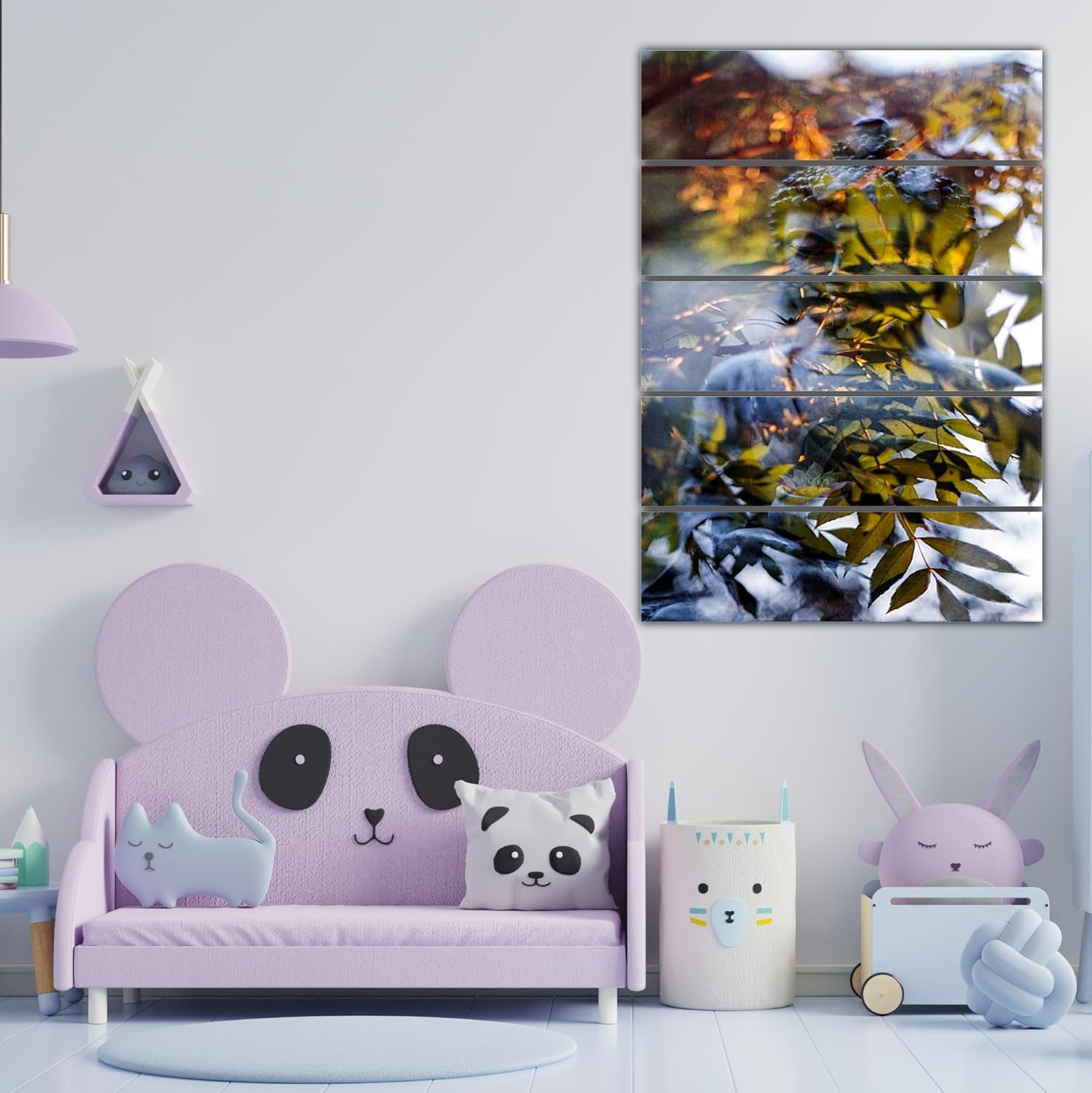
Buddha-lovin' 5-Panel Framed Wall Art That'll Zen Your Space (127x76cm)
You may also like


Moolwan 5-Panel Buddha Canvas Wall Art Painting (127x76cm) - Zen Multi-Frame Spiritual Art
You might have browsed dozens of Buddha wall art pieces by now. Some were too small—looking lost on a 12-foot wall, like a postcard tacked up in the wrong place. Some were too large—overwhelming the space, making your living room feel cramped instead of peaceful. You probably kept coming back to 127cm—because intuitively, it feels right. But you want to be sure.
This isn't guesswork. A 127cm 5-panel Buddha canvas on a 12-foot (360cm) wall gives you 35% coverage—the proportional sweet spot where the art commands attention without dominating. You'll have 116cm of breathing space on either side. Not so much that it looks small. Not so little that it feels squeezed. Your walls are probably cream or off-white, and that neutral backdrop needs something centered and grounded. This does that.
The 5-panel layout works differently than a single frame. Instead of one solid block, you get visual rhythm—five connected moments that guide the eye horizontally. In a 12x14 ft living room with 9-10 ft ceilings (standard Indian construction), this horizontal spread balances the vertical height. It doesn't fight your proportions. It works with them.
Why 127cm Works on 12-Foot Walls (and What Happens If You Go Smaller or Bigger)
Let's do the actual math. Your living room wall is probably 12 feet wide (360cm). A 127cm canvas takes up 35% of that space. Here's what that looks like in practice:
- Left margin: 116cm of wall space
- Canvas: 127cm of visual presence
- Right margin: 116cm of wall space
That's balanced. Not floating. Not crammed. If you have an 8-foot sofa below (240cm wide), the canvas sits comfortably above it with 56cm extending past each armrest. It anchors the furniture without overpowering it.
Now compare:
100cm canvas (smaller option): Only 28% wall coverage. On a 12-foot wall, this starts to look undersized—especially if your sofa is 7-8 feet. You'll have 130cm of empty space on each side, and guests might wonder if something's missing.
150cm canvas (larger option): 42% wall coverage. This is where you risk visual crowding. Only 105cm margin on each side, and if you have windows, doors, or corner furniture, it starts feeling tight. The 5 panels also get individually larger, which can dominate instead of complement.
127cm is the intentional middle—big enough to matter, small enough to breathe.
Why Multicolor Buddha Art Works in Indian Living Rooms (Not Just Online Photos)
The garbage content called this "multicolor," and from the image, you're looking at layered tones: golden yellows, deep greens, soft blues, grays, and whites with a Buddha silhouette emerging through abstract nature elements. This isn't bright Holi colors—it's muted, contemplative, with depth.
Here's how that translates to your actual walls:
Against cream/off-white walls (most common): The golden and green tones create warmth without clashing. Cream reflects light neutrally, so the canvas colors stay true—no weird color shifts like you'd get with yellow or peach walls.
With brown/beige furniture (standard Indian living rooms): The earthy greens and golds echo wood tones naturally. If you have a brown fabric sofa or wooden coffee table, this palette ties the room together instead of introducing competing color families.
Under tube lights vs. warm LEDs: Tube lights (cool white) make blues and grays more prominent—the canvas looks calmer, more meditative. Warm LED bulbs bring out the golds and yellows—it feels cozier, more inviting. Either way, the layered colors adapt.
The 5-panel format also helps. Each panel catches light slightly differently throughout the day, so the art subtly changes from morning sunlight to evening lamplight. It's not static. It evolves with your space.
Installation Takes 15 Minutes (Even If You're Not Handy)
You're renting, or you're careful about wall damage. Understood. Here's what installation actually involves:
What's included: Five framed canvases (total weight: 3000 grams, or 3 kg), hanging hardware, and spacing guide.
Tools you need: Hammer, measuring tape, pencil. That's it.
Process:
- Mark the center point of your wall (180cm from the left edge on a 12-foot wall).
- Hang the middle panel first—this is your anchor.
- Add the side panels using the spacing guide (usually 2-3cm gaps between panels).
- Level check. Done.
Rental-friendly options:
- Adhesive hooks (for walls you can't drill): Use heavy-duty 3M Command strips rated for 3+ kg. Not ideal for textured walls, but works on smooth plaster.
- Minimal nails (standard method): Two small nails per panel. The holes are tiny—easily patchable with wall putty when you move out. Your ₹50,000 deposit isn't at risk.
The 5-panel layout is forgiving. If one panel is slightly off, it's less noticeable than a single large frame where misalignment screams at you.
How This Compares to Other Sizes You've Been Considering
You've probably looked at 100cm, 127cm, and 150cm options. Here's the honest difference:
100cm vs. 127cm:
- Visual impact: 100cm works for 10-foot walls or bedrooms. On a 12-foot living room wall, it undershoots. 127cm matches the scale.
- Above furniture: If your sofa is 8 feet, 100cm looks modest. 127cm looks intentional.
- Price difference: Usually ₹200-400 less. Not enough savings to compromise on proportion.
127cm vs. 150cm:
- Wall space: 150cm leaves only 105cm margin on each side. In a room with windows or doors, that feels tight. 127cm gives you 116cm—more flexibility.
- Individual panel size: On a 5-panel layout, 150cm means each panel is wider. That changes the rhythm—it can feel bulkier rather than elegant.
- Installation: Heavier, harder to align perfectly. 127cm is easier to manage solo.
If your wall is exactly 12 feet and your sofa is 7-8 feet, 127cm is the mathematically correct choice. Smaller feels tentative. Larger feels forced.
What This Will Look Like in Your Living Room (Not Just Online Photos)
Let's set realistic expectations, because online photos are staged.
Distance from sofa (most common viewing angle): If you're sitting on your sofa, you're about 8-10 feet from the wall. At that distance, the 5-panel layout creates a panoramic effect—your eye moves left to right naturally, taking in the Buddha's contemplative presence and the abstract nature layers. You won't see individual brushstrokes. You'll see the overall impression: calm, grounded, spiritual.
From the room entrance (guest perspective): When someone walks into your living room, the canvas is immediately visible. 127cm on a 12-foot wall reads as "focal point" without reading as "oversized art installation." It's the first thing they notice, but not in an awkward way.
Morning light (if your room faces east/north): Natural light softens the colors. The blues and grays come forward, the golds recede slightly. The canvas looks serene—good for morning tea.
Evening tube lights/LEDs: Artificial light sharpens contrast. The Buddha silhouette becomes more defined, the golden tones pop. It feels warmer, more intimate—good for evening relaxation.
Color accuracy: The canvas uses eco-solvent UV-resistant inks on 340 GSM cotton. Colors won't fade even in Indian sunlight (if your living room gets direct afternoon light through west-facing windows). But expect slight variations from your phone screen—screens are backlit, canvas is reflective. What you see in the image is close, but not pixel-perfect.
Quick Specifications
- Product Name: Moolwan 5-Panel Buddha Canvas Wall Art Painting
- Dimensions: 127cm (W) x 76cm (H) x 0.6cm (D)
- Weight: 3000 grams (3 kg total, ~600g per panel)
- Panel Count: 5 individual framed panels
- Color Palette: Multicolor (golden yellow, green, blue, gray, white)
- Subject: Buddha silhouette with abstract nature elements
- Material: 340 GSM cotton canvas, eco-solvent UV-resistant inks
- Frame: 1.5" kiln-dried pinewood (12% moisture content)
- Special Features: Splash-proof, easy-clean surface
- Price: ₹2,796 (category range: ₹2,796 - ₹4,596)
- Delivery: 5-6 days (metro cities), 6-8 days (tier-2/tier-3 cities)
- Best For: 12-foot walls, 12x14 ft living rooms, above 6-8 ft sofas
- Climate Resistant: Suitable for 70-85% humidity, 5°C-45°C temperature range
- Installation: Rental-friendly (small nails or adhesive hooks)