
Buddha-mendous 4-Panel Framed Wall Art to Zap Zen into Your Space
You may also like


Moolwan 4-Panel Buddha Vinyl Wall Art on MDF (85x55cm) – Gold-on-Teal Contrast That Reads from the Doorway
That wall behind your reading chair has been empty for months. You've scrolled past dozens of options — abstract prints that felt too generic, photo canvases that looked cheap in reviews, fabric hangings that would collect dust. What you actually need is something with enough visual weight to anchor that corner without turning it into a shrine.
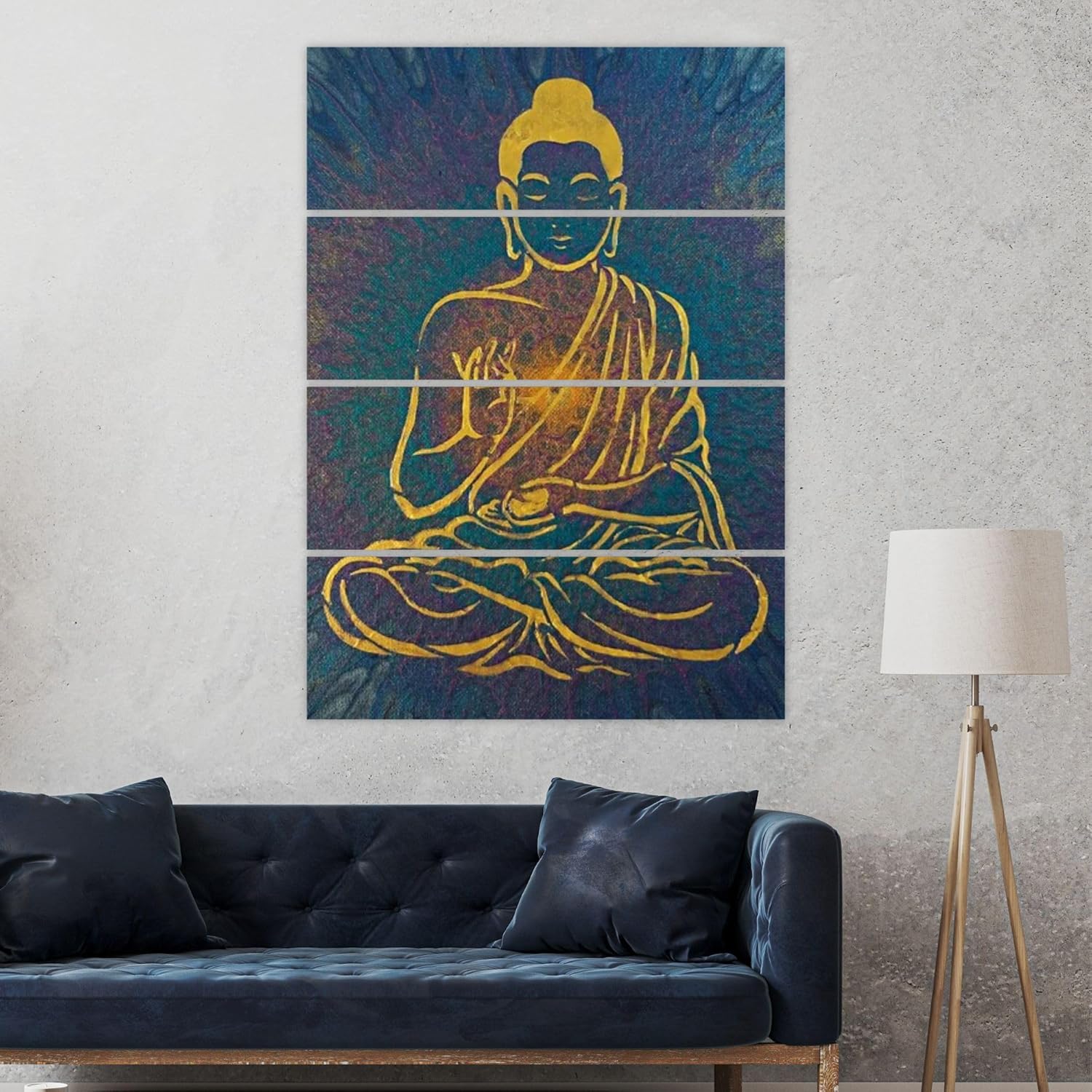
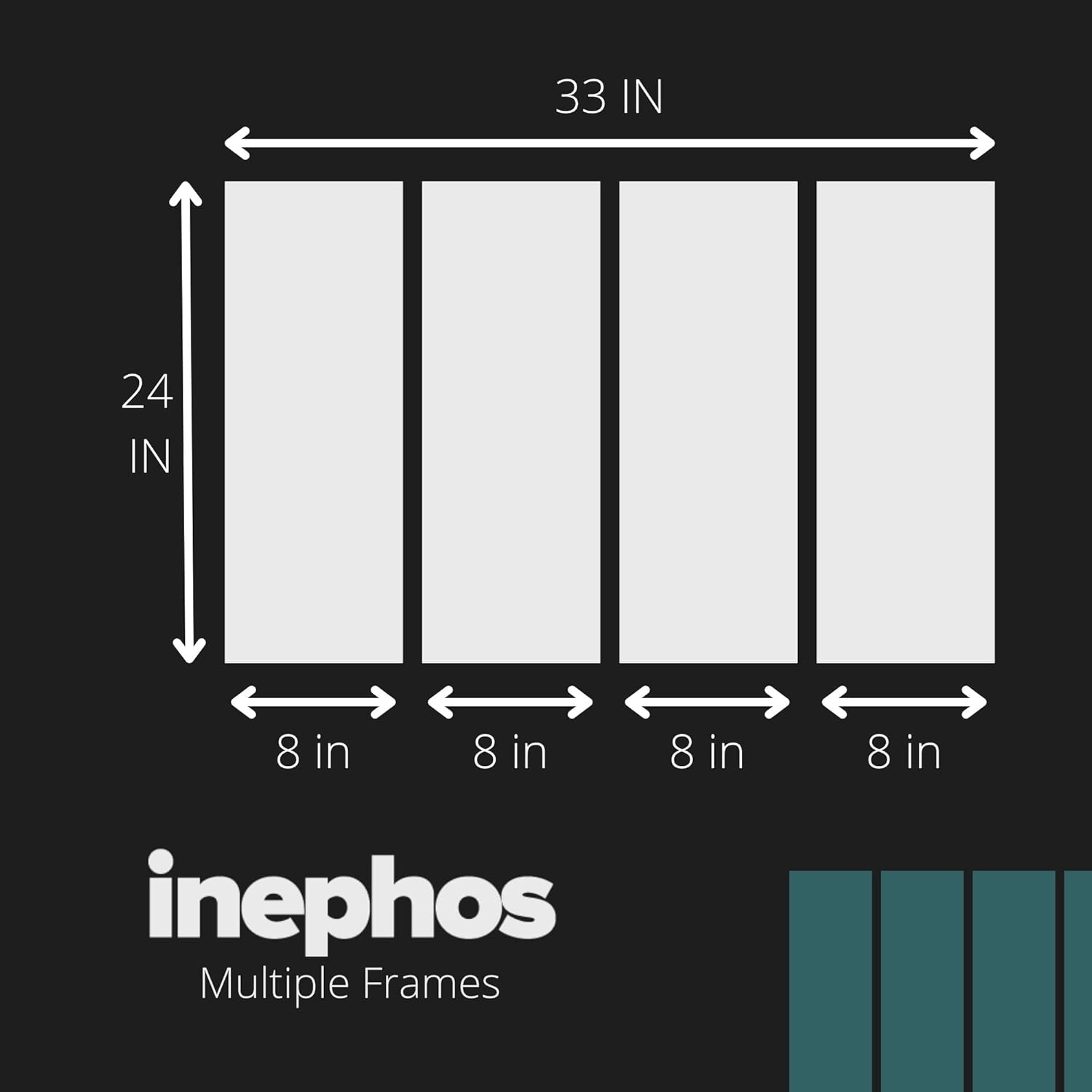
This 4-panel Buddha piece solves that specific problem. The gold figure against deep teal-purple reads clearly from 3-4 meters away — you see the complete form, not muddy colors blending together. At 85cm wide, it fills the wall space above a 150-180cm console or reading nook without requiring you to rearrange furniture around it.
Why 85cm Width Works on 8-10ft Walls (And What Changes If You Size Up)
An 85cm piece covers roughly 28% of a standard 10ft (300cm) Indian wall. This is deliberate: enough presence to feel intentional, not so large that it dominates a bedroom or study where you want calm, not drama.
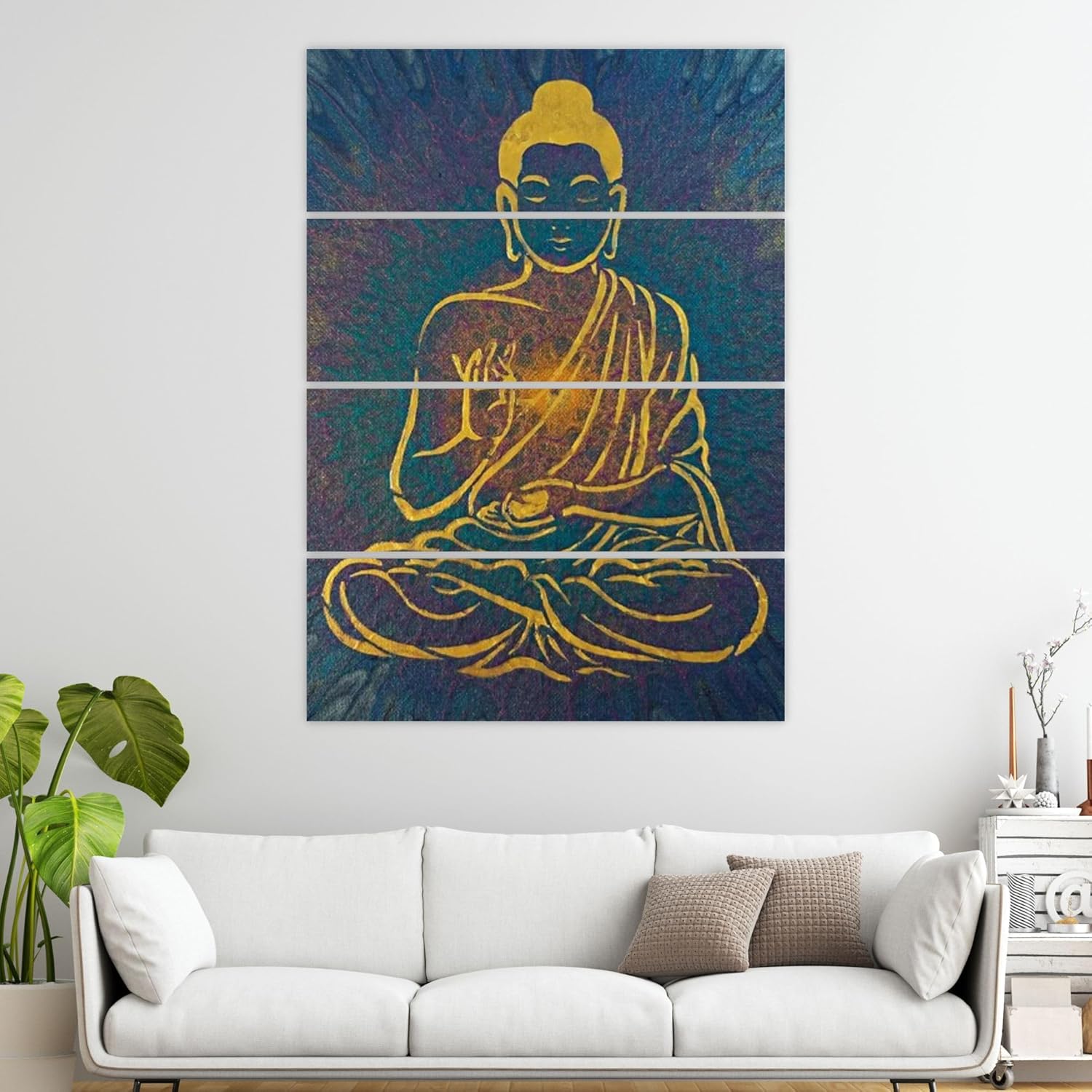
For a 6ft (180cm) sofa or console: 85cm hits the sweet spot at 47% of furniture width. The four panels span comfortably without extending past the furniture edges.
For an 8ft (240cm) sofa: This becomes an accent piece rather than a statement piece — 35% coverage. If you want the Buddha to be the focal point above a larger sofa, you'd want 120cm or wider.
Viewing distance reality: From 2.5-3 meters (typical living room doorway to opposite wall), the gold Buddha figure remains distinct against the teal background. The panel gaps (roughly 1-2cm when mounted) create subtle horizontal rhythm without fragmenting the seated figure — the composition was designed with these breaks in mind.
What These Colors Look Like Against Cream Walls (Morning vs LED)
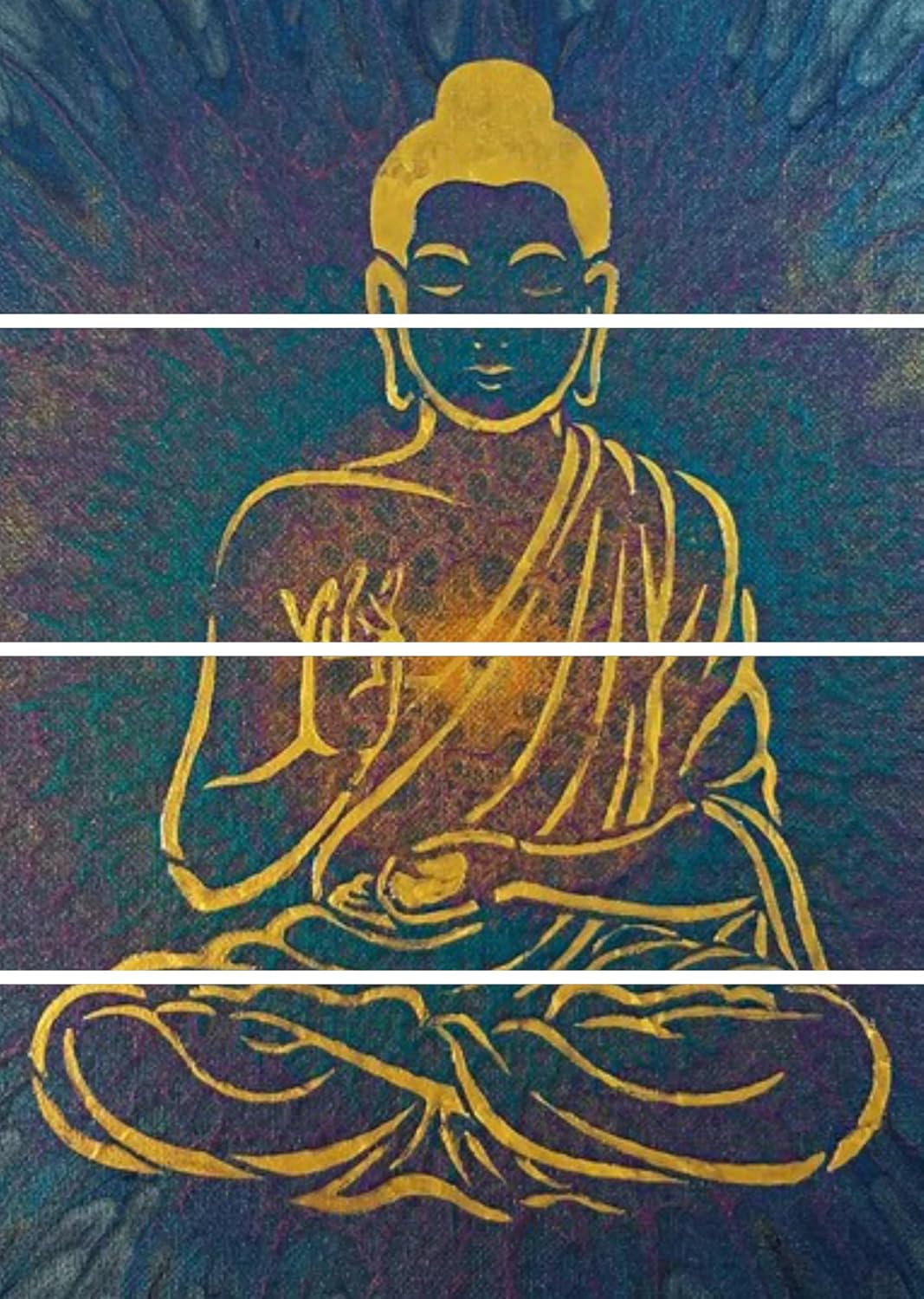
The palette here is specific: deep teal (almost peacock blue), purple undertones in the background texture, and warm gold for the Buddha figure.
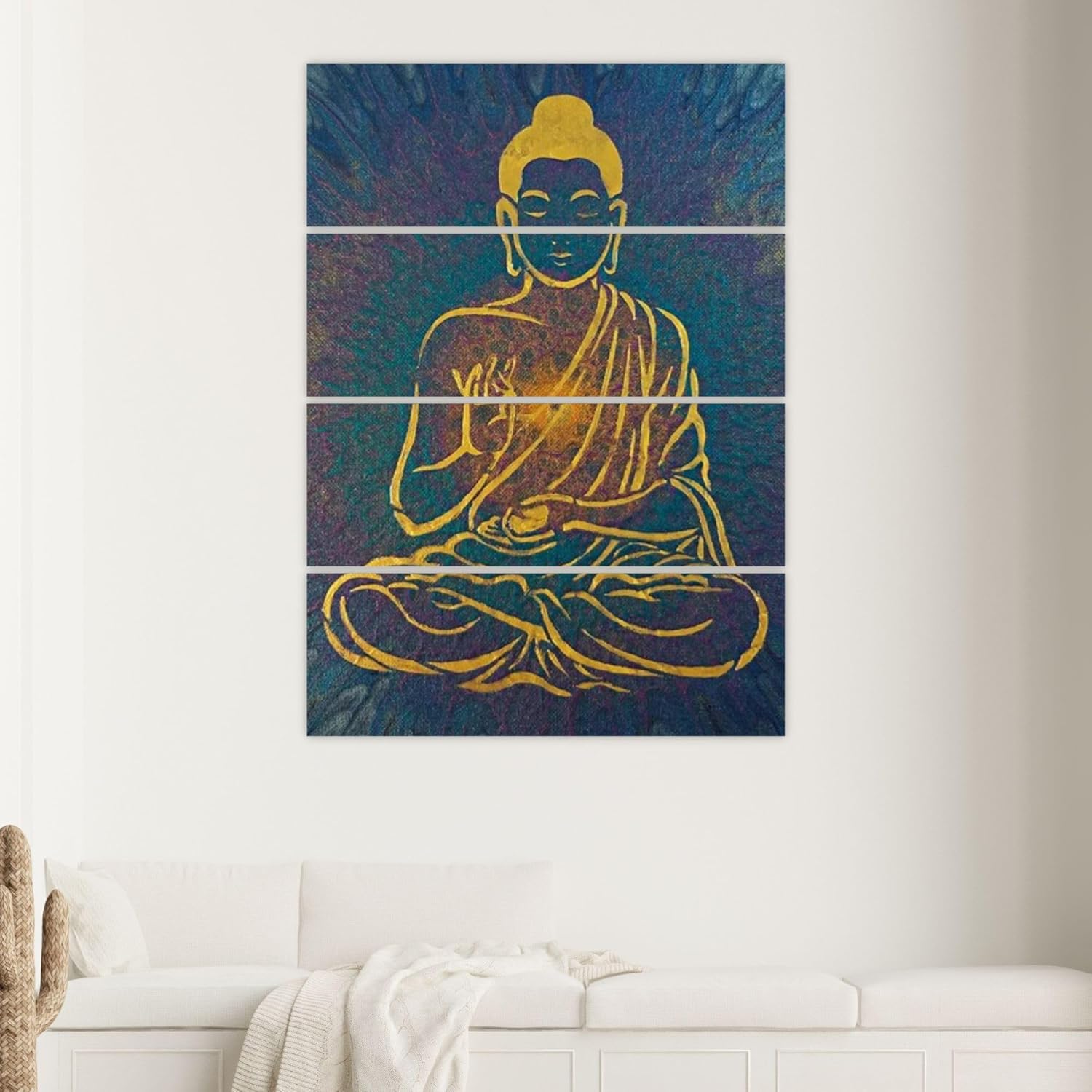
Against cream or off-white walls (80% of Indian apartments): The jewel tones pop without clashing. The gold picks up warmth from wooden furniture — your brown sofa, teak coffee table, sheesham TV unit. This isn't a cool-toned piece that fights with Indian interiors.
In morning light (east-facing rooms): The teal reads bluer, more vibrant. The gold appears bright, almost luminous.
In warm LED lighting (evening, 3000K bulbs): The purple undertones emerge more. The gold deepens to amber. The overall effect is richer, more meditative — which is when most people actually sit in their living rooms.
Against colored walls: If your wall is light yellow or peach (common builder paints), the teal provides enough contrast to work. Against sage or mint walls, you'd get color competition — not ideal.
Installation on Indian Walls (Concrete vs Drywall)
Four panels means four mounting points minimum — realistically six to eight for secure, level hanging. The MDF panels weigh approximately 750g each, so you're distributing 3kg across multiple anchors rather than concentrating weight on two points.
For concrete walls (older apartments, most buildings): Use the included concrete anchors. Drill 6mm holes, 35mm deep. The panels hang on D-rings, which means you can adjust horizontal alignment after mounting — useful when you're eyeballing level across four separate pieces.
For drywall (newer constructions, false walls): Drywall anchors work, but pre-mark all four panel positions using the hanging template before drilling. Drywall doesn't forgive multiple attempts — each hole weakens the surrounding area.
Panel alignment tip: Start with the top panel, level it, then work downward. The gaps between panels should be consistent (1.5-2cm looks intentional; uneven gaps look like a mistake). A phone level app works if you don't own a spirit level.
Time required: 25-30 minutes for all four panels, including the part where you step back three times to check alignment.
Why This Instead of Macrame or Fabric Wall Hangings
You've probably considered macrame Buddha pieces or woven fabric tapestries — they're everywhere on Instagram, they're usually cheaper, and they have that "handmade" aesthetic.
Here's the practical difference:
Macrame wall hangings collect dust in every knot. In Indian cities with construction dust, pollution, and open windows during mild weather, you'll see gray buildup within 2-3 months. Cleaning means taking it down, soaking, drying — a weekend project you'll avoid until it looks visibly dirty.
Fabric tapestries absorb humidity. During monsoons, they feel damp. They can develop musty smells. And unless you're ironing them periodically, they wrinkle and sag.
Splash-proof vinyl on MDF wipes clean with a dry cloth. The surface doesn't absorb moisture or dust particles. Three years from now, it looks the same as the day you mounted it — assuming you dust it monthly, which takes 30 seconds.
Visual presence difference: Macrame and fabric have "soft" visual weight. They look delicate, sometimes flimsy. MDF panels have structure. The edges are defined. From across the room, this reads as intentional décor, not a temporary covering for a bare wall.
What This Will Actually Feel Like in Your Room
From the doorway: You'll see the gold Buddha figure first — high contrast against the dark background makes it the immediate focal point. The four-panel structure is visible but doesn't fragment the image; your eye assembles it into one piece.
Up close (within 1 meter): The texture in the teal-purple background becomes visible — brushstroke-like patterns that add depth. The gold lines defining the Buddha's robes and features have clean edges. This is where cheap prints reveal themselves (blurry edges, pixelation); this one holds up to close inspection.
In context with furniture: The warm gold connects visually with wooden furniture and brown/beige upholstery. If you have a teal or blue accent pillow, it'll feel coordinated without being matchy-matchy.
Does it dominate? At 85x55cm, this is a statement piece for small-medium walls, an accent piece for large walls. It won't overwhelm a bedroom or study. In a large living room above an 8ft sofa, it might feel undersized — that's a function of room scale, not the art itself.
Moolwan Design Note
The Vitarka mudra (teaching gesture) depicted here is rendered in continuous gold linework — the figure reads as complete across all four panels because the line weight remains consistent through each panel break. This isn't accidental; the panel divisions were placed in the robe folds and lotus seat where horizontal gaps enhance rather than interrupt the visual flow.
Moolwan Quality Standard
Designed for Indian apartments and lighting conditions. Printed on splash-proof vinyl with moisture-resistant MDF backing — tested for 70-85% humidity without warping or delamination. Packed for long-distance Indian transit with panel separators and corner protection. Quality checked before dispatch. Ships from West Bengal.
Moolwan Fit Guidance for Indian Homes
At 85cm width, this piece fits walls 8-12ft wide with furniture (console, reading chair, meditation corner) in the 150-200cm range beneath it. Mount center of artwork at 145-150cm from floor for standard 8ft ceilings; raise to 155-160cm for 10ft ceilings.
Quick Specifications
Product: Moolwan 4-Panel Buddha Vinyl Wall Art on MDF (85x55cm)
Brand: Moolwan
Category: Vinyl Wall Art on MDF
Collection: Buddha Wall Art Collection
Dimensions: 85cm W x 55cm H x 2cm D (combined)
Weight: 3000g (approximately 750g per panel)
Material & Construction: Splash-proof vinyl print on moisture-resistant MDF
Colors: Deep teal, purple undertones, warm gold
Best For: Medium walls (8-10ft) above consoles, reading nooks, meditation corners
Ships From: West Bengal
Frequently Asked Questions
Will 85cm look too small above my 8-foot sofa?
At 85cm, you're covering about 35% of an 8-foot (240cm) sofa's width. This works as an accent piece, but if you want the Buddha to be the primary focal point above a large sofa, you'd want 120cm or wider. For 6-foot sofas or consoles, 85cm is proportionally balanced.
How do the gold tones look under warm LED lights versus daylight?
In daylight, the gold appears bright and the teal reads bluer. Under warm LED lighting (3000K, standard in most Indian homes), the gold deepens to amber and the purple undertones in the background become more visible. The piece looks richer in evening lighting, which is when living spaces are typically used.
How difficult is it to align all four panels evenly?
Allow 25-30 minutes for installation. Start with the top panel, level it using a phone app or spirit level, then work downward. Mark all positions before drilling. The key is consistent gaps between panels (1.5-2cm) — use a spacer like a folded newspaper to maintain even spacing as you mount each panel.
Will the MDF warp during monsoon season?
The MDF backing is moisture-resistant and tested for 70-85% humidity levels typical of Indian monsoons. Unlike canvas stretched on wood frames, MDF doesn't expand and contract with humidity changes. The vinyl surface is splash-proof — accidental water contact wipes off without damage.
Can I mount this in a bathroom or high-humidity area?
While the panels are moisture-resistant, continuous high humidity (like a bathroom without exhaust ventilation) isn't recommended for any wall art. Enclosed balconies, covered verandas, and well-ventilated spaces are fine.
Product Snapshot
Brand: Moolwan
Product: Moolwan 4-Panel Buddha Vinyl Wall Art on MDF (85x55cm)
Category: Vinyl Wall Art on MDF
Collection: Buddha Wall Art Collection
Theme/Type: Buddha in meditation, Vitarka mudra
Best For: Medium walls above consoles, reading corners, meditation spaces; complements cream walls and wooden furniture
Primary Differentiator: Gold-on-teal contrast that reads clearly from across the room
Secondary Differentiators: Jewel-tone palette works with warm Indian interiors; four-panel segmentation creates visual rhythm without fragmenting figure
Material & Construction: Splash-proof vinyl print on moisture-resistant MDF, 2cm depth
Care Instructions: Dust with dry microfiber cloth monthly; wipe spills immediately with dry cloth
Ships From: West Bengal
Packing: Panel separators and corner protection for long-distance transit
Quality Check: Inspected before dispatch