
Cart
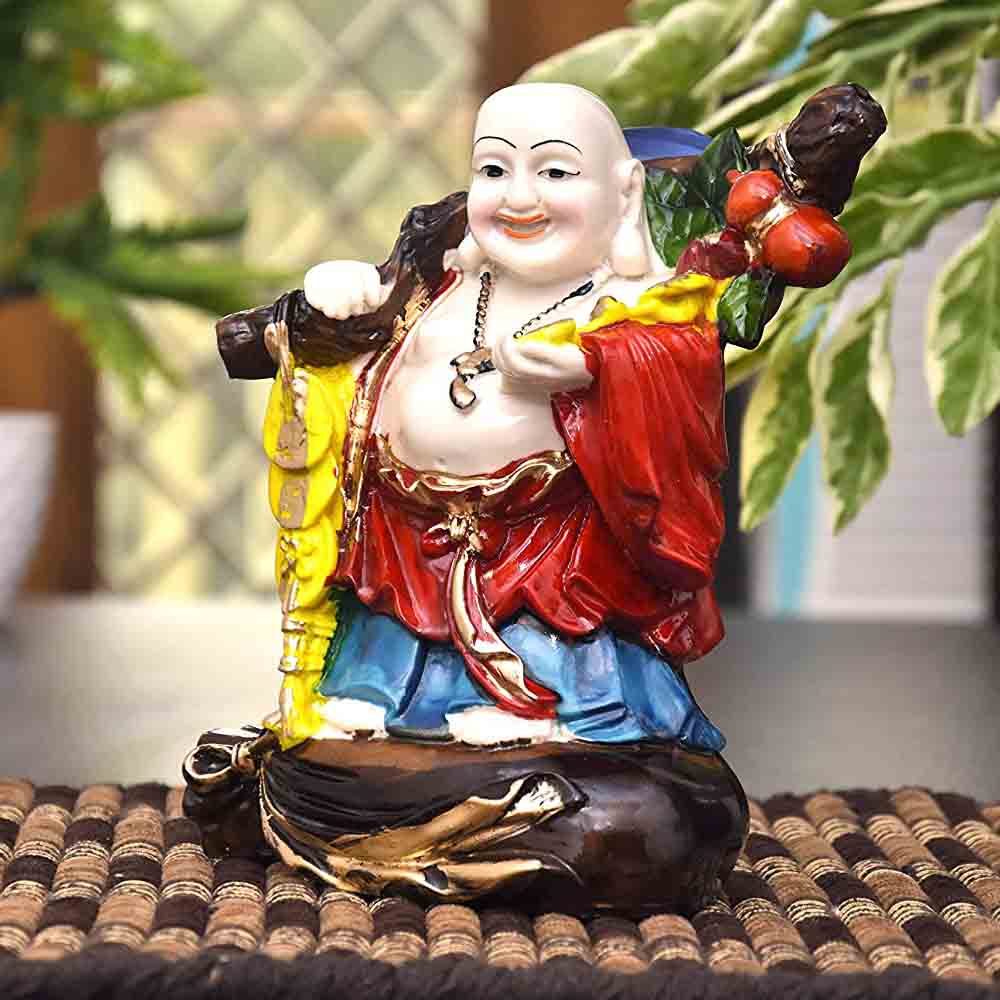
Let's face it - placing a Buddha statue isn't like arranging your sock drawer (though both deserve some respect!). Whether you're a zen master in training or just love the peaceful vibe Buddha brings to your space, knowing the dos and don'ts can make all the difference between creating a serene sanctuary and accidentally sending peaceful vibes out the window!
First things first - Buddha's face should always point inward toward your home or room. Think of it like Buddha's giving your space a spiritual high-five! Placing Buddha facing your entrance welcomes positive energy while keeping the not-so-good vibes at bay. It's like having the world's most peaceful bouncer! For an elegant and peaceful touch, a White Sitting Buddha Statue in Abhaya Mudra as an entrance centerpiece can be a great choice, offering a serene welcome to your home.
Ever seen a Buddha statue chilling at ankle level? Not cool! Keep your Buddha elevated - at least above waist height. It's like giving Buddha the VIP treatment it deserves. A table, shelf, or dedicated altar works perfectly. Just think: would you put your favorite celebrity's photo on the floor? Exactly! Consider placing a White Baby Buddha Statue for an adorable spiritual lift on a shelf or a special stand to enhance your décor while respecting spiritual traditions.
Your Buddha statue is like that friend who brings peace to every party - but even they need the right spot! The living room, meditation space, or office are perfect. Just avoid the bathroom (seriously, would you meditate there?) and kitchen (mixing spiritual enlightenment with spaghetti sauce? Nope!). Having a White Sitting Bhumi Sparsh Mudra Buddha Statue for your desk corner decoration not only adds peaceful energy but also enhances concentration and mindfulness.
East-facing is the way to go! It's like giving Buddha the best seat in the house to catch the morning sun. Think of it as Buddha's morning coffee - energizing your space with those first rays of light. Placing a White Baby Monk Buddha Statue as an east-facing centerpiece in your prayer corner or meditation space can radiate serenity and mindfulness into your daily routine.
Show your Buddha some love with regular dusting - using a soft cloth, not your old gym sock! Clean with respect, like you're giving Buddha a spa day. A clean Buddha is a happy Buddha! A White Laughing Buddha Statue as a focal point that requires minimal cleaning makes upkeep simple while ensuring tranquility remains undisturbed in your space.
Outdoor Buddha? Cool! Just keep it elevated (no Buddha lawn ornaments, please!) and protected from extreme weather. Think of it as giving Buddha a cozy outdoor retreat, not a wilderness survival challenge. A White Sitting Samadhi Buddha Statue as a meditative garden décor placed on a raised platform can bring balance and serenity to your outdoor retreat.
Keep Buddha out of the bedroom - it's not about judgment, it's about energy! The bedroom is for rest and romance, while Buddha's all about meditation and spiritual awakening. Different vibes, different tribes! However, if you love decorating, a Multicolor White Sitting Buddha for serene energy on a coffee table in your living room can be a better placement choice.
Choose a Buddha size that fits your space harmoniously. A tiny Buddha lost in a huge room is like a whisper at a rock concert, while a massive Buddha in a small space is like using a megaphone in a library! A Large White Sitting Buddha Statue as a center focal piece can anchor the aesthetics of a room while maintaining its tranquil energy.
When in doubt, think respect and elevation. Treat your Buddha statue like you would treat a wise elder - with reverence, care, and maybe the occasional gentle dusting!
Buddha's eyes symbolize all-seeing wisdom and compassion. The half-closed eyes represent a state between meditation and everyday life - kind of like that peaceful feeling you get right before falling asleep, but way more enlightened!
Buddha taught the Four Noble Truths and the Eightfold Path, focusing on ending suffering through understanding, meditation, and compassionate living. Think of it as the original self-help guide, but without the cheesy motivational quotes!
Buddha was born as Siddhartha Gautama, a prince who gave up his royal lifestyle to seek enlightenment. Talk about the ultimate career change!
Buddha's appearance varies across cultures - from the laughing Buddha in China to the serene, meditation poses in Thailand. It’s like how pizza changes from country to country, but with way more spiritual significance!
Each hand gesture (mudra) has a specific meaning - teaching, meditation, protection, or enlightenment. It's like sign language for spiritual wisdom, each pose telling its own beautiful story!


