
Cart

Let's face it—putting two kids in one bedroom can feel like mixing oil and water, then adding glitter. Suddenly you're a referee, therapist, and interior designer rolled into one exhausted parent! Whether you're working with limited square footage or trying to teach your little monsters the value of sharing, creating a harmonious shared bedroom doesn't have to end in sibling warfare. With a sprinkle of creativity and some clever design tricks, you can transform that battleground into a space where both kids feel like they've got their own little kingdom. So grab your imaginary hard hat—we're about to build some bedroom harmony that might (just might) reduce those 3 AM "Mom, she's breathing on my side!" complaints!
A helpful addition to this approach is incorporating accent pieces like the Stunning small decorative showpieces suitable for shared kids' rooms, allowing kids to personalize their corners without cluttering shared areas.

Bunk beds aren't just space-savers—they're childhood rites of passage! Remember fighting with your sibling over who gets the top bunk? (Spoiler alert: your kids will do the same.) But modern bunk beds are like Swiss Army knives of bedroom furniture. Look for options with built-in desks, storage drawers, or even slide attachments that make bedtime feel like a trip to the playground. Pro tip: If your children are still debating top-versus-bottom bunk privileges, institute a weekly rotation system. Just be prepared for elaborate calendar-marking ceremonies and possibly bunk-switch celebrations complete with stuffed animal witnesses!
Complete the bunk bed setup with Creative abstract showpieces for playful kids' bunk bed corners to bring their top or bottom space to life.

Nothing says "this is MY territory" quite like a good room divider. Bookshelf dividers pull double-duty by creating separate zones while storing all those books your kids swear they'll read someday. Curtain dividers add drama (as if your kids needed more of that) and can be pulled back for playtime. For the budget-conscious, try hanging string lights in a curtain pattern—they separate space while adding that magical twinkle that makes bedtime 10% less of a battle. Just remember: whatever barrier you choose, kids will find a way around it when they want to annoy each other. It's like their superpower!
Complement partitions with Modern artistic wall decor suitable for shared kids’ spaces that double as stylish visual barriers.

Want to minimize the "That's MINE!" screaming matches? Color coding is your new best friend. Give each child their own color scheme and watch organization magically improve (okay, slightly improve). Blue basket? That's clearly Noah's LEGO collection. Pink shelf? Obviously Sophia's stuffed animal kingdom. This trick works especially well with twins who've spent their lives having people mix them up. Plus, when something mysteriously appears in the wrong zone, there's no debate about where it belongs. "The red socks go in YOUR red drawer, buddy. Nice try."
You can also highlight their color zones with Bright and subtle ceramic vases to match color-coded zones that reflect each child’s theme and mood.

Nothing breeds bedroom resentment faster than one kid getting the "good side" with more space, better light, or fewer mysterious wall stains. Create harmony with mirrored layouts where each child gets the exact same setup. Two identical beds, two identical desks, two identical everything. It's like diplomatic immunity for bedroom design! Of course, this perfect symmetry will last approximately 2.5 days before personality takes over, but starting with equality sets the right tone. Plus, it makes furniture shopping a breeze—just hit "order twice" and call it a day!
Balance the aesthetics with Symmetrical resin decor pieces perfect for mirrored kids’ room layouts that reinforce a sense of visual fairness.

Every child is an artist, collector, and hoarder of questionable treasures. Designate personal display areas where each kid can showcase their personality without encroaching on sibling territory. Cork boards, magnetic walls, or string-and-clip systems let them exhibit everything from artwork to ticket stubs to that weird rock they found that "looks exactly like Grandpa's nose." These zones become sacred spaces that satisfy the need for self-expression without turning the entire room into a chaotic gallery of competing interests.
Try elevating these areas with Unique hanging showpieces for kids’ personal wall galleries that bring creativity and texture to their collections.
The average child's possession count rivals a small department store, yet somehow they "have nothing to play with." Combat clutter with ninja-level storage solutions that maximize every inch. Under-bed rolling drawers, over-door organizers, and wall-mounted baskets keep floor space open for important activities like dance parties and dramatic flops after being told it's homework time. Teach kids the "one in, one out" rule for new toys (and then quietly accept that you'll be the one enforcing it while they're at school).
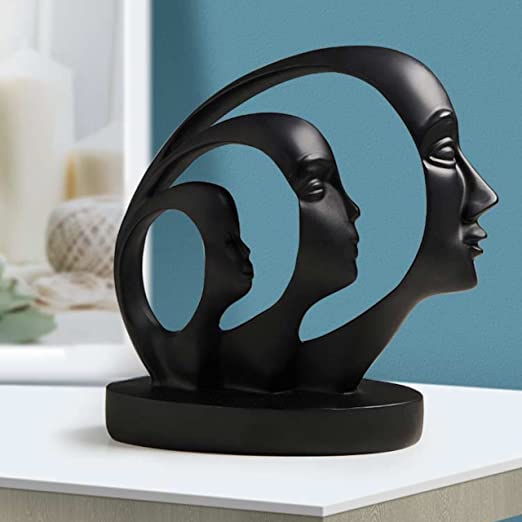
Incorporate Minimalistic tall decorative items for corner storage balance helping disguise utilitarian elements with flair and structure.

Nothing says "I love you" like setting your children up for academic success (and keeping crayons off your kitchen table). Create dedicated study zones that respect different learning styles. Maybe one child needs complete silence while the other works better with background music. Headphones become essential peace-keeping equipment here! Consider fold-down desks that can disappear when not in use, or back-to-back workstations where kids can focus on their own work without distractions. The best part? When someone asks "Where's my homework?" the answer is always "In your designated homework zone," not "Maybe the dog ate it again."
Consider desk-friendly Contemporary small table showpieces for kids’ study tables that inspire creativity without consuming space.
When you've got an early bird sharing with a night owl, bedtime becomes a diplomatic crisis. Book lights, bed canopies with built-in lighting, or reading nooks give the night owl illumination without keeping their sibling awake. For tech-savvy older kids, light-blocking sleep masks and white noise machines create personal sleep environments. And remember, blackout curtains are the unsung heroes of summer bedtimes when the sun is still shining at 8:30 PM and your child is insisting "But it's still daytime!"
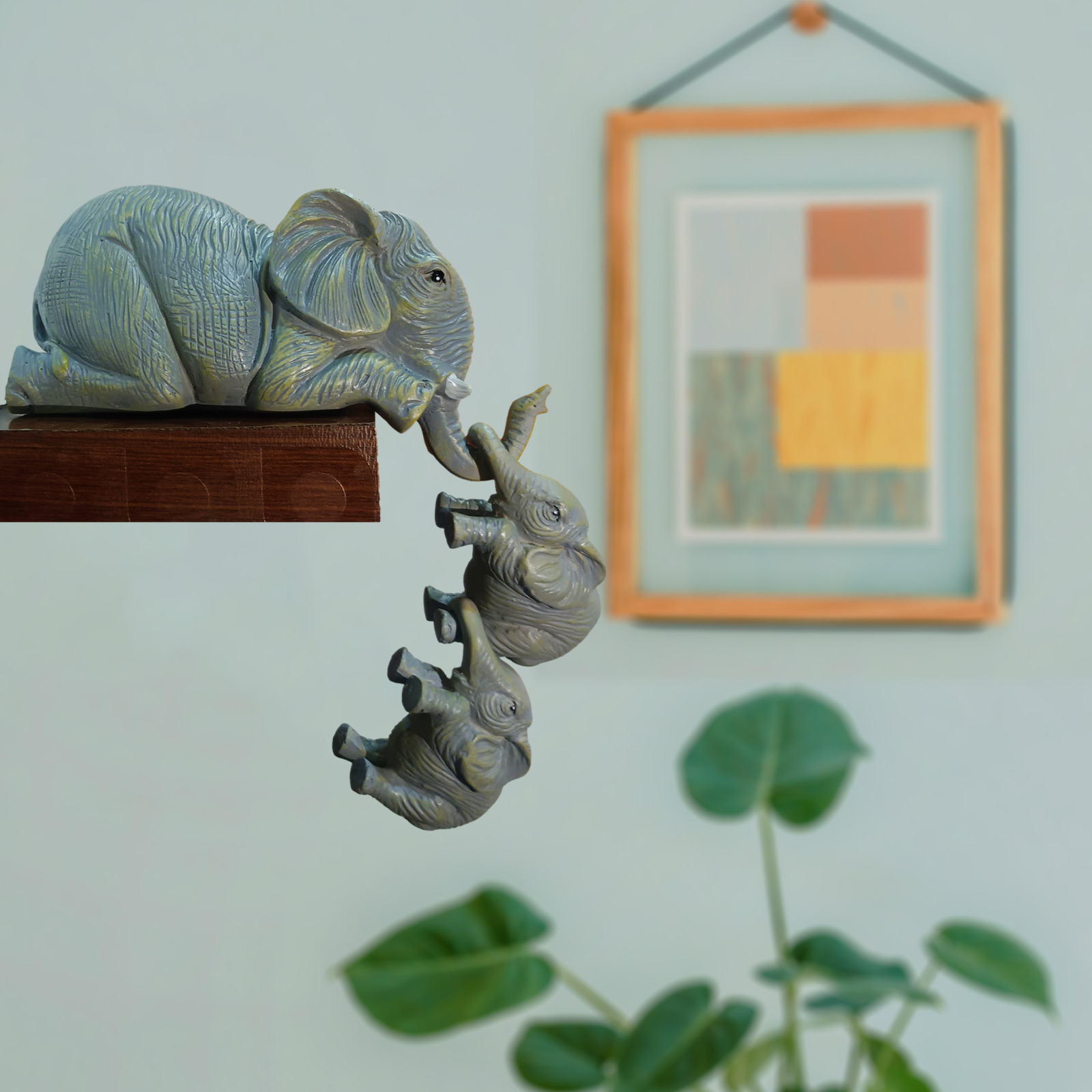
Add twilight charm with Subtle glazed ceramic décor for cozy bedtime ambiance on shared nightstands or window ledges.
Even in shared spaces, kids need to feel ownership. Personalization doesn't require permanent changes that'll give your future home buyers pause. Removable wallpaper, bedding choices, and even custom name signs let kids stamp their identity on their space. Let each child choose one special item that makes their section feel like home—whether it's a themed lamp, special throw pillow, or that questionable poster of a pop star whose name you can never remember. These small touches make a big difference in preventing "this room doesn't feel like mine" complaints.
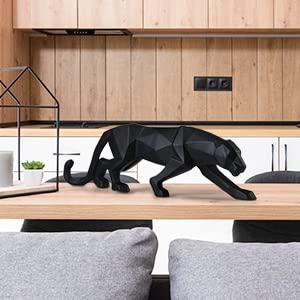
Try Colorful decorative small resin items to customize shared kid zones for light but lasting touches of personality.

In today's digital world, screen time management becomes extra complicated in shared bedrooms. Create clear boundaries about where devices can be used and when they need to power down. Charging stations outside the bedroom encourage healthy tech habits and prevent late-night YouTube rabbit holes. Consider headphone hooks for each child and maybe even a sibling screen-time agreement (written in crayon and signed with dramatic flair, of course). Remember: the child who falls asleep first will absolutely be awakened by the glow of their sibling's tablet. It's practically a law of physics.
Bring tech clarity with Functional and artistic décor gifts that define gadget-free zones and reduce screen-related arguments.

Today's toddler who loves dinosaurs becomes tomorrow's teen who's mortified by their dinosaur curtains. Design with flexibility in mind by investing in neutral furniture and adding age-appropriate accessories that can be easily swapped. Adjustable-height desks, convertible beds, and modular storage systems adapt as your children grow and their interests evolve. The goal is creating a space that works from LEGO phase through science fair project phase and into the "please don't come in my room" teenage years. Good luck with that last one!
Think ahead with Versatile modern décor items that grow with your child’s shared room and stay relevant through changing ages and preferences.

Creating a shared bedroom that respects both children's needs takes effort, but the payoff goes beyond just a pretty room. You're teaching compromise, respect for others' spaces, and negotiation skills that will serve them well into adulthood (though they might not thank you for these lessons until they're about 30). Remember that perfection isn't the goal—harmony is. And on those days when you find them voluntarily playing together in their shared space instead of fighting over it? That's when you know your room-sharing mission has been accomplished. At least until tomorrow morning.
Use vertical space with lofted beds or bunk beds to create separate zones underneath. Employ room dividers like bookshelves, curtains, or even strategically placed furniture to carve out individual territories. Create personal corners with dedicated storage, display space, and customized decor that reflects each child's personality. Most importantly, establish respect rules—everyone knocks before entering someone else's zone, even if that "zone" is just the other side of a curtain!
Privacy screens or canopy beds create visual barriers when needed. Institute "private time" schedules where each child gets the room to themselves occasionally. For older kids, noise-canceling headphones provide auditory privacy, while reading nooks with curtains offer quiet retreat spaces. Teach the importance of respecting closed drawers, personal journals, and each other's belongings. Sometimes privacy is less about physical space and more about establishing boundaries that everyone honors.
Start with a fair floor plan—measure and divide the space equally if possible. Create a balanced layout where neither child gets stuck with all the awkward corners or door swing space. Use area rugs to visually define each zone. Consider the room's natural features (windows, closets) and either split these equally or compensate with other perks. The most successful room splits acknowledge both children's needs for storage, sleep, study, and play areas, even if these areas look different for each child.
Beyond physical dividers, use lighting to differentiate zones—each child gets control of their own light source. Floor-to-ceiling bookcases create substantial room dividers while adding storage. For a softer approach, hanging macramé or beaded curtains delineate space without blocking light. Create "micro-rooms" with canopy beds or reading nooks that feel like private retreats. Even simple solutions like different wall colors on each side can psychologically establish separate territories.
Open bookcases create permeable boundaries that allow light flow while defining spaces. Ceiling-mounted curtain tracks offer flexible division—close for privacy, open for shared play. Furniture arrangement can naturally create divisions—try placing dressers or desks back-to-back in the center of the room. For a modern touch, rope or macramé hangings create artistic dividers. Sliding barn doors or Japanese-style screens offer solid separation without permanent construction, perfect for rental homes or spaces that need to adapt as children grow.


