
Cart
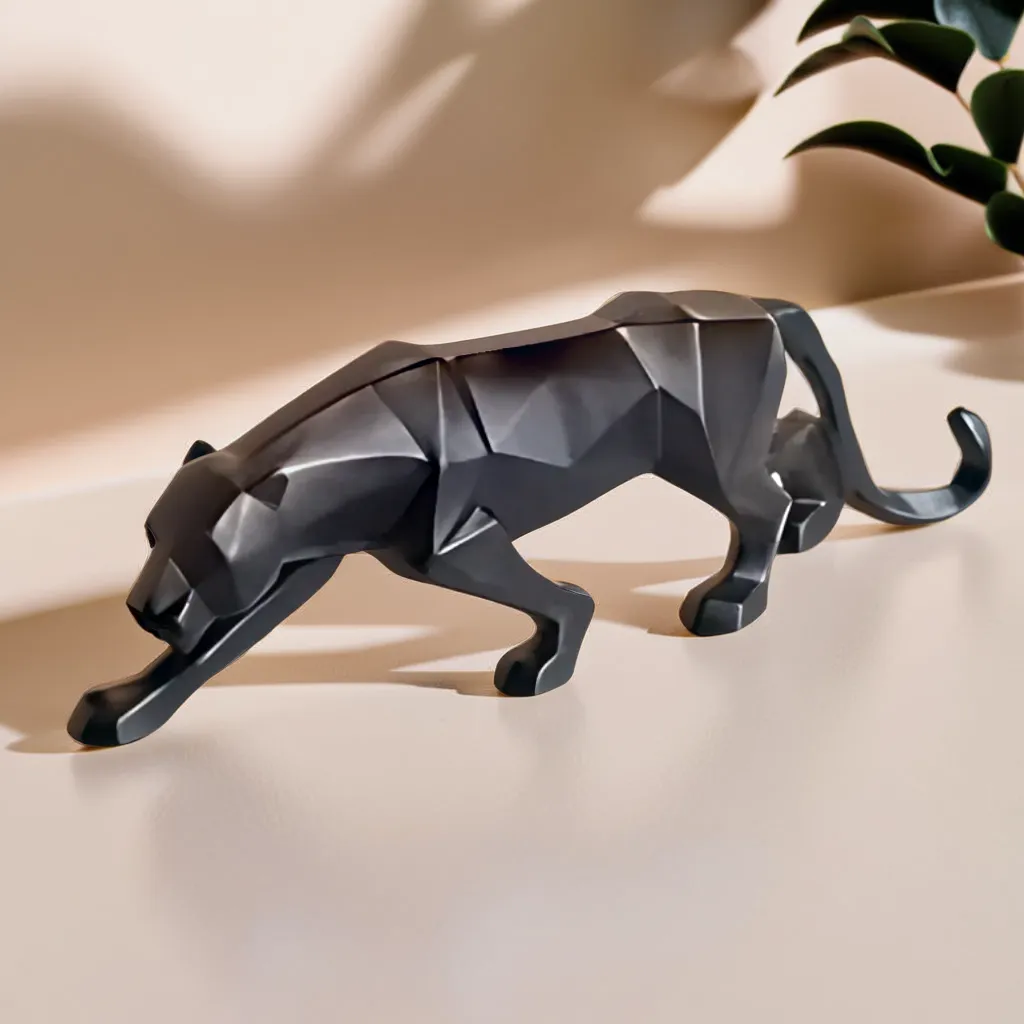
Nothing says "fancy pants" quite like strategically placed mirrors. They're the magicians of home decor—making spaces look bigger, bouncing light around, and generally creating the illusion that you live in a palace (even if it's really a shoebox). Hunt down secondhand mirrors with interesting frames, or snag plain ones and add molding around the edges. Prop a large mirror against a wall instead of hanging it for that casual-but-expensive look that says, "Oh this old thing? I just found it in my château's attic." Enhancing mirror placements with complementary small decorative items for home that transform interior design can effortlessly raise the aesthetic value of any space.
If your walls could talk, they'd probably beg for a fresh coat of paint. Nothing transforms a space faster than color, and it's ridiculously affordable compared to most renovations. Skip the builder-grade white and go for sophisticated neutrals like warm greige, soft sage, or muted navy. Pro tip: painting your ceiling the same color as your walls creates a continuous look that interior designers charge big bucks to recommend. Bonus points if you paint your trim a glossier shade of the same color—instant architectural interest without knocking down a single wall! Add contrast with strategically placed handmade home decor items that exude elegance to highlight your new wall hues.
You know what separates budget rooms from bougie ones? Fabrics that make you want to touch them. Layer different textures like you're creating a symphony for your fingertips—velvet pillows against linen sofas, chunky knit throws over smooth cotton bedding. The secret? Buy the best quality you can afford for items closest to your body (like throw pillows and blankets), and save on the bigger pieces. Your guests will be too distracted by how cozy everything feels to notice that your "designer" curtains actually came from Target's clearance rack. Tie it all together with home decor items crafted for stylish layering that radiate warmth on every surface.
Nothing screams "this room cost me seventeen dollars" like tiny art floating in a sea of empty wall space. The solution? Go big or go home! Large-scale art makes a room look intentional and pulled together. Can't afford original artwork? No problem! Frame vintage scarves, blow up your own photography, or download free printable art online and have it printed poster-size at your local copy shop. For extra credit, add a picture light above your masterpiece and watch as visitors assume it's worth thousands. Or better yet, use online decorative items for home that elevate wall spaces to build a gallery wall that rivals professional design studios.
I bet you've never thought about how much your sad, dusty lampshades are bringing down your style game. Replacing just the shades on existing lamps is like giving your room an instant facelift. Look for drum shapes in natural fabrics rather than pleated polyester (unless you're going for "grandma chic"). Or try this design insider trick: black lampshades with gold-lined interiors cast the most flattering light known to humankind, making both you and your room look like you're perpetually in a glamorous movie scene. Pair this glow with the elegance of antique decorative items that add vintage drama to your side tables and nightstands.
Ever walk into a room and just feel like something's off, but can't put your finger on it? You might be violating the sacred 2/3 rule. This designer secret suggests that furniture should take up about two-thirds of the available space in any arrangement. Too much furniture? Cluttered mess. Too little? Awkward emptiness. For example, your sofa should be about 2/3 the length of your wall, your coffee table about 2/3 the length of your sofa, and so on. This creates visual harmony that even design newbies can achieve without hiring a professional. Reinforce this principle by incorporating home decor items list that provide balance and function into surface arrangements and corners.
Nothing says "budget decor" like skimpy curtains hanging like sad flags at your windows. Channel your inner luxury hotel and hang curtains high (like, almost-touching-the-ceiling high) and wide (extending well beyond the window frame). This simple trick makes windows appear larger and ceilings taller. Even inexpensive panels look luxurious when there are enough of them to create fullness. And please, for the love of all things stylish, let them kiss the floor gently—not flooding above it like they're afraid of getting wet! Finish the framing with antique home decor items that complement vertical space and add charm.
Think of cabinet pulls and doorknobs as the jewelry of your home. You wouldn't wear a designer outfit with plastic accessories, would you? Swap out builder-grade hardware for something with personality. Brushed brass, matte black, or even leather pulls can elevate basic furniture from "meh" to "wow." This is especially effective on kitchen cabinets and bathroom vanities, where a little bling goes a long way. The best part? You can take them with you when you move! Complement these upgrades using Modern Home Decor Items with chic curves and fine textures that draw attention to your most touched surfaces.
Here's a secret wealthy people know: luxury isn't about having lots of stuff—it's about having space around your carefully chosen things. Channel your inner Marie Kondo and be ruthless about what deserves prime real estate in your home. Group similar items together rather than sprinkling tchotchkes everywhere. That collection of souvenir shot glasses? Either display them all together as an intentional collection or (gently) suggest they find a new home. Remember: if everything is special, nothing is special. Accentuate key focal points with home decor hanging items that create intentional minimalism.
Nothing adds life to a room like, well, life! But if your green thumb is more of a black thumb of doom, high-quality faux plants can be your secret weapon. The key word here is "high-quality"—those plastic monstrosities from the dollar store aren't fooling anyone. Invest in a few realistic-looking artificial plants and arrange them in beautiful pots. Pro tip: mix in one or two nearly indestructible real plants (hello, pothos and snake plants!) to really sell the illusion. Enhance both real and faux greenery with antique showpiece for home decoration that grounds the organic feel.
Here's a design secret that'll blow your mind: people judge your furniture by its feet. Those plastic wheels or basic block legs screaming "budget buy"? Replace them! Screw-in furniture legs are available online in all sorts of gorgeous styles and can transform a basic sofa or dresser into something that looks custom-made. For just $20-40, you can give your faithful IKEA sidekick a sophisticated makeover that'll have friends asking, "Where did you get that amazing piece?" Seal the makeover look with decorative items for home entrance that impress at first glance.
Ever notice how expensive homes seem to have a certain flow? That's because they stick to a cohesive color palette throughout. You don't need to paint every room the same color (boring!), but choosing colors that play well together creates an expensive-looking continuity. Choose three or four colors and repeat them throughout your space in different proportions. When everything speaks the same color language, even mismatched furniture starts to look intentionally curated rather than randomly collected. Frame those palettes with home interior design accessories to unify styles affordably.
Focus on key areas that create maximum impact: proper lighting (aim for three light sources per room), quality window treatments that hang high and wide, decluttering religiously, investing in larger-scale art rather than many small pieces, and adding textural elements like throw pillows and area rugs. The secret is prioritizing a few quality items over many cheap ones, and being intentional about placement and scale.
The 2/3 rule is a designer's guideline for creating balanced proportions in your space. Essentially, furniture should take up approximately two-thirds of any given area, leaving one-third as negative space. This applies to wall space (furniture should occupy about 2/3 of a wall), furniture groupings (a coffee table should be about 2/3 the length of your sofa), and even accessorizing (a lamp should be about 2/3 the height of the table it sits on). This creates a visually pleasing balance that feels professionally designed.
Start by shopping your own home—rearrange furniture, swap items between rooms, and repurpose what you already own. Paint is the most affordable high-impact change you can make. For new additions, prioritize secondhand finds from thrift stores, Facebook Marketplace, or estate sales where quality pieces go for a fraction of retail prices. DIY upgrades like new hardware, furniture legs, or a simple reupholstery job can transform basic pieces. Finally, splurge strategically on a few small items that make a big difference, like quality throw pillow covers or a statement lamp.
Luxury is all about the sensory experience. Focus on touch (soft textiles in natural fibers), sight (a cohesive color palette with subtle variations), and smell (candles or diffusers). Layer lighting at different heights rather than relying on overhead fixtures. Add reflective elements like mirrors or metallic accents to bounce light around. Pay attention to the "jewelry" of your room—hardware, small accessories, and decorative objects should have weight and substance to them. Finally, eliminate visual clutter by having proper storage solutions and being selective about what's on display.
The quickest ways to upgrade budget furniture are: replace the hardware with something more substantial, swap out the legs for something more distinctive (hairpin legs, tapered wood, or brass caps), paint or refinish surfaces in unexpected ways (like color-blocking or adding decorative trim), and use high-quality accessories around it to elevate the overall look. For upholstered pieces, slipcovers or strategic throws can hide a multitude of sins. Remember, mixing high and low pieces is actually a designer trick—the budget finds look more expensive when paired with even one quality item.


