
Cart
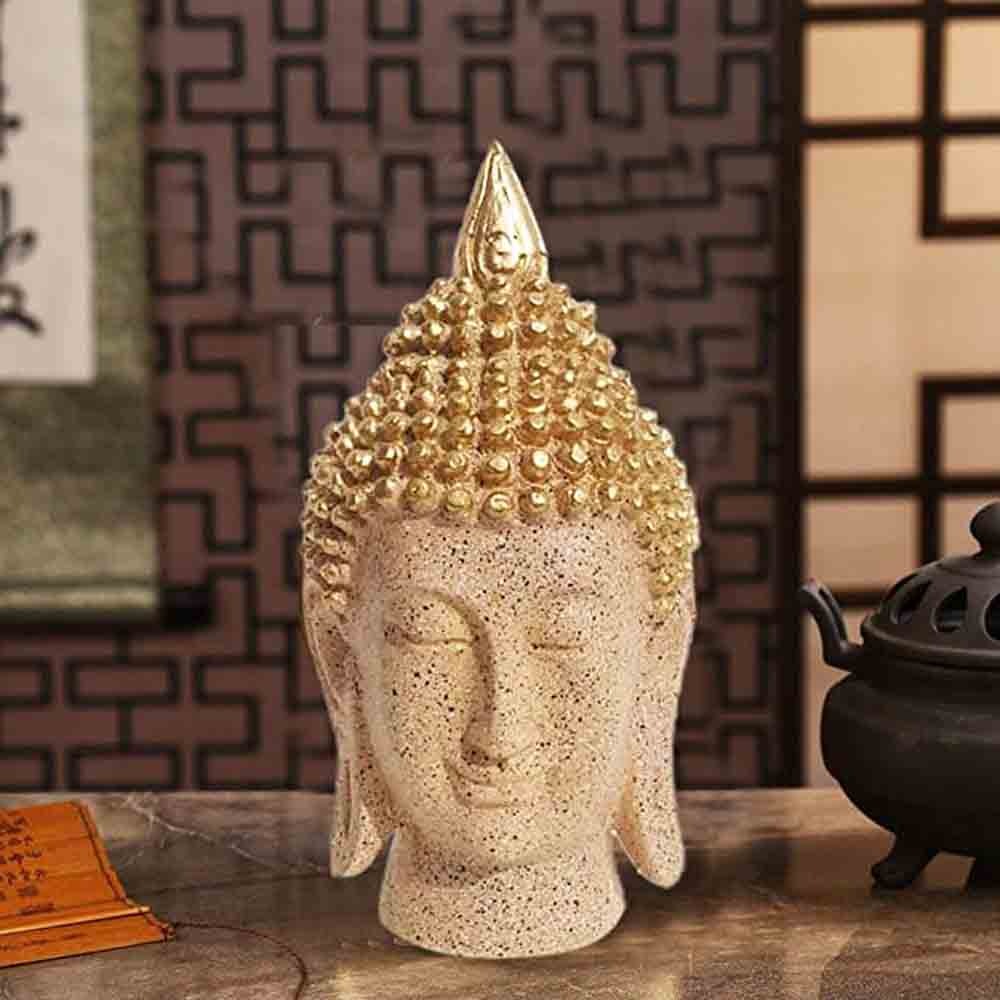
Welcome to the wonderful world of small apartment living, where your coffee table doubles as your dining table, and your dining table doubles as your office desk! But just because your square footage is modest doesn't mean your style has to be. I'm here to let you in on a little secret: luxury isn't about how much space you have—it's about how cleverly you use it. So put down that IKEA catalog (just for a minute) and get ready to transform your shoebox apartment into a mini-mansion that'll make even your suburban friends with actual staircases a little jealous! Consider starting with a Stunning Ceramic or Resin Showpiece for small apartment luxury decor that works beautifully on compact shelves or tabletops—just enough to sprinkle in some glam without eating up space.
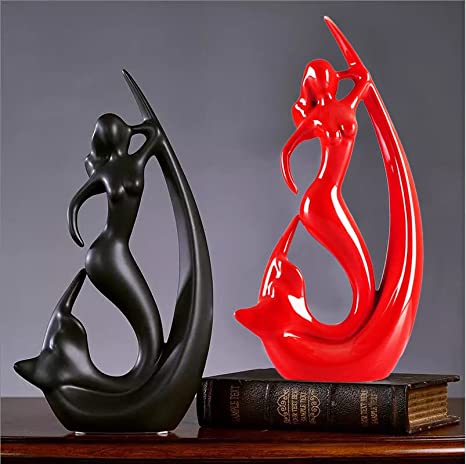
Want to know the fastest way to make your apartment feel bigger without knocking down walls (and losing your security deposit)? Mirrors, my friend! Strategic mirror placement is like apartment botox—instant lift with dramatic results. Place a large mirror opposite your window and—boom!—you've just doubled your light source and visual space. For extra luxury points, hunt down an ornate vintage mirror from a thrift store and spray paint it gold. Suddenly you've got a statement piece that screams "I definitely know what I'm doing with my life" for under $40. You can further elevate the visual dimension with Artistic Wall Hangings for small apartment wall design that add both charm and perceived depth to compact rooms.
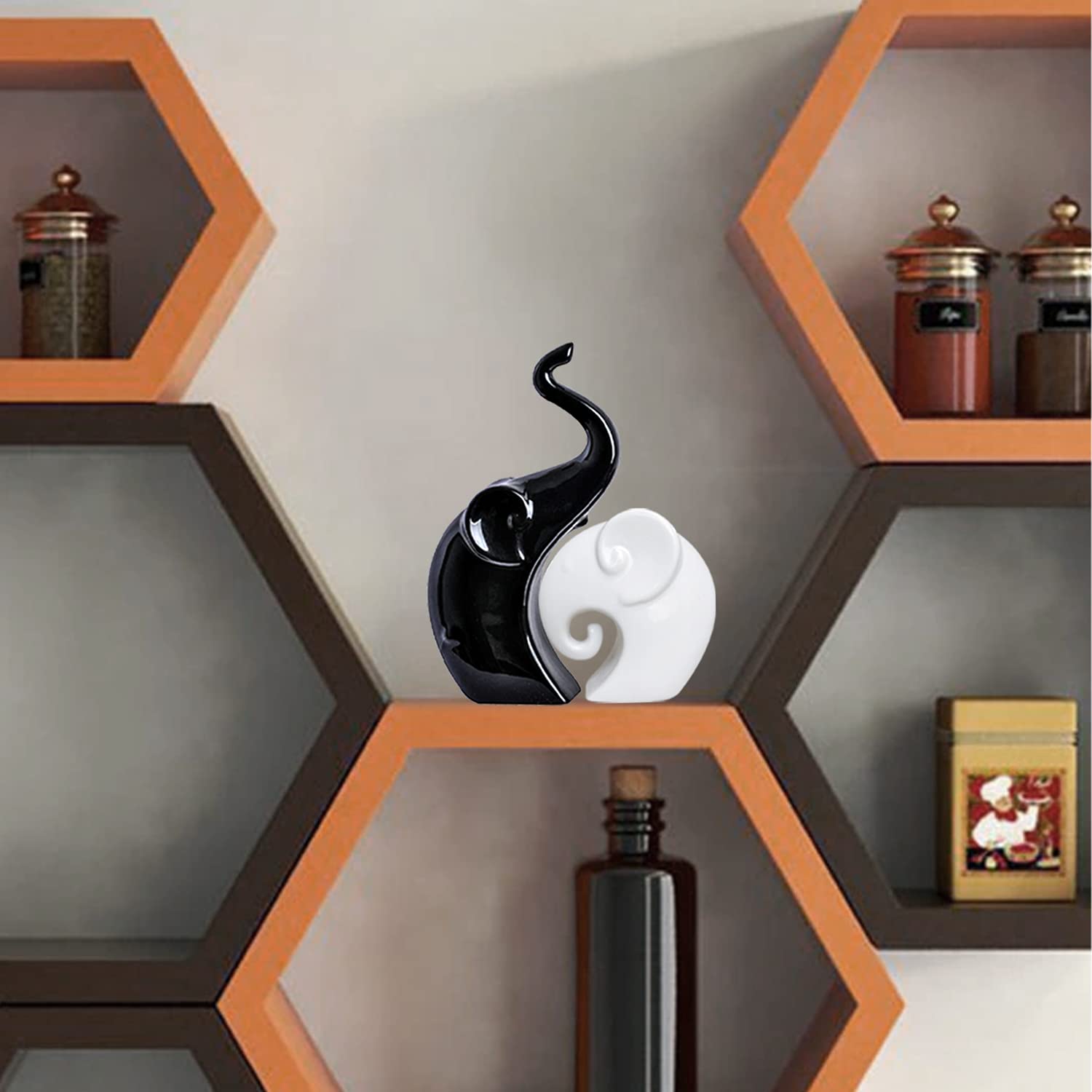
Here's a styling trick straight from professional designers who charge more per hour than most of us make in a day: invest in ONE knockout piece, then surround it with budget-friendly items. Maybe it's a gorgeous velvet armchair in jewel-toned emerald, or a stunning pendant light that makes everyone look up when they enter. This focal point creates the impression that everything in your space is equally high-end. It's like wearing H&M jeans with Louboutins—no one's looking at your pants! Think about complementing that statement chair with a Modern Design Resin Statue for lavish aesthetic in small rooms on your coffee table or shelf that anchors the room with character.

Luxury is a sensory experience, and texture is your budget's best friend. Layer different materials to create depth and interest—think plush throw pillows, a faux fur blanket, a woven basket, and a sleek metallic side table all playing nicely together. The secret is mixing rough with smooth, matte with glossy. Your guests will be too busy wanting to touch everything to notice you didn't actually spend a fortune. Pro tip: velvet anything instantly ups your luxury quotient by at least 74.3% (totally scientific figure). Add an Abstract Showpiece with glazed finish for small apartment elegance for that final tactile touch that makes the space feel curated.

Nothing transforms a space faster than paint, and it's surprisingly affordable if you do it yourself (while dancing to your favorite playlist, naturally). For small spaces, contrary to popular belief, you don't have to stick with white! Deep, saturated colors can actually make a room feel more expansive by blurring the edges. Try navy blue or forest green for dramatic flair. Or paint your ceiling in a soft color to draw the eye upward. If your landlord has heart palpitations at the mention of paint, removable wallpaper is your new best friend. Enhance deep tones with Colorful Ceramic Vases for bold and bright small space statement that bring life even to the darkest alcoves.

When your entire apartment could fit inside someone else's walk-in closet, every piece of furniture needs to earn its keep. Look for ottomans with storage inside, sofa beds that don't feel like medieval torture devices, and nesting tables that can spread out when company comes. My personal favorite? A stylish bar cart that works as a nightstand, extra kitchen counter, and—of course—holds your impressive collection of two wine bottles and that fancy gin someone gifted you three birthdays ago. Complete the scene with a Small Ceramic Decor Item to complement compact multi-use furniture placed atop your bar cart or nesting tables for an extra dose of style.

Nothing screams "sad rental" like a single overhead light casting shadows that make your apartment look like the setting for a noir film. Create a luxury lighting scheme with multiple light sources at different heights—floor lamps, table lamps, string lights, and candles. Warm, dimmable lighting instantly makes even the most budget-friendly space feel cozy and expensive. Bonus tip: swap out those hideous rental light fixtures for something with personality. Just store the originals carefully to swap back when you move (your landlord need never know). Even better, highlight your layered lighting with Decorative Wall Showpieces for elegant room lighting atmosphere that reflect the glow in artistic ways.

Want to know what separates the Instagram-worthy apartments from the "clearly just moved in" spaces? Plants! These green friends add life, texture, and filter the air while making you look like a responsible adult who can keep something alive. If your apartment gets about as much natural light as a cave, fear not—plenty of plants thrive in low light. Snake plants, ZZ plants, and pothos are basically the cockroaches of the plant world—virtually indestructible (but much prettier to look at). Elevate the plant placement with a Resin Abstract Planter as luxury touch for indoor greenery display that blends durability and design.

Nothing personalizes a space like art, but gallery-worthy pieces often come with gallery-worthy prices. The solution? Create a statement wall with a mix of affordable prints, photographs, and even framed fabric or wrapping paper. The secret to making it look expensive? Consistent framing. Simple black or white frames create cohesion even with eclectic pieces. Or go big with one oversized piece—a blown-up black and white photo or a colorful abstract you painted yourself after watching a YouTube tutorial (we'll never tell). Add a Modern Resin Wall Art piece for gallery-wall drama on budget and anchor the wall with style.
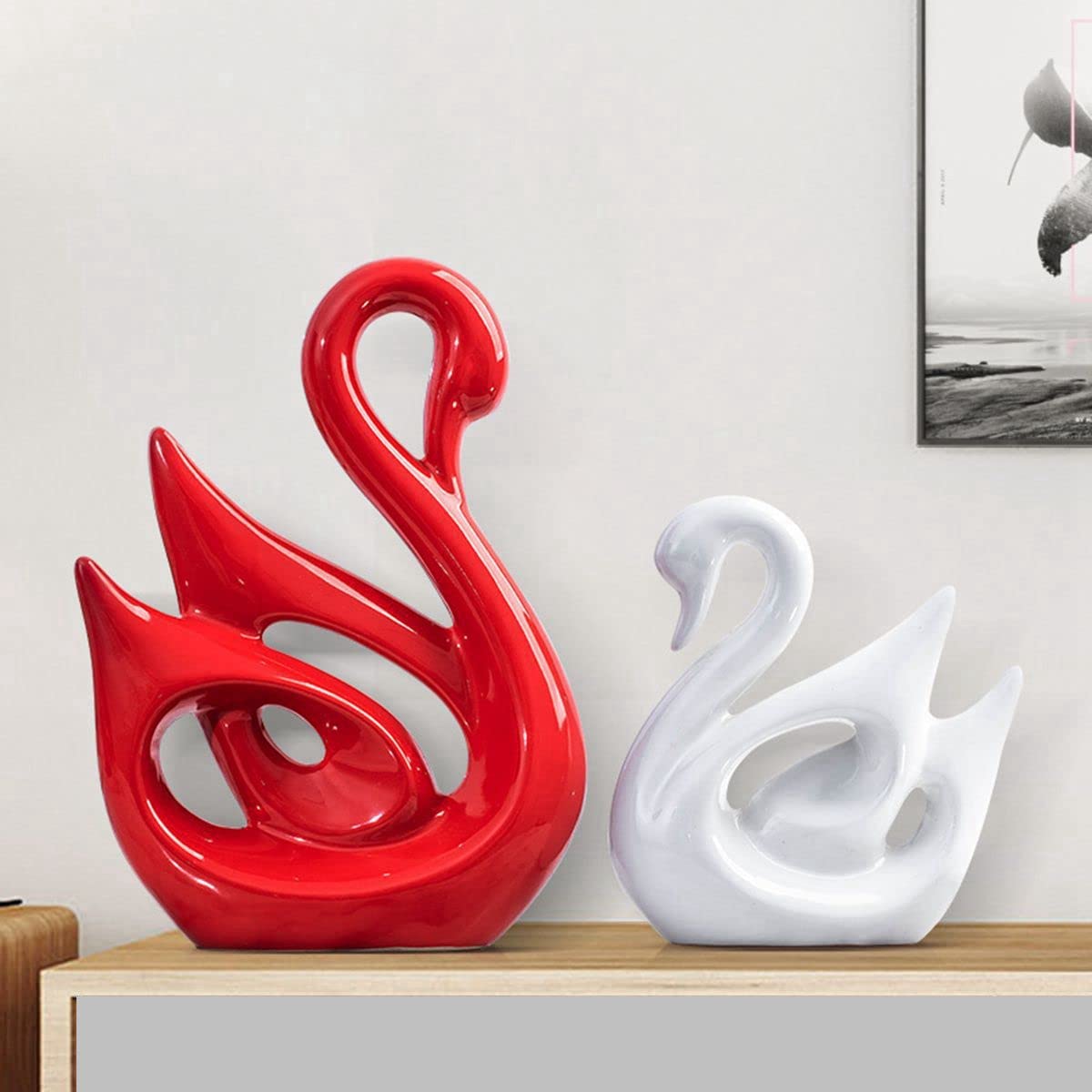
True luxury is in the details—those little touches that make everyday life feel special. Decant your hand soap into a pretty glass dispenser instead of using the plastic bottle. Upgrade your bathroom towels (you use them every day, after all). Display your favorite books artfully. Use a beautiful tray to corral remote controls and coasters. These micro-luxuries cost relatively little but elevate your daily experience from "just getting by" to "living well." It's like choosing the fancy salt—a small upgrade with noticeable results. Incorporate a Small Resin Decor Item as everyday luxury accent that’s easy to move and looks stylish on any mini surface.
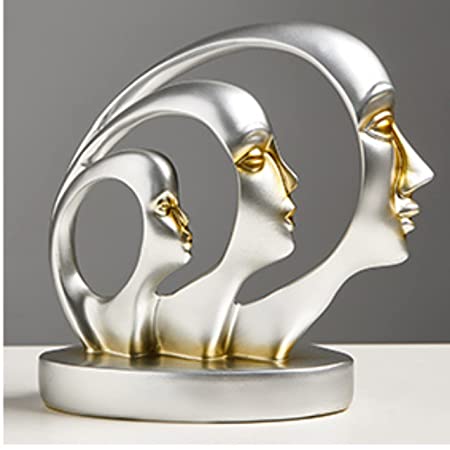
Here's a counterintuitive tip for small spaces: don't fill every inch! Negative space is what separates luxurious interiors from cluttered ones. Be ruthless about what earns a spot in your limited square footage. Each item should either serve a practical purpose or bring you genuine joy—ideally both! This careful curation makes everything you do include look intentional and valuable. Remember: even the most luxurious boutique hotel rooms aren't crammed with stuff. They breathe. Add a Minimalist Tall Decor Statue for refined simplicity in compact homes to dramatize the elegance of space.

One secret to maintaining that luxury feel is changing things up seasonally with inexpensive updates. Swap out pillow covers, throw blankets, or even artwork to keep your space feeling fresh and intentional. This prevents "décor fatigue" and gives you the thrill of something new without redecorating your entire apartment. Think of it as giving your space a seasonal wardrobe—lightweight linens in summer, cozy velvets in winter. A quick way to refresh? Colorful Ceramic Mini Showpieces for seasonal mood uplift that rotate easily with your vibe.

Never underestimate the power of how your home smells. Luxury hotels invest huge sums in signature scents because they know it creates an immediate impression of quality. You can achieve the same effect with quality candles, essential oil diffusers, or even simmering a pot of cinnamon sticks and orange peels. A beautiful-smelling space instantly feels more expensive and thoughtfully maintained. Plus, when your studio apartment smells like a spa, no one will notice that your "dining room" is also your "office" is also your "bedroom."
Think vertically! When floor space is limited, use your walls and ceiling. Install floating shelves to draw the eye upward, hang curtains close to the ceiling to create height, and use zones to delineate different "rooms" within your single space. A room divider, area rug, or strategically placed bookcase can create the illusion of separate living areas. Choose furniture that fits your space properly—oversized pieces will make the room feel smaller. Finally, be ruthless about clutter—in a one-room apartment, everything is always visible, so keep only what you truly need and love.
The 3-5-7 rule is a designer's secret for creating balanced color schemes. It suggests using three colors in a 70-25-5 ratio: your dominant color covers about 70% of the space (walls, large furniture), a secondary color makes up about 25% (accent furniture, curtains), and an accent color adds the final 5% pop (accessories, artwork). This formula creates visual harmony while still keeping things interesting. In small apartments, this might mean neutral walls and large furniture pieces, medium-toned textiles or secondary furniture, and vibrant accessories that catch the eye.
Start by shopping what you already own—rearrange furniture, repurpose items from one room to another, or give existing pieces new life with paint or new hardware. Thrift stores, Facebook Marketplace, and estate sales are goldmines for unique pieces at fraction of retail prices. DIY what you can—paint walls yourself, sew simple curtains, or refinish furniture. Focus your limited budget on high-impact areas like lighting, which dramatically affects how a space feels. Finally, invest in plants—they add life and luxury to any space for relatively little money.
Minimalist and industrial styles tend to be the most budget-friendly because they require fewer decorative elements and embrace "raw" materials. Minimalism celebrates empty space and clean lines, requiring fewer pieces overall. Industrial style makes use of simple, often unfinished materials like concrete, metal, and reclaimed wood—items you can often find inexpensively at salvage yards or hardware stores. Scandinavian design also tends to be cost-effective as it focuses on functionality, simplicity, and affordable natural materials.
Minimalist decor embraces the "less is more" philosophy, focusing on quality over quantity. It features clean lines, clutter-free spaces, and a limited color palette (usually neutral with perhaps one accent color). Every item serves a purpose and has a designated place—there are no unnecessary decorative objects. Furniture tends to be simple and functional, often with hidden storage to maintain the clean aesthetic. Despite its simplicity, minimalist decor isn't cold—natural materials like wood, stone, and plants add warmth and texture. It's perfect for small spaces because it creates a sense of calm and makes rooms feel more spacious.


