
Cart
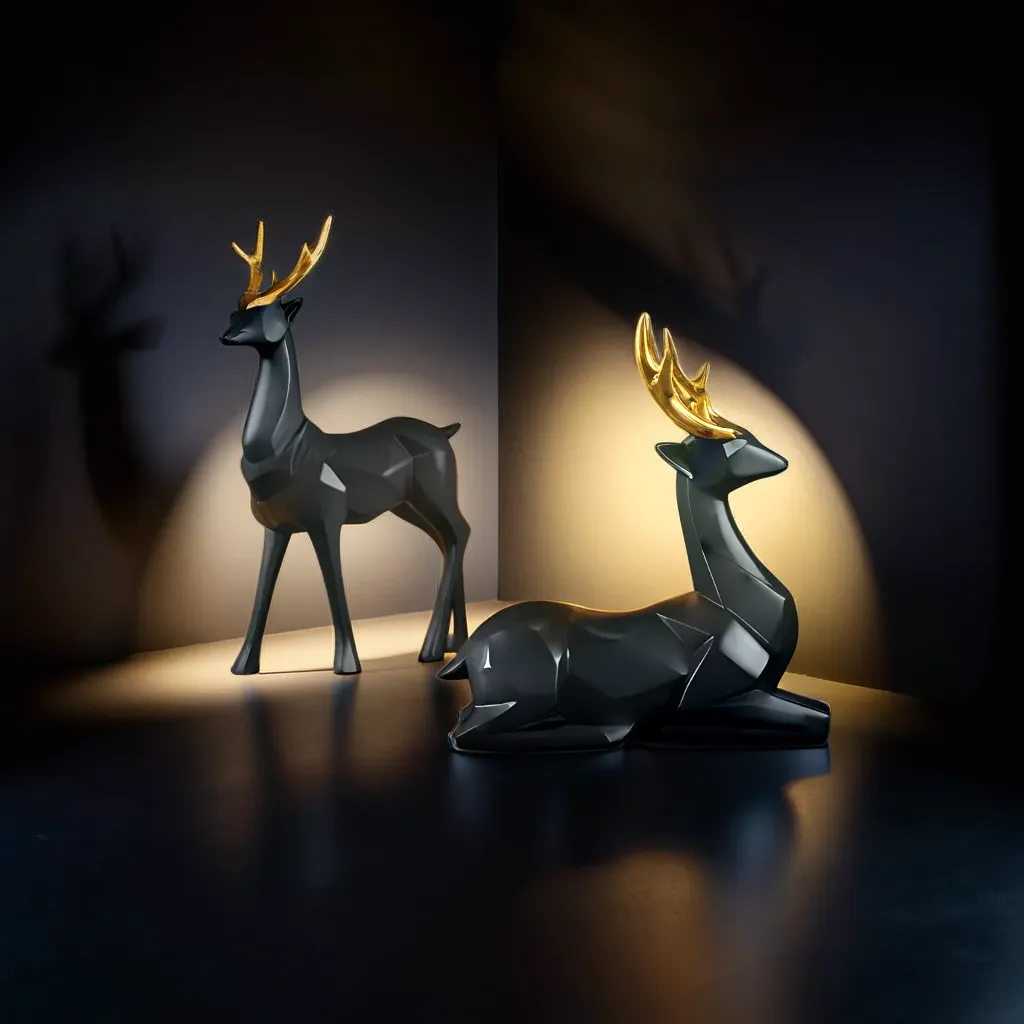
Let's face it: we've all stood in front of our closets doing that weird shuffle—clothes spilling out, mismatched socks playing hide-and-seek, and that one fancy outfit getting wrinklier by the minute. Moving into a new home is your golden ticket to wardrobe redemption! Think of your new closet as a blank canvas, except instead of painting a masterpiece, you're organizing your collection of "I might wear this someday" items. Whether you're working with a walk-in closet that could host a small party or a humble wardrobe that's more "cozy" than "cavernous," I've got space-maximizing hacks that'll make Marie Kondo slow-clap in approval. Grab your measuring tape and let's turn your clothing chaos into organized bliss! Enhance the aesthetic of your wardrobe with thoughtfully placed Abstract Showpieces for wardrobe interior design in your new home, especially in visible upper shelves and corners to elevate the overall vibe.
Before you even think about fancy organizers, channel your inner ruthless fashion critic. That sweater from college with mysterious stains? Thank it for its service and send it packing. Those jeans you're "definitely going to fit into again someday"? Maybe it's time to admit they've retired. Studies show we wear only 20% of our clothes 80% of the time, which means your closet is basically a clothing retirement home! Create three piles: keep, donate, and "why did I ever buy this?" Once you've lightened your load, you'll be amazed at how much space you suddenly have. Add charm to your refreshed space with Small decorative showpieces for compact wardrobe sections in your new house, making your wardrobe feel as cozy as it is decluttered.
Before getting carried away with fancy drawer systems, get intimate with your measuring tape. Measure your space, measure your clothes, heck, measure your shoes! Long items like dresses and coats need about 60-70cm of hanging height, while shirts and folded pants can make do with 30-40cm. Count your long-hanging items, short-hanging pieces, and folded clothing to determine how much space to allocate to each. Draw out your dream wardrobe on paper first—it's much easier to erase a line than to rebuild shelving! Maximize layout efficiency by including Resin decorative items for wardrobe layout planning in your new home, which serve both beauty and spatial function on shelf dividers.
Why stop at eye level when your ceiling is begging to be included in the wardrobe party? Install high shelving for seasonal items or those fancy occasion outfits that only see daylight once a year. Use stackable storage boxes labeled with contents (and maybe the date you last used them—no judgment here). Consider a sleek pull-down hanging rod for those hard-to-reach spaces—it's like having a secret agent wardrobe that reveals itself on command! Complement these top zones with Tall Showpieces for vertical wardrobe shelves at your new place, which add flair without consuming prime real estate.
If your wardrobe were a real estate development, double-hanging rods would be the high-rise apartments of the clothing world. This simple addition can literally double your hanging space—install one rod at about 80cm high and another at 160cm. Your shorter items like shirts, folded pants, and skirts can live on both levels in perfect harmony. Create a focal zone in between rods using Modern design statues for stylish breaks in double-hanging wardrobe layout that carry aesthetic purpose and balance.
The drawer where all your small items go to tangle themselves into one giant fabric knot? Let's fix that wardrobe crime scene. Invest in drawer dividers or small organizing boxes to create dedicated zones for socks, underwear, ties, and those random accessories that multiply mysteriously. Fold items vertically using the KonMari method so you can see everything at once—no more archaeological digs for matching socks! Give even your hidden drawer corners a plush look with Mini ceramic decor items perfect for stylish wardrobe drawer interiors, elegant touches that elevate visibility and style.
Corners: where good storage space goes to die...until now! Those awkward corners in L-shaped wardrobes are prime real estate with the right approach. Install corner hanging rods that swivel out for access, or add custom corner shelving units that make geometric sense of these tricky spaces. Carousel units that rotate are the lazy Susan of wardrobe organization—spin to find exactly what you need without contorting yourself into a human pretzel. Spruce these corners with Corner showpieces perfect for wardrobe dead spaces in your new house, because every inch deserves décor love.
Traditional swing doors demand a good 70-80cm of clearance space—practically a luxury apartment in small bedroom terms! Enter sliding doors: the space-saving heroes that run parallel to your wardrobe. They require zero floor clearance and won't hit the bed when opened (or your unsuspecting forehead). Take it up a notch with mirrored sliding doors that visually double your room size while letting you check if your outfit is giving "professional adult" or "trying too hard to look like a professional adult." Pair these sleek doors with Modern hanging decor for wardrobe doors in new urban homes, creating a cohesive and stylish look.
A dark wardrobe is where style goes to hide. Install LED strip lighting along shelves or hanging rods to transform your wardrobe from "mysterious cave" to "boutique shopping experience." Motion-sensor lights add that touch of luxury (and prevent the eternal question of "did I close the light?"). Bonus: proper lighting means fewer instances of arriving at work realizing you're wearing one navy sock and one black one. Enhance the lit-up interior with Bright colored artistic decor items suitable for illuminated wardrobes for sparkle that goes beyond just clothing.
The inside of wardrobe doors is like finding money in last year's coat pocket—unexpected usable space! Mount slim organizers for belts, scarves, jewelry, or even shoes. Over-the-door hooks can hold tomorrow's outfit, bathrobes, or that one special occasion purse that deserves to be displayed like the work of art it is. For narrow items like ties and belts, a series of small hooks creates an accessible display that prevents them from becoming a tangled mess in your drawer. Glam it up by hanging Ceramic hanging accessories to maximize wardrobe door space, where storage meets elegant design.
That annoying gap between your wardrobe and the wall? It's not useless—it's an opportunity in disguise! Slim rolling carts can transform this narrow space into storage for shoes, accessories, or beauty products. If the gap is really narrow, consider a pull-out vertical panel with hooks for belts, necklaces, or scarves. Even a 10cm gap can become a pull-out mirror or jewelry cabinet! Add stylish purpose to these slivers with Decor showpieces for filling wardrobe and wall gaps in new homes, blending charm and clever use of negative space.
Unless you live in a climatically confused region, you don't need access to both bikinis and snow boots year-round. Create a seasonal rotation system with vacuum storage bags for off-season clothes—they shrink bulky winter sweaters to a fraction of their size, perfect for storing under the bed or on those high shelves we talked about earlier. Label everything clearly so future-you doesn't have to play "guess what's in this bag" when the weather changes. Twice a year, host a personal "changing of the guards" ceremony where you swap the clothes and reminisce about that time you thought wearing shorts in April was a good idea. Highlight these shelves with Artistic antique showpieces to accentuate seasonal wardrobe setup that bring rotating elegance to your space.
Maximizing fitted wardrobe space is all about working smarter, not harder! Start by installing double-hanging rods to instantly double your hanging capacity. Use the full height with high shelves for seasonal storage, and don't forget those doors—they're perfect for slim organizers. Drawer dividers keep small items in check, while vacuum bags can shrink bulky items to half their size. The secret sauce? Customize your interior with a combination of hanging space, shelving, and drawers based on your specific clothing inventory rather than following a one-size-fits-all approach. Your sweater collection and little black dresses have very different storage needs!
Planning wardrobe space is like preparing for a delicious meal—it starts with knowing your ingredients! First, inventory your clothing by type: count how many long-hanging items (dresses, coats), short-hanging pieces (shirts, skirts), and folded items you have. Measure your actual clothes, not just the space. Allow 100-120cm width for hanging clothes comfortably, 60-70cm depth for hangers, and appropriate heights (160-180cm for long items, 85-100cm for double-hanging sections). Draw your plan on paper first, thinking about your daily routine—keep frequently used items at eye level and occasional pieces higher up or lower down. Remember to leave some empty space for future fashion impulses—your wardrobe should grow with you!
The golden rule for space between wardrobes is to leave enough room for comfortable access without creating dust-collecting gaps. For freestanding wardrobes, allow at least 10cm between units if they're placed side by side (enough for air circulation but not so much that items fall between them). If your wardrobes face each other across a room or dressing area, aim for at least 100-120cm clearance—enough to fully open doors and stand comfortably while selecting outfits. For built-in wardrobes, you can place units flush against each other as they'll share side panels, creating one seamless storage wall that would make any organization guru weak at the knees!
That awkward gap between wardrobe and wall isn't just collecting dust—it's untapped storage potential! For gaps of 10-20cm, slim rolling carts on wheels can create pull-out pantry-style storage for shoes, accessories, or beauty products. If you're dealing with an even narrower gap (5-10cm), consider a pull-out vertical panel mounted on drawer slides with hooks for belts, ties, or jewelry. For larger gaps, custom shelving units that fit the exact dimensions turn this dead space into a showcase for purses or folded sweaters. If all else fails, use the gap to hide a full-length mirror that pulls out when needed—making your "does this outfit work?" moments much easier!
Calculating your ideal wardrobe size starts with honest clothing math (no, not the "I'll definitely wear this someday" kind). Measure your actual clothing: hanging items need about 5cm width per hanger, long items require 150-180cm height, while double-hanging sections need about 85-100cm each. For folded clothes, allocate shelving based on stack height and width. Don't forget to factor in shoe storage (each pair needs roughly 20x30cm) and accessories. Add 20% extra space for future purchases (because let's be realistic about our shopping habits). The perfect formula combines your clothing inventory with accessibility needs—a beautifully organized wardrobe that's too deep means items get lost in the back, while one that's too shallow means your clothes live in a permanent state of compression!


