
Cart
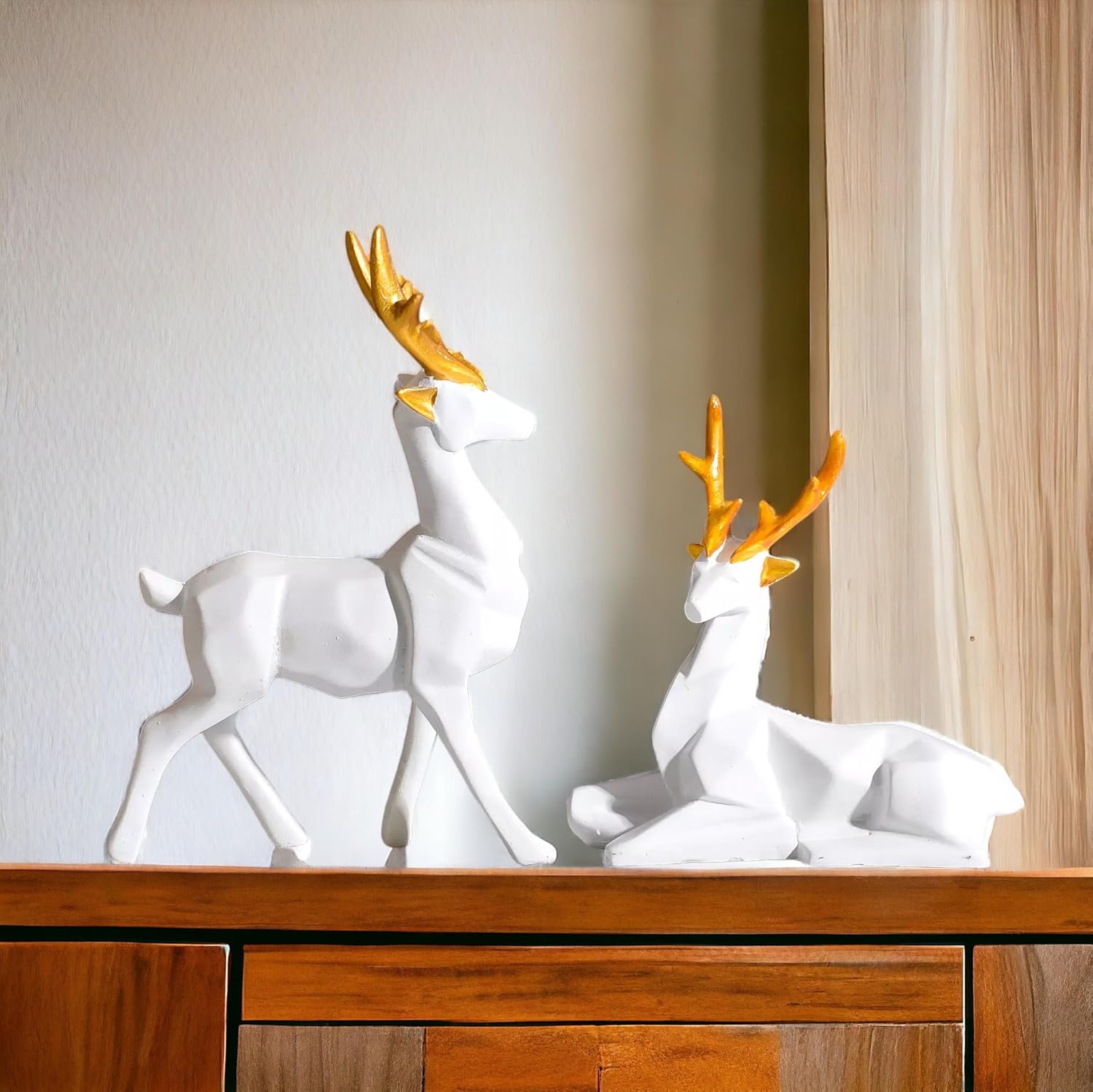
Let's face it - your business dreams might be enormous, but your office space... not so much. You're staring at those four walls thinking, "How am I supposed to build an empire in what's basically a glorified closet?" Fear not, my ambitious friend! Small industrial office spaces are like those tiny houses on TV - surprisingly functional and undeniably cool when done right. The industrial style with its raw textures, exposed elements, and no-nonsense approach is perfect for startups looking to make a statement without breaking the bank. Think concrete floors, metal finishes, and that "we're-too-busy-creating-the-future-to-install-ceiling-tiles" vibe. So grab your measuring tape and your entrepreneurial spirit - we're about to transform your compact headquarters into the kind of space that makes visitors say, "Wow, these folks definitely know what they're doing!" Consider adding a touch of personality with the Stunning Abstract Showpieces to elevate your small industrial office design, which not only set the tone for creativity but also suit diverse small spaces with ease.
When your floor space resembles a postage stamp, the only way to go is up! Wall-mounted shelving isn't just practical—it's industrial-chic gold. Install pipe shelving (bonus points for using actual plumbing pipes from the hardware store) that climbs your walls like industrial ivy. Think of your walls as prime real estate where storage meets style. Those metal mesh wall organizers that look like they belong in a hip 1940s factory? Perfect for holding everything from mail to magazines. Remember: in the small office game, a cluttered floor is the enemy, but a strategically loaded wall is your best friend. Add dimension with the Artistic Wall Hangings for utilitarian yet stylish new business setups, bringing color and character to all that vertical potential.
In a small industrial office, furniture with an identity crisis is your best ally. I'm talking desks that fold into walls, ottomans with secret storage, and tables with wheels that can transform from meeting space to lunch spot faster than you can say "quarterly report." Look for industrial-style pieces with metal frames and reclaimed wood tops that can handle multiple roles in your office drama. My personal favorite? Rolling cart workstations that can be pushed together for collaborative sessions or separated when Dave from accounting starts humming show tunes again. Remember: if your furniture can only do one thing, it's not trying hard enough! Balance function and flair with Compact decorative statues as dual-purpose design elements, perfect for livening up multipurpose furnishings.
Want to create separate spaces without constructing walls that make your already tiny office feel like a maze designed by a sadistic hamster owner? Glass partitions are your transparent friends! They maintain that open, airy feeling while still giving you defined areas for different functions. Frame them in black metal for that perfect industrial edge, and suddenly your office looks like it belongs in a magazine about cool startups. The best part? You can watch your employees pretend to work when they think you're not looking! Kidding! (Sort of.) Glass partitions also let natural light flow through your space, which is crucial unless you're going for that "we work in a bunker" aesthetic. Complement this open layout with Strategic use of Ceramic and Resin Vases for elegant office partition styling, adding form and function near your luminated borders.
Nothing says "industrial chic" like concrete flooring—and lucky for you, it might already be there under that sad carpeting! Polished concrete floors are not only the darling of industrial design but also practically indestructible (perfect for those coffee spills during Monday morning meetings). If you're renting and can't tear up the floors, try large-format gray tile or vinyl that mimics concrete. Add an area rug in a geometric pattern to define your meeting area and absorb sound, because nothing kills productivity like hearing every single keyboard tap from across the room. Remember: your floor isn't just something to stand on—it's the foundation of your office's personality! Place Bold Tall Showpieces for Corner Styling to enhance concrete charm for that added sense of depth and focal flair.
Forget those soul-crushing fluorescent lights that make everyone look like they haven't slept since 2010. In the small industrial office, lighting is your secret weapon! Pendant lights with metal shades hanging at different heights create visual interest and direct light exactly where you need it. Wall-mounted swing-arm lamps save precious desk space while giving off that "we might also design submarines in our spare time" vibe. And don't forget LED strip lighting under shelves or along ceiling beams for that subtle glow that says, "We're too cool for conventional lighting solutions." Just promise me you'll install dimmer switches—nobody needs to see every pore during late-night brainstorming sessions. Incorporate Bright-finished ceramic décor that reflects light for modern ambiance, and let your lighting plan elevate both clarity and coolness.
In a small industrial space, your color palette is like a well-behaved office pet—it should be present but not overwhelming. Stick to neutrals like grays, blacks, and whites as your base (hello, industrial authenticity!), then add strategic pops of a single bold color that reflects your brand. That might be a vibrant blue accent wall behind your logo, or yellow chairs that brighten up your conference area. Whatever you do, resist the urge to paint each wall a different color unless you want your office to look like a confused crayon box. Remember: in small spaces, color has big impacts, so use it like that expensive hot sauce—just enough to make things interesting without causing pain! Add depth to your chosen palette with Modern Color Swirl Abstract items to align color balance with décor.
Nothing softens an industrial space quite like plants, and you don't need a green thumb to keep them alive (despite what your past plant graveyard suggests). Industrial spaces and hardy plants go together like coffee and Monday mornings. Snake plants, ZZ plants, and pothos are practically immortal, even under your neglectful care. Place them on shelves, hang them from ceiling pipes, or go bold with a statement fiddle leaf fig (just remember to actually water that one). Metal planters or concrete pots maintain your industrial aesthetic while the plants themselves add that "we care about oxygen and aesthetics" message to visitors. Plus, studies show plants boost productivity, which means your sad little succulent is actually a strategic business investment! Position them next to Miniature decorative shelf pieces for bathrooms and kitchen workplace corners, creating vibrant and functional green nooks.
Let's talk about the elephant in every office—cables. In a small industrial space, exposed elements are cool, but exposed cables quickly turn from "industrial chic" to "potential fire hazard." Invest in clever cable management solutions like metal cable trays mounted under desks, spiral cable wraps in coordinating colors, or that magical sticky tape that holds cords flat against surfaces. Consider a charging station that corrals everyone's device cables in one designated area instead of creating what I call "octopus corners" around every outlet. Remember: visible pipes and ducts = industrial cool. Visible charging cables = chaotic mess. Know the difference, be the difference. It helps when you use Sleek showcase decorative figurines to visually balance tech zones.
The beauty of industrial design is that imperfection is actually perfect! Can't afford that designer desk? Find an old door, sand it down, and place it on metal sawhorses. Need dividers? Repurpose old window frames with frosted film. Check out salvage yards for factory cart wheels, old lockers, or metal signage that can become wall art. Hardware stores are goldmines—galvanized pipes can become everything from curtain rods to desk legs. Even simple touches like replacing standard drawer pulls with metal bin pulls can transform basic furniture into industrial statement pieces. The best part? When clients ask about your unique furnishings, you can casually drop, "Oh, I designed that myself," while sipping coffee like the creative genius you are! Add in Unique corner display showpieces to enhance handmade office charm for artistic personality without overspending.
Small spaces amplify every sound—from enthusiastic sales calls to Kevin's aggressive apple-eating techniques. Industrial spaces, with all their hard surfaces, can become echo chambers rivaling the Grand Canyon. The solution? Strategic sound absorption that doesn't compromise your aesthetic! Think acoustic panels disguised as industrial art, fabric-covered bulletin boards in metal frames, or hanging dividers made of felt in geometric patterns. Even items like canvas artwork, textured tapestries, or upholstered furniture help absorb sound. My favorite trick? Cork bulletin boards painted in metallic colors—they add industrial flair while keeping the sound of Chad's fantasy football complaints from bouncing around your entire office. Combine these with Functional medium-sized aesthetic showpieces for focal noise areas to create multi-sensory appeal.
Dedicated conference rooms in small offices are like swimming pools in apartments—nice in theory, impractical in reality. Instead, create flexible meeting zones that can transform as needed. A round table with wheels can serve as collaborative workspace by day and push against the wall when you need floor space for that team yoga session (because work-life balance, right?). Install a wall-mounted drop leaf table that folds away when not in use, or invest in nesting tables that can separate for small group discussions. Add a mobile whiteboard that doubles as a space divider, and suddenly your tiny office is as adaptable as that one employee who somehow knows how to fix both the printer and the coffee machine! Boost that adaptability with Lightweight decorative accents suited for multipurpose office layouts that can easily move with shifting space configurations.
The key to designing a small office is maximizing vertical space and choosing multi-functional furniture. Use wall-mounted shelving, floating desks, and stackable storage solutions. Create zones for different activities rather than fully enclosed rooms, and keep the color palette simple with strategic accents. Mirrors and glass partitions can create the illusion of more space, while proper lighting makes the area feel larger and more welcoming. Remember, in small spaces, every square inch needs to earn its keep!
Start by assessing your workflow and making a list of must-haves versus nice-to-haves. Measure your space accurately and create a floor plan (digital or hand-drawn). Research industrial design elements that inspire you—create a mood board with images of textures, colors, and furniture styles you love. Set a realistic budget and prioritize quality pieces for items you use daily (like your desk chair). Don't try to do everything at once; great office design can evolve over time as you understand how you actually use the space.
Creative offices thrive on flexibility and inspiration. Incorporate writable surfaces like chalkboard paint or whiteboard walls for spontaneous ideation. Create varied work environments—standing desks, lounge areas, and collaborative spaces—so team members can change settings based on tasks. Display inspirational artwork, industry achievements, or project materials visually. Introduce unexpected elements like vintage industrial finds or statement lighting fixtures. Most importantly, leave room for personalization and evolution as creative needs change.
Modern offices feature clean lines, intentional minimalism, and a seamless blend of form and function. They typically incorporate technology integration (like wireless charging stations and smart controls), a neutral color base with strategic accent colors, and mixed materials like glass, metal, and wood. Open sight lines, multiple types of work areas, and abundant natural light are also hallmarks of modern design. In industrial-modern spaces specifically, exposed structural elements combined with contemporary furnishings create that sought-after modern edge.
The secret to an amazing office is consistency in your design vision while incorporating unexpected elements. Focus on creating a strong first impression with a well-designed entry area. Invest in statement lighting fixtures that serve as both illumination and visual interest. Add textures through materials like reclaimed wood, metal, concrete, and textiles. Incorporate plants to soften industrial elements and improve air quality. Keep cable management impeccable and maintain organizational systems that keep clutter at bay. Finally, add personal touches or art that tell your company's story.
The three main types of office layouts are: 1) Closed/Traditional layout featuring private offices and clear hierarchical separation, providing privacy but limiting collaboration; 2) Open layout with minimal physical barriers, promoting collaboration and space efficiency but potentially increasing noise and distractions; and 3) Hybrid/Flexible layout which combines elements of both, creating designated zones for different activities while maintaining some private areas. In small industrial offices, hybrid layouts are often most effective, providing the necessary flexibility while maximizing limited space.


