
Cart
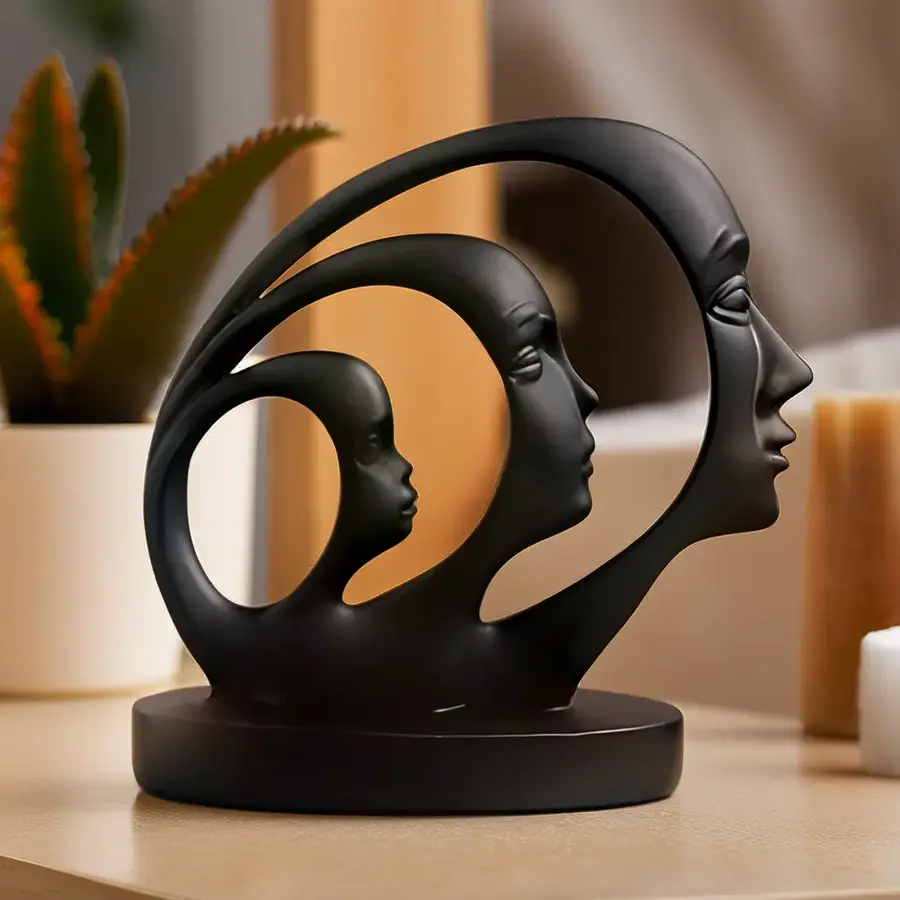
Remember when planning your shared space meant arguing over a tape measure and sketching wobbly furniture outlines on napkins? Those days are officially over, lovebirds! 3D house design has revolutionized how couples create their perfect nest, letting you visualize every cozy corner before moving a single pillow. With precise dimensions and realistic renders, you can now design a room that accommodates both your meditation corner AND his gaming setup without someone ending up sleeping on the couch. In this guide, we're diving into modern 3D house design ideas specifically crafted for couples who want a space that's equal parts functional, romantic, and argument-proof. So grab your partner (and maybe some popcorn) because designing your dream room together just became the most fun date night ever! Explore how you and your loved one can complement your space using modern ceramic and resin vases to style couple’s room retreat in 3D house design as functional visual elements.
3D room design isn't just for fancy architects with expensive software anymore—it's for couples who can't agree on whether the bed should face the window or the TV! At its core, 3D design creates a virtual model of your space with accurate dimensions, letting you play interior designer without moving heavy furniture seventeen times. The standard dimensions for a cozy couple's bedroom typically range from 12×12 feet (for the "we're-practically-attached-at-the-hip" couples) to 14×16 feet (for the "I-love-you-but-please-stay-on-your-side" partners). With 3D design tools, you can input these exact measurements and start building your digital love nest faster than you can say "No, the dresser definitely won't fit there!" Compliment this process by integrating artistic wall hangings into couple room 3D layout plans, which help highlight focal walls and natural textures.
Want to stay happily coupled? Try a bedroom design that gives everyone equal territory! The balanced layout approach uses symmetry to create harmony—imagine matching nightstands (both 18×18 inches), identical reading lamps, and equal closet space (revolutionary, I know!). For a modern touch, position your queen bed (60×80 inches) in the center of a wall, flanked by those matching nightstands. Then add dual workspaces (each desk approximately 48×24 inches) on the opposite wall. One partner gets the left hemisphere, one gets the right, and suddenly you're architectural relationship counselors. The beauty of 3D design is seeing if this balanced utopia actually fits in your real-world dimensions before someone has to compromise their precious "meditation corner." Create a visual balance by using modern resin small showpieces for symmetrical couple room design alongside key wall decor.
Nothing screams "we're adults now" like a platform bed floating majestically in your 3D design. A modern platform bed (typically 65×85 inches including frame) elevated 18-24 inches creates visual drama while hiding your embarrassing collection of stuffed animals underneath! Design this centerpiece with built-in drawers (approximately 30×22 inches each) on both sides, and suddenly you've added about 12 cubic feet of storage without sacrificing floor space. In your 3D model, position this floating wonder 30 inches from side walls to create easy walking paths—because nothing kills romance faster than stubbing your toe on furniture corners at 2 AM. Accentuate this area using tall abstract showpieces for couple bedroom corner in modern 3D setup for added elegance and sophistication.
In the 3D design world, windows aren't just holes in walls—they're relationship enhancers! Position your bed perpendicular to windows (standard dimensions around 36×60 inches) rather than directly under them. This prevents one partner from getting all the morning sunshine (and subsequent grumpiness). For rooms with limited natural light, your 3D design should include reflective surfaces—think a stylish mirror (36×48 inches) positioned across from windows to bounce light throughout. Pro tip: place your dressing area within 6-8 feet of windows for the most flattering "Does this outfit look okay?" lighting, potentially saving your relationship from numerous fashion disagreements. Complement with glazed ceramic decor vases to enhance 3D room light reflections and refine those bright romantic corners.
Even the most devoted couples need personal space—preferably without renting separate apartments. Using 3D design, carve out dedicated corners (ideally 5×5 feet each) on opposite sides of your room. For her, perhaps a cushy reading nook with a 30-inch diameter papasan chair and small bookshelf (24×36 inches). For him, maybe a compact music station with a 36-inch wide desk for equipment. The 3D visualization helps ensure these zones don't make your room feel like separate countries requiring passport checks to visit each other. Balance is key—if one person gets a 48×24-inch desk, the other should have equivalent square footage for their passion space! Enliven these zones with small decorative resin showpieces for couple corners in compact 3D setups to keep the charm flowing throughout.
The modern couple's room isn't complete without an entertainment wall that doesn't scream "sports bar." Design a sleek media console (approximately 60×18×24 inches) that houses both your reality shows AND his gaming system. Position this 65-72 inches from your bed for optimal viewing without eye strain. The beauty of 3D design? You can test whether mounting that 55-inch TV will overwhelm your space or create the perfect Netflix marathon spot. Include hidden storage in your entertainment center design (drawers approximately 16×16 inches each) to tuck away remotes, controllers, and evidence of whose turn it is to pick the movie. Sync your functional media designs with resin wall-hung decor for couple room entertainment zones in 3D model to fuse technology with aesthetic delight.
Post-pandemic couples know the struggle—working from home without feeling like you live at work. Your 3D design should include clever folding desks (24×36 inches when open) that can transform into wall art or vanity tables after hours. Position these workspace solutions near outlets but away from the bed (minimum 4 feet distance—trust me on this one). The visual rendering helps you see if there's adequate room to push in chairs (allow 36 inches of clearance) and ensure your Zoom background doesn't include your partner's collection of action figures. Remember: the most successful couple's room designs separate work life from love life faster than you can close your laptop. Consider decorating such work zones with compact abstract table decor in modern couple 3D office setups for functional flair.
Let's be honest—closet space disputes have ended more relationships than infidelity. In your 3D design, allocate equal wardrobe territory with precision! Standard closets range from 24-30 inches deep, but width is where the magic happens. Visualize a 6-foot closet split into two 3-foot sections (or if we're being realistic, perhaps a 4-foot/2-foot split depending on shopping habits). Include double hanging rods to maximize vertical space, with 42 inches for full-length items and two 30-inch sections for shorter clothes. The 3D rendering lets you experiment with sliding doors (which require no clearance) versus swinging doors (which need 30 inches of clearance)—potentially saving your morning routine from door-related collisions. Drop in medium-size resin statues as aesthetic closet decor in 3D couple rooms for a classy vibe that enhances closet symmetry.
Great couples' rooms transform from energizing morning spaces to romantic evening retreats with just a flip of a switch. In your 3D model, layer lighting with ceiling fixtures (centered in the room), adjustable bedside lamps (positioned 26-28 inches high on nightstands), and strategic LED strip lighting (perhaps along the platform bed base or behind the headboard). The digital rendering helps you see lighting coverage and identify dark corners before they become the place where all your socks disappear. Remember: dimmable options are the unsung heroes of relationship harmony—bright enough to find matching socks but soft enough for, um, "couple activities." Include artistic antique small showpieces for creating ambiance in 3D couple bedroom that work with variable lighting moods.
The secret to a room that pleases both partners? Texture diversity! In your 3D design, balance materials that appeal to different sensibilities—perhaps a substantial wooden headboard (80 inches wide for a queen bed) paired with soft, flowing curtains (extending 12 inches beyond window width). Visualize the contrast between a sturdy leather chair (approximately 35×37 inches) and plush area rugs (at least 5×8 feet to anchor conversation areas). The 3D rendering helps you experiment with these texture combinations before committing, ensuring neither partner feels like they're living in a sports bar OR a frilly boutique. Tie elements with handmade ceramic art decor for texture harmony in 3D couple’s retreat to maintain artistic equilibrium.
The most important aspect of couple's room design isn't the perfect dimensions—it's creating space that reflects both of your journeys. Allocate wall areas (at least 24×36 inches) for meaningful art, designate shelf space (10-12 inch depth) for treasured mementos, and ensure there's room for future additions as your story grows. Use your 3D design to visualize gallery walls before hammering a single nail, experiment with furniture arrangements that showcase important pieces, and create a room that visitors would instantly recognize as "so totally you guys!" Because ultimately, the perfect couple's room isn't about following design rules—it's about breaking them together in a way that makes you both smile every time you enter. Celebrate your journey with personalized home decor gifts for couple room in 3D house themes that truly make the space yours.
You don't need a fancy design degree or an unlimited budget to create impressive 3D room models! Free tools like SketchUp Free, Roomstyler 3D Planner, and Planner 5D let you design rooms without spending a dime. My personal favorite for couple's rooms is Sweet Home 3D—it's user-friendly enough that neither partner can claim "it's too complicated" as an excuse not to participate. Simply input your room dimensions, drag and drop furniture, and voilà—you're suddenly interior designers without the intimidating turtleneck and expensive glasses! Most free platforms include basic measurement tools and pre-made furniture libraries, so you can virtually argue about whether that sectional is too big way before it gets stuck in your doorway.
Start by channeling your inner detective and measuring EVERYTHING—width, length, ceiling height, windows, doors, and those weird architectural quirks your landlord calls "character features." Next, decide on your non-negotiables (bed size, workspace needs, storage requirements) versus your "would be nice" items (that hanging egg chair you saw on Instagram). Sketch a rough layout (even stick figures are fine), considering traffic flow (you need at least 30 inches for walkways) and functional zones. Then, transfer this to a 3D platform where you can play with furniture placement, color schemes, and layout options. The secret sauce? Design for how you actually live, not for the perfectly organized couple you pretend to be when your parents visit.
3D design in interior design is basically the relationship counselor of the decoration world—it shows you problems before they become arguments! Unlike traditional 2D floor plans (flat and boring), 3D design creates a virtual three-dimensional model of your space with height, width, and depth. This allows you to "walk through" your design, checking if that bookshelf blocks the TV from the bed or if there's enough room to practice your dance moves without knocking over lamps. Modern 3D interior design tools offer realistic textures, lighting effects, and even time-of-day simulations so you can see if morning sun will hit your partner's face at 6AM (and potentially save your relationship from early-morning grumpiness). It transforms abstract measurements into visual experiences, helping couples make decisions with their eyes rather than just their imagination.
Creating a 3D house model is like building with digital Legos, but without the painful barefoot encounters! The process typically starts with inputting precise room measurements into specialized software. You then build upward, adding walls (typically 8-9 feet high for modern homes), placing doors (standard interior doors are 30×80 inches) and windows in their exact locations. Next comes the fun part—adding floors, ceilings, and surface textures. Most 3D programs include libraries of furniture and fixtures to drag and drop into your space. Advanced features let you adjust lighting, add decorative elements, and even simulate natural light at different times of day. The most sophisticated 3D house models include electrical plans, plumbing layouts, and structural elements—though for most couples focusing on a single room, you can skip the pipe diagrams and focus on where your matching reading chairs will go!
The secret to free 3D modeling is knowing which tools offer the most bang for zero bucks! Start with browser-based options like HomeByMe or Roomstyler, which require no downloads and work on most devices. For slightly more features, downloadable free programs like Sweet Home 3D let you create custom furniture pieces when the pre-made libraries don't have exactly what you want. If you're willing to climb a slightly steeper learning curve, Blender is a professional-grade 3D modeling software that's completely free—though I'd recommend this only for couples who enjoy teaching each other new skills without it ending in a pillow fight. YouTube tutorials are your best friends here—search "beginner 3D room design" for step-by-step guidance. The most important tip? Start simple with basic shapes and measurements before attempting to recreate Buckingham Palace. Your relationship will thank you!


