
Cart

Welcome, fellow space-challenged friend! So you've got a dining room that's more "cozy corner" than "grand banquet hall" — and honestly? Same. Whether your dining space is the size of a walk-in closet (or literally IS a converted closet, no judgment here), there's absolutely no reason it can't look like it jumped straight out of a Pinterest board. Think of it this way: even the best restaurants in Paris serve five-star meals in spaces so tiny you can shake hands with the chef while seated. Small doesn't mean sad — it just means smart! In this guide, we're diving deep into the most delightful, practical, and downright genius dining room decorating ideas for small spaces that'll have your guests saying "wow, how did you DO that?" instead of "...where do I put my elbows?" Buckle up, buttercup — your tiny dining room is about to have its main character moment!

Here's a little secret that interior designers have been using forever: mirrors are basically the cheat codes of small space decorating. A well-placed large mirror on one wall of your dining room does something almost magical — it doubles the visual depth of the space, bounces light around like a disco ball at a fancy dinner party, and makes the whole room feel like it suddenly went to the gym and gained square footage. Utilizing Artistic Wall Hangings and Decor alongside mirrors can create a stunning effect. Lean a full-length mirror against the wall, hang a collection of smaller decorative mirrors in a gallery arrangement, or go bold with an oversized ornate frame that makes your tiny dining nook feel like Versailles. Just be careful where you position it — nobody wants a mirror that reflects their "loading the dishwasher" face during dinner.

When the floor space is playing hard to get, it's time to look UP! Vertical decorating is your absolute best friend in a small dining room. Install tall, slim shelving units that draw the eye upward and trick the brain into perceiving more height (and therefore more space). Use those shelves to display beautiful dinnerware, quirky art pieces, like Abstract Showpieces for dynamic dimensions, or your growing collection of cookbooks that you totally use regularly. Hanging pendant lights low over the table also does double duty — it creates an intimate, restaurant-style ambiance AND visually anchors the space so it feels intentional rather than cramped. Think of your walls as free real estate. Expensive real estate, but free!

Forget the knights — the real wisdom of the round table is that it fits everywhere. If you're working with a tight dining space, a round or oval table is genuinely life-changing. No sharp corners stabbing you in the hip every time you squeeze past (we've all lived that painful truth), better traffic flow, and the ability to squeeze in one extra guest without it looking like a hostage situation. Round tables also encourage conversation — everyone faces everyone, just like your favorite ensemble cast sitcom dinner scenes. Pair it with slim-legged chairs or even a small curved bench, complemented with Small decorative showpieces for small tables or Showcase or small rooms or apartments, and you've got a setup that's both functional and fabulously chic.

Lighting in a small dining room isn't just about seeing your food (though, yes, that's important too). It's about mood, magic, and making the space feel bigger than your rent suggests. Layer your lighting like a good lasagna — start with natural light as your base (keep those windows clear and curtains light and airy!), add a statement pendant or chandelier over the table as your middle layer, and finish with accent lighting like wall sconces or LED strip lights along shelving for that chef's kiss ambiance. Incorporate Tall Showpieces for Corner to accentuate vertical lighting features. Warm-toned bulbs are your best friend here — they make the space feel inviting and cozy rather than "interrogation room at the police station." Natural light, in particular, is like a free interior decorator who works 24/7 and never sends you an invoice.
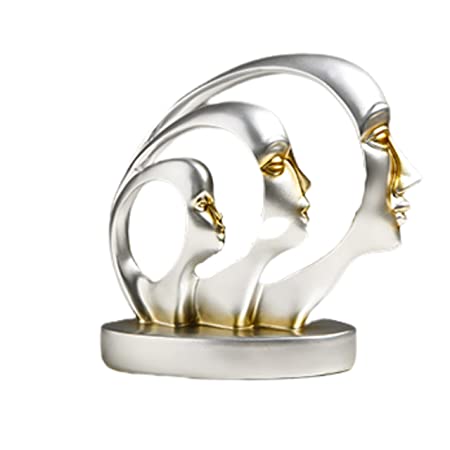
In a small dining room, every single piece of furniture needs to be working at LEAST two jobs — no slackers allowed! A bench along one wall can double as storage for extra linens or board games (hello, game night!). A console table against the wall can serve as a buffet during dinner parties AND a desk on Tuesday afternoons. Nesting tables, drop-leaf tables that fold away when not in use, and extendable tables that go from "dinner for two" to "dinner for eight" without breaking a sweat are ideal for integrating Modern design items for style of Contemporary minimalist or Abstract Artistic. It's basically the furniture version of a Swiss Army knife, and honestly, we stan a multi-tasking legend.
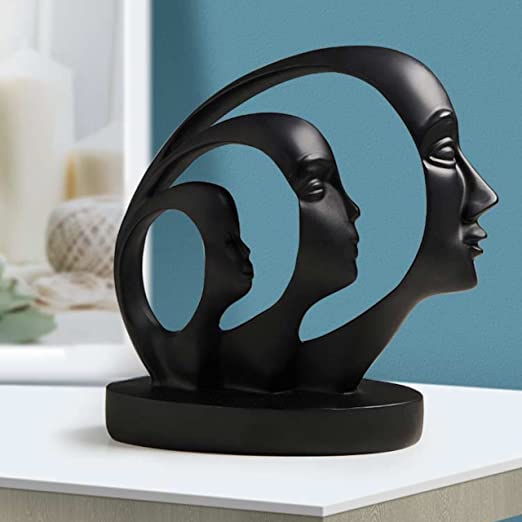
Color is where small dining rooms either thrive or accidentally create a cave situation. The good news? You have OPTIONS — and they're all wonderful in different ways! Light, airy colors like soft whites, warm creams, blush pinks, and pale sage greens visually expand a space by reflecting light and keeping things feeling open and breezy. However, don't overlook the impact of incorporating Ceramic and Resin Vases to enhance your color palette on your dining table. But here's the fun twist — don't be scared of darker, moody colors either! A deep navy, forest green, or charcoal on ALL four walls (yes, including the ceiling — we call that a color drenching moment) can actually make a tiny room feel luxuriously intimate and intentional rather than just... small. It's the difference between "accidentally cramped" and "deliberately cozy." The key is committing to the vibe and decorating accordingly.

Chunky, oversized furniture in a small dining room is the decorating equivalent of wearing a winter coat to a beach party — technically possible but deeply uncomfortable for everyone involved. Instead, reach for furniture with slender, tapered legs that let you see the floor beneath them (more visible floor = more perceived space, it's basically science). Glass or lucite chairs and tables are practically invisible and therefore take up zero visual weight — they're the ninjas of the furniture world. Complement this with Vertical column of TV unit decor with Small Items(10-16cm) suitable for small shelf, tables, desk corner. Opt for a pedestal table base instead of four legs, which gives everyone more legroom and makes the whole setup feel streamlined. Every inch of visual breathing room counts!

Ah, the rug. The unsung hero of interior design and also the most argued-about purchase in any home renovation. In a small dining room, the rug has one CRUCIAL job: to define the dining zone without making it feel like you're eating in a shoebox. A beautifully selected rug can be paired with Medium Sizes (16cm-21cm) for Bigger shelf display and Corner tables for a cohesive look. The golden rule? Make sure ALL the chair legs sit ON the rug — even when the chairs are pulled out. A rug that's too small will make your furniture look like it's floating in a disconnected, awkward way (kind of like wearing shoes that are two sizes too small — it just looks off). Choose light-colored or low-pattern rugs to keep things feeling spacious, and go for easy-to-clean materials because, let's be honest, someone WILL spill the pasta sauce.

Plants in a dining room? Absolutely, unequivocally YES. But in a small dining room, you've gotta be strategic about it — this isn't a jungle situation (unless that's your vibe, in which case, go OFF). Tall, slender plants like snake plants, fiddle leaf figs, or bamboo add vertical interest without eating up precious floor space. Hang plants from the ceiling in macramé holders for a boho-chic look that draws the eye upward. Use Small Items(10-16cm) suitable for small shelf, tables, desk corner, Vertical column of TV unit, on top of Fridge, Decorative shelf of bathrooms and kitchen to accent window sills or side spaces. Place a small herb garden on the windowsill that doubles as table decoration AND cooking ingredients — now THAT is efficiency. Plants add life, color, texture, and a general sense of "I have my life together" to any space, even tiny ones. They're basically free therapy.

Here's some tough love, bestie: in a small dining room, clutter is the enemy of beauty. Every single item that lives in your dining space needs to earn its spot — no freeloaders allowed. Embrace smart storage solutions like wall-mounted cabinets, built-in banquettes with hidden storage underneath, and floating shelves that keep things off the floor. Organizing Home Decor items as must-have essentials can ensure a neat and tidy setup. Invest in beautiful containers and baskets that make even your "stuff" look intentional and styled. A clear table surface with just a simple centerpiece — think a single candle, a small vase of flowers, or a little bowl of fruit — will always look infinitely more put-together than a table covered in mail, keys, and that mysterious charger that belongs to no known device. Edit ruthlessly. Your space will thank you.

Just because your dining room is small doesn't mean it can't have a BIG personality! A statement wall — whether it's bold wallpaper, a painted mural, a textured finish, or a gallery wall of your favorite art — gives the eye a focal point and makes the space feel designed rather than defaulted. Implementing Artistic Wall Hangings and Decor can accentuate the statement wall even further. In small spaces, wallpaper with vertical stripes or patterns that draw the eye upward are particularly clever because they literally make walls look taller. Geometric patterns, botanical prints, or even a fun maximalist wallpaper can transform a poky dining corner into the most talked-about room in the house. Just commit to one statement wall and keep the rest calmer — we want "curated gallery," not "sensory overload."

If you haven't considered a banquette (that's fancy for "built-in bench seating along the wall"), STOP EVERYTHING and listen up. A banquette tucks neatly against a wall, takes up a fraction of the space that individual chairs would need, can seat more people per square foot than almost any other configuration, AND — plot twist — the seat can be built with storage underneath. It's the decorating equivalent of finding a $20 bill in an old jacket. Pair your banquette with a mix of matching chairs on the opposite side for an asymmetrical look that feels intentional and restaurant-booth cozy. Add some plump cushions and throw pillows to make it outrageously comfortable, and suddenly you'll have guests who never, ever want to leave.
Okay, friend, we're in the home stretch — and this is where the magic truly happens! The finishing touches in a small dining room are what separate "nice" from "extraordinary." Think about layering textiles: a beautiful table runner, cloth napkins in a complementary color, and seat cushions that tie the whole palette together. Choose one cohesive color story and repeat it throughout — in the art, the ceramics, the candles, and the greenery. Swap out a standard builder-grade light fixture for something with genuine personality — a rattan pendant, a sculptural chandelier, or clustered globe lights that feel like dining under the stars. Small spaces reward attention to detail more than any large room does, because every single thing you see matters. Make every single thing count.
And there you have it, friend — a complete toolkit for turning your compact dining space into the stylish, functional, and utterly charming room it was always meant to be! Remember, some of the most iconic, memorable dining experiences happen in the tiniest of spaces — that corner bistro in Rome, the cozy kitchen nook at grandma's house, the beloved neighborhood restaurant where the tables are basically touching but somehow that makes it better. Small dining rooms aren't a problem to be solved; they're a design challenge to be embraced with creativity, cleverness, and maybe a few mirrors. Use the tips in this guide, trust your instincts, have fun with it, and don't forget: the best dining room is the one where people gather, laugh, eat good food, and make memories — regardless of how many square feet are involved. Now go make your little dining room the star of the show. It's ready for its close-up! 🍽️✨
The 2/3 rule in interior design is one of those wonderfully simple guidelines that makes a HUGE difference in how put-together a space looks. Essentially, it states that key design elements should occupy about two-thirds of a given space — leaving the remaining one-third as visual breathing room. For example, a rug should cover roughly two-thirds of the floor area in a dining space, a gallery wall should fill about two-thirds of the wall it's displayed on, and a centerpiece should take up about two-thirds of the table length. Think of it as the design world's version of "don't overcrowd your plate" — a little restraint goes a long way, and negative space is just as important as the things you fill it with. Following the 2/3 rule in your small dining room will make it look intentionally styled rather than randomly assembled.
The best color for a dining room really depends on the vibe you're going for — and the great news is, there's no single wrong answer! For small dining rooms specifically, warm neutrals like soft white, warm cream, and light greige (that gorgeous grey-beige hybrid) are perennial favorites because they reflect light and make the space feel open and airy. Warm tones like terracotta, dusty blush, and golden yellow are also wonderful choices — they stimulate appetite (yes, color psychology is a real thing!) and create a welcoming, convivial atmosphere that makes guests want to linger over dessert. If you're feeling bold, deep jewel tones like forest green, midnight blue, or rich burgundy can transform a small dining room into a dramatically chic, intimate space that feels more "exclusive supper club" than "cramped corner." The golden rule: whatever color you choose, make sure it works beautifully with your lighting, because that changes everything.
The best layout for a small dining room is all about maximizing flow and minimizing the obstacle course effect — nobody wants to play human Tetris every time they need a glass of water! First and foremost, ensure there's at least 36 inches of clearance between the table and any wall or furniture so chairs can be pulled out comfortably. A round or oval table is the layout MVP in tight spaces because it eliminates sharp corners and encourages better traffic circulation — place it centrally, or pushed slightly toward a wall if you're using banquette seating on one side. Speaking of which, a banquette-plus-chairs configuration is arguably the smartest layout for a truly small space — it pushes seating against the wall, freeing up the rest of the room. Keep pathways clear, resist the urge to add extra furniture "just in case," and remember that in a small dining room, empty space isn't wasted space — it's intentional breathing room that makes everything look better.
Oh, this is the question of ALL questions for small space dwellers, and thankfully there are SO many clever tricks up our decorating sleeves! Start with light — maximize natural light by keeping window treatments minimal and airy, and layer artificial lighting thoughtfully to eliminate dark corners that make spaces feel smaller. Add at least one large mirror to visually double the depth of the room. Choose furniture with slim, tapered legs or transparent materials like glass and acrylic that take up minimal visual weight. Keep the color palette light and cohesive — too many competing colors in a small space create visual noise that makes it feel chaotic and cramped. Hang curtains as close to the ceiling as possible and let them go all the way to the floor — this elongates the walls dramatically. Declutter obsessively (a tidy space ALWAYS looks larger), use rugs correctly (big enough for all chair legs to sit on), and incorporate vertical design elements like tall shelving and vertical-striped wallpaper to draw the eye upward. Combine a few of these strategies together and your tiny dining room will feel like it had a very successful expansion project — no construction required!


