
Cart

Living in an open floor plan home is like wearing pajama pants – it's all fun and freedom until you need some structure! If you're tired of your living room, dining area, and kitchen having one big group hug 24/7, you're not alone. Open spaces are gorgeous, but sometimes you need to create a little "personal space" without slapping up permanent walls. Whether you're trying to hide your disaster-zone kitchen from dinner guests or just want a cozy reading nook away from your partner's football screaming session, these 14 living room partition ideas will have you sectioning off your space with style and sass. Let's break up that wide-open space without breaking up with its charm! You can even elevate these spaces with Stunning Abstract Showpieces for defined partitioned living areas, adding a touch of visual interest and elegance to every new zone.

Bookshelves as room dividers? Now that's a real page-turner of an idea! These versatile pieces pull double-duty by not only creating a visual break between spaces but also providing storage for your ever-growing collection of unread books (we won't judge!). Opt for an open-back bookshelf to maintain airiness, or go full-on library mode with a substantial unit that makes a statement. Style your shelves with a mix of books (arranged by color if you're that person), plants that you'll hopefully remember to water, and quirky knick-knacks that tell your life story. The best part? When someone asks about your interior design inspiration, you can honestly say, "I got it from all these books I've totally read." Try incorporating House decorative items like small modern statues for open bookshelf partitions to enhance visual appeal while maintaining continuity through your open-plan space.

Yeehaw, partner! Sliding barn doors aren't just for housing livestock anymore – they're the hip way to separate spaces while channeling your inner HGTV star. These beauties slide right along a track when you need division and tuck away when you don't, making them perfect for commitment-phobes who can't decide if they want an open concept or not. Available in everything from rustic reclaimed wood to sleek glass panels, barn doors add architectural interest and can be closed when your cooking experiment goes terribly wrong and you need to hide evidence from dinner guests. Just remember, unlike regular doors, these don't block sound – so your secret karaoke sessions might still reach the living room! Add elegance by pairing them with Modern statues for aesthetic charm around partition barn doors, using our matte and glazed resin decor items for extra dimension.

For the indecisive decorator with separation anxiety, glass partitions are your transparent best friend! They create distinct zones while still letting light flow through, perfect for those who want division without the claustrophobia. Opt for clear glass for a modern look, or get fancy with frosted, textured, or even stained-glass panels for privacy with pizzazz. The best part? You can still keep an eye on what's happening in the other room (like making sure your kids aren't using your couch as a trampoline) while pretending you're in your own sophisticated space. Just remember to keep the Windex handy – nothing ruins the elegant vibe faster than fingerprints and nose smudges from curious pets wondering why they can't walk through. Compliment these zones with Sleek ceramic vases near glass partitions for contemporary flair and understated elegance.
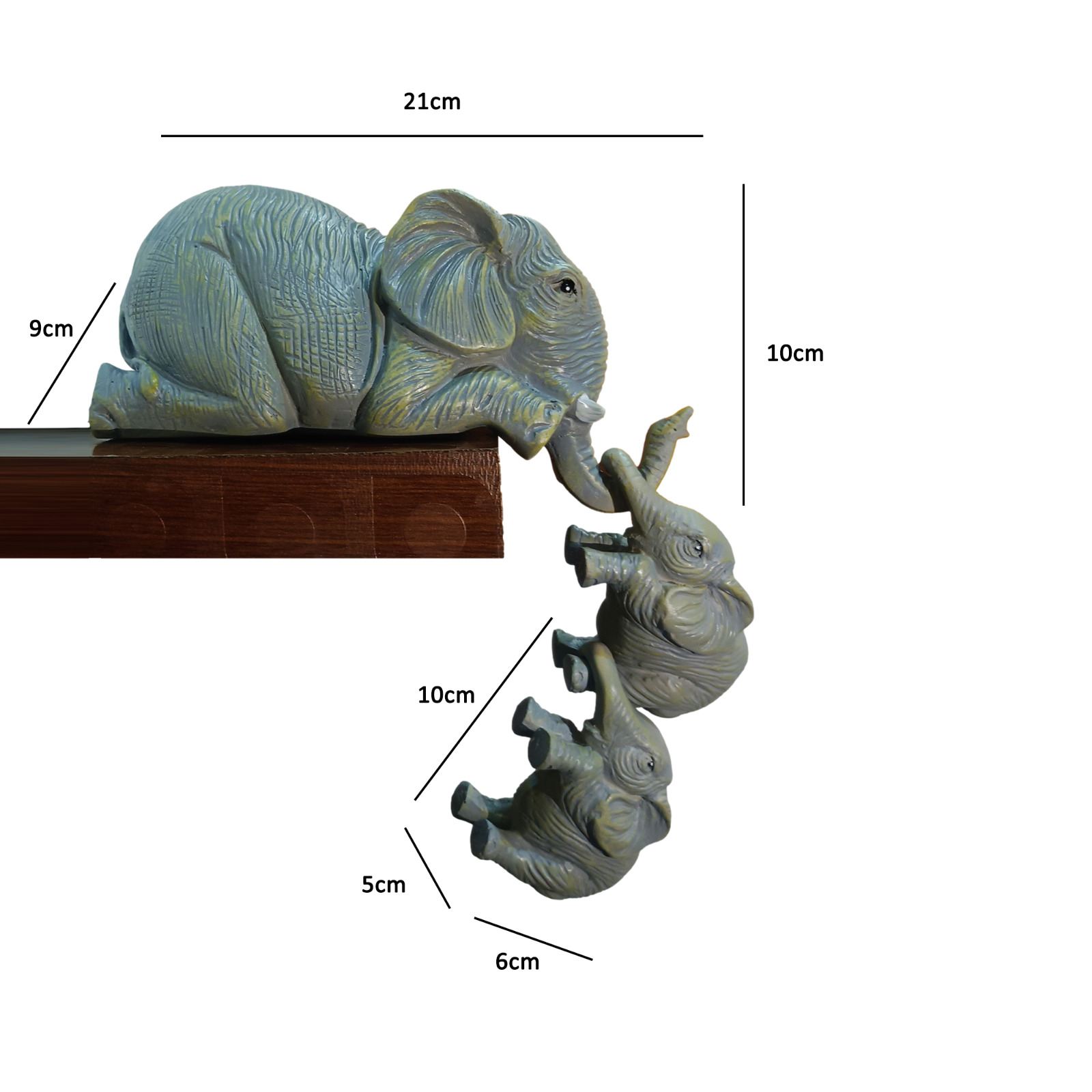
Not ready for a permanent relationship with your room layout? Folding screens are the casual dating of the partition world! These multi-panel heroes can be repositioned whenever the mood strikes, making them perfect for renters, the chronically indecisive, or those who like to rearrange furniture every season (we see you). Available in countless styles from vintage rattan to sleek modern designs, they add instant character while hiding that pile of laundry you haven't folded yet. Place one behind your sofa to create a cozy living area, or use it to shield your WFH setup during non-working hours. The best part? When your mother-in-law visits and criticizes your layout, you can change it immediately and claim you had planned to all along! Enhance your screen setup with Unique small decorative showpieces for dynamic room divider styling to personalize the look.

Channel your inner theater kid with dramatic curtains that separate spaces with a flair for the, well, dramatic! Ceiling-mounted curtain tracks or tension rods allow you to swish fabric dividers open and closed with the enthusiasm of revealing a surprise birthday cake. Opt for heavy velvet for sound absorption (and maximum dramatic effect when you dramatically pull them open), or light, breezy sheers if you're going for that "I live in a beach house" vibe despite being nowhere near water. Different fabrics create different moods – neutral linens for the sophisticated minimalist, bold patterns for the color enthusiast, or blackout curtains for those who pretend their home office doesn't exist on weekends. Just practice your curtain-opening technique to avoid getting tangled like a clumsy sitcom character. For added texture, pair your setup with Decorative wall pieces or resin art hangings behind curtains that subtly peek through and complement your fabric tones.

Why settle for boring inanimate dividers when you can create a jungle paradise between your living spaces? A strategic arrangement of houseplants creates natural separation while purifying your air and giving you something else to feel guilty about neglecting! Mix tall statement plants like fiddle leaf figs (good luck keeping those drama queens alive) with hanging pothos and medium-sized ferns for a lush barrier. Add a stylish plant stand, some decorative pots, and voilà – you've got yourself a living divider that's basically an oxygen factory. Just be prepared for the inevitable "Is this a home or a botanical garden?" comments from visitors as you proudly point out which plants have survived your care for more than a month. Add charm to these green zones with Artistic vases and indoor sculpture décor for plant-themed partitions for that extra finishing touch.

Plot twist – sometimes the best partition isn't a partition at all! Strategic furniture placement, starting with your sofa, can define spaces without adding a single new element. Position your couch with its back to the dining area to create an instant visual boundary that says, "This is where we Netflix, that's where we eat." Add a slim console table behind the sofa to reinforce the division, perfect for displaying photos, holding drinks, and collecting all those random items you don't know where else to put. This non-partition partition works especially well in smaller spaces where additional dividers might make things feel cramped. Plus, when someone compliments your clever layout, you can modestly say, "Oh this? I just intuitively understood the spatial dynamics of the room," instead of "I saw it on Pinterest." Try Small decorative pieces for sofa-back console detailing in open layouts to make the invisible divide even more seamless.

Take your storage game to new heights (literally) with statement shelving units that separate spaces while showcasing your carefully curated collection of "things that spark joy" and "stuff you bought because it was on sale." Opt for geometric shelves, ladder designs, or custom built-ins that reach toward your ceiling for maximum impact. The beauty of these functional dividers is their versatility – keep some sections open for light flow and visibility, while using others for storage or display. Curate your shelf styling with the precision of a museum curator, alternating books, plants, and that weird sculptural thing you bought on vacation that nobody understands but everyone compliments. Just remember to secure tall units to the wall – nothing ruins an elegant division like a bookshelf toppling over during an enthusiastic dance session. Highlight each layer with Colorful showpieces for modern shelf dividers in small homes that lend personality and vibrance.

Why limit partitions to the floor when you can hang them from above? Suspended dividers bring the drama while keeping floor space open, perfect for smaller homes or areas with gorgeous flooring you don't want to cover. Try hanging beaded curtains for some groovy 70s vibes, macramé panels for boho flair, or wooden slats for modern minimalism. These floating boundaries define spaces without the visual weight of floor-based options, creating the illusion that your partition is just casually defying gravity (no big deal). Plus, they make excellent backgrounds for your social media photos – nothing says "I'm interesting" like a carefully crafted hanging divider that took you three weekends to install but looks effortlessly chic. Enhance artistic effect with Traditional craft-inspired decorative items between hanging partitions that blend structure with culture beautifully.

If your open floor plan includes different floor heights, congratulations – you've got built-in division potential! Embrace these level changes by enhancing them with additional elements like glass railings, short walls, or extended steps that double as seating. Even in a flat space, you can create artificial level changes with platform flooring in certain areas, subtly signaling "new zone ahead" without screaming it. Add different flooring materials to enhance the separation – perhaps hardwood in the living area transitioning to tile in the kitchen zone. This architectural approach to division feels intentional and high-end, leading visitors to assume you must have paid a fortune for this "custom design feature" when really, you just got clever with some basic construction materials and a weekend DIY spirit. You can complement these changes by adding Easy decorative showpieces for level-adjusted spaces that reinforce functional divisions with design detail.
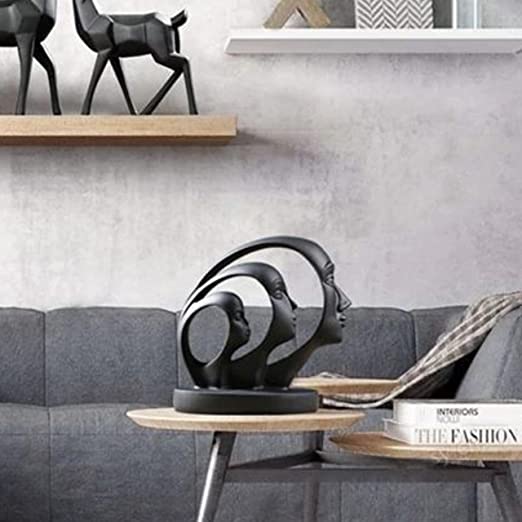
Let there be light – but different kinds in different areas! Strategic lighting creates invisible but effective boundaries between spaces by signaling to our brains "this area has a different purpose." Install pendant lights over your dining table, recessed lighting in the kitchen, and a statement floor lamp in the living area. Add track lighting to highlight specific zones or under-cabinet lights to define work areas. Playing with light temperature helps too – warmer, softer lighting in relaxation spaces and cooler, brighter light in functional areas. This subtle approach to division doesn't take up any physical space but powerfully defines different zones. Plus, having multiple lighting options means you can go from "energetic morning productivity" to "romantic dinner ambiance" to "just enough light to find the remote without stubbing your toe" all within the same open space. Don’t forget to mix in Trendy resin sculptures for ambient light corners in divided spaces.

Dividing an open plan living room is all about creating visual boundaries without sacrificing flow. The easiest approaches include strategic furniture placement (positioning your sofa to face away from dining areas), freestanding dividers (bookshelves, screens, or plants), hanging elements (curtains or suspended panels), or lighting zones that visually separate spaces. The key is finding balance – you want enough division to create distinct areas but not so much that you lose the openness that made you choose an open plan in the first place. Start with one method and add more subtle dividers if needed!
Creating a living room partition depends on your commitment level and DIY skills! For temporary, flexible options, try room divider screens, curtains hung from ceiling tracks, or strategically placed large furniture like bookshelves. For semi-permanent solutions, consider sliding barn doors, glass partitions, or custom shelving units. The rental-friendly approach uses tension rods with curtains or freestanding elements that don't require wall mounting. DIY enthusiasts might build custom half-walls or install ceiling tracks for sliding panels. Consider your space constraints, lifestyle needs, and aesthetic preferences when choosing – the perfect partition balances division with maintaining light flow and conversation between spaces.
The best open plan layout creates distinct functional zones while maintaining visual connection and flow. Start by identifying activity areas (cooking, dining, relaxing, working) and anchor each with appropriate furniture. Position your sofa to define the living area, perhaps with its back creating a boundary to another zone. Use area rugs to visually ground each section. Maintain clear pathways between zones (at least 30-36 inches) and arrange furniture to encourage conversation within zones while allowing visibility across the entire space. Consider traffic patterns – don't place dividers where they'll interrupt natural movement. The perfect open plan layout should feel intuitive, with each area clearly defined but harmoniously connected to the whole.
The best home partition depends entirely on your specific needs! For flexibility, room divider screens or curtains allow easy rearrangement. For homes with children or pets, sturdier options like bookshelves or partial walls might be more practical. Glass partitions work beautifully in smaller spaces where maintaining light is crucial. If storage is a priority, bookshelf dividers or console units offer functionality with division. Consider maintenance too – plants require care, glass shows fingerprints, and fabric needs cleaning. Match the partition to your lifestyle – a busy family might need durable, movable dividers, while design enthusiasts might prefer architectural statements. The truly "best" partition is one that solves your specific challenges while enhancing your home's aesthetic.
When choosing between different partition schemes, consider the balance of three factors: visual division, light flow, and sound control. Partial-height partitions maintain airflow and light while defining spaces visually. Full-height dividers (like sliding doors or curtains) provide better sound isolation and complete visual separation when desired. Mixed schemes often work best in open plans – perhaps using substantial dividers between functional areas that need more separation (like home offices) and lighter, more open dividers between social spaces. The better scheme ultimately depends on your priorities – if maintaining an airy, connected feeling is most important, choose more transparent dividers; if creating distinct rooms within your open plan is the goal, opt for more substantial separation methods.


