
Cart
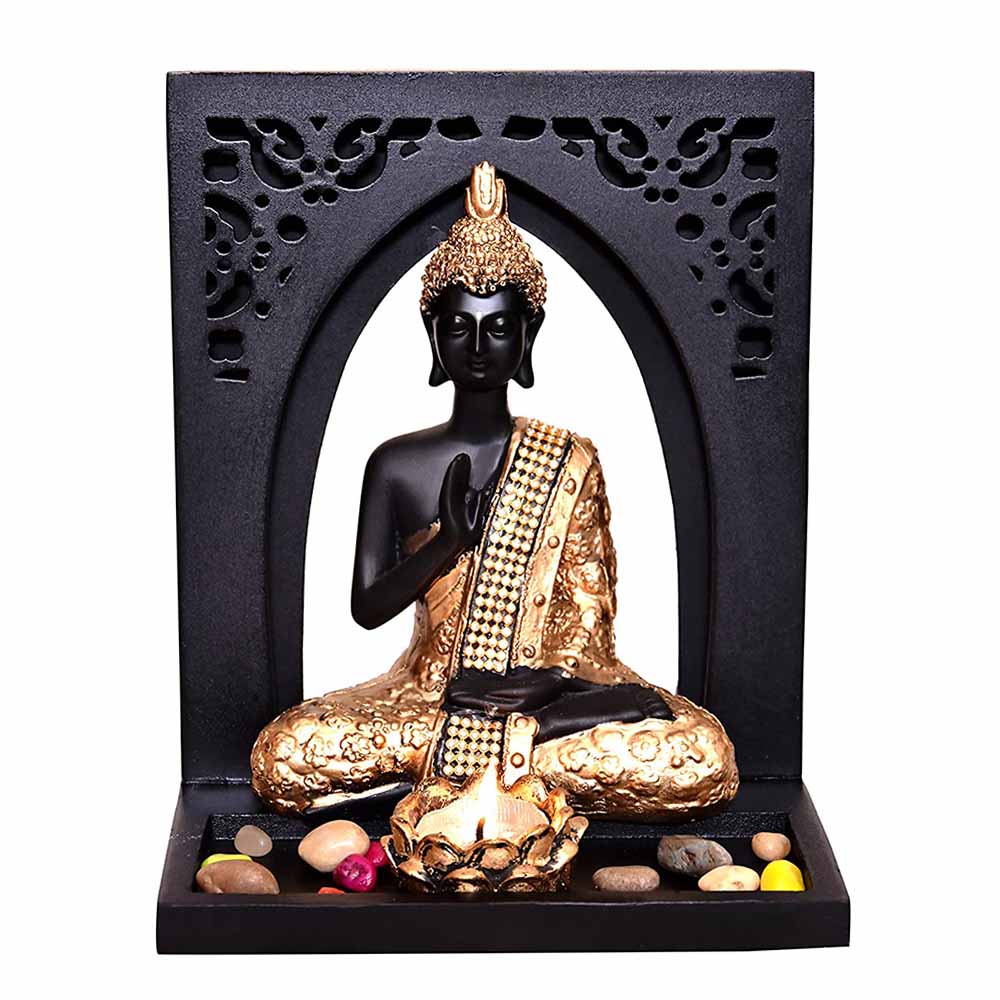
So, you've got yourself a beautiful Buddha statue or painting, and now you're standing in your living room playing an existential game of "hot or cold" trying to figure out where to put it. First off, high five for bringing some peaceful vibes into your space! Whether you're a devoted Buddhist, a spiritual soul, or just someone who appreciates the calm serenity Buddha brings to a room (and goodness knows we could all use some of that), placing these sacred items mindfully matters. It's not just about interior design—it's about respect, energy, and maybe avoiding that awkward moment when your spiritual friend visits and gasps at your Buddha head being used as a hat rack. Let's dive into the wonderful world of Buddha placement that'll bring peace to your space and maybe even to that chaotic mind of yours! And when you pair that peace with a compact piece like an Abstract Buddha statue for small room serenity, the harmony becomes both visual and spiritual.
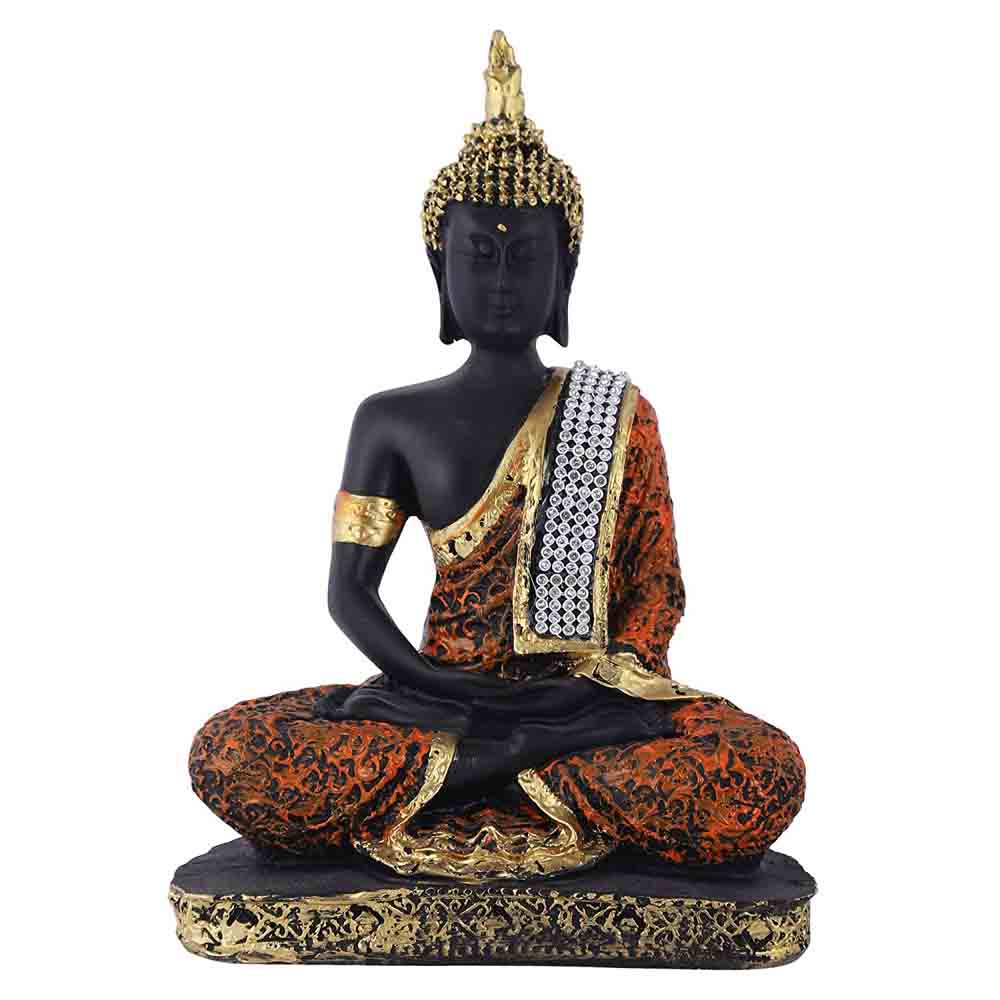
Let's start with the absolute no-nos before your Buddha statue ends up accidentally disrespected. The bathroom? That's a hard pass. The kitchen where grease splatters and food odors abound? Also not ideal. Think of placing Buddha like you would an honored guest—would you seat your grandma next to the toilet? Probably not (unless you have a very unique relationship). In many traditions, Buddha statues should be elevated—not on the floor where they can be stepped over, and definitely not in places associated with impurity. Your Buddha should be higher than waist level, ideally at eye level or above, so you're looking up to it slightly. This isn't just tradition; it's creating a physical representation of looking up to wisdom. And yes, this means your Buddha doorstop idea needs to go back to Pinterest where it belongs! A Large Buddha statue for respectful home placement ensures spiritual elegance without a décor disaster.
.jpg)
In feng shui (because why not add another layer of spatial anxiety to your décor decisions?), the eastern part of your home is considered particularly auspicious for Buddha placement. The east represents family health and new beginnings—perfect symbolism for your spiritual journey! Place your Buddha facing into the room rather than looking out a window, as if he's blessing your space rather than trying to escape it. And here's a fun fact: in traditional feng shui, Buddha statues should never face the bathroom or kitchen. It's like Buddha is saying, "I'm here for your spiritual enlightenment, not to watch you make midnight nachos or floss your teeth." Fair enough, Buddha. Fair enough. Consider decorating with a Meditating Buddha statue for powerful eastern corner setup to anchor those energies.

The living room is prime Buddha real estate! It's where you entertain, relax, and occasionally pretend to read those impressive books on your coffee table. A Buddha statue or painting here can create a focal point of calm in your communal space. Try placing Buddha on a shelf or table where it won't be disturbed by your cat's parkour practice or your friend's enthusiastic wine gestures. Add a small LED candle (because actual fire and enlightenment don't mix with curtains) and perhaps a small offering of flowers or fruit for a mini altar vibe. Just be prepared to answer when your pizza delivery person asks, "So... are you Buddhist?" with a thoughtful, "I'm Buddhist-friendly with décor aspirations." A Stylish resin Buddha idol for your modern living space elevates the entire vibe with minimal effort.
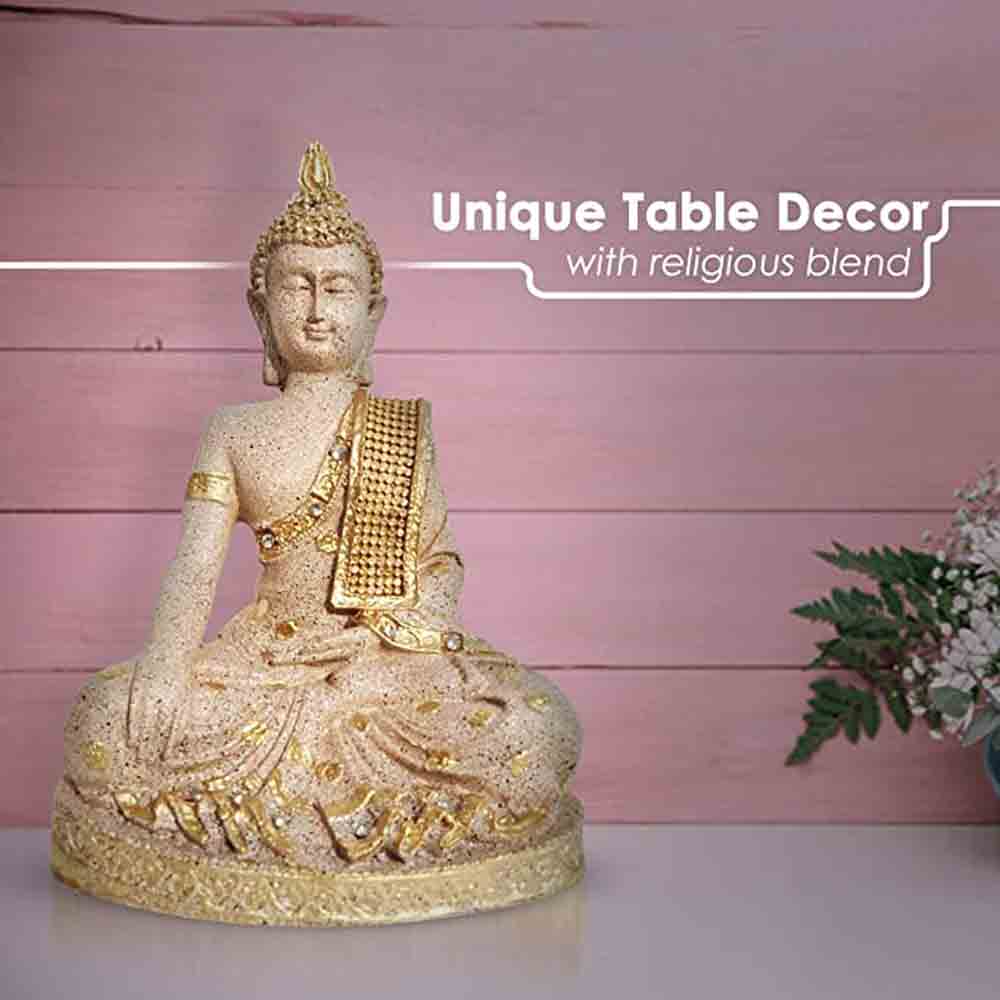
Your bedroom can be a wonderful place for Buddha—after all, what space needs more calm than where you toss and turn worrying about that embarrassing thing you said in 2013? However, some traditions suggest not placing Buddha directly facing the bed (apparently Buddha doesn't need to witness your drooling sleep face or, ahem, other bedroom activities). Instead, position your Buddha on a dresser or shelf where it overlooks the room generally. Opt for a peaceful, meditative Buddha rather than fierce protector forms in the bedroom—unless you want your sleep punctuated with intense spiritual dreams where you're taking enlightenment exams you didn't study for! For balance and elegance, a Medium ceramic Buddha statue for bedside décor harmony offers the perfect mix.
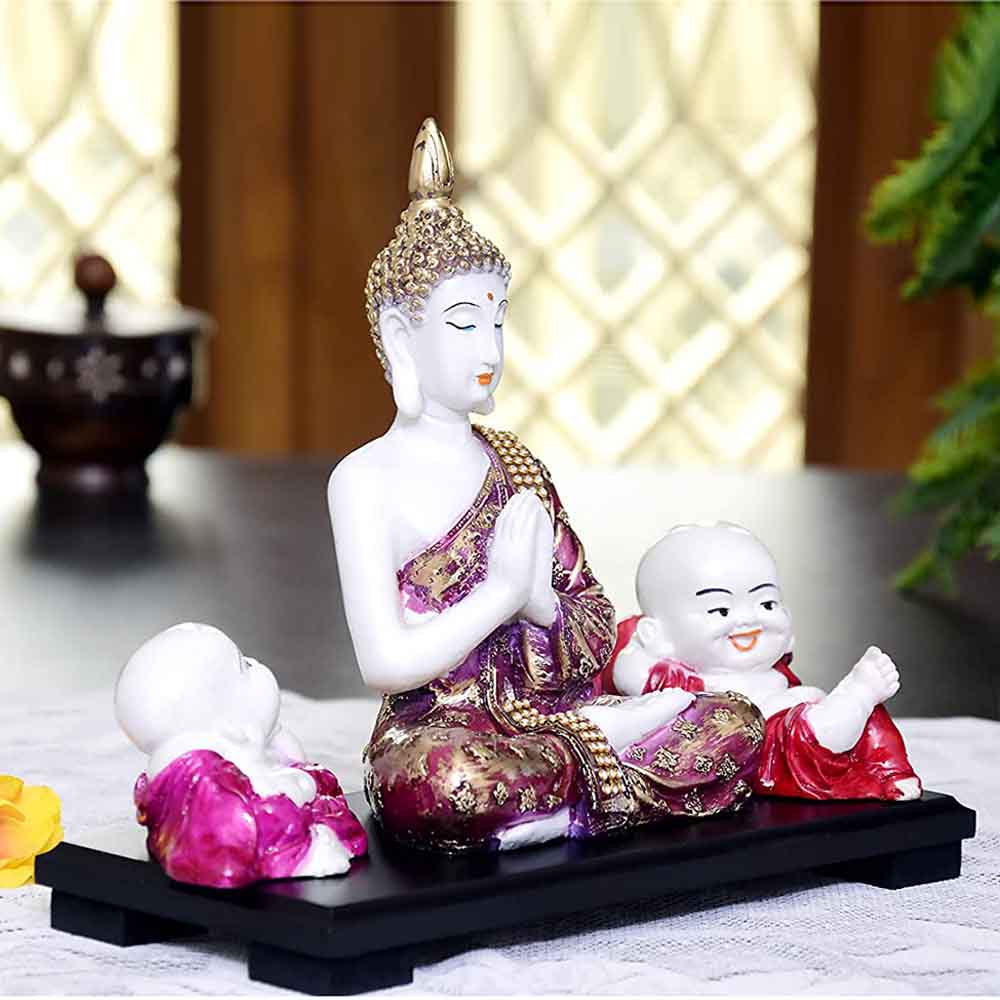
Bringing Buddha to work might just save your sanity and your coworker's life during those especially trying meetings. A small, discrete Buddha on your desk can serve as a visual reminder to breathe before responding to that passive-aggressive email. Position Buddha facing you rather than your office door—it's there for your benefit, not to judge everyone who enters your cubicle. And here's a pro tip: when your boss asks why you're staring at a statue instead of finishing the quarterly report, just say you're "consulting with management about mindful productivity approaches." Sounds better than "contemplating a career change," right? A Colorful Buddha statue for office desk mindfulness infusion blends perfectly with your professional Zen strategy.
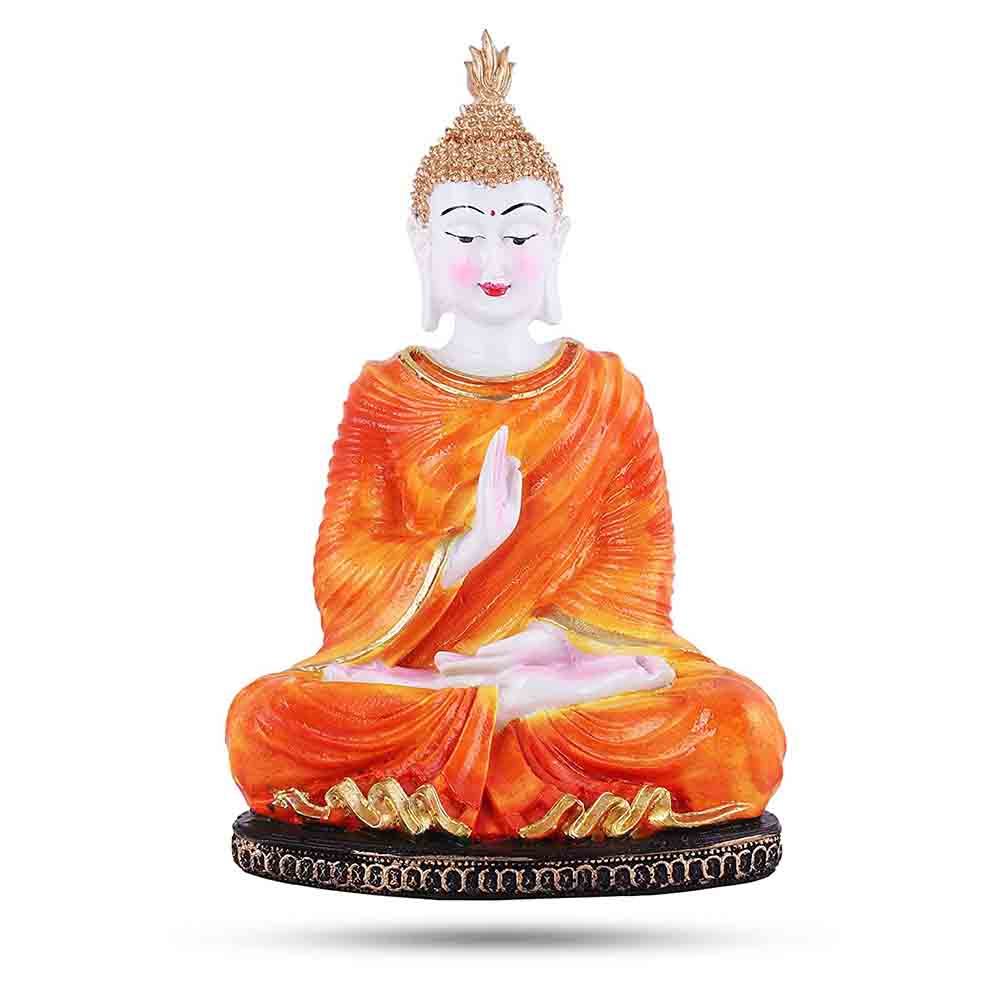
Garden Buddhas are amazing—they age beautifully, gain character with moss, and never complain about the weather (unlike certain family members during backyard barbecues). When placing Buddha outside, elevation is still important—consider a pedestal or raised area that keeps Buddha above ground level. Many traditions suggest placing garden Buddhas in partially secluded areas where they won't be stared at by passers-by—like under a tree or surrounded by plants. This creates a discovered sanctuary feeling rather than a "look at my spiritual superiority" front yard statement. Also, Buddha generally appreciates facing the house, as if protecting your home, rather than facing the street like he's waiting for an Uber to a better garden. A Corner-ready Buddha statue for peaceful garden sanctuaries adds soul to your landscape layout.
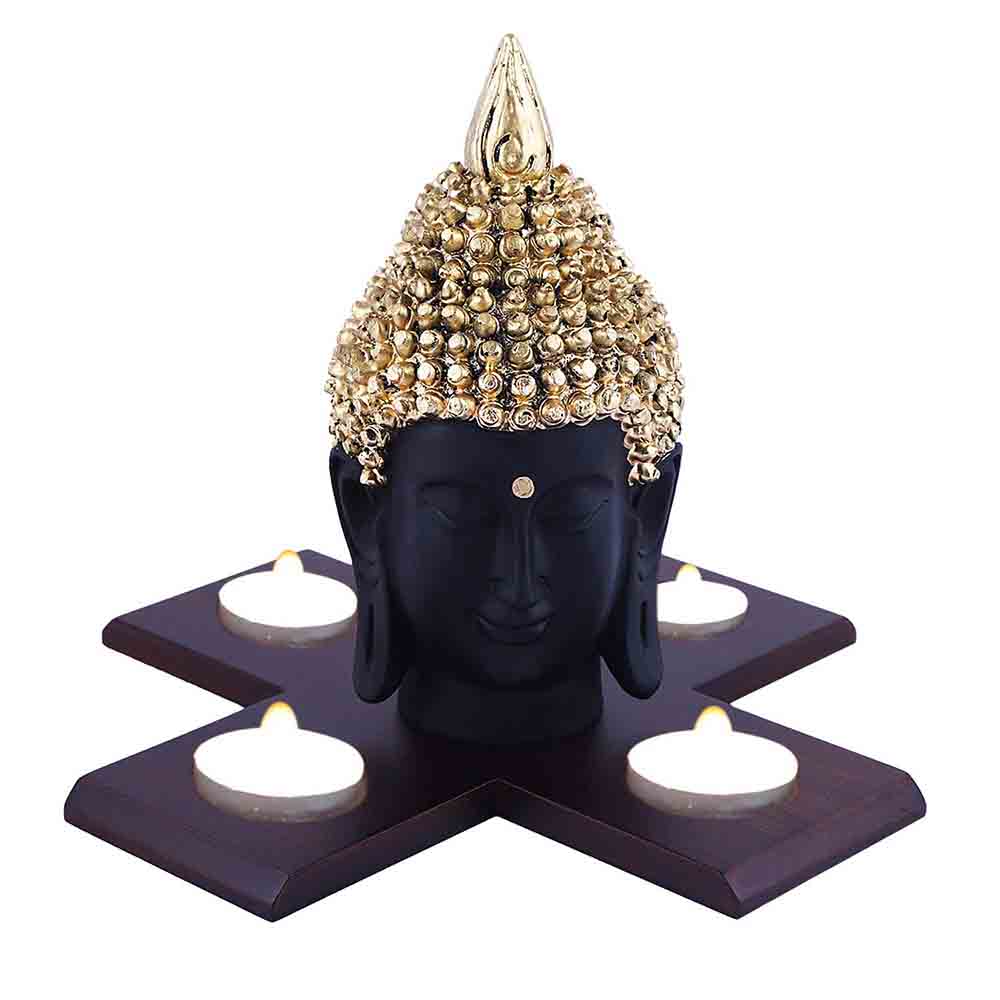
The Laughing Buddha (technically Budai or Hotei, not the historical Buddha) plays by slightly different rules because, well, he's laughing about rules! This jolly fellow with the round belly brings abundance, joy, and prosperity. While traditional Buddha statues shouldn't face doors, the Laughing Buddha actually loves greeting people—place him near your entrance (but not directly facing the door) to welcome positive energy. Many feng shui experts suggest positioning Laughing Buddha in the wealth corner of your home (the farthest left corner from your entrance). And unlike his more serious counterpart, Laughing Buddha can hang out in dining areas—he's all about abundance and enjoying life's pleasures, including that third slice of pizza you're contemplating! A Laughing Buddha gift for joyful doorway blessings can transform an ordinary entrance into a welcoming haven.
.jpg)
Buddha paintings and wall art follow similar placement principles but with the added benefit of not being knocked over by your enthusiastic dog. Wall art should be hung at eye level or slightly higher—never near the floor. Buddha art works beautifully in meditation spaces, reading nooks, or above furniture where you need some calming energy (like over that desk where you pay bills). One creative approach is creating a gallery wall with Buddha art as the centering, calming element among more colorful pieces—like the spiritual adult in a room full of chaotic art children. Just remember that mass-produced Buddha canvas from the discount store might not have the same energy as a mindfully selected piece, kind of like the difference between a thoughtful text and a generic "happy birthday" Facebook wall post. Consider a Decorative Buddha painting to uplift mindful interiors that speaks to your soul.
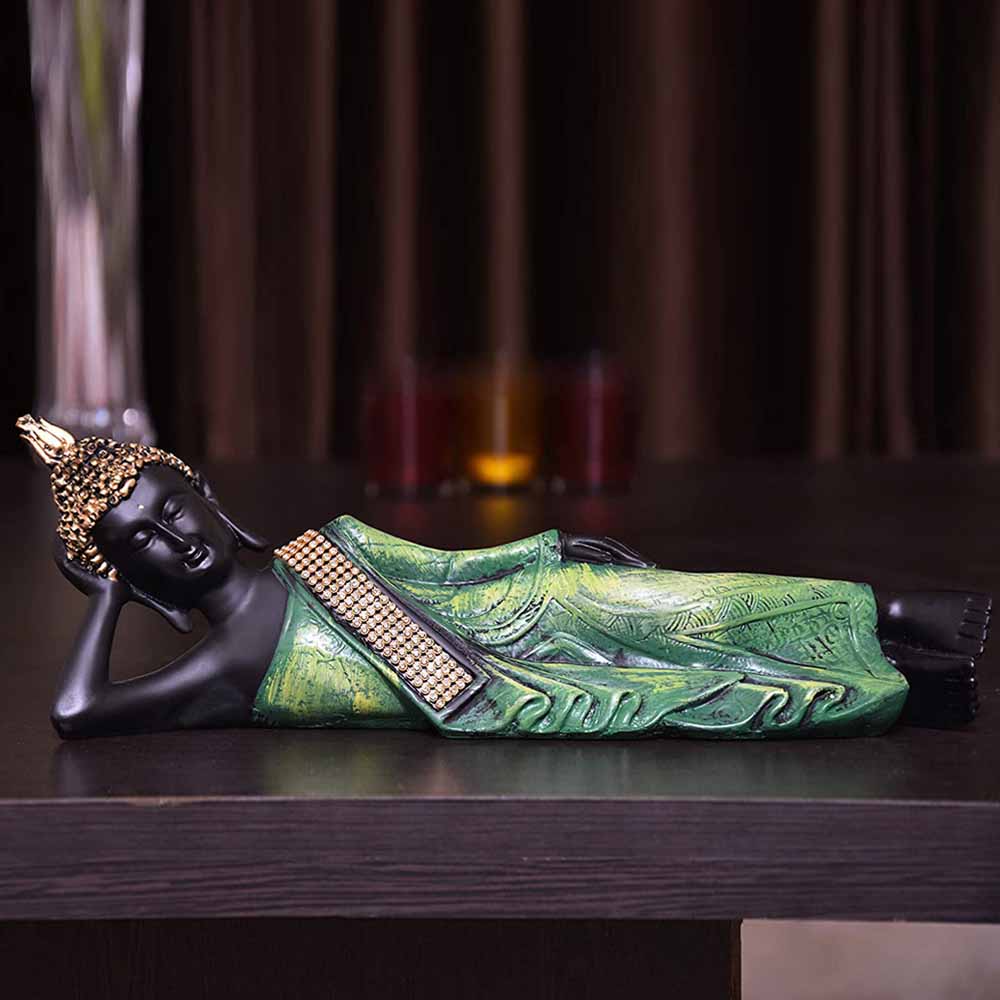
When it comes to Buddha statues, bigger isn't always better (despite what home shopping networks might tell you). A massive Buddha might create amazing Instagram photos but can overwhelm your actual living space faster than you can say "disproportionate enlightenment." Choose a Buddha size that feels balanced in your space—a tiny Buddha might get lost on a large mantel, while a giant Buddha might make your studio apartment feel like you're living in a temple gift shop. The Buddha should be noticeable but not the only thing you see when entering a room—unless you're going for the "yes, this IS a monastery" vibe, in which case, namaste and carry on! A Proportionate Buddha idol for mindful space balance brings soul without clutter.
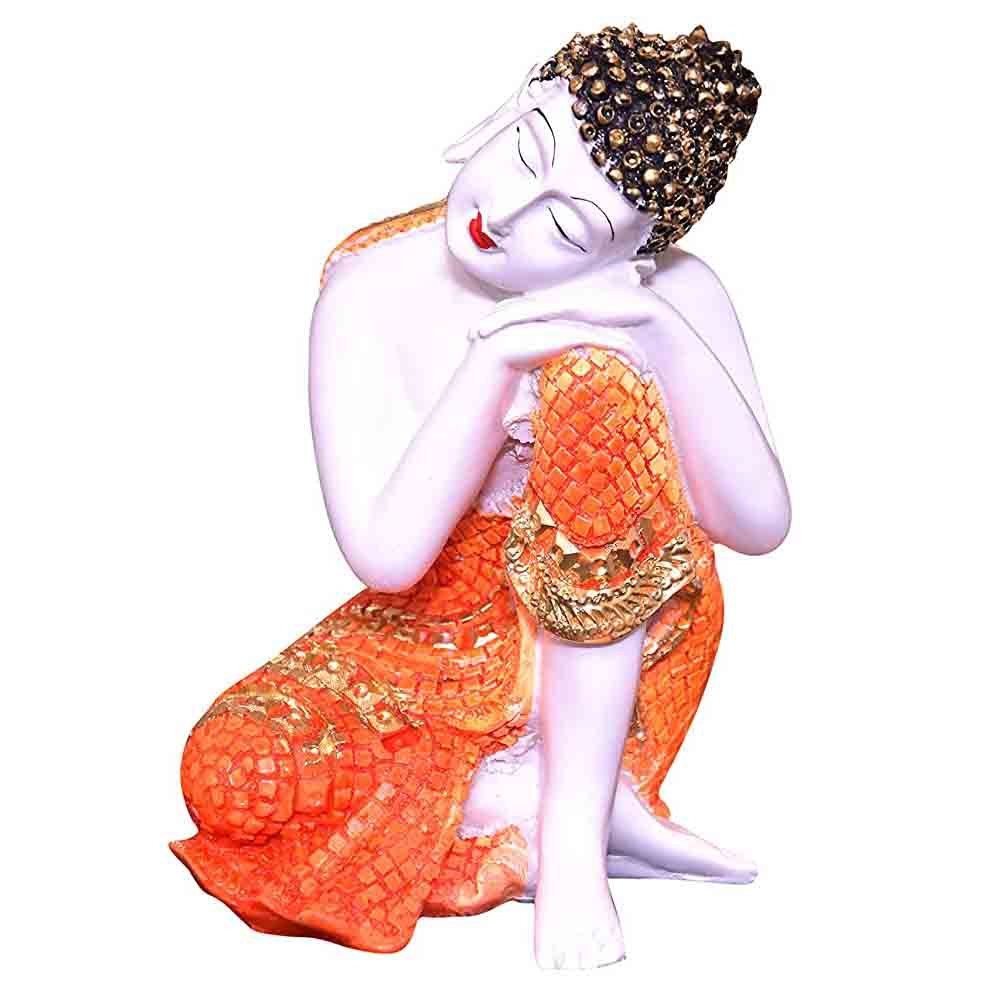
For those of us who can't resist bringing home Buddha souvenirs from every trip (guilty!), there's the question of how to display your growing collection without your home looking like a spiritual hoarder situation. Generally, Buddhas of the same type shouldn't directly face each other—it creates a weird enlightenment standoff energy. Instead, create mindful groupings or spread them throughout your home. A meditation space might have one primary Buddha with smaller ones as supporting cast. And remember that quality trumps quantity—one mindfully selected Buddha with personal meaning brings more positive energy than seventeen discount store Buddhas you bought because they were on sale. Your home should feel like a sanctuary, not like Buddha is running for office with campaign posters in every room! Try a Sleeping Buddha statue for peaceful grouping effect to induce restfulness and serenity.
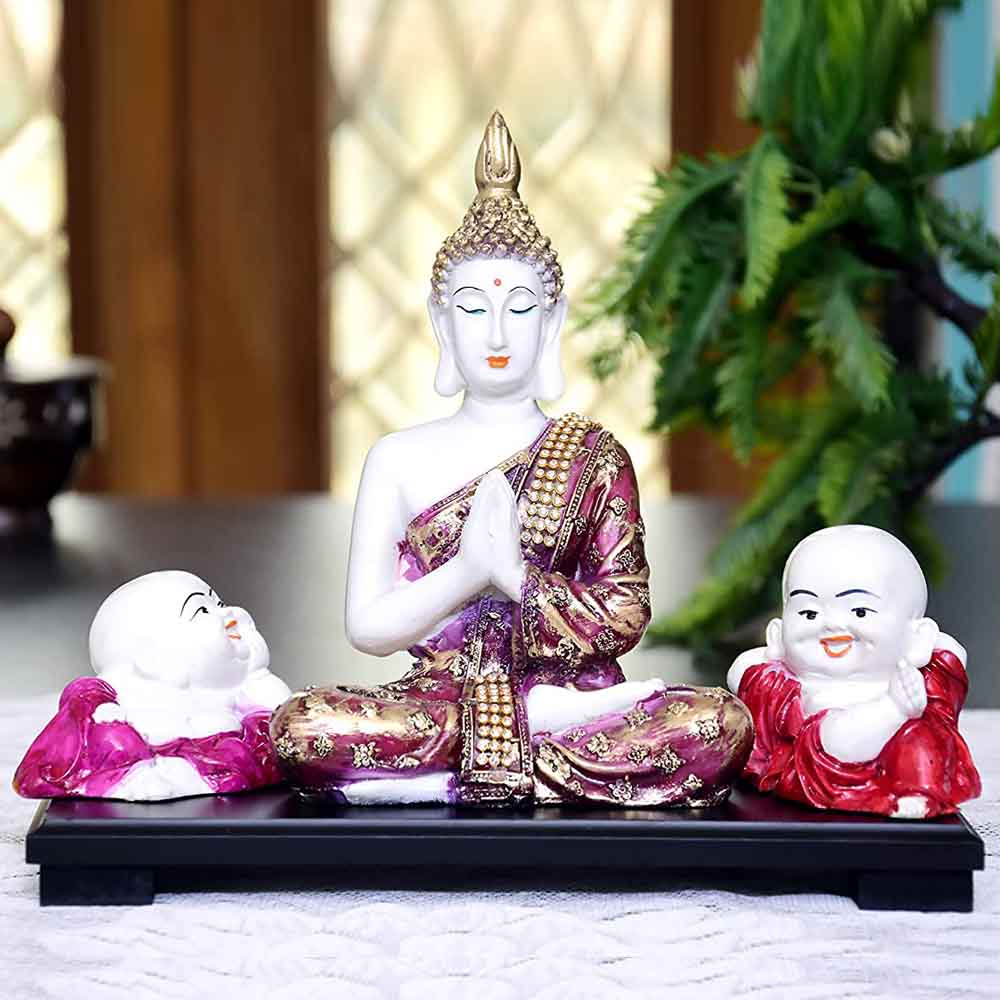
Let's have a gentle heart-to-heart about cultural sensitivity, friend. Displaying Buddha respectfully isn't just about following traditional rules—it's about honoring the deep spiritual and cultural significance these images hold for millions of people worldwide. Buddha isn't just décor—in the same way your grandma's antique brooch isn't just jewelry. Avoid placing Buddha in trivializing contexts (Buddha soap dishes, Buddha toilet brush holders—yes, these exist, and no, just no). If you're not Buddhist but appreciate Buddha's teachings or aesthetic, that's wonderful! Just be ready to learn a little about the traditions you're borrowing from. When your Buddhist friend visits, you'll want to explain your Buddha display with "I find his teachings on mindfulness inspiring" rather than "He matched my couch and I needed something for that empty corner!" A Garden Buddha with spiritual elegance for cultural harmony is both mindful and meaningful.
.jpg)
Buddha should be placed in a respectful, elevated position—never on the floor or in areas associated with impurity like bathrooms or directly in kitchens. Ideally, place Buddha at eye level or above, in the eastern part of your home if possible, and facing into the room rather than toward windows or doors. Clean, peaceful areas like living rooms, meditation spaces, or bedrooms (not facing the bed directly) work well. The most important factors are respect and mindful placement.
Absolutely! The Laughing Buddha (Budai or Hotei) is considered one of the most auspicious gifts you can give someone. In many Asian cultures, gifting a Laughing Buddha symbolizes wishing prosperity, joy, and good fortune upon the recipient. It's especially appropriate for housewarming gifts, new business ventures, or during times when someone needs a little extra happiness and luck. Just remember to give it with positive intentions and maybe include a small note about placing it in their wealth corner for maximum prosperity vibes!
When placing Buddha in your garden or outdoor space, choose a slightly elevated position like a pedestal or raised area that keeps the statue above ground level. Semi-secluded spots under trees or surrounded by plants create a sanctuary-like feeling rather than putting Buddha on display. Buddha generally should face your house as if protecting your home, rather than facing outward toward the street. Ensure the spot is respectful—not where people might step over Buddha or where it might be subjected to disrespectful activities.
Buddha paintings follow similar principles to statues but with the flexibility of wall placement. Hang Buddha art at eye level or slightly higher—never near the floor. Good locations include meditation spaces, above furniture where you sit and relax, in living rooms, or in reading nooks. Avoid placing Buddha art in bathrooms or directly facing beds. Many people create special wall spaces with simple flowers or a small shelf beneath the painting to create a mini altar effect, adding to the respectful display.
In your garden, Buddha should occupy a thoughtful, somewhat private space rather than being prominently displayed like garden gnomes. Consider creating a dedicated meditation corner with your Buddha as the centerpiece, perhaps under a tree or surrounded by peaceful plants like bamboo or jasmine. Elevate your garden Buddha on a pedestal, stone, or special base to keep it off the ground directly. Eastern-facing positions are traditionally favorable, and the Buddha should ideally face your home or seating area rather than facing outward or toward neighbor's properties. Add elements like smooth stones, a small water feature, or gentle landscaping lighting to enhance the tranquil atmosphere around your garden Buddha.


