
Cart
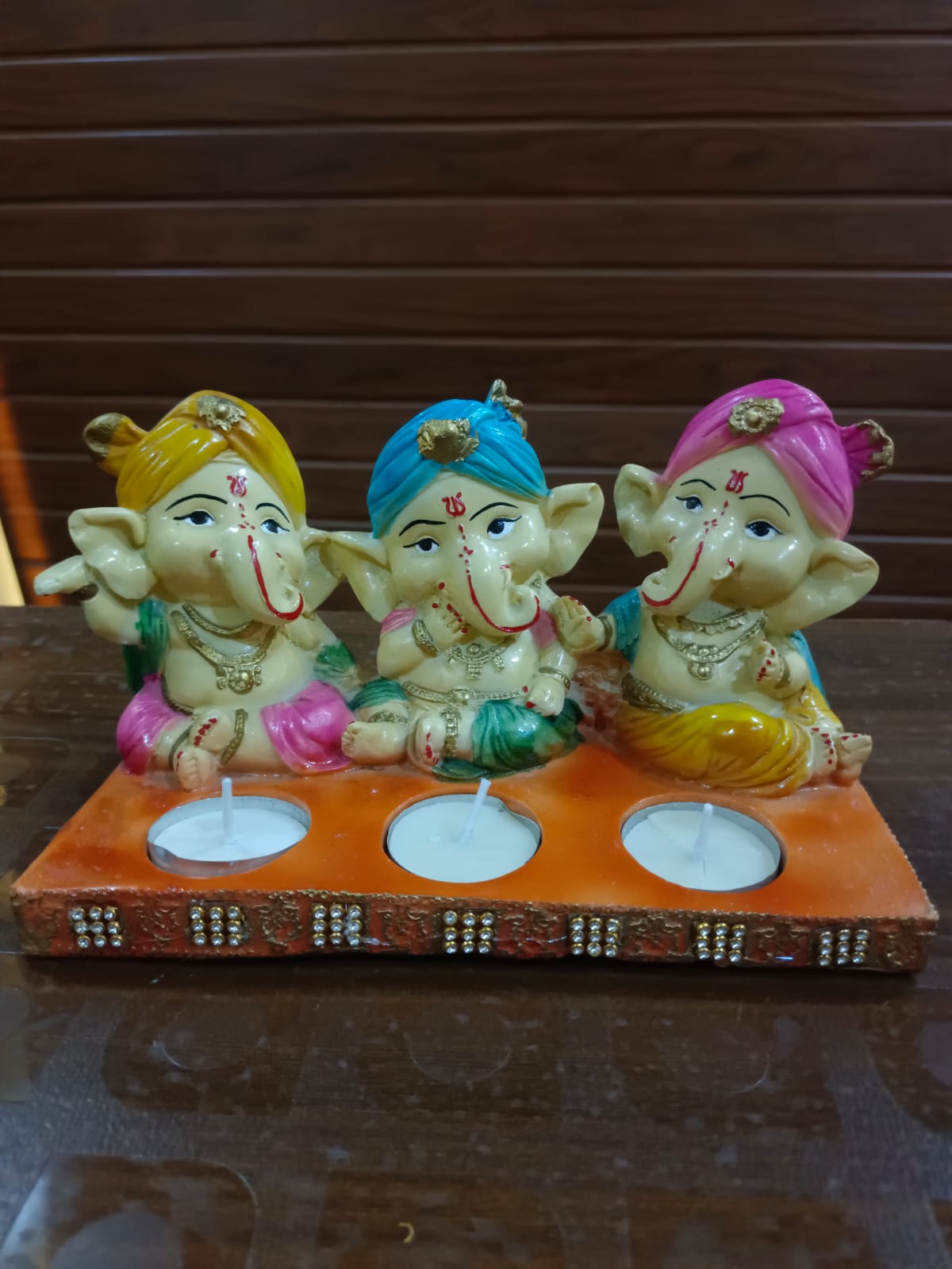
Are you staring at your pooja room wondering if the gods are secretly judging your interior design skills? Trust me, we've all been there! Your sacred space deserves more than just a random shelf with a few dusty idols and that incense holder your aunt gave you in 2007. It's time to create a spiritual sanctuary that makes both you and your divine guests feel right at home. Whether you're working with a tiny apartment nook or a dedicated room, I'm about to share some divine design inspiration that'll have the gods nodding in approval and your relatives asking for your interior designer's number!
Location, location, location! It's not just for restaurants and retail—it's crucial for your pooja room too! The ideal spot should be in the northeast (Ishanya) corner of your home, which according to Vastu is where positive energy flows like your aunt's gossip at family gatherings. Can't manage the northeast? East or north-facing spots work great too! Just avoid placing your sacred space near bathrooms or directly under staircases—the gods appreciate a bit of privacy and good overhead clearance, just like the rest of us! Maximize the sanctity of the chosen space by placing pieces like the Stunning Abstract Ganesha showpiece for Pooja Room Setup, which beautifully fits even in small apartments or corner shelves.
.jpg)
Working with a shoebox-sized apartment? No worries! Your pooja space doesn't need to be massive to be magnificent. A small wall niche, a corner shelf, or even a dedicated cabinet can work wonders. The key is consistency and intention. Think of it like dating—it's not about how much space you have, but how you use it that counts! Just make sure there's enough room for you to sit comfortably without knocking over idols every time you shift positions. Nobody wants to explain to Lord Ganesha why his trunk needs superglue... again. Add grace and purpose with the Lord Ganesh idol on Wooden Tray for compact pooja room decoration that blends traditional symbolism within a modern layout.

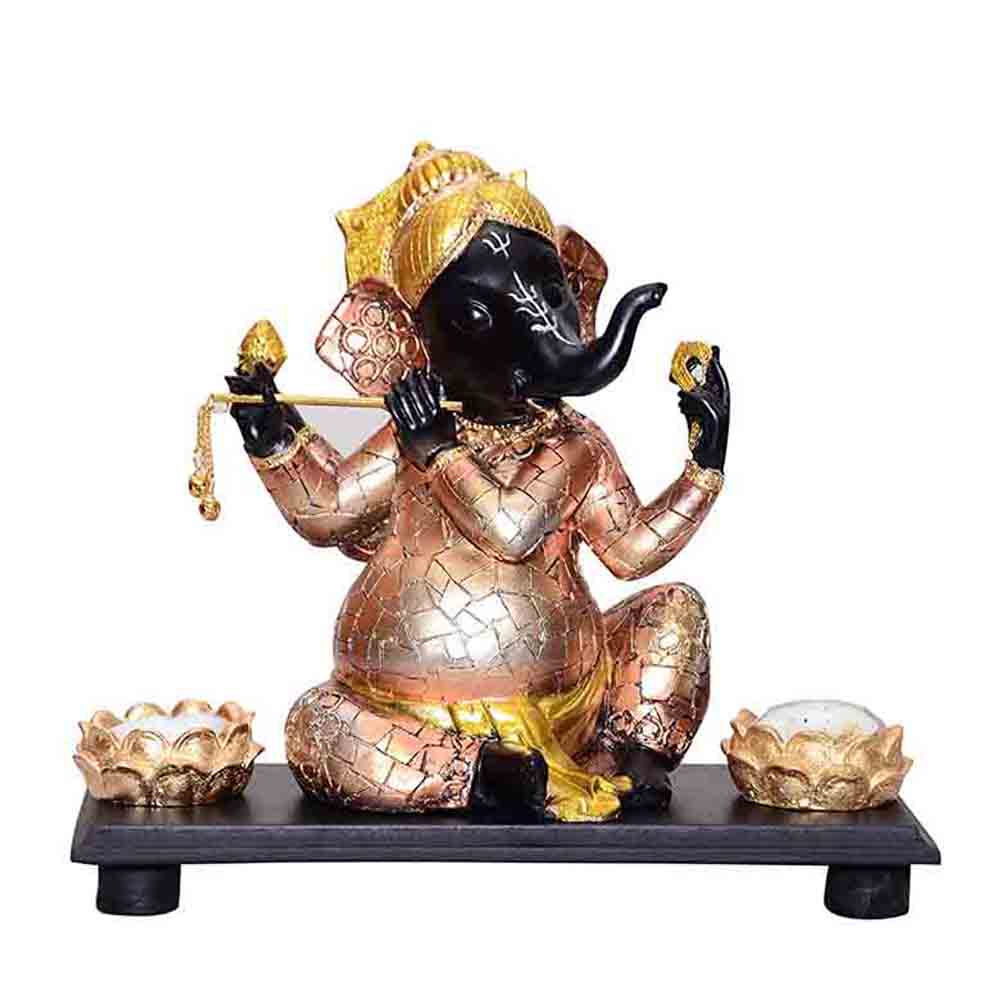
Arranging god idols is like planning a wedding reception—everyone needs the right seat to avoid divine drama! Generally, place Lord Ganesha (the ultimate obstacle-remover) front and center or to the left. Your main deity (Ishta Devata) takes the prime middle position, with Goddess Lakshmi on the right side of Lord Vishnu if you have both. Think of it as a divine hierarchy—just like how Grandma always gets the comfiest chair at family gatherings. Remember to keep a little space between idols to allow energy to flow freely, like leaving room for that one relative who always needs extra elbow space at dinner. To maintain symmetry and harmony, consider using the Decorative Bansuri Ganesha Idol for spiritual corner shelf neatness.
Colors in your pooja room are like spiritual mood lighting! Light shades like white, yellow, or light blue create a peaceful vibe that says "namaste and relax" rather than "cosmic rave party." Avoid dark or black colors—they're great for hiding coffee stains but not so much for spiritual spaces. Gold and silver accents add a touch of divine bling without going overboard. If you're feeling adventurous, soft pastels work too—think celestial sunset, not unicorn explosion. Remember, your pooja room should feel like a calming retreat, not like you're praying inside a box of crayons! Set the tone with the Matte Finish Lord Ganesha Statue for minimalist pooja décor to match this tranquil color scheme.

Lighting in your pooja room should hit that sweet spot between "mystical cave" and "interrogation room." Natural light is divine approved—windows that let in morning sunlight are perfect! For artificial lighting, ditch the harsh fluorescents (nobody looks good in those, not even the gods). Instead, opt for warm yellow bulbs, brass or silver lamps, and of course, traditional diyas or oil lamps. String lights can add a magical touch—just make sure they're not the flashing Christmas variety that might give Lord Buddha a headache during meditation. Embrace the glow with Glazed Ceramic Ganesha idol enhancing lighting ambience in pooja room.
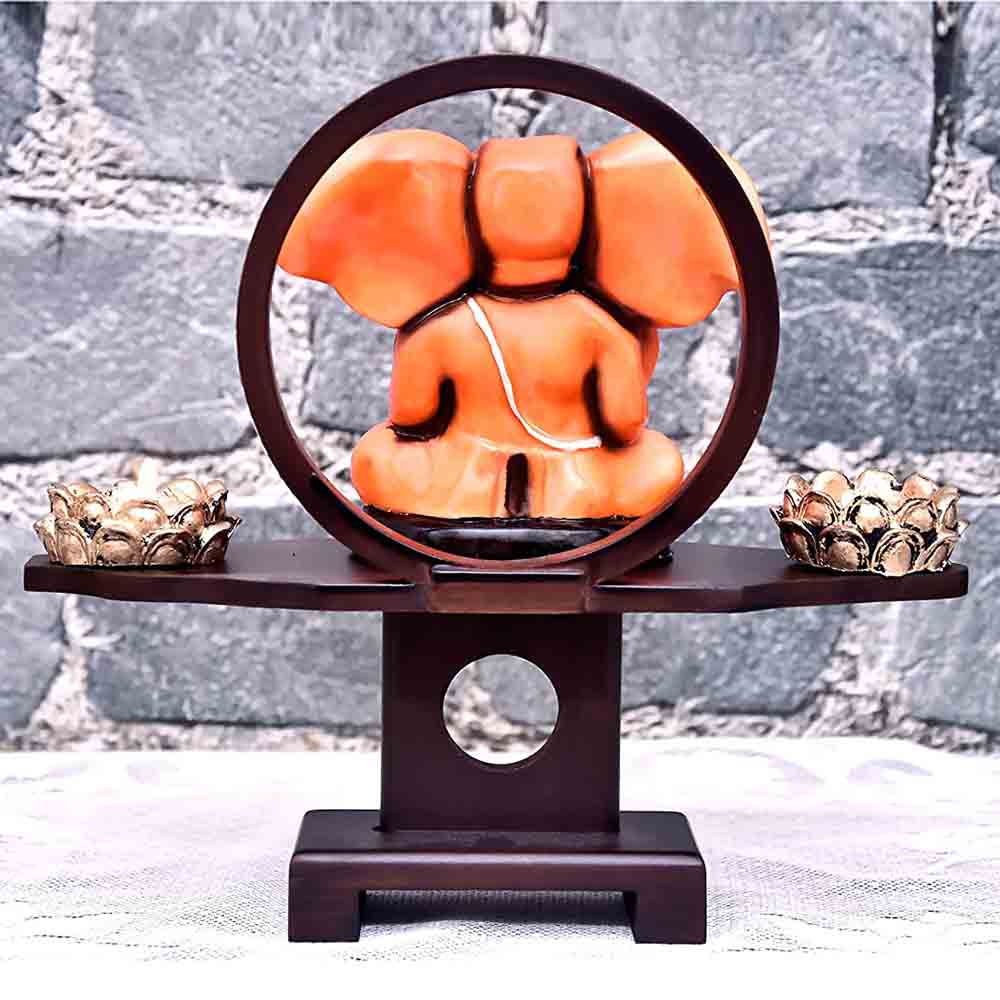
Your altar is basically the divine throne room, so choose wisely! Wooden units in light colors are traditional favorites—they're like the little black dress of pooja furniture, always in style. Marble or stone platforms exude luxury vibes if you're going for that "premium temple" feel. For apartment dwellers, wall-mounted shelves or floating units save space while still looking stylish. Whatever you choose, make sure it's sturdy—explaining to Lord Hanuman why he face-planted during your morning prayers is a conversation no one wants to have. Balance functionality and artfulness with White Dholak Ganesha idol as centerpiece on modern altar shelf.
.jpg)
When it comes to divine décor, material matters! Traditional brass, panchaloka (five-metal alloy), or silver idols are spiritual classics for good reason—they're auspicious and age beautifully, like Helen Mirren. Crystal idols bring amazing energy but require careful handling (much like your feelings). Marble statues give that premium temple vibe but might need a gym membership to move. Avoid plastic idols if possible—they're like fast fashion for your altar, neither sustainable nor spiritually significant. Whatever you choose, select idols that speak to your heart and don't clash with your spiritual style! Try the Elegant Resin Lord Ganesha Idol for pooja room durability and elegance for long-term grace and simplicity.
.jpg)
Accessorizing your pooja room is where the fun begins! Think of it as jewelry for your sacred space. Bell clusters that make gentle sounds? Divine wind chimes! Fresh flowers that make the space smell heavenly? Nature's perfume! Traditional brass lamps (samayis) add that authentic temple touch, while small kalashas (sacred pots) bring prosperity vibes. Just don't go overboard—your pooja room should feel serene, not like a spiritual souvenir shop. Remember, even the gods appreciate minimalism sometimes! For gentle color and cultural warmth, enhance with a Traditional Ganesh Murti perfect for Diwali pooja shelf decor.
.jpg)
Gods may be divine, but they still appreciate good housekeeping! Regular dusting is crucial—cosmic energy doesn't flow well through dust bunnies. Use fresh flowers, but remove them before they wilt (offering gods dying flowers is like giving someone expired chocolates—the thought was there, but eww). Clean your brass items with lemon and salt for that heavenly shine, and wash fabric decorations regularly. Think of it as spiritual spring cleaning—except you do it weekly, because divine beings are basically the ultimate VIP guests. Add charm and ease of care with a Handcrafted Tray Ganesha Idol for easy cleaning and compact placement.

Who says spirituality can't embrace technology? LED diyas are perfect for those "I forgot to buy oil again" moments. Speaker systems for playing mantras are great for when your Sanskrit pronunciation sounds more like you're ordering at a drive-thru. Motion-sensor lights can illuminate your sacred space when you enter—like having your own spiritual paparazzi! Just draw the line at installing a pooja room disco ball or putting your gods on a rotating display stand. Some traditions are better left, well, traditional. Add subtle modern flair with Contemporary Lord Ganesha statue for smart pooja room aesthetics.

Just like your wardrobe, your pooja room deserves seasonal updates! During Diwali, go all out with marigold garlands and rangoli designs. Navratri? Time for some colorful fabric drapes and special arrangements for the goddess. Think of it as spiritual seasonal décor—the gods appreciate a good theme party too! Just remember to keep the core elements consistent—constantly rearranging your divine seating chart might confuse both you and your celestial guests. Nobody wants Lord Shiva wondering why he's suddenly sitting next to the exit. Highlight the mood with a Stylized Ganesh Idol for festive pooja room arrangements.

At the end of the day, your pooja room should feel right for YOU. It should be a space where you can disconnect from "Did I reply to that email?" thoughts and connect with something deeper. Balance tradition with practicality, aesthetics with authenticity. A perfectly designed pooja room isn't about impressing others—it's about creating a space where your spirit feels at home. So whether your style is minimalist modern or traditional temple, design a space that makes both your heart and your household deities happy. After all, spiritual connection looks different for everyone—except for that cousin who "connects with the universe" only when he needs money! Consider the Metallic Ganesha Showpiece for Divine Harmony and subtle reflection to complete your spiritual haven.
.jpg)
Place Lord Ganesha (the obstacle-remover) at the entrance or left side of your altar. Your main deity goes in the center, with complementary deities arranged harmoniously around them. Keep Shiva-Parvati together, and Lakshmi on Vishnu's right. Avoid overcrowding—deities need their personal space too! Arrange them at different heights for visual interest, using small platforms if needed. Think of it as a divine family photo—everyone should be visible and comfortable in their position!
Start with clean, light-colored walls and good lighting—natural light is best! Add brass lamps, fresh flowers, and a small water fountain for positive energy. Invest in quality fabrics for cushions or altar cloths in colors like yellow, white, or red. Hang beautiful wall art with spiritual themes or mandalas. Consider scented elements like sandalwood or fresh jasmine. Remember, less is often more—a few thoughtful, quality elements create more beauty than a cluttered space filled with random spiritual knick-knacks!
Overcrowding is the number one sin—stuffing too many idols into a tiny space blocks energy flow. Placing incompatible deities together (like putting warrior gods next to peaceful ones) creates conflicting vibrations. Poor maintenance—dusty or dirty spaces are spiritual no-nos. Keeping broken or chipped idols is considered inauspicious. Having mirrors facing the deities can deflect positive energy. And that random souvenir temple bell from your Bali vacation? Probably not appropriate unless it has actual spiritual significance to you!
Your Ishta Devata (personal deity) should take center stage. Lord Ganesha is a must-have for removing obstacles. Goddess Lakshmi brings prosperity, while Saraswati governs knowledge. Lord Vishnu, Shiva, Krishna, Hanuman, and Durga are all auspicious choices. Choose deities that resonate with your spiritual path and family traditions. It's better to have fewer idols with deeper connection than a complete pantheon you can't properly worship. Quality over quantity—just like your Netflix watchlist!
Avoid keeping fierce forms of deities like Mahakali or Bhairava in home settings unless you have specific spiritual practices. Skip damaged, chipped, or broken idols—these are considered inauspicious. Don't display deity idols made of plastic if possible. Tantric deities should only be kept if you're following those specific practices under guidance. And contrary to popular belief, keeping multiple forms of the same deity (like three different Ganesha idols) can sometimes disperse rather than focus energy. Choose mindfully!
Deities should generally face the east or west—east brings prosperity while west represents stability. You should face east or north while praying, so arrange your altar accordingly. The gods should never face south, as south is associated with the god of death (Yama). Avoid having deities face the bathroom or kitchen. Think of it as divine feng shui—even the gods appreciate a good view and proper directional energy! Make sure there's nothing inappropriate in their line of sight, like a TV playing reality shows!


