
Cart
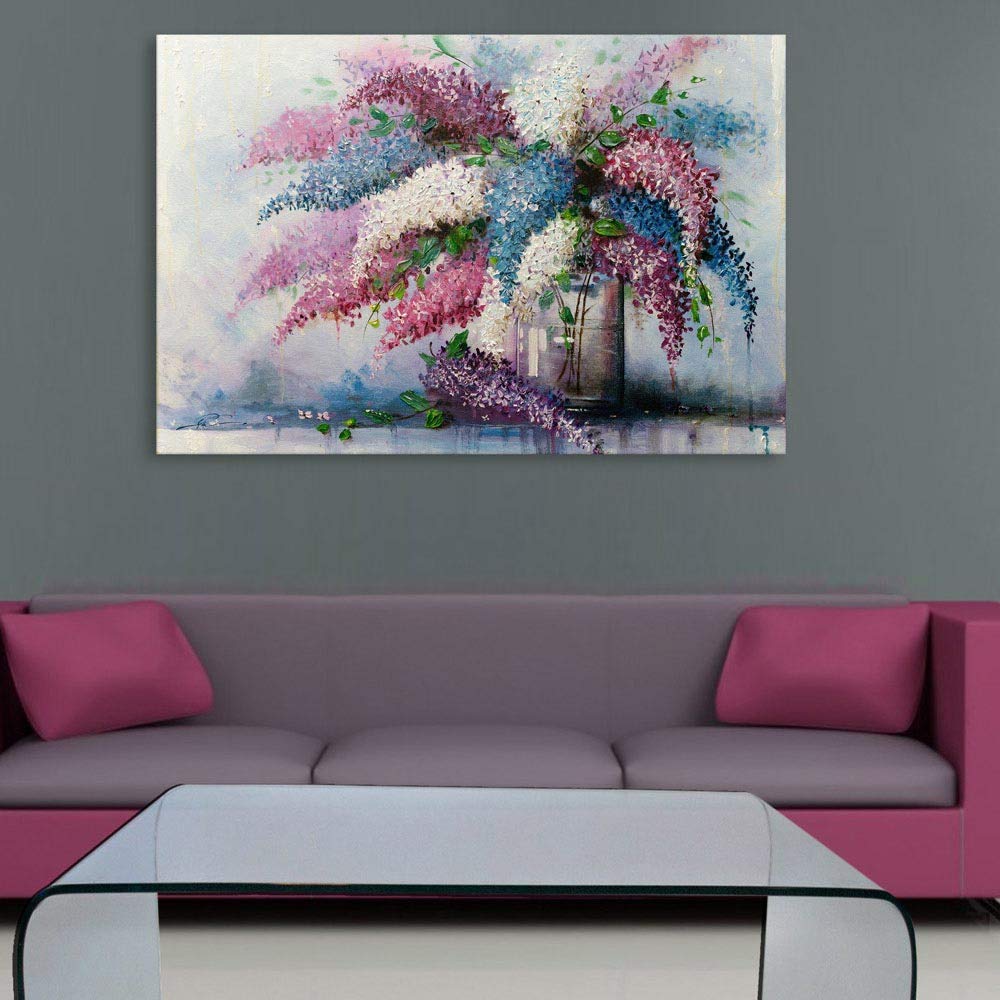
Living in a joint family is like having your own personal sitcom cast - complete with colorful characters, unexpected plot twists, and the occasional fight over who left the empty milk carton in the fridge. But unlike a TV show, you can't just switch channels when you need some alone time! Finding privacy in a shared home can feel like searching for silence at a toddler's birthday party - nearly impossible, but absolutely necessary for your sanity. And sometimes the key to creating those private spots lies in smart design elements like a Stunning Tall Showpiece for Corner placements to carve private space in a joint family, giving you both aesthetic appeal and subtle space demarcation.

Let's face it - even when we love our family more than chocolate cake (and that's saying something!), we all need our personal space. It's not about being antisocial; it's about maintaining your identity in a house where everyone knows when you last brushed your teeth! Creating pockets of privacy isn't selfish – it's self-preservation. Think of it as putting on your own oxygen mask before helping others – except instead of oxygen, it's the ability to watch your guilty pleasure TV shows without commentary from your judgmental cousin. Adding Small decorative showpieces for joint family shelf zones where you can claim quiet corners can subtly signal areas of alone time amid shared chaos.

Remember those flimsy folding screens from your dorm days? Well, they've graduated with honors! Today's room dividers come in stylish designs that would make your interior designer aunt proud. Try a bookshelf divider that works double-duty – storage on one side and privacy on the other. Or go for beautiful fabric panels that add color while creating boundaries. Just be warned: the moment you install one, every family member will suddenly want "just a quick peek" at your new private nook! To make your section truly yours, decorate your side with a Modern Resin Abstract Showpiece used to divide yet harmonize cozy spaces so it looks finished and intentional.

Sometimes physical barriers aren't possible (or would cause too many dramatic "why are you shutting us out?" conversations). Enter the humble headphone! Designate a comfy corner with a chair, good lighting, and declare it the official "headphone zone." When someone's in the spot with headphones on, it's the universal signal for "I love you all, but please pretend I'm invisible for the next 30 minutes." Bonus: invest in those light-up "on air" signs like radio stations use – hilariously effective for signaling "do not disturb" time! A great way to anchor this corner visually is with a Decorative Artistic Wall Hanging to define a headphone zone in shared settings so the rest of the household knows this space has purpose.

Curtains aren't just for windows anymore, folks! Strategic fabric installations can transform open spaces into semi-private retreats faster than you can say "I need five minutes alone!" Ceiling-mounted curtain tracks allow you to section off sleeping areas in shared bedrooms or create a reading nook in the living room corner. Choose fabrics that complement your décor but are heavy enough to provide actual privacy (those sheer curtains might look pretty, but they won't hide your face mask and bunny slippers from prying eyes). Accent these cozy curtain sections with a Charming Medium Ceramic Vase for reading nooks in joint family setups to keep the area personal and anchored.
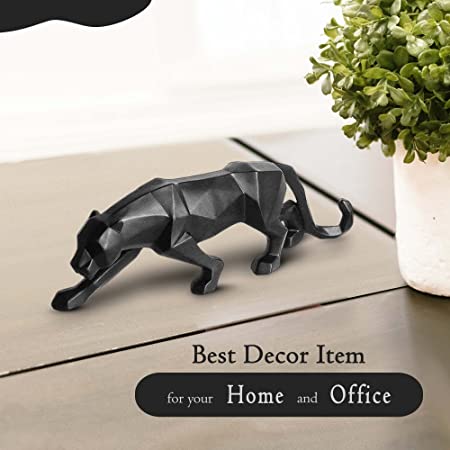
Sometimes the best privacy isn't about physical space—it's about time! Create a family schedule that gives everyone their moments of household dominance. Maybe Tuesday evenings are when you get the living room for your meditation practice, while Sunday mornings belong to Grandpa's newspaper-and-coffee ritual. It sounds formal, but it works wonders for preventing the "I was going to use that space!" arguments that can make joint family living feel like a competitive sport. Using visual cues like a Modern Artistic Showpiece for Time-Zoned Living in Joint Family Houses on your space’s table or shelf helps others associate that time slot with you.
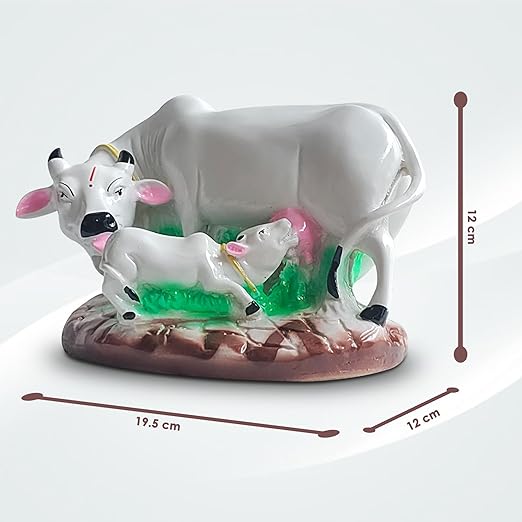
When space is limited but privacy needs are not, multi-functional furniture becomes your secret weapon! Beds with built-in storage, desks that fold into walls, and sofas that transform into private sleeping quarters are the Swiss Army knives of joint family living. Look for pieces with hidden compartments too – because in a joint family, sometimes the only truly private space is that secret drawer where you hide your emergency chocolate stash! Pair your furniture with a Bold Abstract Decorative Accessory for transformable joint family corners that reflects both design and personal identity.

Here's a trick interior designers love: use color to create psychological boundaries! Different color schemes can visually separate spaces even in open floor plans. The blue corner becomes "Mom's reading nook" while the green section is "Dad's paperwork zone." It sounds simple, but our brains actually respect these visual cues. Just be prepared for the inevitable family debate about who gets which color – apparently, everyone suddenly has a favorite when personal territory is involved! Add a Bright Colorful Resin Statue used for color-coded areas in joint spaces to reinforce these invisible visual borders.

Plants don't just purify your air – they're also excellent for creating soft boundaries! Strategic placement of tall indoor plants like bamboo, fiddle leaf figs, or shelves of cascading pothos can create natural-feeling dividers between spaces. The best part? No one can accuse you of being antisocial when you're actually improving the home environment! Just be prepared to referee the inevitable "who forgot to water the privacy plants?" disputes. Enhance the vibe with a Ceramic Leaf Vase for privacy plant setups in small shared apartments that blends utility with charm.

In joint family homes, technology can either enhance privacy or destroy it completely! Create designated tech zones where video calls, TV watching, and gaming can happen without disturbing others. Then balance this with tech-free sanctuaries where family members can retreat from the constant noise of other people's devices. Nothing says "I need privacy" quite like a corner with a strict "no phones, tablets, or gadgets that make annoying noises" policy! Add calming elements like a Minimal Showpiece for defining tech-free corners in busy homes to elevate those zones into digital detox havens.
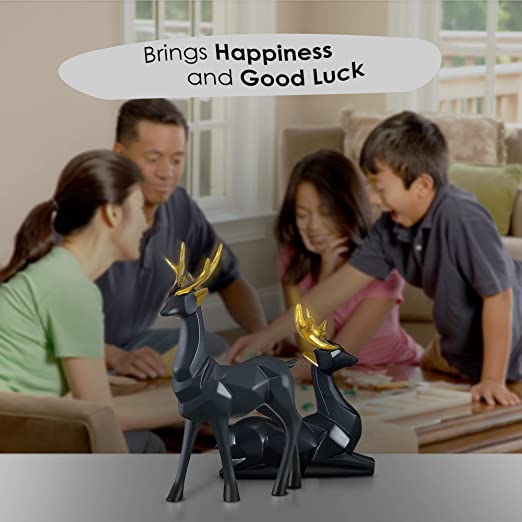
Let's talk about something unsexy but absolutely essential: storage! Personal storage isn't just about having somewhere to put your stuff – it's about maintaining boundaries. Individual cabinets, labeled bins, and personal shelves prevent the "who moved my things?!" arguments that can make joint family living feel invasive. Plus, there's something psychologically reassuring about having a place that's definitively yours, even if it's just a drawer or cabinet. You can subtly mark your area with a Decorative Corner Showpiece as a privacy-enhancing shelf marker in joint family homes for both style and function.

Privacy isn't just visual – it's auditory too! Strategic rugs, wall tapestries, and acoustic panels can reduce sound travel between spaces (and reduce the chances of everyone hearing that embarrassing phone conversation with your doctor). Consider white noise machines in bedrooms and quiet zones. And for the family members who snore like freight trains or practice trumpet at dawn? Gentle suggestions about soundproofing their particular areas aren't just polite – they're essential for family harmony! You can soften sound visually too with creative additions like a Wall Mounted Resin Decor Item for echo control in shared family rooms.

The most successful joint family homes embrace flexibility! Modular furniture, movable partitions, and zones that can transform from private to communal spaces as needed allow the home to evolve with changing family dynamics. Remember that baby nephew who just needed a corner crib? Well, he's a teenager now and suddenly needs an entire zone for his "extremely important" gaming setup. Flexible spaces mean you can accommodate life's changes without major renovations or family feuds!
Sometimes the best design solution isn't physical at all – it's conversational! Establish clear family agreements about privacy needs and respecting personal space. Create signals (like a simple door hanger or ribbon on a doorknob) that indicate when someone needs quiet time. The family that communicates clearly spends less time resenting each other and more time enjoying their shared home. Plus, those communication skills might come in handy when negotiating who gets the bathroom first in the morning rush!
The secret to joint family living isn't creating isolated bubbles – it's finding the right balance between togetherness and separation. Design spaces that encourage quality family time (like comfortable dining areas with enough seating for everyone) while still protecting everyone's need for occasional solitude. Remember: a family that respects each other's privacy paradoxically ends up spending more quality time together – because no one's desperately trying to escape!
Open-concept layouts with strategic semi-private zones work wonders for joint families. Look for homes with a central gathering space (kitchen/dining/living) surrounded by more private areas. L-shaped or U-shaped floor plans create natural divisions while maintaining connection. The ideal layout includes multiple "corners" that can be claimed as personal spaces without completely disconnecting from family life. Remember, the perfect family home allows for both impromptu dance parties AND quiet reading time!
A 2 duplex house is basically the best of both worlds for joint families who sometimes need a little more separation! It's a single building divided into two separate living units, each with its own entrance, kitchen, and bathrooms, but sharing things like walls, utilities, and often outdoor spaces. Think of it as the "we love each other but not 24/7" solution. Perfect for multi-generational families who want proximity without constantly tripping over each other's shoes in the hallway!
A 30x40 house (about 1200 square feet) can absolutely work for a joint family, but it'll require some creative space planning! This size is comparable to a generous apartment and can comfortably house a small joint family with thoughtful layout and multi-purpose spaces. The key is vertical thinking (bunk beds, wall storage, loft spaces) and clear boundaries. It's cozy without being cramped—if everyone understands that "personal space" might sometimes mean "that corner with the good reading lamp" rather than "your own wing of the mansion."
In a standard 30x40 (1200 sq ft) house, you can typically fit 2-3 conventional bedrooms plus living spaces. However, with creative joint family planning, you could configure 4 smaller bedrooms or sleeping areas by utilizing space-saving solutions like murphy beds, sleeping lofts, or convertible spaces. Remember, bedrooms don't need to be huge—they just need to provide that precious commodity: a door that closes! Just be prepared for some creative furniture arranging that would make a Tetris champion proud.
The best size for a joint family home isn't about square footage—it's about square footage per person! A good rule of thumb is 200-400 square feet per family member, depending on lifestyle and privacy needs. So a family of 8 might need 1600-3200 square feet to maintain sanity. However, clever design can stretch smaller spaces, while poor layout can make large homes feel cramped. The perfect size balances togetherness with enough room to occasionally pretend you're home alone watching reality TV shows no one knows you secretly love!


