
Cart
Let's be honest—if Jay Gatsby walked into your living room right now, would he be impressed or reaching for his car keys? If you're dreaming of bold geometric patterns, luxurious vibes, and a space that practically begs for someone to mix a martini, then Art Deco might just be your design soulmate. This iconic style from the Roaring Twenties isn't just making a comeback—it never really left the building! Ready to jazz up your living space with some serious Great Gatsby energy? Let's dive into the dazzling world of Art Deco living rooms!
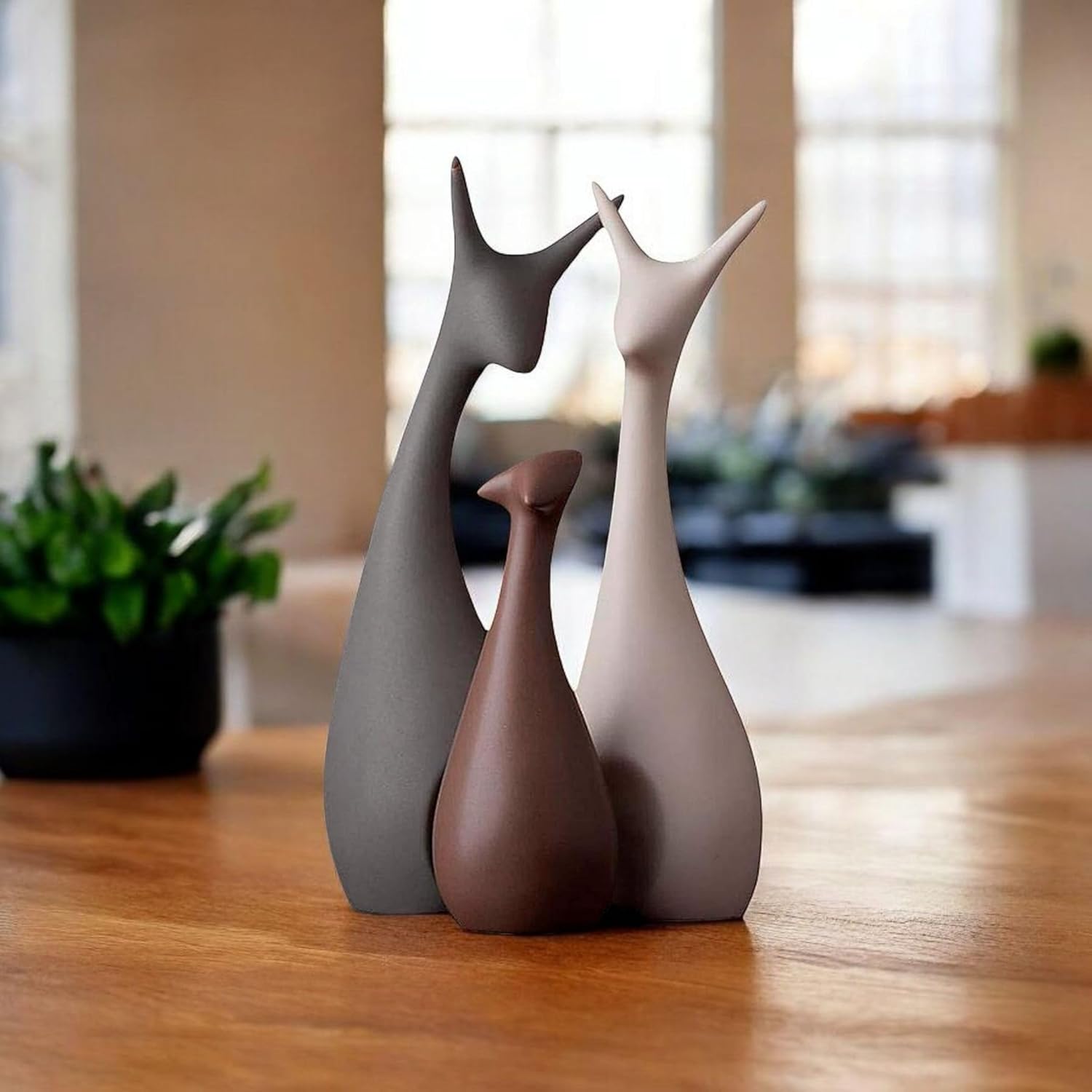
Art Deco burst onto the scene in the 1920s like that friend who always knows how to make an entrance. Born in Paris and quickly spreading worldwide, this style was all about celebrating modernity, technology, and—let's be real—showing off a little bit. Think bold symmetrical patterns, luxurious materials, and a "more is more" attitude that would make minimalists break out in hives. Today, Art Deco brings that perfect blend of vintage glamour and timeless sophistication that makes your living room look like you inherited money from a mysterious relative (even if your bank account tells a different story). You can elevate this look further with a Statement tall showpiece for Art Deco luxury living room setting, strategically placed in a corner to instantly command attention.
If there's one thing Art Deco loves more than jazz music, it's geometric patterns. Zigzags, sunbursts, chevrons, and stepped forms are the MVPs of this style. Want to dip your toe in the Art Deco waters? Start with a bold geometric rug that looks like it could double as a mathematical equation. Or try wallpaper with repeating fan patterns that'll make your guests dizzy (in the best way possible). Remember: in the world of Art Deco, straight lines and perfect symmetry aren't just appreciated—they're practically worshipped. Your high school geometry teacher would be so proud! Complement this with a trio of Geometric abstract showpieces for Art Deco shelf styling to balance pattern with sculptural elegance.

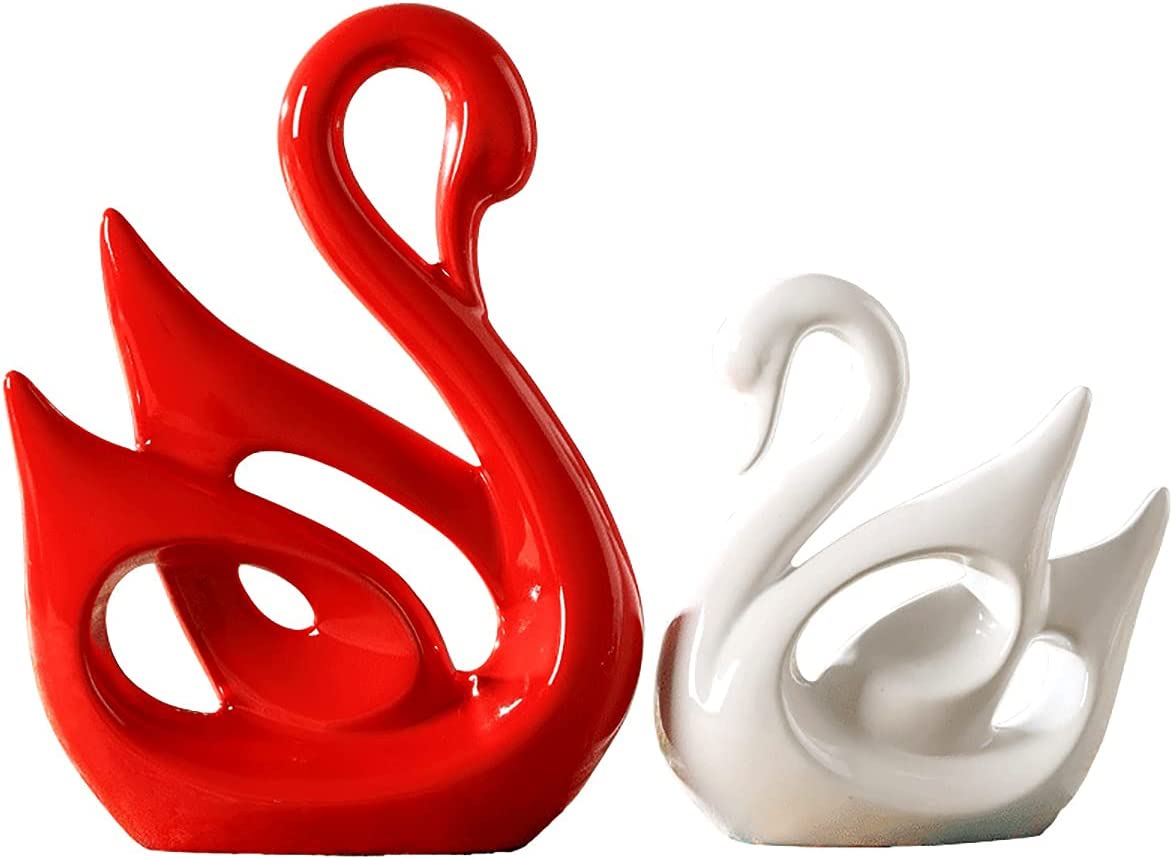
Forget fifty shades of beige—Art Deco colors came to party! While you might think of black and gold as the signature palette (and you wouldn't be wrong), authentic Art Deco embraces rich jewel tones that would make a peacock jealous. Think emerald green, sapphire blue, ruby red, and amethyst purple, often contrasted with metallics that sparkle like your personality after two glasses of champagne. Not ready to paint your entire living room in peacock blue? Start with accent pieces in these bold hues. Your taupe throw pillows can thank me later for the excitement in their lives. Try a pop of brilliance with Colorful ceramic vases for vibrant Art Deco accent styling that infuse life and luxe charm.
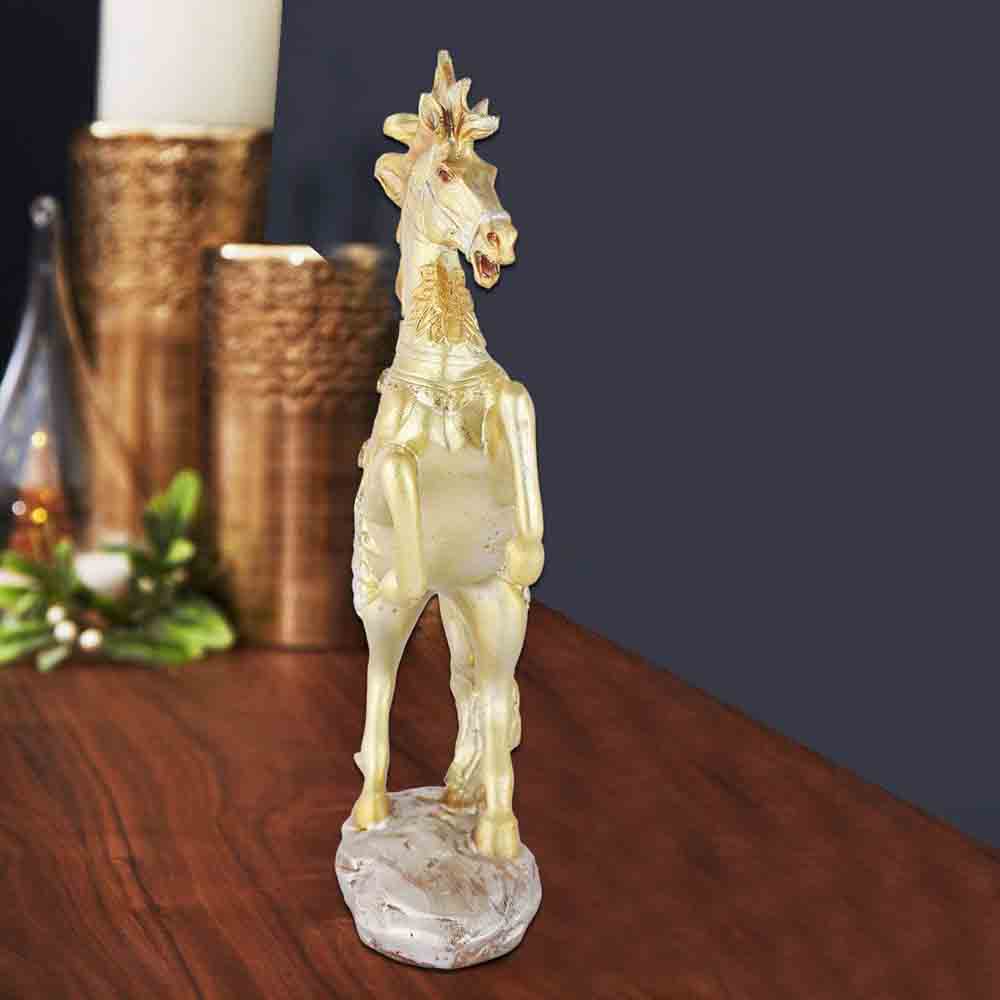
Art Deco never met a luxurious material it didn't like. Velvet, silk, exotic woods, marble, mirror, and enough metal to make a robot jealous—these are the textures that give Art Deco its sophisticated edge. A velvet sofa in emerald green or sapphire blue? Yes, please! Marble coffee table with gold accents? Obviously! Mirrored accent pieces that make your space look twice as big (and twice as fancy)? Now you're speaking Deco! Remember, this style was born during Prohibition—when people were literally hiding their booze in fancy furniture—so a stylish bar cart isn't just decorative, it's historically accurate! Add Modern resin statues with matte finish for luxe Art Deco vibe to achieve that perfect textured contrast.
In Art Deco design, lighting isn't just functional—it's jewelry for your room. Look for fixtures with frosted glass, geometric shapes, and metallic finishes that make Edison himself wish he'd been more creative. Wall sconces that resemble sun rays, chandeliers with angular forms, and table lamps with stepped bases will illuminate your space with vintage glamour. Pro tip: warm lighting makes everyone look better in photos, and Art Deco is all about looking your absolute best. Your selfie game just leveled up! Mix in Artistic wall hanging pieces for dramatic Art Deco lighting contrast alongside your lighting to accentuate corners and add artistic flair.
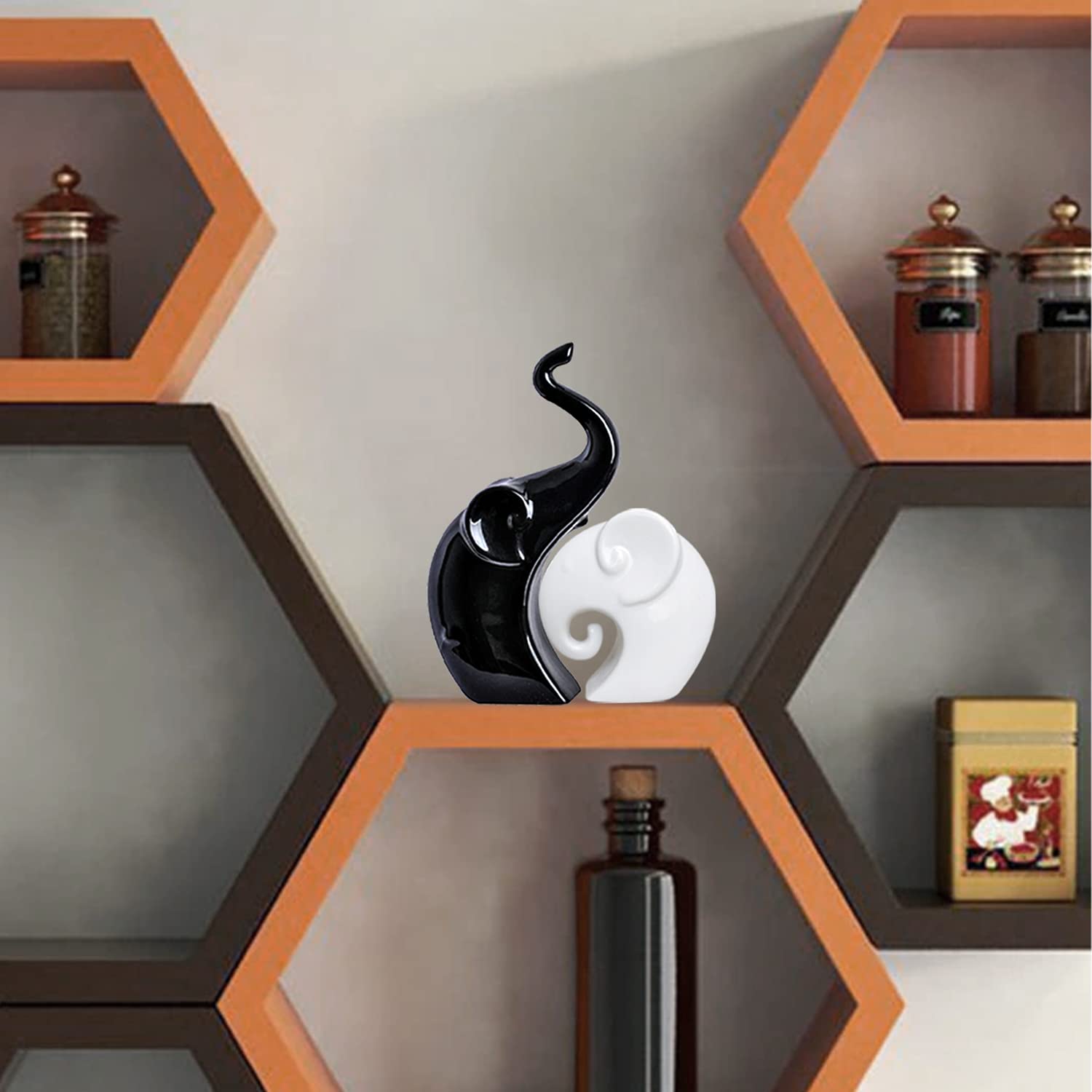
Art Deco furniture doesn't just sit there—it makes a statement. Look for pieces with sleek lines, curved fronts, mirrored accents, and exotic wood veneers. Club chairs with curved arms, sofas with rolled edges, and cabinets with sunrise motifs are all quintessentially Deco. And yes, everything should look slightly uncomfortable but impossibly chic—like high heels for your living room. The good news? Modern Art Deco-inspired pieces are actually designed for comfort, so you can lounge like a 1920s movie star without the backache. Accentuate these with Elegant medium-sized showpieces for stylish Art Deco furniture highlights to complete the statement.
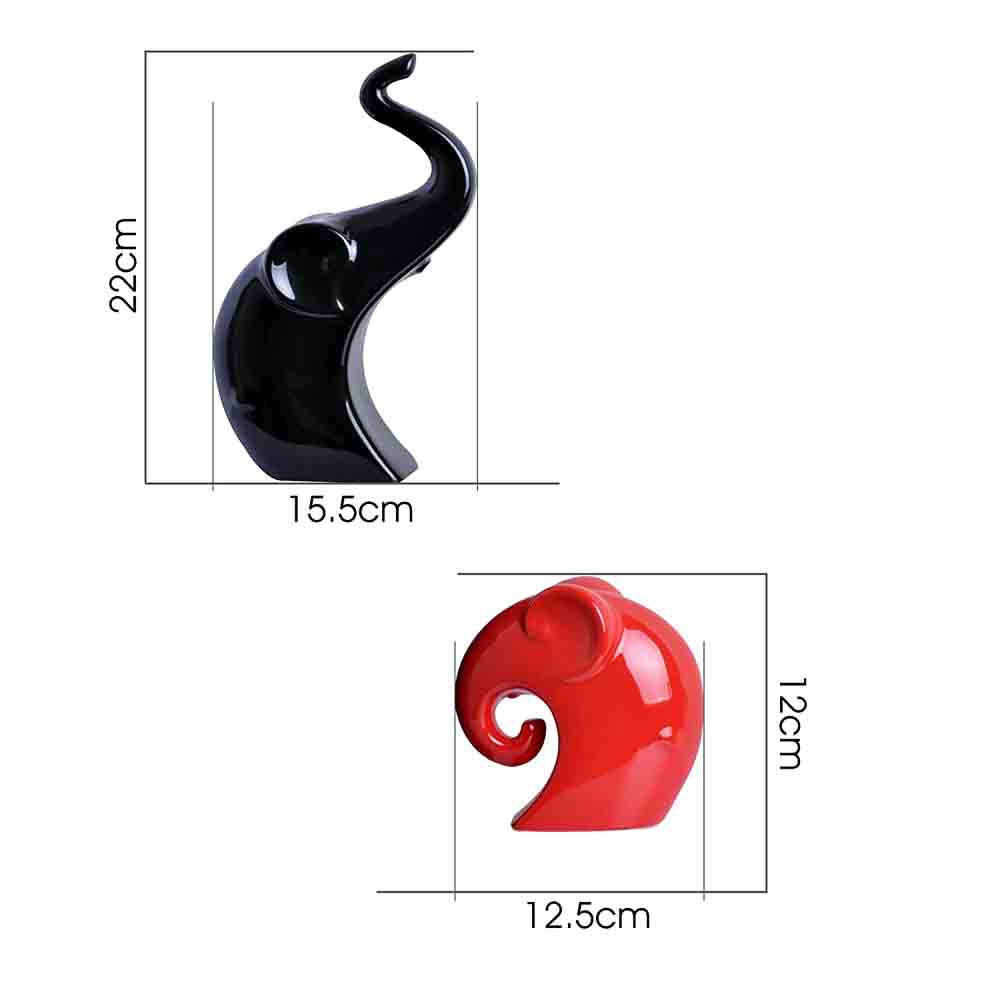
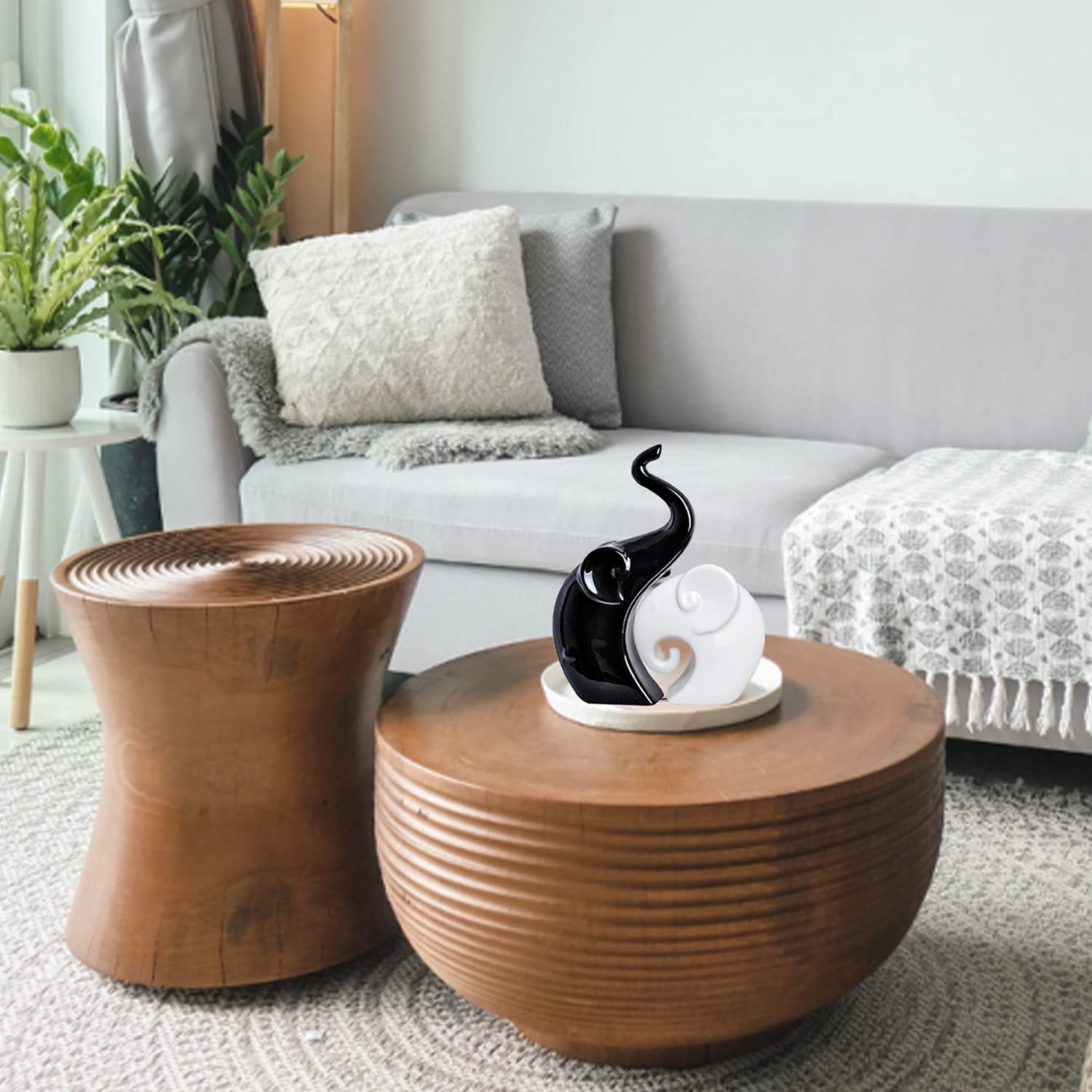
Art Deco loves the number three almost as much as it loves gold accents. The Rule of Three in Art Deco means incorporating symmetry, geometric shapes, and luxurious materials—the holy trinity of this design style. But it also refers to grouping decorative items in threes, which is weirdly more visually appealing than even numbers. Three candlesticks of different heights? Perfect. Three abstract geometric sculptures on your mantel? Chef's kiss. Two of anything? Absolutely not. That's just chaos, darling. Use the Trio of mini ceramic showpieces for impactful Art Deco styling to elegantly embrace this rule.
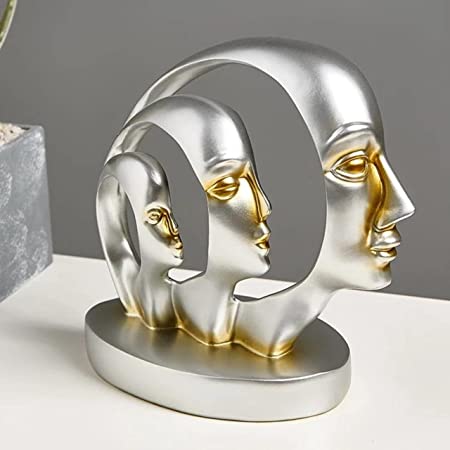
While we're talking numbers, let's decode the mysterious 3-5-7 rule that interior designers keep in their secret handbook. This rule suggests using odd numbers (specifically 3, 5, or 7) when arranging décor items, artworks, or furniture groupings. Why? Odd numbers create visual interest and asymmetry that keeps your eye moving around the room. For Art Deco specifically, try arranging 3 geometric vases on a shelf, hanging 5 framed vintage posters in a gallery wall, or placing 7 metallic objects on your coffee table. Your space will instantly look more curated than that friend who claims they "just threw this together." Add to your arrangement with the Sculpted decorative vases for applying 3-5-7 rule in Art Deco spaces to create a harmonious rhythm.

Art Deco wall art doesn't whisper—it announces itself with the confidence of someone who definitely wasn't raised in the Midwest. Look for bold prints featuring stylized figures, abstract geometric compositions, and those famous sunburst patterns. Vintage travel posters, particularly ones advertising exotic destinations like Monaco or the Orient Express, are perfect for that "yes, I do have a yacht, why do you ask?" vibe. Frame them in high-gloss black or metallic frames for maximum impact. Your walls have never looked so worldly! Complete the aesthetic with Abstract Art Deco wall pieces to magnify visual story in living rooms.

If Art Deco had a dating profile, "loves mirrors" would definitely be in the bio. Mirrored surfaces were all the rage in the 1920s and 30s, adding glamour and the illusion of space (perfect for those of us not living in actual mansions). A sunburst mirror is practically the unofficial mascot of Art Deco design, but don't stop there! Consider mirrored furniture pieces, glass tabletops with mirrored accents, or even a full mirrored wall if you're feeling particularly brave. Just be prepared for an increase in "outfit check" photos from every guest who visits. For an extra shimmer, try pairing these pieces with Mirrored resin decor for glam-infused Art Deco wall display.

Not ready to commit to a fully-fledged Art Deco renovation? No problem! Start small with accessories that pack a Deco punch: bookends shaped like gazelles or panthers (animal sculptures were huge in Art Deco), geometric throw pillows that look like they belong in a museum, or a tray with inlaid designs perfect for serving those Prohibition-era cocktails you've been practicing. Even swapping out plain lamp shades for ones with geometric patterns can inject some Deco drama without requiring a second mortgage. Go for Small artistic sculptures for budget-friendly Art Deco home décor that still scream sophistication.
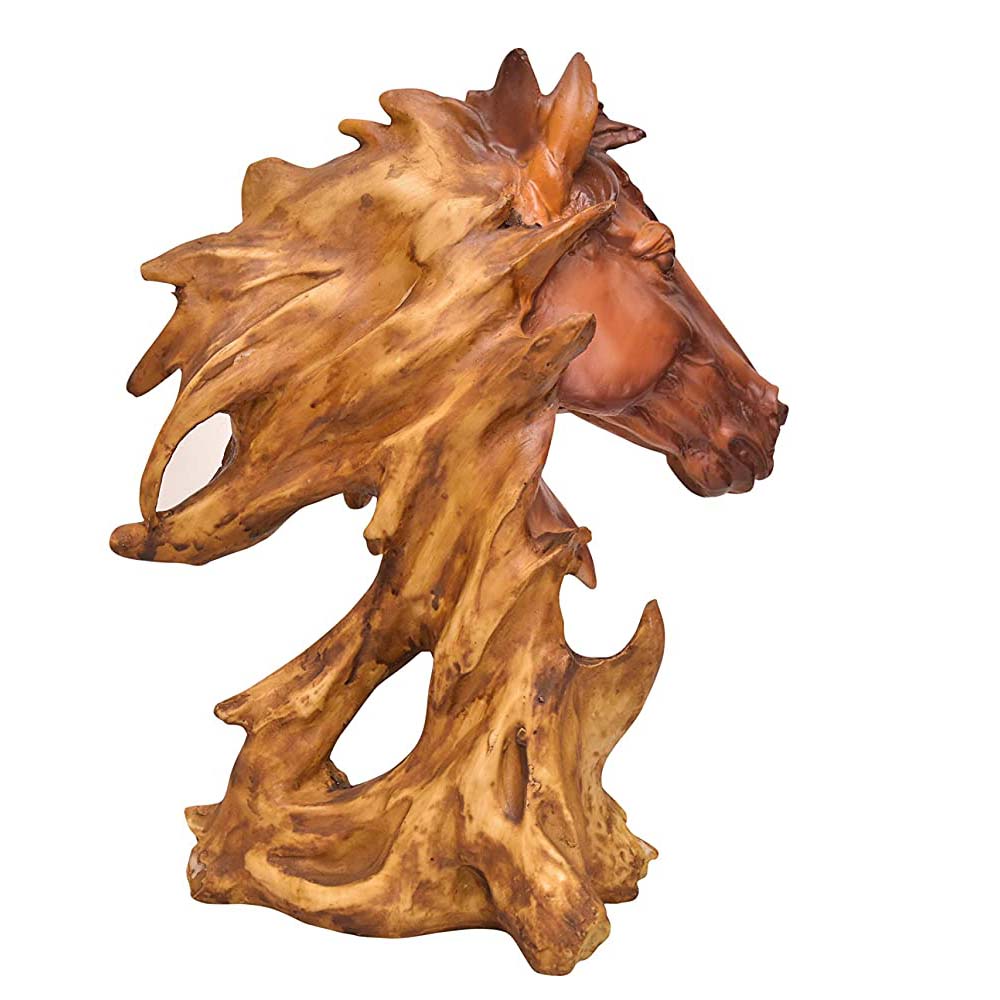
The beauty of bringing Art Deco into 2023 is that you can cherry-pick the elements you love without committing to a museum-quality recreation. Mix your Deco pieces with modern elements for a space that feels curated rather than costume-y. A contemporary sofa with Art Deco-inspired pillows, or a vintage bar cart nestled next to your very modern smart speaker—these juxtapositions keep things fresh while still channeling that Gatsby glamour. Remember, even the most dedicated flappers eventually had to sit down and check their Instagram... or whatever the 1920s equivalent was. Incorporate Modern Art Deco decor pieces for stylish 2023 living room update that celebrate timelessness with a twist.

There you have it—everything you need to transform your living room from "just a place with a couch" to a space that practically begs for someone to break out into the Charleston. Art Deco design is all about confidence, luxury, and not being afraid to show off a little. Whether you go full Gatsby with velvet, gold, and enough geometric patterns to make your eyes cross, or just add a few Deco touches to your existing décor, this timeless style is guaranteed to elevate your living space from ordinary to extraordinary. Now, who's mixing the gin rickeys?
To decorate your home in Art Deco style, focus on bold geometric patterns, luxurious materials, and high-contrast color schemes. Start with statement furniture featuring sleek lines and curved elements, then add layers with metallic accents, mirrors, and exotic wood finishes. Incorporate symmetrical arrangements and don't shy away from dramatic lighting fixtures with frosted glass and angular shapes. For authentic Art Deco vibes, mix in animal motifs, sunburst patterns, and stepped designs. Remember, Art Deco embraces opulence, so velvet upholstery, marble surfaces, and glossy finishes will help capture that Roaring Twenties glamour.
The 3-5-7 rule in interior design suggests arranging decorative elements in odd numbers—specifically groups of three, five, or seven—to create visual interest and balance. This approach works because odd-numbered groupings create asymmetry that naturally draws the eye and feels more dynamic than even-numbered arrangements. In Art Deco specifically, this might mean displaying three graduated-height candlesticks on a mantel, arranging five framed prints in a gallery wall, or clustering seven small decorative objects on a coffee table. This simple numerical trick helps spaces feel intentionally designed rather than randomly assembled.
The rule of three in Art Deco design has multiple interpretations. Most commonly, it refers to incorporating the three fundamental elements that define the style: bold geometric patterns, luxurious materials, and symmetrical design. It also relates to the practice of grouping decorative items in threes for optimal visual appeal—three sculptures of varying heights, three matching lamps across a space, or three complementary colors in a room scheme. Additionally, some designers refer to the three types of Art Deco (see below) as another "rule of three" within the style. Regardless of interpretation, the number three consistently appears throughout authentic Art Deco designs.
Art Deco style interior is a design approach characterized by bold geometry, rich colors, and opulent materials that emerged in the 1920s and 1930s. It represents the era's celebration of modernity, technology, and luxury through streamlined forms, symmetrical patterns, and decorative flourishes. Art Deco interiors typically feature furniture with sleek silhouettes and curved elements, dramatic lighting fixtures, and statement pieces that command attention. Contrasting materials like glossy woods against metals, or smooth marble against textured fabrics, create dynamic spaces that balance elegance with drama. The style embraces both functional minimalism and decorative maximalism, resulting in rooms that feel simultaneously refined and theatrical.
Art Deco interiors embrace a bold and sophisticated color palette. While black and gold create the iconic high-contrast foundation, authentic Art Deco spaces incorporate rich jewel tones including emerald green, sapphire blue, ruby red, amber, and deep purple. These vibrant hues are often paired with neutral backgrounds in cream, silver, or charcoal to prevent overwhelming the space. Metallic accents in gold, silver, bronze, and chrome add glamour and reflect light throughout the room. For a more subdued interpretation, some Art Deco spaces feature softer pastel versions of these colors—mint green, powder blue, and blush pink—particularly in Miami's variant of the style known as Tropical Art Deco.
The three main types of Art Deco are Classic Art Deco, Streamline Moderne, and Tropical Art Deco. Classic Art Deco (sometimes called Zigzag Moderne) features lavish ornamentation, geometric patterns, exotic materials, and strong vertical lines, best exemplified by the Chrysler Building. Streamline Moderne evolved in the 1930s with a sleeker, more aerodynamic aesthetic featuring curved forms, horizontal lines, and industrial materials—think bullet trains and ocean liners. Tropical Art Deco (or Miami Art Deco) adapted the style for warmer climates with pastel colors, nautical themes, and tropical motifs. Each variant maintains the core Art Deco principles while reflecting different regional influences and evolving tastes throughout the movement's heyday.


