
Cart
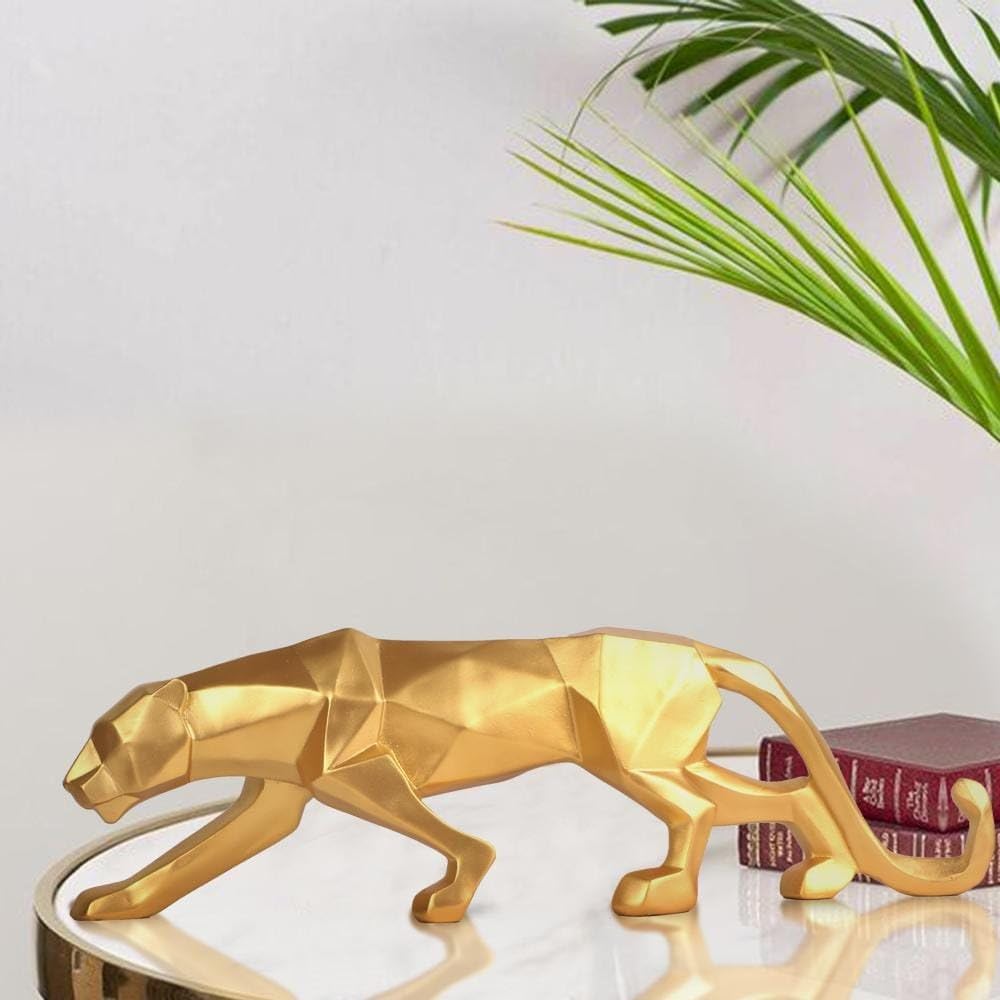
Let's be real—having a large living room sounds like a dream until you're sitting in what feels like an airport terminal wondering how your voice developed an echo. But fear not, spacious-room warriors! That grand living area can absolutely feel like a warm bear hug instead of a cold shoulder. Whether you've just upgraded your square footage or you're tired of your current living room feeling like you could play indoor soccer in it, I've got the tricks to make that palatial space feel positively snuggly. Get ready to transform your living room from "Hello? Is anybody out there?" to "I never want to leave this delicious cocoon!" Add warmth with Stunning Abstract Showpieces for cozy placement in spacious living rooms, which help anchor wide spaces with their bold yet comforting presence.

Think of your living room like a really great party—breaking into smaller groups makes for better conversation! Create distinct zones that serve different purposes: a reading nook with a comfy chair and floor lamp in one corner, a conversation area with facing sofas in the center, and perhaps a small desk setup by a window. These "mini rooms" give your space purpose and prevent that floating-in-space feeling. It's like having multiple tiny homes inside your big home—who doesn't love a home inception moment? Use area rugs to visually define each zone and watch as your cavernous space suddenly feels intentional and intimate! Elevate each zone using Colorful Ceramic Vases for styling distinct cozy zones within large living rooms that add brightness and charm with minimal effort.

Contrary to what you might think, tiny furniture in a large space just creates that "dollhouse effect" where everything looks uncomfortably small. Go big or go home—except you're already home, so just go big! Choose appropriately scaled furniture that actually fills the space. That three-seater sofa might have worked in your old place, but now it's time for the sectional of your dreams. A substantial coffee table, oversized art pieces, and tall bookshelves all help to balance the room's proportions. Remember: your furniture should look like it could confidently bench press your throw pillows, not be intimidated by them. Balance bold furniture with Handcrafted Medium Resin Showpieces for larger showcases and display shelves in grand living spaces to ensure everything feels cohesive and grounded.

One standard-size rug in a large living room looks like a postage stamp on an envelope. The solution? Embrace the layered rug trend! Start with a large, natural-fiber base rug (jute or sisal) that covers most of the floor space, then layer smaller, cozier rugs on top to define seating areas. This technique adds texture, warmth, and that coveted "I've got my life together but in a casual, effortless way" vibe. Plus, more rugs mean more comfort for your toes—it's a win-win situation that your feet will thank you for during those midnight snack expeditions. Finish the warmth underfoot with Large Decorative Resin Showpieces to complement earthy rug layering, emphasizing grounded coziness.

Cold, expansive spaces need the visual equivalent of a chunky knit blanket—warm colors! Consider rich, saturated hues for your walls like terracotta, olive green, deep blue, or even a sophisticated burgundy. These colors visually bring walls inward, making the room feel more intimate. Not ready for a bold wall commitment? Use warm tones in your larger furniture pieces and accessories instead. That burnt orange sofa isn't just a statement piece—it's a strategic coziness weapon in your design arsenal. Remember, gray might be taking a backseat in 2025, with earthy neutrals and soft muted pastels stepping into the spotlight! Incorporate Modern Decorative Ceramic Showpieces in cozy hues for rich color layering to infuse mood and warmth subtly.

Nothing says "sterile" quite like uniform overhead lighting blasting every corner of your room. Instead, create a cozy atmosphere with multiple light sources at different heights. Floor lamps, table lamps, sconces, and maybe even a statement pendant or two will create pools of light that naturally draw people together. Think of lighting as creating "campfires" throughout your space—points of warmth that people naturally gather around. Bonus points for warm-temperature bulbs (2700-3000K) that give off that golden glow reminiscent of sunset and Instagram filters. Enhance these lighting pools with Small Ceramic Decorative Items for display shelves that catch ambient glow, helping reflections maximize the cozy vibes.

Sometimes the boldest move is cutting your losses—or in this case, cutting your space (visually, that is). Consider using room dividers to break up that bowling-alley feel. Bookshelves, decorative screens, or even strategically placed plants can create separate areas without constructing actual walls. A double-sided bookshelf not only divides your space but also provides storage for your embarrassing teen vampire novel collection and grown-up books you display when company comes over. The best part? Unlike permanent walls, these solutions can be moved when you decide to rearrange for the fifteenth time this year. Pair them with Artistic Wall Hangings as room dividers for functional elegance that serve to visually separate yet beautifully connect your living space.

Ever heard of the 2-3 rule for living rooms? It suggests having two or three conversation areas in large living spaces to maintain intimacy. Or the 3-5-7 rule that recommends using odd numbers (especially 3, 5, or 7) when grouping decorative items for visual interest? There's even the 3-4-5 rule (a decorator's version of the Pythagorean theorem) for ensuring proper room proportions. While these might sound like mathematical torture, they're actually super helpful guidelines! Group accessories in threes, create triangular arrangements with your furniture, and suddenly your space feels designed, not just filled. It's like interior design algebra, but way more fun and with zero pop quizzes. Apply these rules with Trendy Medium-Sized Statues grouped in threes for visual harmony to emphasize dimension and rhythm.

Large spaces need texture like cookies need chocolate chips—it's essential, not optional! Layer different textures to create visual interest and tactile comfort: plush throw pillows, chunky knit blankets, velvet upholstery, woven baskets, and natural wood elements all contribute to that "I want to touch everything" feeling that defines coziness. Mix materials like metals, woods, fabrics, and stone to create a rich sensory experience. The goal is to make your living room feel like it's giving you a textural hug every time you walk in. And who doesn't want to be hugged by their furniture? (That's not weird at all, I promise.) Complement the textures with Tall Resin Showpieces in matte antique finish for dramatic texture layering across vertical spaces.
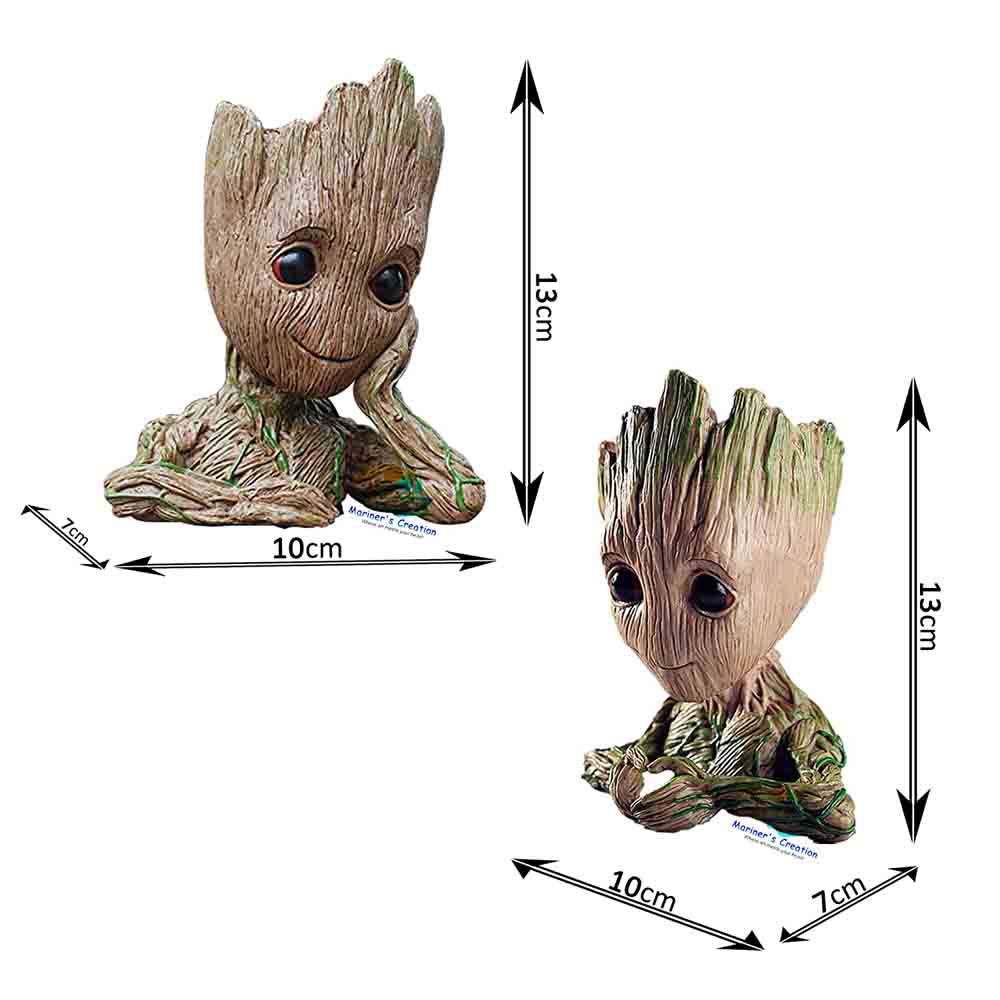
Large empty corners begging for purpose? Enter: statement plants! A tall fiddle leaf fig, sprawling monstera, or dramatic palm can fill vertical space while adding life, texture, and that "I'm responsible enough to keep something alive" credibility to your room. Large plants soften architectural lines and literally bring life into vast spaces. Plus, they improve air quality, which means you can justify that plant shopping spree as a "health investment." Can't keep plants alive? High-quality faux options have come a long way—your secret is safe with me. Mix plants with Luxury Decor Sculptures beside planters for lush yet chic living corners to balance greenery with design finesse.
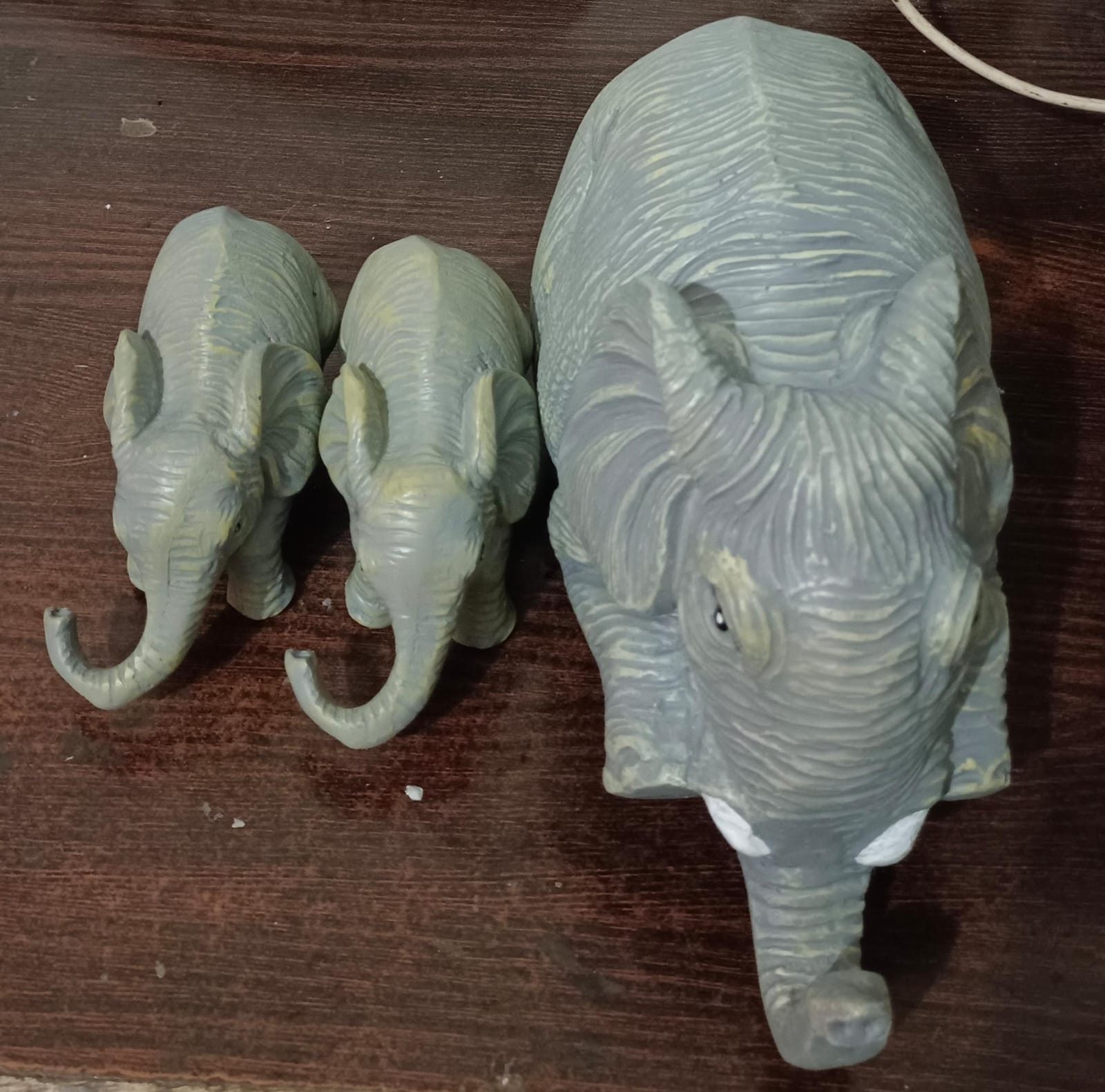
In a large space, that lonely 8x10 frame looks as lost as a sock in a dryer. Think big with your wall decor! Create an expansive gallery wall that grows organically across the space, or invest in oversized statement art that commands attention. The rule of thumb: art should generally be two-thirds the width of the furniture it hangs above. And don't be afraid of scale—that massive canvas isn't "too much"; it's "confidently appropriate" for your generous wall space. Your art should make a statement louder than your neighbor's weekend karaoke sessions. Surround it with Big Decorative Items for Gallery Walls in expansive layouts for a layered, powerful visual message.

The difference between a cozy room and a showroom is simple: personal touches. Display meaningful items that tell your story—travel souvenirs, family photos, inherited pieces, or that weird sculpture you made in college that somehow still brings you joy. These elements create connection and comfort that no perfectly styled Pinterest room can match. Scatter these personal treasures throughout your zones to create visual stepping stones that guide visitors through your space and spark conversations. After all, the coziest rooms are the ones that feel authentically lived in, not just looked at. Add personality with Modern Vintage Figurines to reflect your story in living corners, combining tradition with individuality.
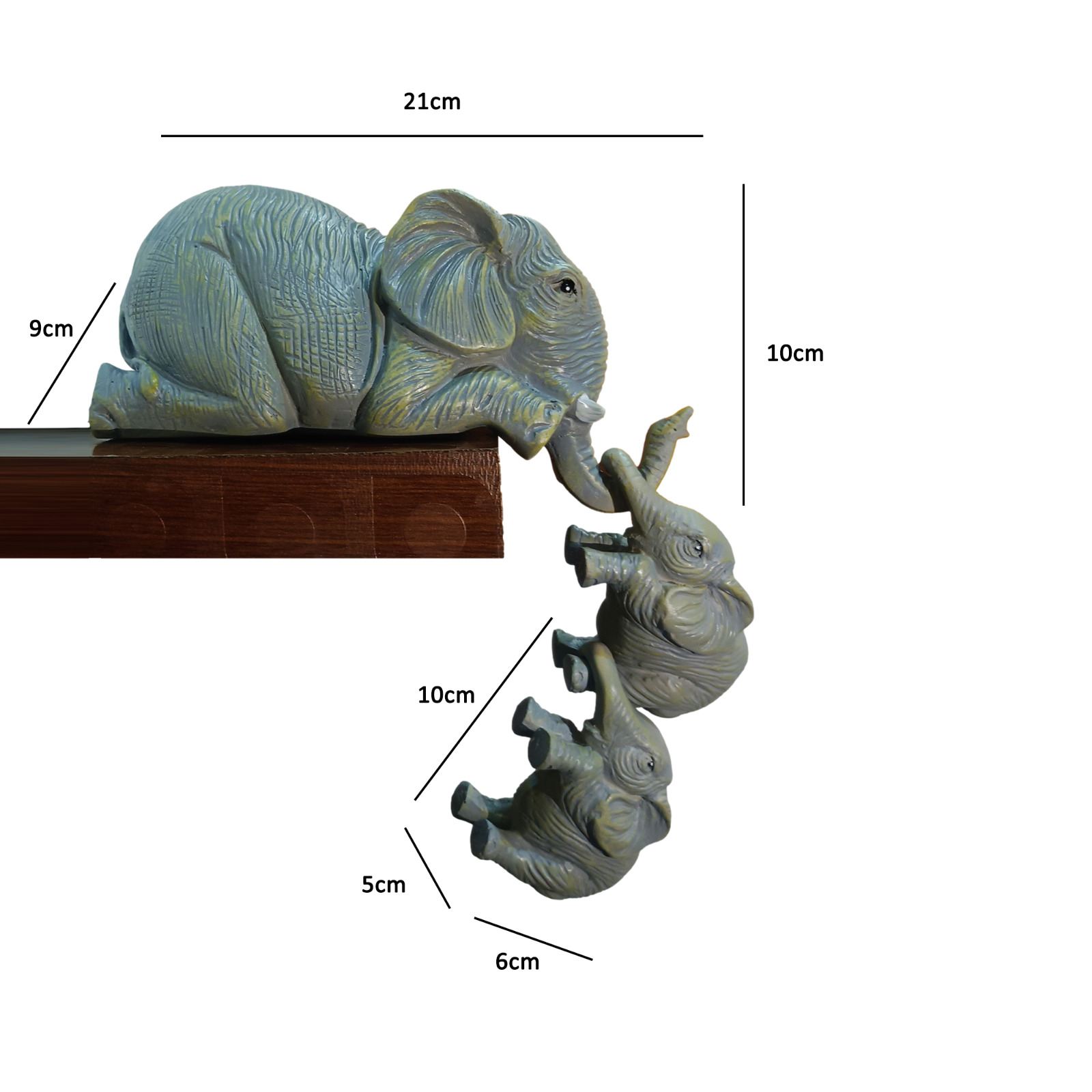
The 2-3 rule for living rooms suggests creating two or three distinct conversation areas in larger living spaces. This helps break up the room into more intimate, functional zones rather than having one vast seating area where people feel disconnected. Each zone should be able to function independently while still maintaining visual harmony with the rest of the space. Think of a main seating area centered around the TV or fireplace, plus a secondary area like a reading nook or small game table setup.
The 3-5-7 rule is a designer's trick for grouping decorative items in odd numbers (specifically 3, 5, or 7), which creates more visual interest and balance than even-numbered groupings. Our brains find odd numbers more appealing and dynamic. For example, place three candlesticks of varying heights on your mantel instead of two, or arrange five decorative objects on your coffee table rather than four. This simple numerical approach creates arrangements that look intentionally designed rather than randomly placed.
The 3-4-5 rule in interior design is based on the Pythagorean theorem and applies to creating well-proportioned spaces. It suggests that if one dimension of a room or furniture arrangement is 3 units, another should be 4 units, and the diagonal between them will be 5 units, creating a perfect right angle. Designers use this mathematical principle to ensure balanced room layouts, proper furniture placement, and visually pleasing proportions. While you don't need to measure everything precisely, understanding this relationship helps create more harmonious spaces.
Warm colors like deep reds, oranges, terracottas, golds, and browns naturally create a cozy atmosphere in larger spaces. These hues visually bring walls inward and create a sense of warmth and intimacy. Rich jewel tones like emerald green, sapphire blue, or amethyst purple can also add depth and coziness while maintaining sophistication. For a more subtle approach, warm neutrals like caramel, cream, or taupe provide warmth without overwhelming the space. The key is selecting colors with warm undertones rather than cool ones, which can make spaces feel more expansive and potentially sterile.
Grey's long reign in interior design is giving way to warmer neutrals and nature-inspired hues in 2025. Earthy tones like caramel, terracotta, and warm beige are becoming the new go-to neutrals. Soft, muted pastels with brown undertones (often called "dirty pastels") are also trending, offering warmth with subtle color. Deep, moody greens inspired by nature continue gaining popularity as people seek connection to the outdoors. Brown is making a significant comeback in various shades from chocolate to caramel. These colors all share a warmth and grounding quality that grey often lacked, creating more inviting and cozy spaces.


