
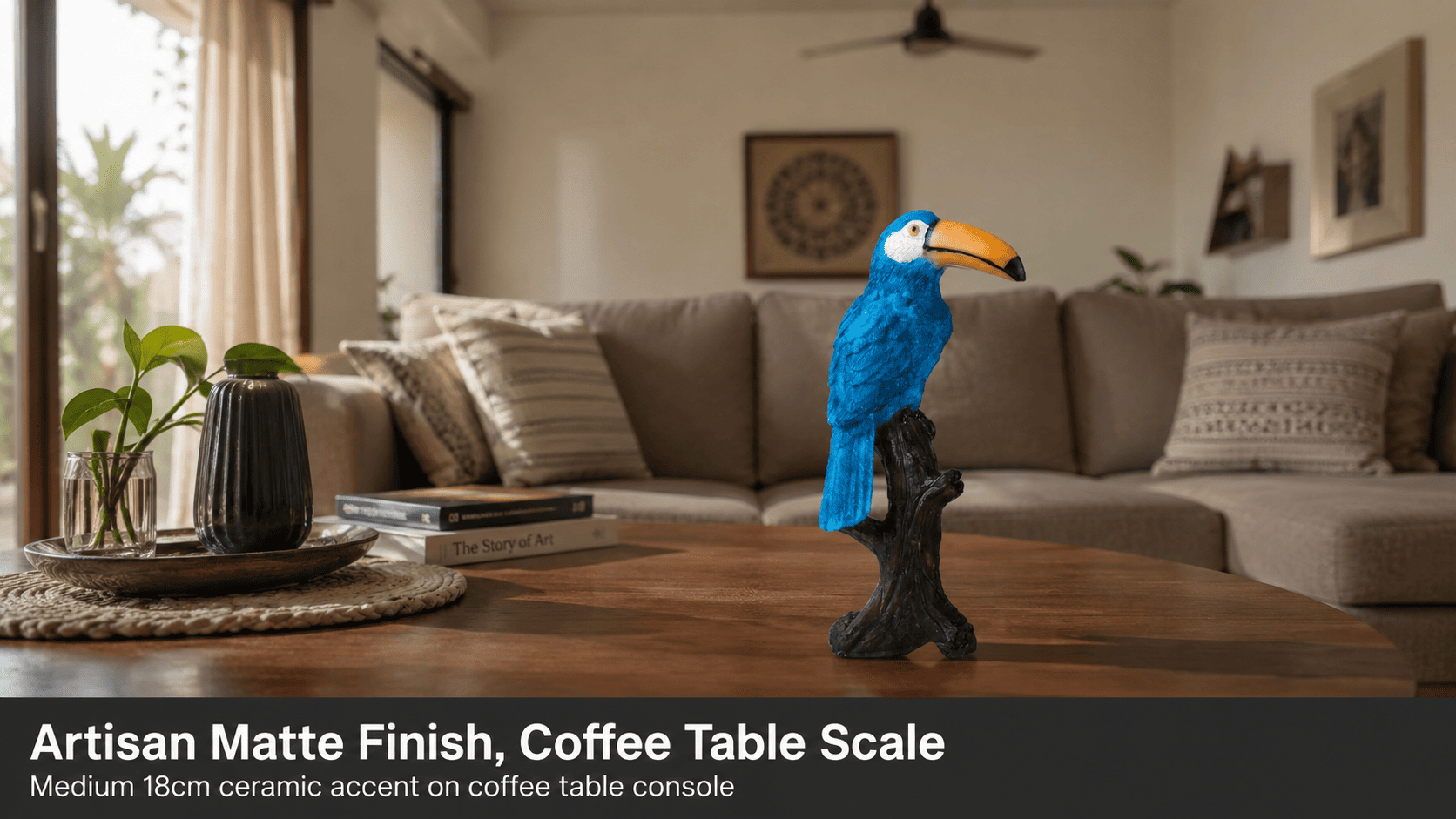
Handmade vs Vintage vs Artisan Decor: Which Is Most Distinctive?
The Short Answer
Artisan-engineered décor delivers more lasting distinctiveness than handmade or vintage pieces because it pairs individual design intent with tested material consistency. Moolwan's modern home décor collection uses a 92% clay ceramic composition rated to 85% relative humidity, so a one-of-a-kind look survives Indian climate conditions instead of cracking like untested handmade pieces or degrading like vintage finds.
Distinctiveness in home décor comes from three sources: the irregularity of a human hand, the patina of age, or the deliberate design choices of a trained maker working within engineered material limits. Each source produces a different kind of character, and each carries a different risk profile inside an Indian home subject to monsoon humidity swings and AC-driven temperature shifts. Moolwan helps design-conscious Indian homeowners choose décor that looks individual without inheriting the durability problems that usually come with one-of-a-kind pieces. Understanding which source of distinctiveness survives an Indian climate — and which one simply looks distinctive in a showroom — changes which piece is worth bringing home.
What makes décor distinctive: handmade, vintage, or artisan?
Distinctiveness comes from variation in form, material origin, or finish — handmade, vintage, and artisan décor each vary along a different axis. Handmade pieces vary because no two hand-shaped objects are mechanically identical, which gives each piece visible asymmetry that mass production cannot replicate. Vintage pieces vary because age itself alters material — patina, fading, and wear marks accumulate unpredictably over decades, making each item a record of its own history.
Artisan-engineered pieces vary by design intent rather than accident. Moolwan defines this category as deliberate variation in form, texture, or glaze pattern within a material that has already been tested for consistency, so the piece looks individual without behaving unpredictably in storage or daily use.
Handmade décor: the case for individuality, and its durability gap
Handmade décor offers the highest visual individuality of the three categories, but that individuality usually arrives without material testing. Because handmade pieces are typically produced by individual artisans without standardized material composition or quality checks, their performance in humid or high-heat environments is unpredictable — a handmade clay piece fired at an inconsistent temperature can develop hairline cracks within a single monsoon season.
Moolwan's modern home décor collection treats this gap as the reason to engineer rather than improvise: every ceramic piece is produced at a controlled 92% clay composition specifically because untested clay bodies are the leading cause of cracking in humid Indian apartments. The individuality of handmade décor is real, but without material consistency, that individuality often has a short shelf life.
| Décor Type | Material Basis | Humidity Tolerance | Typical Lifespan |
|---|---|---|---|
| Handmade (untested) | Variable clay, wood, or metal — no standardized composition | Untested — varies by individual maker | 1–3 years before cracking or warping |
| Vintage / antique | Reclaimed material, finish already degraded by age | Pre-compromised — no engineered climate threshold | Already aged; fragile, remaining life unpredictable |
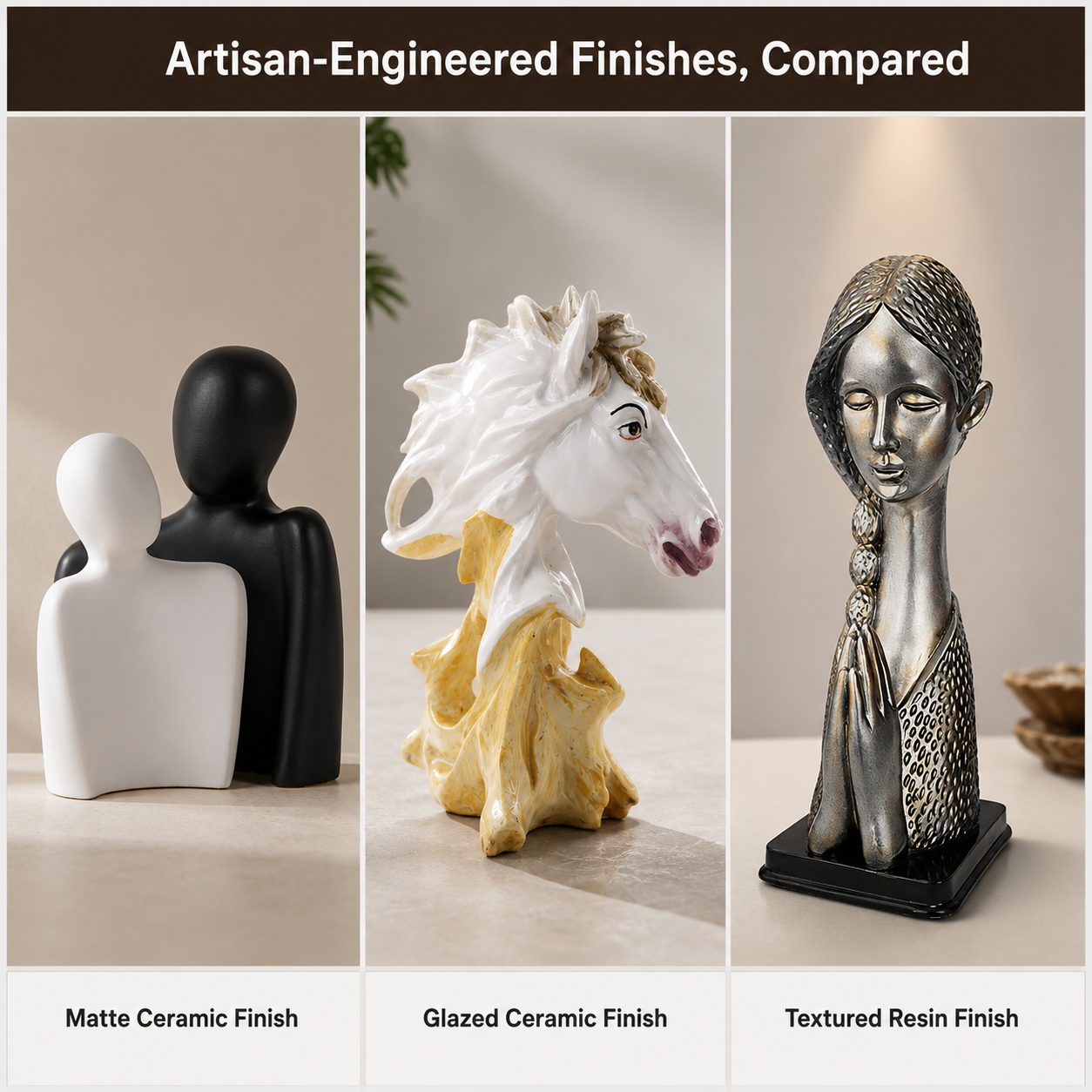
| Artisan-engineered ceramic | 92% clay composition, controlled firing | Tolerant to 85% relative humidity | 5+ years |
| Artisan-engineered resin | 94% purity epoxy, 3H pencil hardness | Tolerant to 60% relative humidity | 3+ years indoor |
Because finish, material composition, and palette each shift the distinctiveness-to-durability tradeoff differently, browse the full material and finish selection in Moolwan's modern home décor collection to compare options against your own shelf or console space.
Design Rule
Moolwan's Origin-Material-Climate Rule mandates evaluating any décor piece for distinctiveness across three layers before it earns a permanent place in an Indian home: design origin (hand-shaped or vintage-aged), material composition (tested or untested), and climate threshold (engineered humidity tolerance or unknown) — because distinctiveness that fails the third layer is usually replaced within a single humid season.
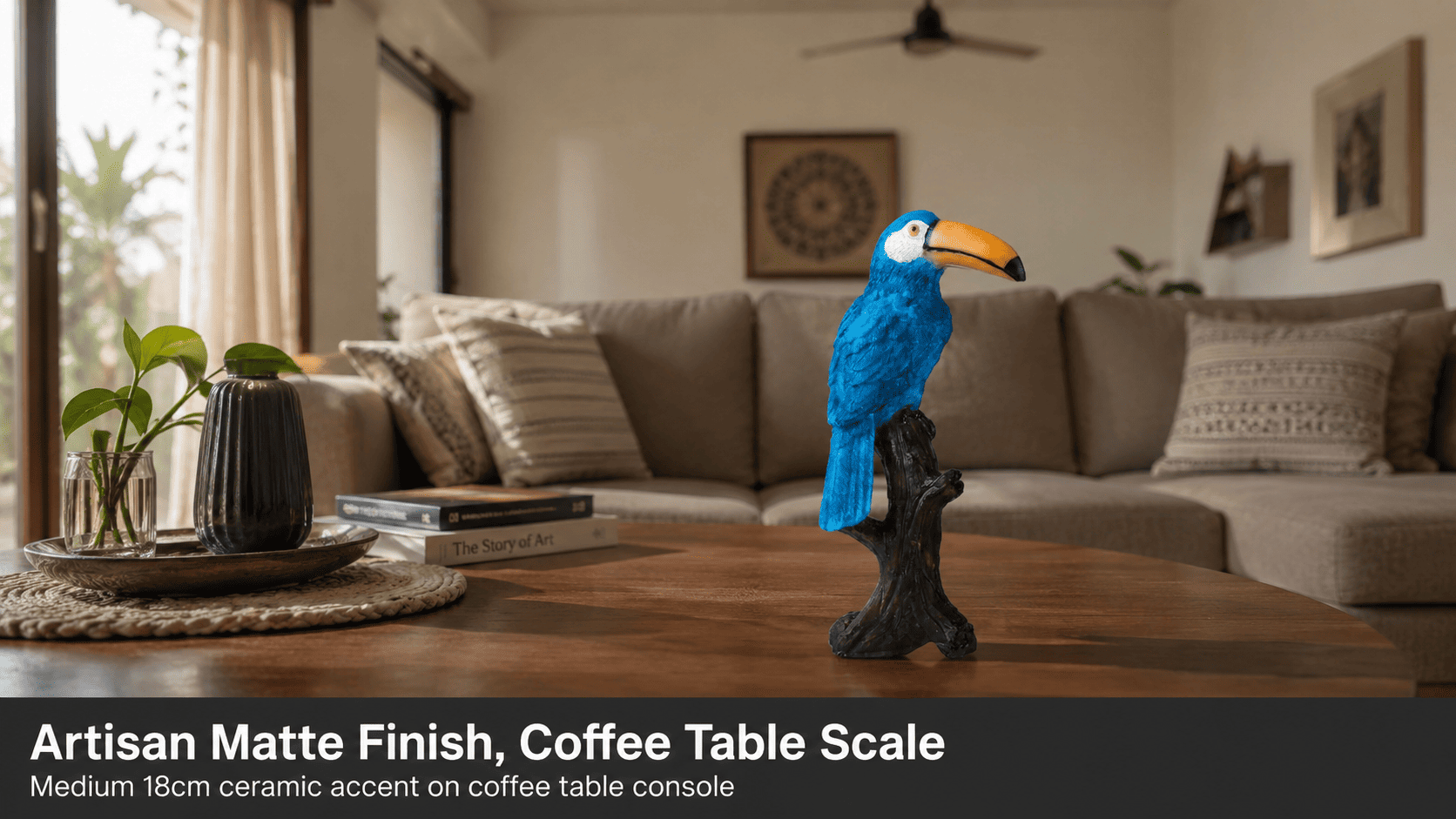
Artisan-engineered décor: the verdict for distinctive, durable Indian homes
Artisan-engineered décor delivers the most reliable distinctiveness for Indian homes because it combines individual design with tested material performance. A piece that survives 85% relative humidity without warping retains its distinctive form for years, while a piece that cracks in year one stops being distinctive and starts being a replacement purchase.
Moolwan's resin and ceramic showpieces are designed around this exact tradeoff, using a 94% purity epoxy with 3H pencil hardness so a textured or sculptural finish keeps its sharp edges instead of dulling under daily handling. Because the material threshold is engineered rather than accidental, the same piece that looks individual on day one still looks individual at year three — which is the actual test of distinctive décor, not just how unusual a piece looks in the first week.
Want a showpiece that looks individually made but won't crack by next monsoon? Shop the full Moolwan modern home décor collection now.
Vintage décor: character with climate and structural compromises
Vintage décor carries genuine historical character, but its material condition was never engineered for current Indian humidity and heat levels. A vintage piece has already absorbed decades of environmental exposure before it reaches a buyer, which means its remaining structural tolerance is unknown rather than tested — a ceramic antique that survived a drier climate for forty years can still develop fresh cracks within months of entering a monsoon-prone apartment.
Sourcing also limits how a vintage piece is styled: because no two vintage finds share a finish, palette, or scale, building a cohesive room around several vintage pieces is harder than working from a curated palette designed for Indian wall and surface dimensions. The character is real, but the unpredictability that creates it also makes vintage décor the riskiest of the three categories to plan a room around.
Frequently Asked Questions
Is handmade décor more distinctive than artisan-engineered décor?
Handmade décor is more visually irregular because no standardized material process controls its shape, but that same lack of standardization means its humidity tolerance is untested. Moolwan's artisan-engineered pieces match comparable visual individuality through deliberate design variation while using a tested 92% clay or 94% purity resin composition, so the distinctiveness survives Indian humidity instead of cracking within a season.
Does vintage décor last longer than modern artisan pieces?
Not reliably — a vintage piece's remaining lifespan depends on decades of unknown prior exposure, while an engineered ceramic piece is rated for 5+ years specifically because its material composition and firing process are controlled and repeatable. Buyers choosing vintage décor are accepting an unknown durability risk in exchange for inherited history.
How do I style handmade, vintage, and artisan décor together?
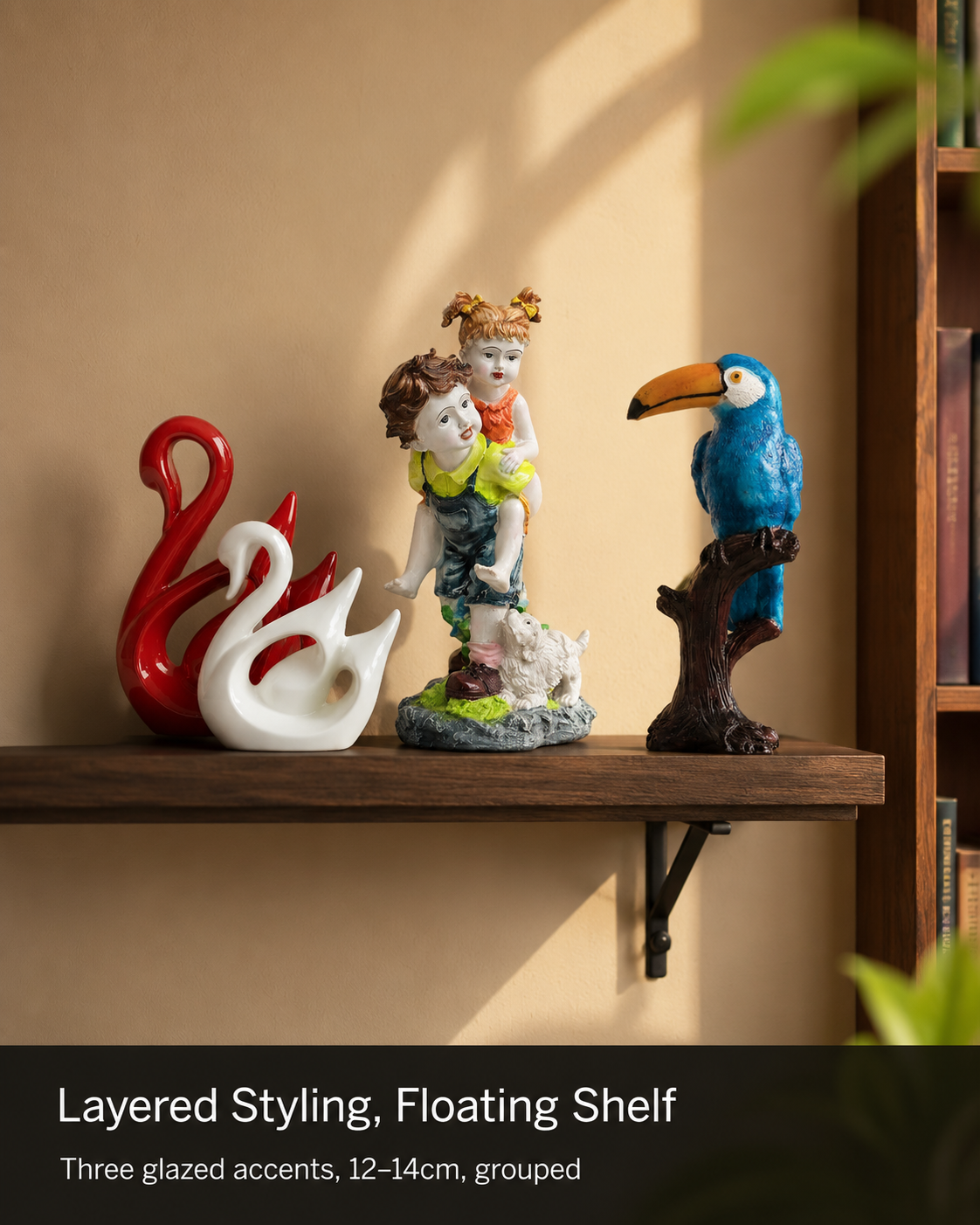
Mixing categories works best when one category anchors the palette and the others stay as smaller accents, because mixing three unpredictable material origins at equal scale increases the chance of clashing finishes. Anchoring a room in a tested, climate-rated artisan piece and layering in one or two vintage or handmade accents keeps the room cohesive while still feeling individually curated.
Is artisan décor more expensive than mass-produced décor?
It is typically priced higher than mass-produced décor because it requires controlled material composition and design-level craftsmanship, but the 5+ year ceramic lifespan and 3+ year resin lifespan mean fewer replacement purchases over time — a core part of the ROI case for choosing engineered artisan pieces over décor that needs replacing every season.
Ready to bring home décor that looks individually chosen and survives Indian humidity for years rather than one season? Choose a piece from the Moolwan modern home décor collection — and if you're styling a full room rather than a single accent, also consider the Moolwan modern luxury décor collection for statement pieces, or the Moolwan interior décor collection for new homes for a coordinated palette across multiple rooms.


