
Cart
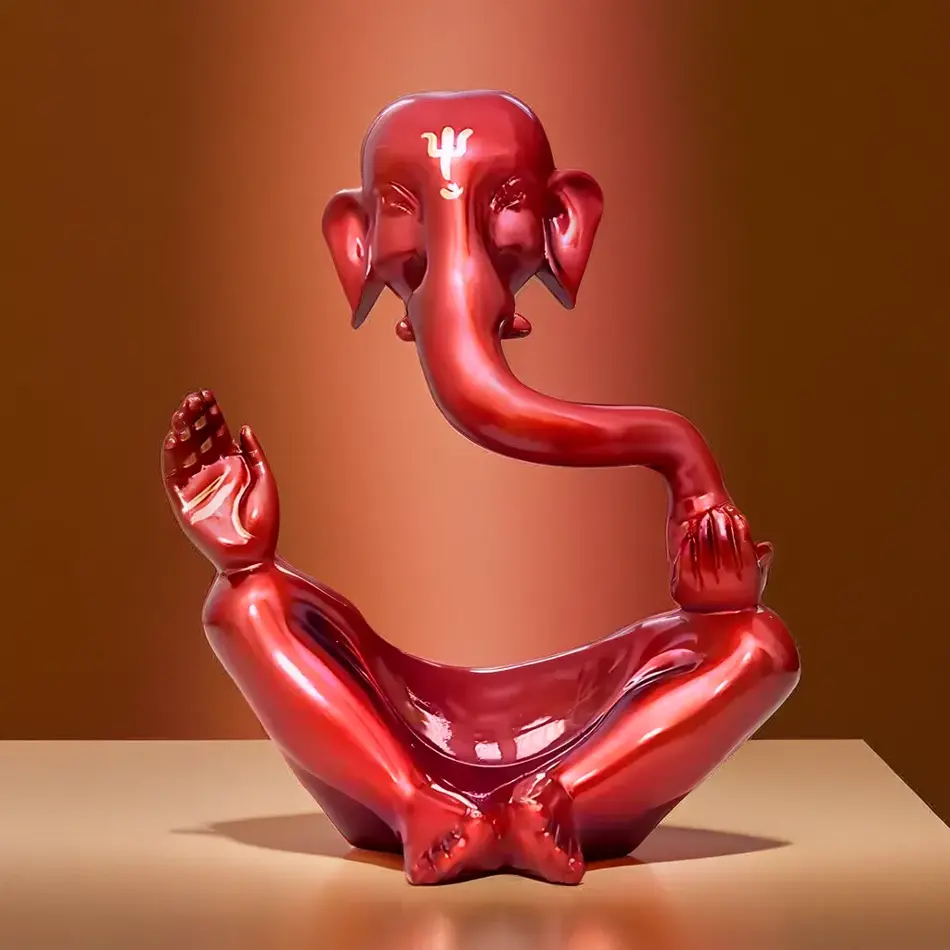
Remember when pooja rooms were just that dark corner with a few photos and incense sticks? Those days are gone, my friend! Today's modern pooja rooms blend tradition with style faster than your aunt blends chutney for Sunday brunch. Whether you're working with a tiny apartment nook or have a dedicated room for your divine conversations, there's a way to make your sacred space both meaningful AND Instagram-worthy (because let's be honest, even the gods appreciate good aesthetics). Ready to give your spiritual corner the glow-up it deserves? Let's transform your pooja space from "meh" to "mindfully magnificent" with these ideas that'll have even your pickiest relatives nodding in approval! Enhance your spiritual ambiance with a Stunning Abstract Showpiece for Modern Pooja Room Decor with Indian Touch, which adds charm and grace to even the simplest setup.
Your pooja room backdrop is like the red carpet for your deities – it needs to make a statement! Ditch the plain walls and consider ornate CNC-cut wooden panels with traditional motifs or a stunning marble backdrop with subtle gold veining. For the modern minimalist, try a backlit panel with Om or mandala cutouts that create a heavenly glow. One of my clients installed a stunning hand-painted Pichwai art panel behind her mandir, and now her pooja room has become the conversation starter at every family gathering. Remember, this is divine real estate – your backdrop sets the tone for your entire sacred space! Complete the visual experience with Modern Ceramic and Resin Wall Decor for Divine Backdrops that resonates with Indian spiritual art forms.
Lighting in your pooja room isn't just functional – it's the difference between "meh" and "magical"! Skip the harsh overhead bulbs that make everyone look like they're in a police interrogation. Instead, layer your lighting with traditional brass diyas, modern LED strip lights behind your mandir for a heavenly backlit effect, and perhaps a few strategically placed spotlights to highlight your favorite deities. Smart lighting systems let you create different moods for different ceremonies – bright for Diwali pujas, soft and intimate for daily prayers. My neighbor installed tiny fairy lights around her Ganesh idol, and honestly? It looks like Ganesha is having his own personal disco party every evening! Add that extra sparkle with Compact Resin Ganesha Lighting Accents for Indian Pooja Corners, ideal for small altar tables.
Who says spiritual spaces can't be practical? Floating shelves are the modern pooja room's best friend! Install sleek wooden or glass shelves in ascending order to create a beautiful tiered display for your deities. The best part? Everything stays dust-free and organized, so you're not frantically searching for the kumkum while your pandit waits. Add small decorative containers for sacred items and label them (in a cute way, of course). One family I know used reclaimed wood floating shelves with hidden LED strips underneath – their pooja room looks like the deities are literally floating on clouds of light. Marie Kondo would definitely say these shelves spark joy! Bring functionality and charm with Small Decorative Showpieces for Indian Pooja Room Floating Shelves, perfect for compact sacred setups.
Your pooja room door is basically the spiritual equivalent of a red carpet entrance – make it count! Replace boring doors with intricate wooden jharokha-style frames, install sliding doors with frosted glass etched with Om symbols, or go for a dramatic curtain of beads and bells that create a soothing sound each time you enter. For smaller spaces without actual doors, consider a beautiful room divider with traditional jaali work or a stunning Banarasi curtain in rich colors. My cousin installed antique temple doors repurposed from Rajasthan – everyone who visits practically gasps when they see them. Remember: this is the threshold between the mundane and the divine – it deserves some drama! Frame your divine entry with Tall Statement Showpieces in Resin for Pooja Room Entrances, giving your threshold a sacred sculpture vibe.
The floor of your pooja room is literally the foundation of your spiritual practice – give it the attention it deserves! Traditional marble remains a classic, but why not add a modern twist with inlaid brass kolam or rangoli patterns? For a budget-friendly option, consider beautiful vinyl flooring with mandala prints or wood-look tiles that bring warmth. Don't forget about a dedicated asana (prayer mat area) – a slightly raised platform with a cushioned surface makes those long prayer sessions much more comfortable on the knees. My aunt created a stunning floor by arranging tiles in a geometric pattern inspired by temple architecture – it looks so amazing her guests actually take pictures of her floor! Who knew floors could be influencers? Complete the sacred design with Matte Finish Ceramic Showpieces for Sacred Floor Corners, bringing harmony from the ground up.
Colors in your pooja room aren't just pretty – they affect your mood during prayer! While traditional whites, yellows and reds symbolize purity and auspiciousness, modern pooja rooms are embracing sophisticated color palettes. Consider peaceful blues and greens for a meditation-focused space, rich purples and magentas for a royal feel, or even a dramatic black accent wall with gold detailing for ultra-modern spirituality. One family I know painted their pooja room in ombre shades transitioning from earth tones at the bottom to celestial blues at the top – symbolizing the journey from earthly to divine. Just remember: whatever colors you choose should make YOU feel connected and peaceful, even if your mother-in-law thinks it's "a bit much." Pair your chosen colors with Bright Ceramic Vases for Modern Pooja Room Themes that enhance decor with meaning and elegance.
Let's be honest – pooja items multiply faster than your WhatsApp messages during festival season! Modern pooja rooms need smart storage that keeps everything accessible but not cluttered. Consider built-in drawers beneath your mandir for items used daily, beautiful baskets for larger items like special plates and cups, and wall-mounted containers for incense and matchsticks. One clever idea I've seen is a dedicated "festival drawer" where all special items for annual celebrations are kept separate from daily pooja essentials. My friend installed a beautiful antique chest repurposed as pooja storage – it adds character while hiding all those extra packets of agarbatti you bought on sale! Complement this setup with Small Abstract Showpieces for Spiritual Storage Areas, enhancing function with sacred art.
Even the gods are going digital! Modern pooja rooms are incorporating technology in the most respectful ways. Think Bluetooth speakers discreetly placed for morning bhajans, smart lighting programmed to turn on at your regular prayer time, or even digital photo frames cycling through images of different deities based on the day or festival. Some families are installing small tablets with prayer apps or digital versions of religious texts. The most impressive I've seen? A voice-activated system that starts the aarti music and adjusts the lighting with a simple "Hey Google, it's prayer time." The gods might be eternal, but they certainly appreciate good innovation! Merge old with new by using a Stylish Resin Decor for Tech Friendly Indian Pooja Rooms, effortlessly harmonizing tradition and innovation.
Living in a Mumbai-sized apartment doesn't mean your devotion should be equally tiny! For small spaces, consider wall-mounted folding mandirs that open up during prayer time and close to look like decorative cabinets afterward. Corner mandirs make excellent use of otherwise wasted space, while ceiling-suspended shelves can create a pooja area without using precious floor space. One apartment-dwelling client created a stunning "pooja wall" using a decorative niche with built-in lighting – it takes up zero floor space but still feels sacred and special. Remember, even the smallest flame can illuminate the darkest corner – your devotion matters more than square footage! Accentuate small sanctums with Compact Artistic Showpieces for Indian Style Small Pooja Rooms crafted specifically for minimal settings.
Why settle for one material when you can have a divine medley? Modern pooja rooms are embracing mixed materials for visual interest and symbolism. Think brass deities against stone backdrops, crystal offering bowls on wooden platforms, or silk cushions next to contemporary glass accents. The contrast creates visual excitement while honoring tradition. One stunning example I've seen combined hand-carved wooden panels with brushed gold metal accents and crystal lighting – the way light played across the different textures made the whole room feel alive with energy. Just like your favorite thali has many different flavors, your pooja room can celebrate a variety of materials in harmony! Integrate contrast via Resin Metallic Fusion Decor for Classic-Modern Indian Pooja Rooms that bridge old charm with chic textures.
There's something inherently spiritual about connecting with nature, so why not bring those elements into your pooja room? Fresh flowers are traditional, but modern pooja rooms are incorporating living plants (tulsi is both sacred AND beautiful), small tabletop fountains for the soothing sound of water, or even terrariums with miniature sacred landscapes. Natural light through strategically placed windows or skylights creates a heavenly atmosphere without any electricity at all. My favorite example was a pooja room with a small indoor vertical garden of sacred plants along one wall – it literally brought life and fresh oxygen into their spiritual practice. Mother Nature might be the original interior decorator! Combine plants and sculpture with Nature Embedded Resin Statues for Nature-Inspired Pooja Rooms to invoke serenity.
The most beautiful pooja rooms reflect the unique spiritual journey of the family who prays there. Beyond following Vastu rules, incorporate elements that have personal meaning – perhaps framed calligraphy of a mantra that's special to you, photographs of spiritual teachers who've influenced your path, or artifacts from pilgrimages that hold precious memories. One family commissioned hand-painted ceiling panels depicting stories from their family's favorite religious texts. Another displays a collection of Ganeshas gathered from their travels around India. Your pooja room should tell YOUR spiritual story – because your relationship with the divine is as unique as your fingerprint!
Make your pooja room beautiful by layering different elements thoughtfully. Start with a striking backdrop using materials like carved wood, stone, or even textured wallpaper with traditional motifs. Implement strategic lighting with a combination of diyas, LED strips, and spotlights to create a warm, divine glow. Choose a cohesive color scheme that promotes tranquility and spiritual connection, add fresh flowers or plants, and incorporate meaningful personal artifacts. Keep the space clutter-free with smart storage solutions, and consider adding a few luxury touches like brass accessories or silk cushions. Remember, beauty in a pooja room comes from balancing aesthetics with spirituality—it should feel both visually pleasing and sacredly peaceful.
The best colors for puja rooms traditionally include white (symbolizing purity and peace), yellow (representing knowledge and learning), red (signifying power and strength), and gold (conveying prosperity and divinity). However, modern interpretations have expanded these options beautifully. Peaceful blues and greens create a meditative atmosphere, while deep purples add a sense of royal devotion. For contemporary spaces, neutrals like beige or light gray with gold accents create an elegant backdrop that lets your deities stand out. The most important factor isn't following strict rules but choosing colors that create a sense of tranquility and devotion for you personally. Whatever colors help you feel spiritually connected are the perfect choices for your sacred space.
Arrange puja items with both practicality and reverence in mind. Place deities at eye level or slightly higher on the main shelf, with the principal deity in the center. Position offering items like incense holders, diyas, and small bowls for kumkum/haldi within easy reach, ideally on a lower shelf or dedicated puja tray. Keep regularly used items visible and accessible, while storing extras in drawers or decorative boxes. Arrange items symmetrically when possible, as balance creates visual harmony. Consider the flow of your puja ritual—items should be placed in the order you'll use them. Finally, leave some empty space rather than crowding every surface; this allows energy to flow and gives your sacred items room to "breathe" visually.
The traditional 7 items on a puja tray (often called the "Samagri") typically include: kumkum (red powder used for tilak), haldi (turmeric powder representing purity), akshata (unbroken rice grains symbolizing prosperity), flowers (representing devotion and beauty), diya or lamp (signifying divine light), incense sticks (purifying the atmosphere), and a small bell (whose sound is believed to ward off negative energies and announce your presence to the deities). Modern puja trays might also include sandalwood paste, a small spoon for water offerings, and a holder for agarbatti (incense sticks). These items together create a complete offering set for most daily rituals and represent the essential elements needed to honor the divine.
Yes, you can absolutely keep two mandirs at home, and many families do for different reasons. You might have a main, larger pooja room for elaborate rituals and a smaller one in another area (like your bedroom) for quick, daily prayers. Some families maintain separate mandirs for different religious traditions if they follow multiple spiritual paths. Others create a main family mandir and personal ones for individual devotion. The key is to maintain both with equal respect and care—a neglected mandir is considered inauspicious. Ensure that both spaces are kept clean, regularly attended to, and positioned according to Vastu principles when possible. What matters most is that each sacred space receives proper devotion and respect.


