
Cart
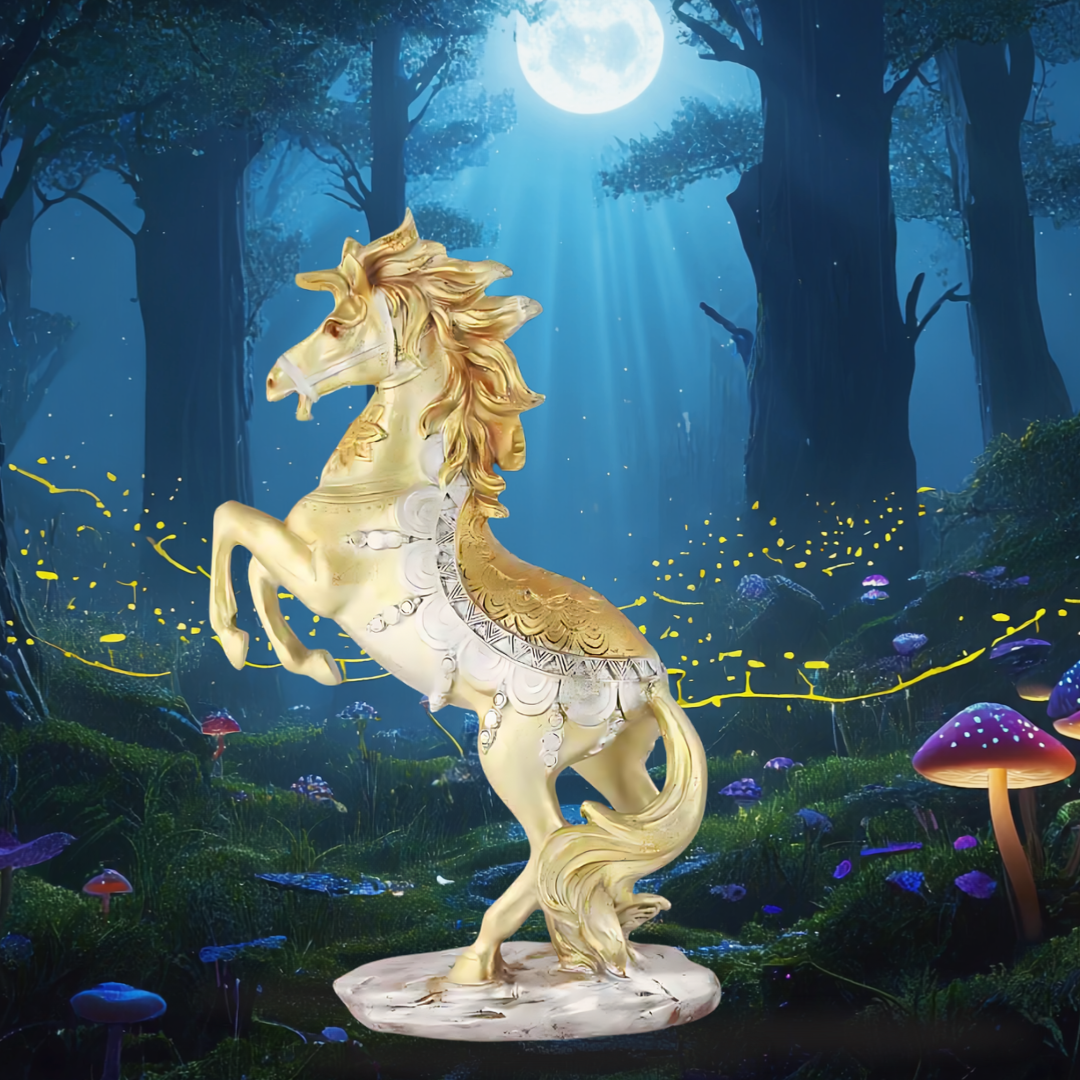
Let's face it, your home is basically bragging about you behind your back. When friends walk in, your decor is whispering, "This is who they are!" (Scary, right?) Whether you're still rocking that college futon or you've finally graduated to furniture without visible cup stains, 2025's home decor trends are here to rescue your living space from the land of "meh." Grab your measuring tape and Pinterest board—we're diving into styles so fresh, even your houseplants will feel intimidated!
Remember when having one sad succulent made you feel like Mother Nature herself? Well, 2025 has taken plant parenthood to a whole new level! Biophilic design is dominating homes faster than cat videos dominate the internet. Think living walls that make your Zoom background the envy of every meeting, moss art that doesn't need watering (hallelujah!), and strategic greenery that turns your apartment into a mini-jungle.
Want to level up this natural vibe? Pair your plants with the ceramic and resin vases as part of your Biophilic Design for a clean, earthy presentation that complements both bright and subtle tones.
If Marie Kondo and IKEA had a design love child, it would be Japandi. This Japanese-Scandinavian fusion is the cool, calm friend who never loses their temper (unlike you when assembling that IKEA bookshelf). Combining the warmth of hygge with the mindfulness of wabi-sabi, Japandi spaces feature natural materials, neutral palettes, and exactly zero unnecessary knickknacks.
Keep your style sleek—add minimalist modern statues perfect for Japandi aesthetics, giving your space calm sophistication without unnecessary clutter.
Plot twist! Those floral patterns and vintage pieces your grandma insisted on keeping? Totally trendy now. Grandmillennial style (or "granny chic" if you're in a hurry) takes traditional elements like chintz, needlepoint, and ruffles, then updates them just enough so they don't smell like mothballs.
Modernize it further with artistic wall decor with vintage flair for Grandmillennial style, blending nostalgia and artistry across your living wall or reading corner.
Straight lines? In 2025? As if! Curved furniture is having a major moment, with rounded sofas, circular coffee tables, and arched doorways making homes look softer than your pandemic sourdough attempts. These organic shapes create flow, reduce visual tension, and are perfect for dramatically draping yourself across when the Wi-Fi goes out.
Complement your swoops and curves with elegant tall corner showpieces made of resin, adding a soft visual sculpture to those empty arcs and cozy corners.
Neutral everything is taking a backseat to what designers are calling "dopamine decor"—vibrant colors and patterns that basically give your brain a happy little high every time you walk into the room. We're talking electric blues, sunny yellows, and pinks that would make Barbie jealous.
Take your palette up a notch with bright-colored decorative showpieces perfect for small spaces, offering visual bursts of joy placed on tables, fridges, or desks.
Eco-friendly no longer means burlap everything and furniture that looks like it was rescued from a dumpster. 2025's sustainable luxury trend combines environmental consciousness with "I clearly have my financial act together" vibes. Recycled glass light fixtures, reclaimed wood tables, and vintage pieces that have been lovingly restored are all centerpieces of this growing movement.
Add eco-conscious resin decor for sustainable luxury living that brings antique finishes and long-lasting indoor charm to sustainable style.
Remember when clapping to turn lights on was mind-blowing? 2025 said "hold my beer" and now we have entire homes that basically run themselves. The latest trend in tech integration focuses on subtle, seamless smart features that don't scream "I live in a spaceship!"
For that futuristic yet human feel, try small modern statues to accent tech-smart spaces that bring artistic warmth to your charging stations and LED-lit corners.
Marie Kondo asked if things "spark joy," but 2025 is asking if your decor tells your personal story. Emotional decor focuses on surrounding yourself with meaningful pieces rather than just what matches or looks expensive. That weird sculpture you brought back from your trip to Portugal? Display it proudly! The quilt your aunt made? Center stage on the sofa!
Now tell your story through abstract showpieces used for emotional decor flair, showcasing personal taste, travel vibes, or stories through shapes and patterns.
If the pandemic taught us anything, it's that rooms need to work harder than we do. The multifunctional space trend continues to evolve in 2025, with clever solutions for making every square foot earn its keep. Murphy beds that transform into desks, ottomans with hidden storage, and dining tables that convert to ping-pong tables (for those important client meetings, obviously).
Upgrade your corners and convertibles with compact decorative items for flexible room designs that fit neatly on shelves, desks, or temporary counters without crowding your flow.
Dark Academia brings the moody, intellectual vibes of fancy old libraries and English boarding schools into your home, minus the strict headmasters and haunted dormitories. Think rich wood tones, vintage books (that you'll definitely read someday), antique maps, and leather accents that make you look like someone who might casually quote Proust (even if you secretly prefer reality TV).
Add authenticity with antique-finished resin showpieces for Dark Academia decor, giving a touch of literary charm to your shadowy nooks.
Thanks to TikTok, the Coastal Grandmother aesthetic continues to thrive in 2025. Inspired by Nancy Meyers films and Ina Garten's kitchen, this trend embraces breezy linens, blue and white everything, wicker baskets, and the general vibe of someone who might own oceanfront property and bake perfect pies.
Balance your beachy neutrals with subtle-tone ceramic vases that fit Coastal Grandmother vibes—laid-back, elegant, and refreshingly breezy.
Minimalism had its moment, but 2025 is embracing the "more is more" philosophy with open, pattern-clashing arms. Maximalism celebrates abundance, layering, and the joy of collecting things that make no sense together but somehow work. Think gallery walls that take up entire rooms, pattern mixing that would make a fashion designer dizzy, and color combinations that shouldn't work but absolutely do.
Go bold with large resin decorative sculptures perfect for Maximalism rooms, giving your room an intentional chaos that dazzles the senses.
Currently, Japandi, biophilic design, and grandmillennial styles are fighting for the top spot like contestants on a reality show. Japandi offers that clean, functional minimalism that makes everyone think you've got your life together. Biophilic design brings the outdoors in with plant-everything vibes, perfect for those of us who want to feel connected to nature without dealing with bugs. Meanwhile, grandmillennial style is letting us all embrace our inner 80-year-old with vintage-inspired pieces that somehow look fresh again. If you're looking for the absolute trendiest, biophilic design might be winning by a leaf, but the beauty of 2025 is that mixing these styles is not just accepted—it's encouraged!
The 3-5-7 rule is interior design's version of "the secret formula"—and it's ridiculously simple once you know it! It's all about grouping: objects look better in odd numbers, specifically 3, 5, or 7 items clustered together. Why? Even numbers create symmetry (boring!), while odd numbers create visual interest and tension (exciting!). So that bookshelf vignette with 4 items? Add one more or subtract one—your guests will subconsciously think you're a decorating genius without knowing exactly why. It's like the decorating equivalent of adding a mystery ingredient to your signature dish—nobody needs to know how easy it actually was!
2025's biggest overarching trend is sustainability with style—eco-conscious choices that don't look like you're living in a recycling center. We're seeing upcycled materials transformed into luxury pieces, energy-efficient technology disguised as beautiful fixtures, and vintage hunting becoming a competitive sport. Color-wise, we've swung from all-white-everything to rich, earthy tones and unexpected pops of vibrant color. Textures are having a major moment too—bouclé, rattan, and tactile walls you can't help but touch (even though the museum rules of "look but don't touch" used to apply to home decor). The common thread? Homes that feel personal, tell stories, and don't take themselves too seriously. It's like we all collectively decided our spaces should be Instagram-worthy AND actually comfortable to live in—revolutionary!
Gen Z decor is like their TikTok feeds: eclectic, unapologetic, and guaranteed to confuse their parents. They're blending seemingly contradictory styles faster than they switch between apps—think vintage treasures from thrift stores sitting next to ultra-modern tech pieces, all bathed in LED lights that change color based on their mood. Sustainability is non-negotiable for this generation, so upcycled and secondhand pieces reign supreme. They're also bringing back trends their parents hoped would stay buried (hello, 90s inflatable furniture, but make it eco-friendly!). The aesthetic often includes bold wallpaper, statement pieces with cultural references, and spaces designed to look good on camera for their constant content creation. It's like they've created a design category called "chaotic good with excellent lighting."
Gen Z's relationship with luxury is more complicated than their relationship status on Facebook (which they don't use, by the way). They're redefining luxury altogether, focusing on sustainability, uniqueness, and experiences rather than traditional status symbols. A handcrafted ceramic mug from a small artist is more "luxury" to them than mass-produced designer items. That said, they're not anti-luxury—they just want their luxury with a side of ethical production and sustainability credentials. And they're perfectly happy to mix high-end investment pieces with thrifted finds or DIY projects. For Gen Z, the ultimate luxury is freedom of expression and authenticity, not necessarily the price tag. It's like they're saying, "Yes, I'll have the luxury, but make it meaningful and don't kill the planet in the process, thanks!"
Gen Z's style is a master class in contradiction—nostalgic yet futuristic, individualistic yet community-minded, digital yet surprisingly analog. They've created what designers call "collective individualism," where personal expression reigns supreme, but within loose aesthetic movements (cottagecore, dark academia, Y2K revival, etc.). Their spaces often feature an eclectic mix of vintage finds, handmade items, personalized touches, and the occasional splurge piece, all arranged to be both functional and camera-ready. Color schemes range from moody and dramatic to eye-poppingly bright, often in the same room! The through-line is authenticity and meaning—every item has a story or purpose. Plants are everywhere, technology is integrated but not dominant, and flexibility is key (today's bedroom might be tomorrow's podcast studio). It's like they've taken every design rule book and said, "Thanks for the suggestions, but we'll take it from here!"


