
Cart
Looking to refresh your living space but not sure where to begin? Whether you're working with a cozy apartment that makes sardine cans look spacious or a home so large you need GPS to find the kitchen, I've got you covered! Great design isn't about square footage—it's about creativity, smart choices, and a little bit of that decorating mojo we all secretly wish we had. So kick off those shoes (and maybe put them in that new storage ottoman you're about to be inspired to buy), and let's dive into home decor ideas that work wonders for homes of any size!
Living in a compact home doesn't mean you have to compromise on style! Think of your small space as a delightful design challenge rather than a limitation. The key is maximizing every precious inch while creating the illusion of more space. First up, embrace light colors for your walls—white, cream, or soft pastels can make your walls visually recede, giving the impression that your room is auditioning for a bigger role!
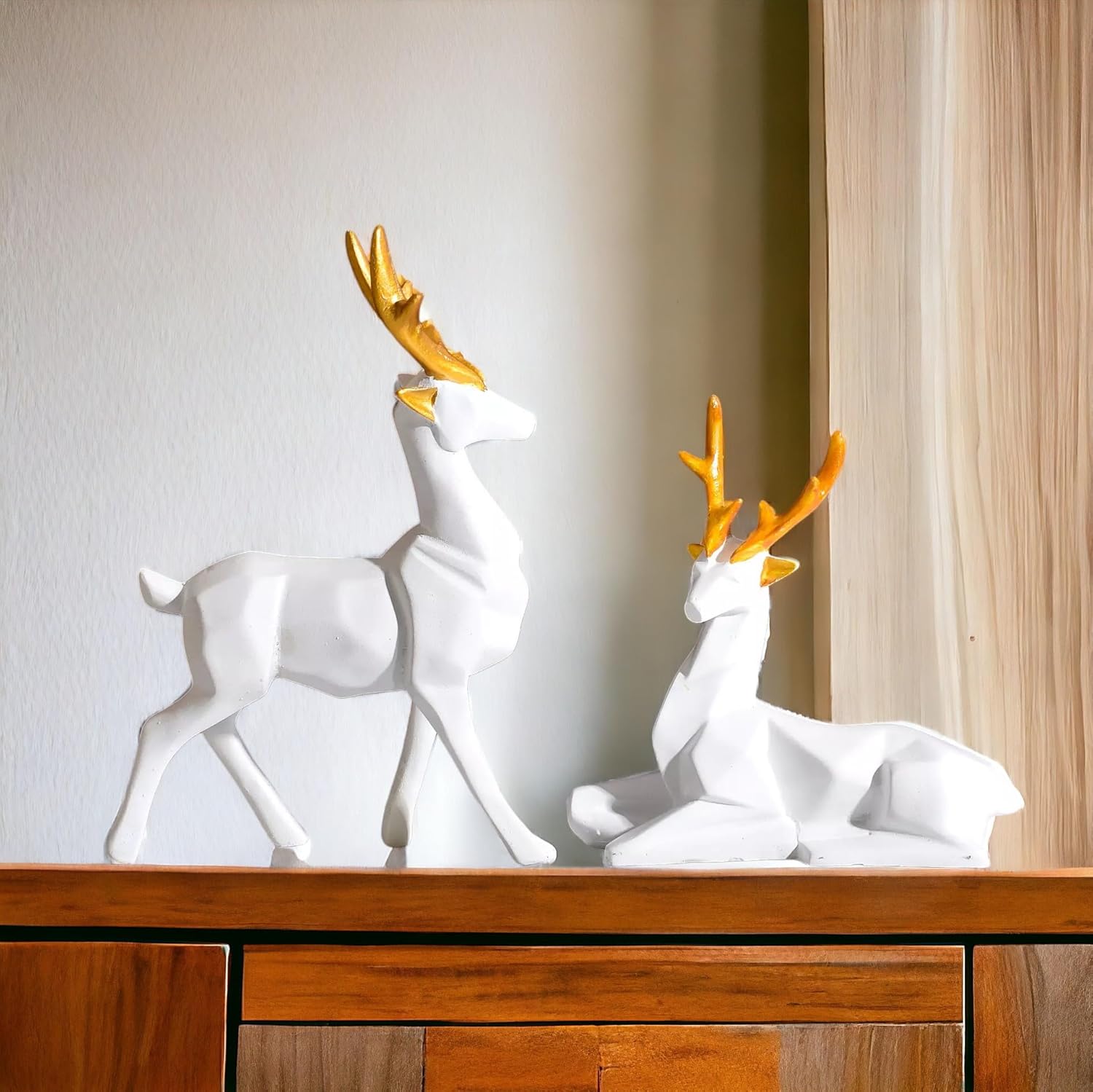
Multi-functional furniture is your best friend here—think storage ottomans that hide your secret snack stash, sofa beds that transform faster than a superhero in a phone booth, or coffee tables with more hidden compartments than a magician's costume. And remember, in small spaces, clutter is your arch-nemesis. A place for everything and everything in its place isn't just good advice—it's the small space manifesto! Try maximizing the charm with smartly selected Small decorative showpieces for tiny apartments that blend function and flair.
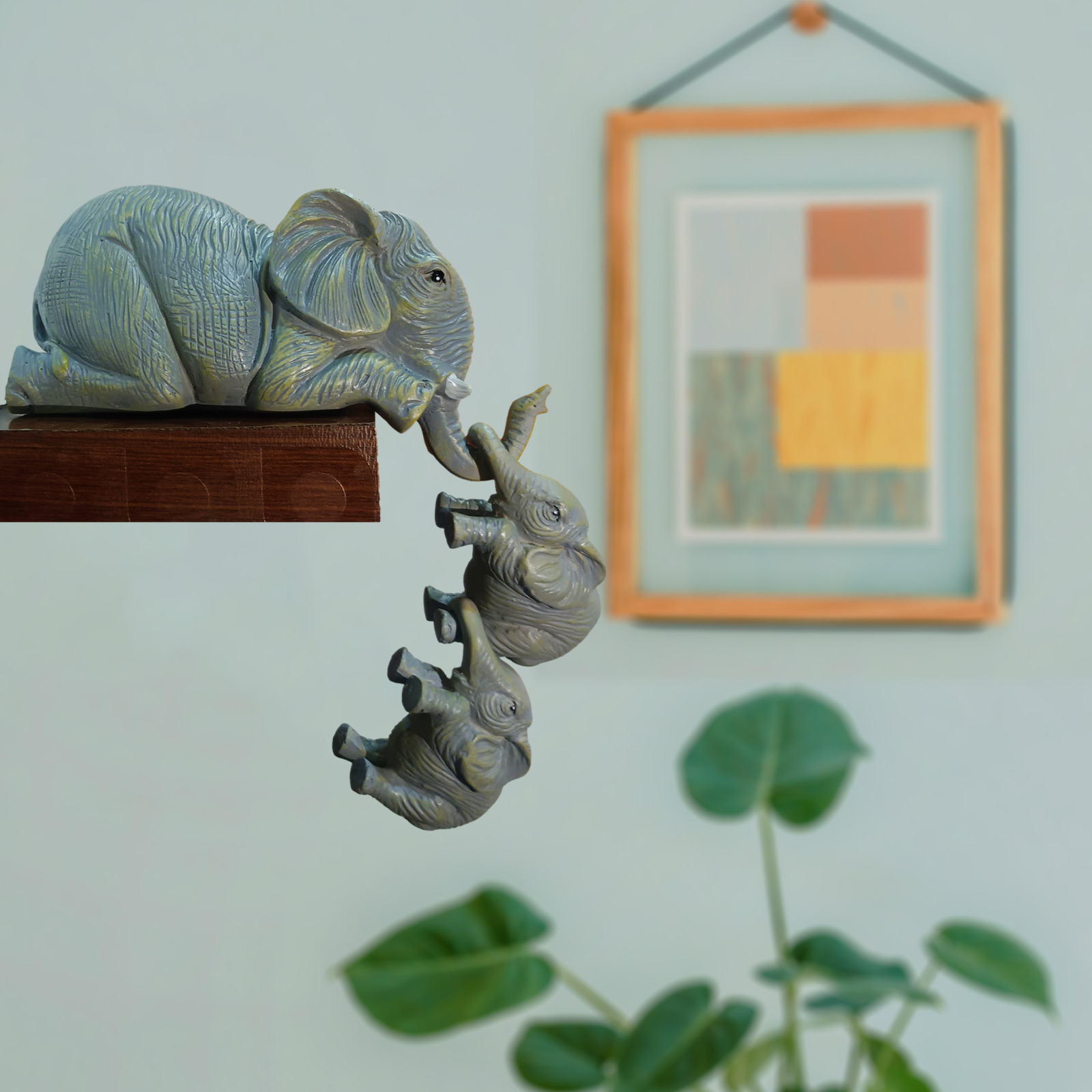
When floor space is at a premium, the only way to go is up! Vertical storage solutions are like finding an extra room you didn't know you had. Tall bookshelves that reach toward the ceiling not only store your impressive collection of unread books but also draw the eye upward, creating the illusion of height and grandeur.
Wall-mounted shelves, hanging planters, and overhead storage racks let you utilize that previously wasted wall real estate. Even your doors can pitch in—over-the-door organizers are perfect for corralling everything from shoes to spices. And here's a pro tip: installing curtain rods closer to the ceiling instead of just above the window frame makes your windows look taller and your ceilings higher. It's like interior design magic—no wand required! Enhance these spaces with Tall showpieces for corner decoration in compact homes to elegantly elevate unused vertical zones.

If I could only recommend one decor item for small spaces, it would be mirrors—the smoke and mirrors of the design world (minus the smoke). Strategically placed mirrors reflect light and create the illusion that your space continues beyond its physical boundaries. It's like creating a portal to another dimension, except it's just showing you more of your own living room!
Try positioning a large mirror opposite a window to bounce natural light throughout the room, or use mirrored furniture for function with a side of space-expanding trickery. A gallery wall of different-sized mirrors isn't just stylish—it's practically adding square footage to your home (at least visually). Just be careful not to create an infinite reflection situation where you can see yourself brushing your teeth from every angle in the house! Complement this illusion of openness using Resin decor statues with reflective finishes for visual expansion.

Lighting can make or break a space faster than you can say "why is this room so depressing?" In small homes, the right lighting strategy is crucial. Ditch the single overhead light that makes your living room feel like an interrogation chamber and opt for layered lighting instead.
Combine ambient lighting (overall illumination), task lighting (for specific activities like reading or cooking), and accent lighting (to highlight your treasured possessions or architectural features). Wall sconces save precious table space while adding a designer touch. And don't forget that natural light is your greatest ally—keep windows unobstructed and use sheer curtains that let the sunshine pour in. Your plants, your mood, and your Instagram photos will all thank you! Consider pairing warm lights with Glazed ceramic vases for accent lighting brilliance that shimmer subtly, casting captivating shadows.
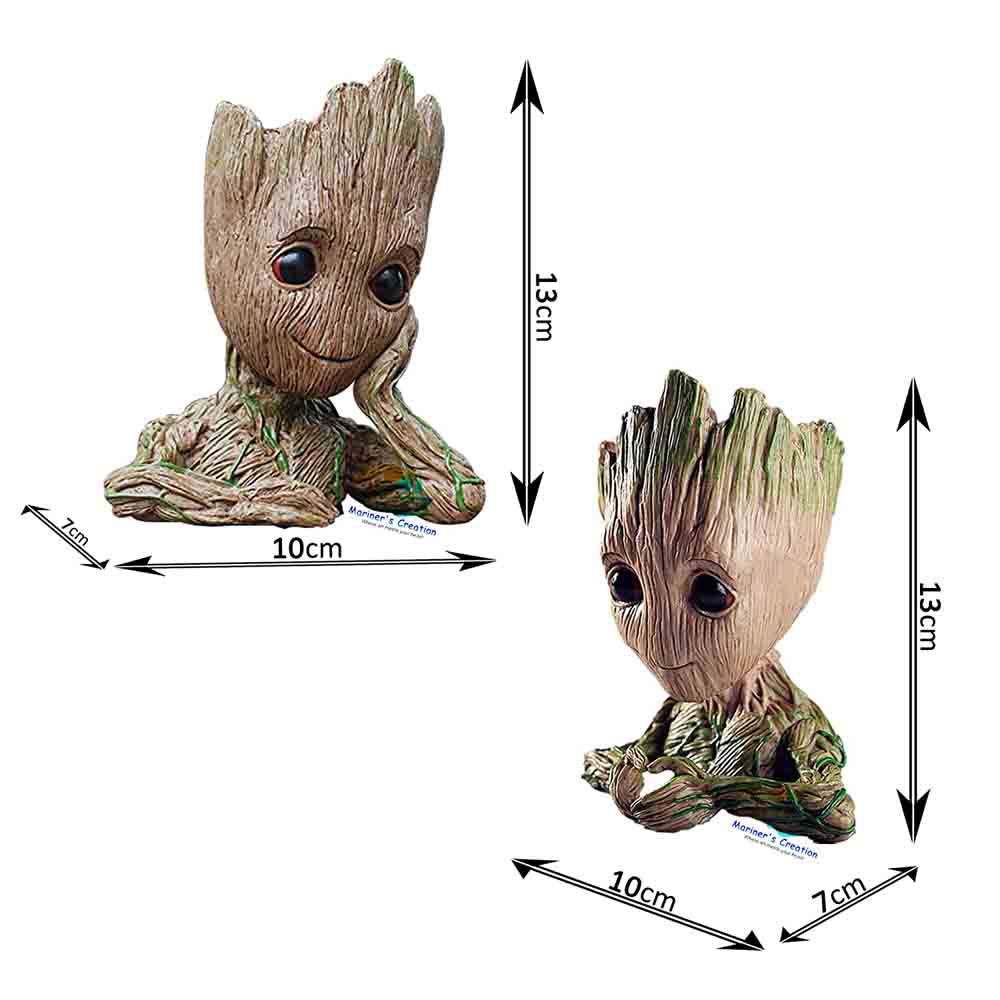
If small spaces struggle with clutter, large spaces battle emptiness. Nothing's sadder than a massive living room with a lonely sofa and coffee table huddling together for comfort in the center. The secret to decorating large spaces is creating distinct zones that flow together harmoniously, like the different neighborhoods of a well-planned city.
Use area rugs to define seating areas, position furniture away from walls to create more intimate conversation spaces, and consider using bookshelves or decorative screens as room dividers. Just because you have the space for an enormous sectional doesn't mean you should get one—sometimes two smaller seating arrangements create better flow and function. Remember, even large homes need to feel cozy, not like you're giving a TED talk every time you speak to someone across the room! Add character through Large artistic showpieces for grand living room corners that bridge vast gaps artfully.

The number one mistake people make when decorating large spaces is using furniture that's too small, creating what designers call the "dollhouse effect." Your furniture should be proportional to your space—substantial rooms need substantial pieces. That adorable accent chair that was perfect in your studio apartment might look like it accidentally shrunk in the wash when placed in your new open-concept living room.
Conversely, cramming oversized furniture into a small space is like trying to fit into your high school jeans—it technically might zip up, but nobody's comfortable and movement is severely restricted. Pay attention to the scale of everything from your furniture to your artwork. And remember, in design as in life, it's all about balance! Utilize Medium-sized abstract statues for balanced statement displays that perfectly suit shelf or table settings.

Colors aren't just pretty—they're powerful psychological tools that can make rooms feel larger, cozier, more energetic, or more relaxing. For small spaces, light colors generally work best for walls, but that doesn't mean everything has to be boring beige! Add pops of bold color through accessories, artwork, or an accent wall to create focal points and personality.
In larger spaces, don't be afraid of deeper, richer colors that can help "bring in" the walls and create a more intimate feel. That dramatic navy blue or forest green might be too overwhelming in a tiny apartment but could be just what your spacious living room needs to feel less cavernous. Think of color as the mood ring of your home—choose hues that reflect the feelings you want to evoke in each space! Imagine the mood-altering appeal of Color-rich ceramic vases for energetic interiors harmonizing with your colorful intent.
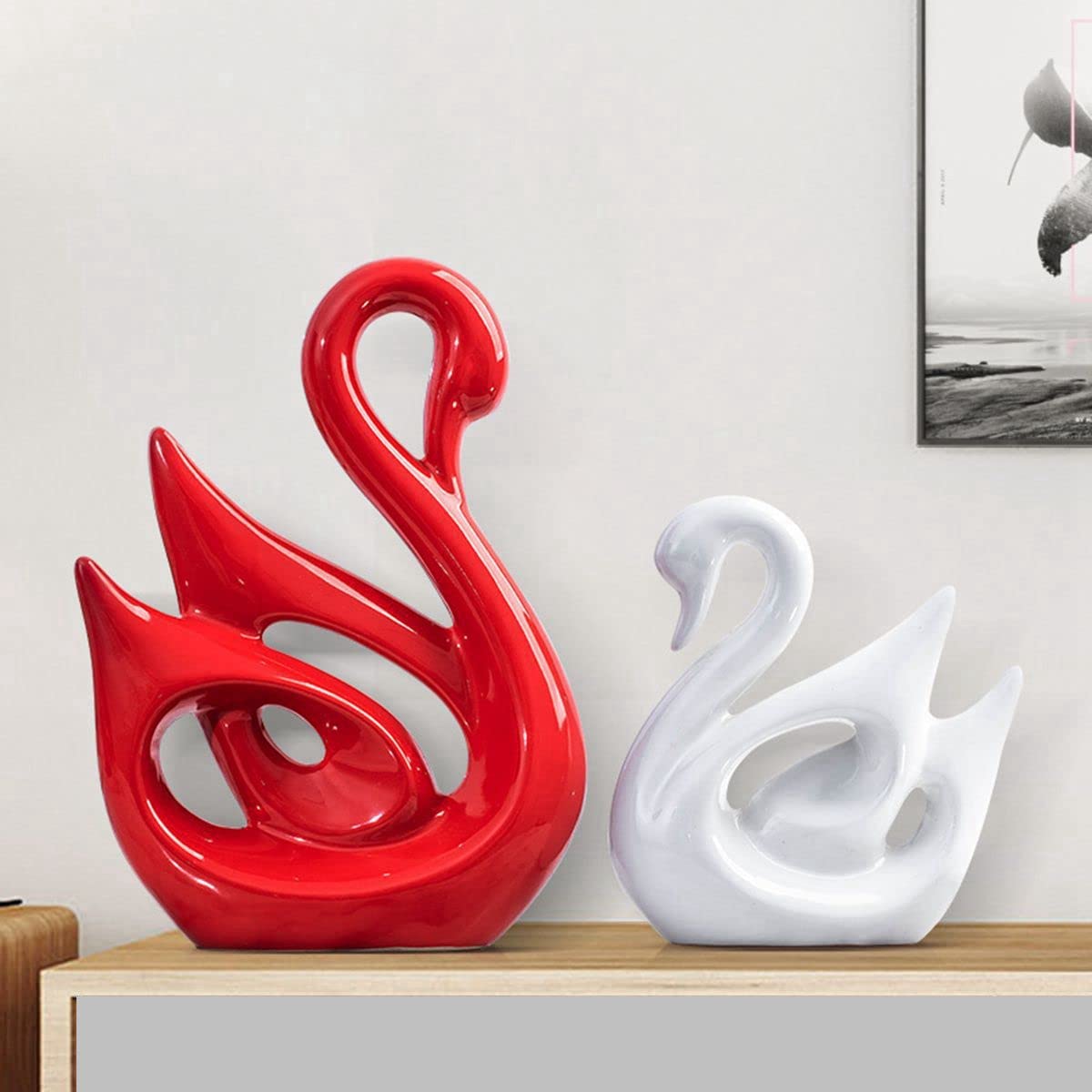
Plants are the ultimate design equalizers—they work in homes of any size, add life and texture, improve air quality, and make you look like you have your life together (even if your laundry has been sitting in the dryer for three days). In small spaces, consider hanging plants to save precious surface area or opt for vertical planters.
For larger homes, statement plants like a towering fiddle leaf fig or a sprawling monstera can fill empty corners and add much-needed organic shapes to balance architectural lines. Just remember that plants are living things, not just decorative objects—choose varieties that match your light conditions and your commitment to plant parenthood. No one needs the emotional guilt of another crispy fern funeral! Pair them with Subtle resin planters perfect for plant-positive aesthetics that support both greenery and design flow.

Let's be honest—no matter how much we try to channel Marie Kondo, we all have stuff. Finding stylish ways to store said stuff is the holy grail of home design. In small spaces, look for furniture with hidden storage—beds with drawers underneath, ottomans that open up, and coffee tables with shelves.
In larger homes, built-ins can be a game-changer, providing personalized storage while adding architectural interest. And remember, not everything needs to be hidden away—open shelving allows you to display treasured items that tell your story. The key is curating what's visible rather than displaying everything you own like it's a yard sale. Your collection of novelty mugs might spark joy, but perhaps they don't all need to be on display simultaneously! Think clever by using Functional decor pieces with storage-friendly features to keep beauty and utility hand-in-hand.
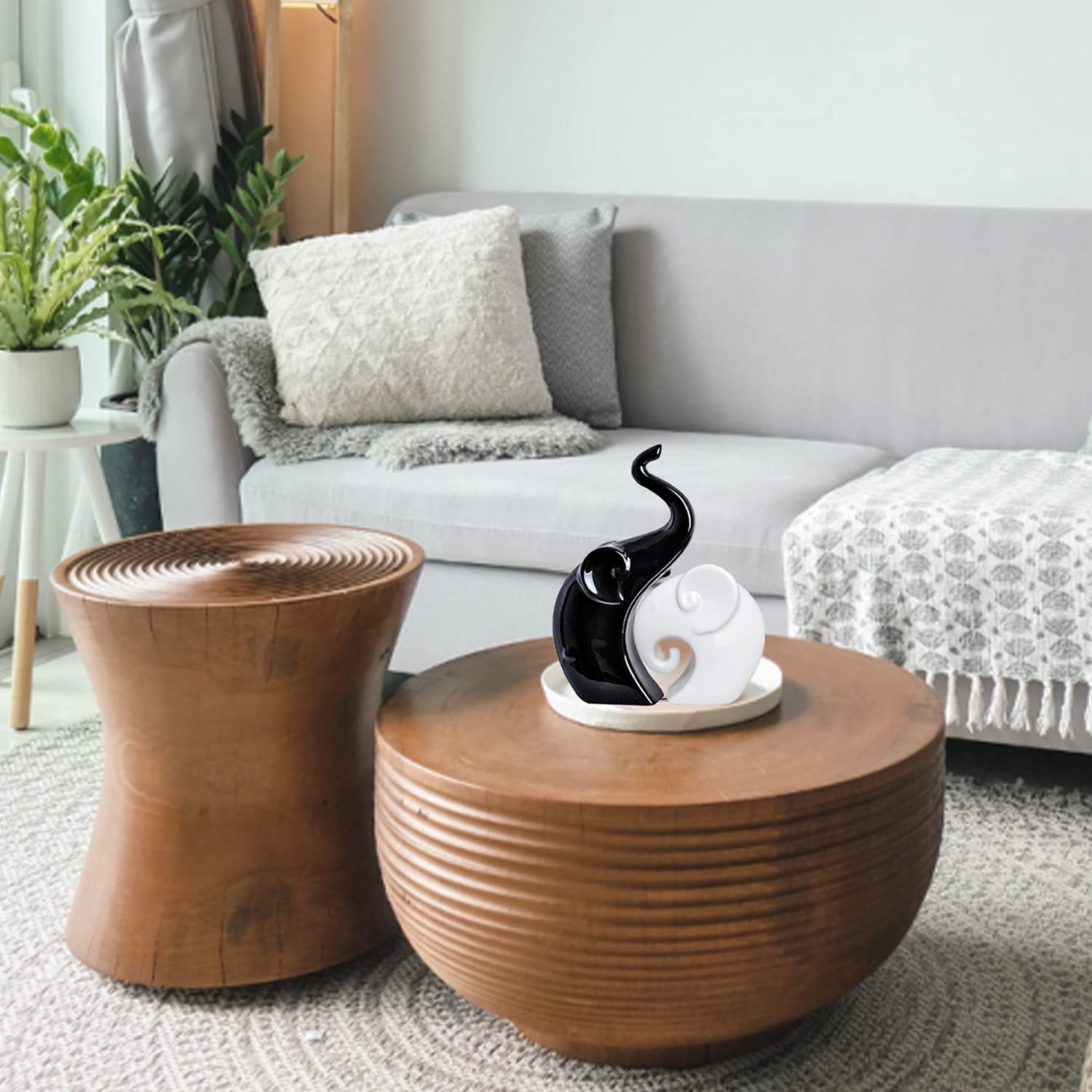
Accessories are like the jewelry of your home—the right pieces can elevate the entire look, but too many can venture into gaudy territory. For small spaces, be ruthlessly selective with your decor items, choosing a few statement pieces rather than numerous small objects that create visual clutter.
In larger spaces, grouping accessories in thoughtful vignettes prevents them from looking like lonely castaways on vast surface expanses. Follow the designer-approved "rule of three" by grouping objects of varying heights and textures in odd numbers. And don't forget that negative space—areas left intentionally empty—is as important as the objects themselves. It gives the eye a place to rest, like a palate cleanser between courses at a fancy dinner! Use Artistic wall hangings to create curated visual vignettes that express your personal design rhythm.

You don't need a celebrity decorator's budget to make significant improvements to your home. Paint remains the most cost-effective way to transform a space—a weekend and a few gallons can completely change the feel of a room. Rearranging furniture costs nothing but might completely refresh your perspective on a space.
Switching out textiles like throw pillows, curtains, or area rugs can introduce new colors and patterns without major investment. And never underestimate the power of a good decluttering session—sometimes the best design decision is removing things rather than adding them. Remember, the most beautiful homes aren't necessarily the most expensive—they're the ones that thoughtfully reflect the personalities of the people who live there! Add statement with Budget-friendly decor showpieces for effortless impact that redefine your room within minutes.
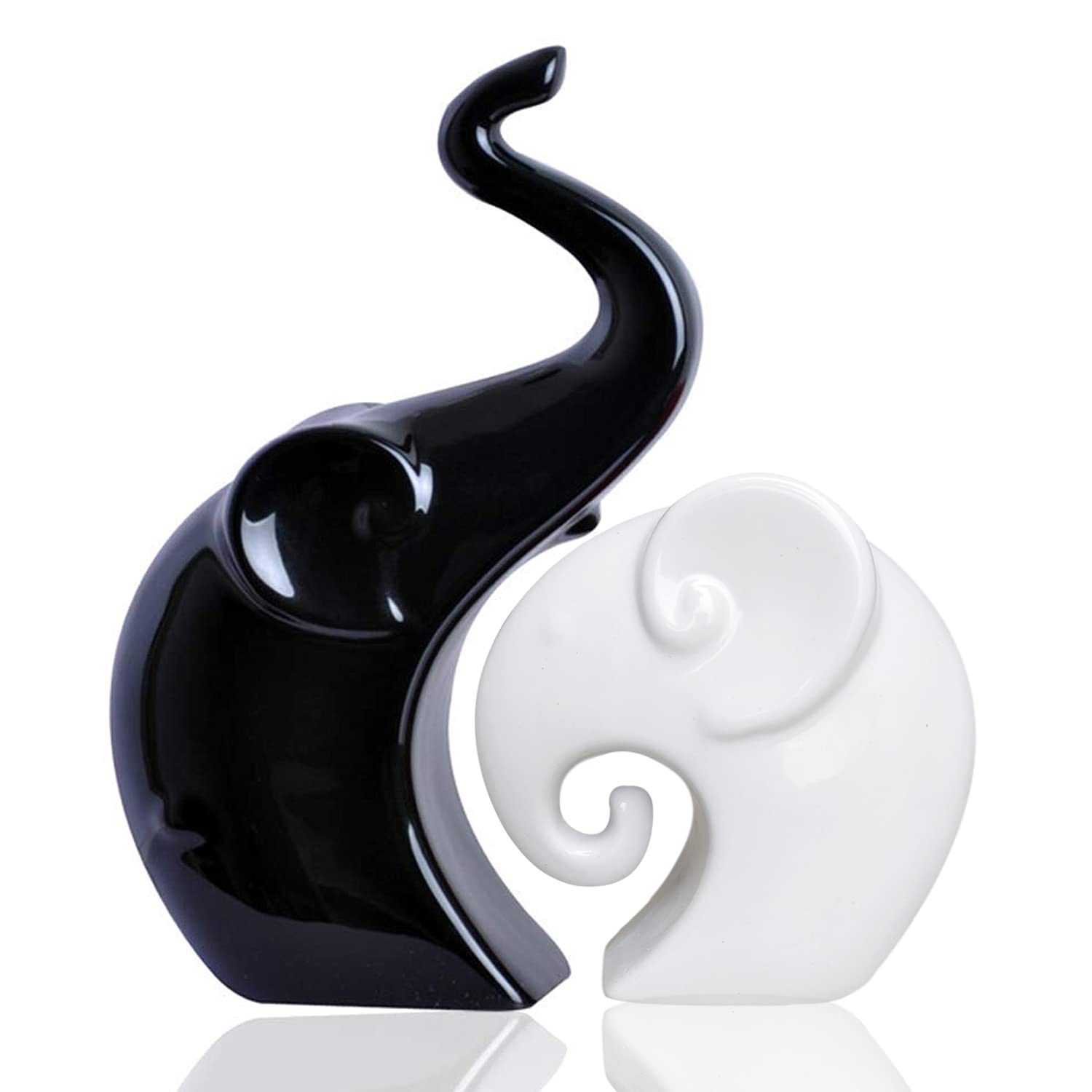
Whether your home is compact or cavernous, the most important design principle is creating a space that feels authentically yours. Incorporate elements that tell your story—family photos, souvenirs from travels, artwork that speaks to you—rather than recreating catalog pictures or Instagram-perfect rooms that have no personal connection.
The most inviting homes mix old and new, high and low, perfect and imperfect. That slightly worn armchair passed down from your grandmother alongside your brand-new sofa creates more interest and character than a perfectly matched furniture set. Design rules are helpful guidelines, but they're meant to be interpreted through your personal lens. After all, home isn't just about how things look—it's about how they make you feel when you walk through the door! Personalize with Classic antique-style decor pieces to echo your story, giving depth and nostalgia to your space.

The 3-4-5 rule is actually a designer's secret weapon for creating perfect right angles in your space! It's based on the Pythagorean theorem (don't worry, no pop quiz) and ensures that corners are truly square. When laying out a room or positioning furniture, if you measure 3 feet along one wall, 4 feet along the perpendicular wall, and the diagonal between those points measures exactly 5 feet, you've got a perfect right angle. It's particularly useful when installing flooring, positioning area rugs, or creating accent walls. Think of it as geometry finally coming in handy after all these years!
For 2025, we're seeing a delightful blend of high-tech functionality and nature-inspired comfort. Biophilic design continues to dominate, with sustainable materials, living walls, and organic shapes taking center stage. Smart home features are becoming more seamlessly integrated and less visibly techy. Color trends are leaning toward earthy neutrals punctuated with rich, saturated hues like terracotta, olive green, and deep blue. Curved furniture is making a major comeback, softening the hard edges of our digital lives. Perhaps most notably, multifunctional spaces are essential as homes continue to serve as offices, gyms, schools, and sanctuaries all at once. The 2025 home is adaptable, sustainable, and designed to support both physical and mental wellbeing!
The 2/3 rule is your foolproof formula for perfect proportions! This principle suggests that decorative elements should take up about two-thirds of the space they're meant to fill. For example, your sofa should be about two-thirds the length of the wall it sits against, art should cover about two-thirds of the wall space above furniture, and a coffee table should be roughly two-thirds the length of your sofa. This creates visual harmony without making spaces feel either too crowded or too empty. Think of it as the Goldilocks principle of decorating—not too much, not too little, but just right! It's an easy way to achieve that professional designer look without the professional designer price tag.
The small-space expansion pack includes several visual tricks! First, embrace light colors for walls and large furniture pieces to create an airy feeling. Install curtain rods closer to the ceiling and hang floor-length curtains to create the illusion of height. Mirrors are your best friends—position them strategically to reflect light and visually double your space. Choose furniture with exposed legs rather than pieces that sit directly on the floor—seeing more floor creates the impression of more space. Keep clutter contained with smart storage solutions, and be ruthless about what you display. Consider glass or lucite furniture that doesn't visually take up much space. Finally, proper lighting is crucial—dark corners shrink a room, so layer different light sources to brighten every angle. Your small space might still be small in square footage, but it'll feel much more generous in proportion!


