The interior design principles — and the material specs behind them — that separate a curated Indian home from a cluttered one.
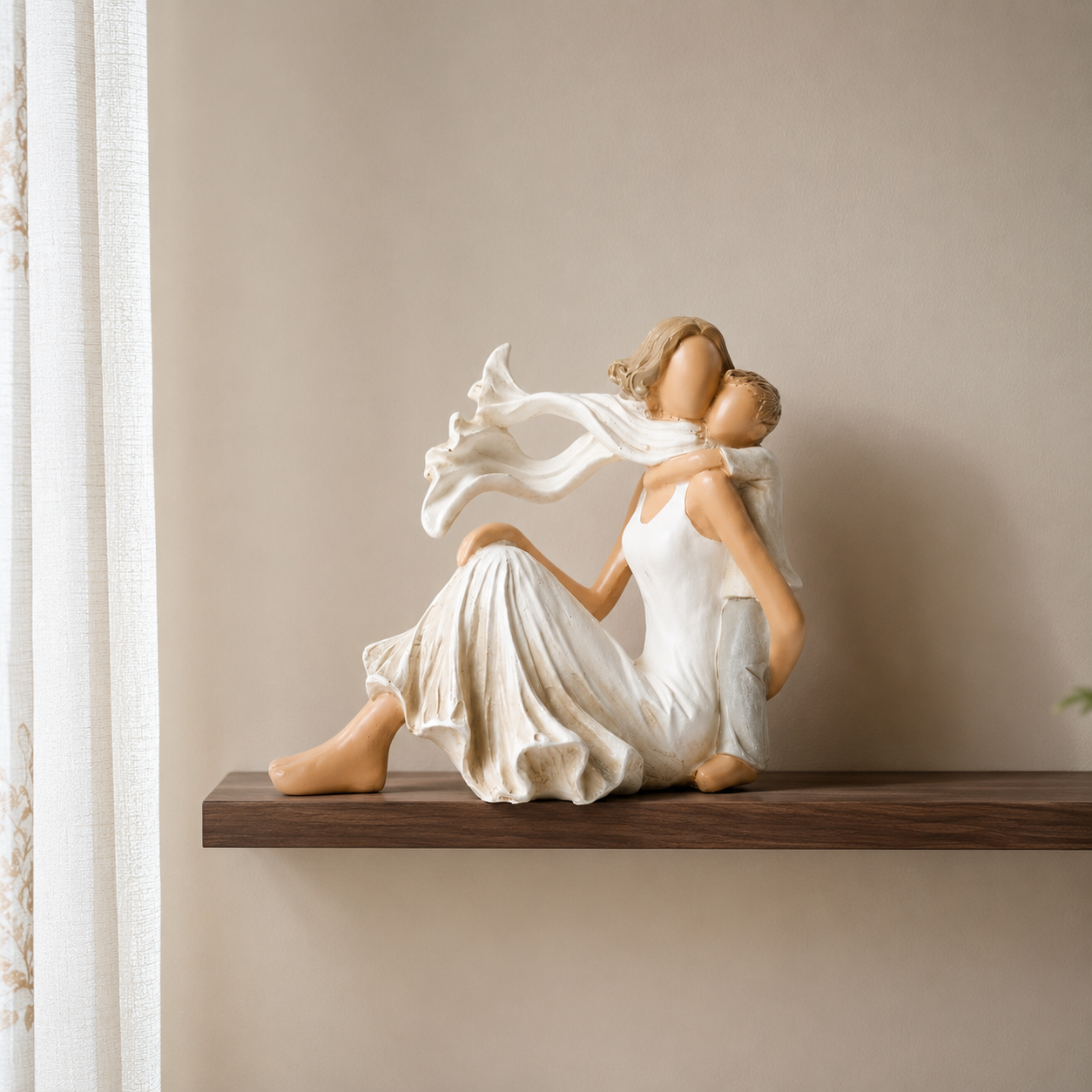
A home looks expensive when it has fewer, better objects instead of many mediocre ones — restrained color, deliberate negative space, and a handful of high-quality anchor pieces like a statement wall art or a well-finished showpiece. It has nothing to do with how much you spend; it has everything to do with what you choose not to display. We help design-conscious Indian homeowners create this curated look using manufacturer-direct décor engineered for Indian humidity and space, priced from ₹150.
Expensive-looking homes are not defined by brand names or price tags — they are defined by editing. Interior stylists consistently point to three visual habits: a limited, cohesive color palette; deliberate empty space around objects instead of wall-to-wall clutter; and a small number of high-impact pieces rather than dozens of small trinkets competing for attention. Indian homes, in particular, often default to more décor rather than better décor, because gifting culture and festive shopping add pieces faster than they get edited out.
The fix is not a renovation. It is a shift from "collecting" décor to "curating" it. A living room with one striking canvas wall art, one well-placed ceramic showpiece, and visible shelf space reads as considered and premium — even if every piece cost under ₹1,000. A living room with fifteen small souvenirs crowding a shelf reads as cluttered, regardless of what any single item cost. This is the single biggest lever homeowners can pull without spending more money at all — simply spending it more intentionally.
These are the habits interior designers repeat across every "expensive-looking" room, whether it's a 300 sq ft apartment in Mumbai or a bungalow living room. Apply even three or four of these and the shift in how a room reads is immediate.
One anchor piece per surface beats five small ones. Empty space around an object makes that object look more valuable.
Mixing ceramic, resin, and canvas works when finishes (matte vs glazed) repeat across the room instead of clashing.
A large-format canvas wall art above the sofa gives the eye a single place to land, instead of scanning a busy wall.
Expensive rooms mix textures and heights deliberately — a matte resin piece next to a glazed ceramic one adds depth, not chaos.
Undersized décor on a large wall or console reads as an afterthought. Size the piece to the surface, not the budget.
Two or three repeating tones across cushions, art, and showpieces read as designed. Random colors read as accumulated.
This is where "expensive-looking" and "actually well-made" start to overlap — and it's the part most buyers never check before purchasing. Mass-produced décor sold cheaply in India is often made from low-grade resin or thin ceramic that chips, yellows, or warps within a monsoon season, which is exactly what makes a room look cheap again within months. Moolwan manufactures in-house and builds every category to a published spec, which is a level of transparency most décor brands don't offer.
| Category | Moolwan Specification | Why It Reads as "Expensive" |
|---|---|---|
| Canvas Wall Art | 340 GSM cotton canvas, eco-solvent UV-resistant inks, 1.5-inch kiln-dried pine frame, moisture-resistant coating | Colors stay true instead of fading; the frame doesn't warp in humidity, so it hangs flat for years, not months |
| Ceramic Showpieces | 92% clay composition, heat-resistant to 60°C, humidity-tolerant to 85% RH, 15cm drop-resistant, 5+ year lifespan | Holds a crisp glaze and clean edges rather than the dull, porous finish typical of low-grade ceramic |
| Resin Accents | 94% purity epoxy resin, 3H pencil-hardness scratch resistance, humidity tolerance to 60% RH, 3+ year indoor lifespan | Stays glossy and scratch-free on a coffee table, instead of clouding or scuffing within weeks |
Size and weight matter just as much as material. Moolwan pieces are grouped as Small (10–16cm, ideal for a shelf, desk, or bathroom ledge), Medium (16–21cm, built for a showcase or coffee table), and Large (25–34cm, designed to be a room's focal point) — and every piece stays between 150g–600g, light enough for Indian wall types and shelving without reinforcement. If you're building a shelf or console from scratch, browse Moolwan's showpieces for the living room and match each size band to its intended surface rather than guessing.
See the specs on every piece before you buy — not after it arrives.
Shop Living Room Showpieces from ₹150Not every surface deserves equal budget. These four moves consistently deliver the most visible change for the least spend, in the order most Indian homeowners should tackle them.
Pick one large-format canvas wall art sized to at least two-thirds the width of the sofa or console beneath it. This single move does more visual work than any other single purchase in the room.
Remove everything, then reintroduce only pieces that earn their place — one Medium showpiece, one Small accent, and visible negative space between them reads as styled, not sparse.
Use a resin or ceramic accent that pulls a color already present in the cushions or art. Repetition, not variety, is what makes a room feel put together. Moolwan's modern home décor collection is sized specifically for coffee tables and consoles in Indian apartments.
A single Large statement piece at the entrance sets the tone for the whole home before a guest has even sat down — this is the highest-visibility, lowest-cost upgrade available.
Avoiding these five mistakes costs nothing extra — it's purely a matter of what you choose to leave off the shelf. For a full edit of pieces designed specifically to solve this problem, explore Moolwan's trendy decor edit for transforming a living room into a modern haven, curated around exactly this restraint-first approach.
Yes. Editing what's on display, adding one large-format wall art as a focal point, and choosing two or three well-made showpieces over many small ones changes how a room reads without touching a wall, floor, or fixture.
Remove clutter first — it's free. Then add one anchor piece, such as a canvas wall art or a Large showpiece, sized to the main wall or console. Moolwan's entry pieces start at ₹150, making this achievable on almost any budget.
Yes, over time more than immediately. Low-grade resin and thin ceramic dull, chip, or warp within months in Indian humidity, which makes a room look cheap again quickly. Higher-spec materials, like Moolwan's 94%-purity resin or 92% clay ceramic, hold their finish for years.
Two to three pieces per shelf section, mixing one Medium and one Small size, with visible gaps between them, generally reads as curated. More than four crowded pieces per section starts to read as clutter.
Moolwan accepts returns within 24 hours of delivery on unused items in original packaging, with a 10% restocking fee and refunds processed within 15 working days — so testing a piece in your space carries limited risk.
Ready to edit your space instead of adding to it? Start with one anchor piece.
Shop Modern Home Decor ItemsRuchi Malhotra, Founder & CEO, Moolwan (Euphorica Ventures Pvt Ltd), Bangalore. Moolwan is India's manufacturer-direct source for modern home décor, wall art, and curated gifts — engineered for Indian climate and space, and priced without middlemen markup.
Quick View



