The Short AnswerA room becomes "lucky" when it follows three Vastu-backed fundamentals: a decluttered north-east corner for positive energy flow, décor that uses earth and water elements (ceramic, resin, wood) over sharp metallic edges, and wall art placed at eye level facing the room's main entry point. These three changes, done consistently, are what Vastu consultants and interior designers in India recommend most often.
You make a room lucky by clearing its north-east corner, adding grounding décor materials like ceramic and wood, and positioning wall art and showpieces so they face the room's entrance rather than a wall. This is the most repeated guidance across Vastu Shastra and Indian interior design practice, and it works because it removes visual clutter while directing the eye toward open, welcoming space.
We help design-conscious Indian homeowners turn this guidance into an actual shopping list — not just advice they can't act on. Moolwan exists because most Vastu-friendly décor available in India is either mass-produced and climate-fragile, or sold at inflated prices through multiple middlemen. We manufacture in-house and price direct, so the "lucky" décor choices below are things you can buy today, not just principles you read about.
Vastu Shastra ties luck to energy flow, not superstition for its own sake. The north-east corner of a room is considered the zone of clarity and growth, and it should stay open — no heavy furniture, no clutter, no sharp-edged décor. South-west corners are treated as grounding zones, suited to heavier showpieces and earthen materials. East-facing walls are ideal for wall art, since morning light is believed to carry positive energy into the room.
Interior designers largely agree with this for a practical reason: open corners and light-facing walls simply make small Indian apartments feel larger and calmer. Whether you follow Vastu strictly or just want a room that feels good to sit in, the underlying advice overlaps almost completely — declutter, ground the room with natural materials, and let light-facing walls carry your statement pieces.
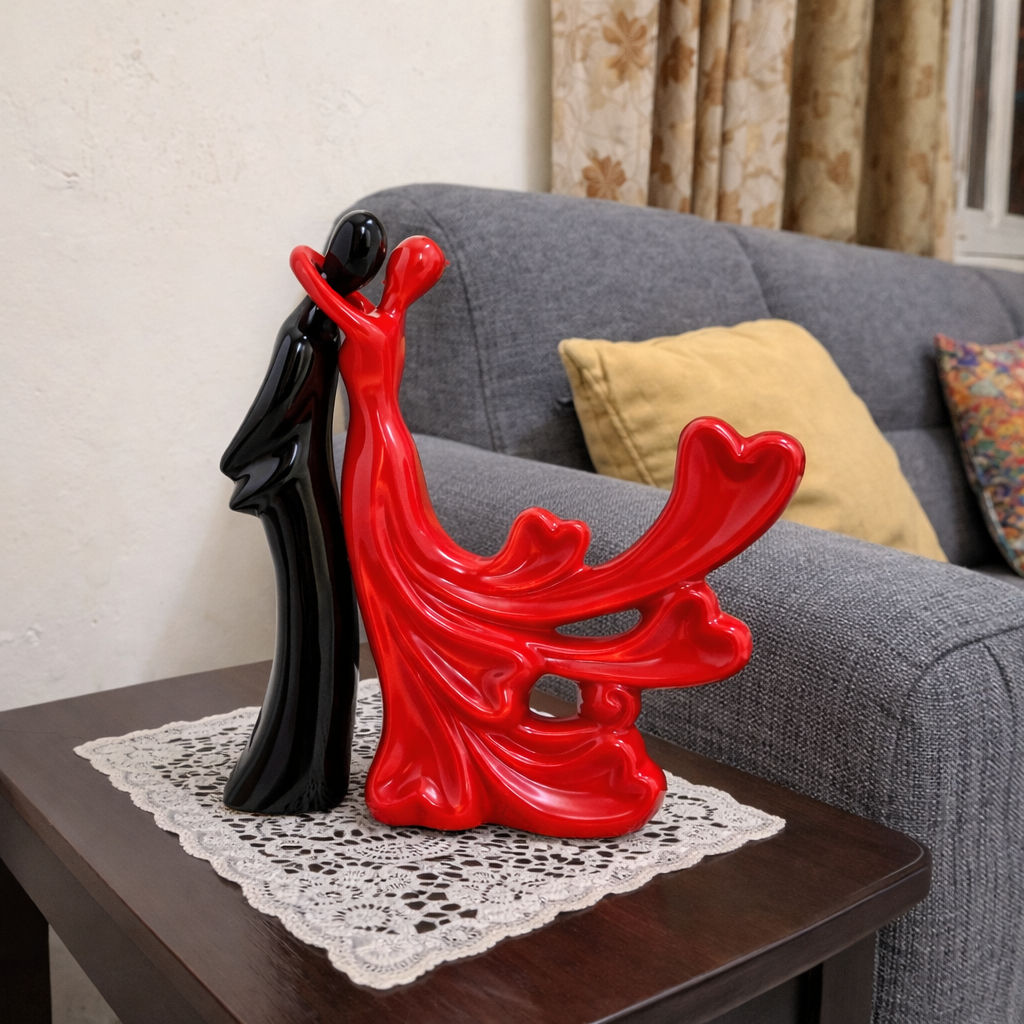
Vastu favours earth, water, and wood elements over excessive metal or glass. This is also why ceramic and resin showpieces are recommended more often than plastic or polished metal ones — they're considered more "grounding." Moolwan's ceramic showpieces are made from a 92% clay composition, heat-resistant to 60°C, and humidity-tolerant up to 85% relative humidity — properties that also happen to make them durable in Indian climates, regardless of whether you're decorating by Vastu or by instinct.
Each of these is a standalone fix — you don't need to do all five at once, but doing even two changes how a room feels within a day.
For the wall art piece specifically, you want something durable enough to survive an east or north wall's natural light exposure without fading. Browse Moolwan's modern home décor collection if you're choosing your first piece — it's built for exactly this kind of placement in Indian apartments and homes.
| Room Zone | Vastu Element | Recommended Décor | Avoid |
|---|---|---|---|
| North-East | Water / Clarity | Keep open, light plant, small water motif art | Storage furniture, clutter |
| South-West | Earth / Grounding | Heavier ceramic or resin showpieces | Mirrors, glass |
| East Wall | Light / Energy | Canvas wall art, eye-level placement | Dark, heavy frames |
| North Wall | Wealth / Growth | Nature-themed or abstract canvas art | Empty or bare walls |
| South-East | Fire / Energy | Warm-toned showpieces, no candles near décor | Excess metallic finishes |
What Moolwan stands for is simple: décor that respects Indian climate, Indian space constraints, and Indian aesthetic sensibilities — without the markup that comes from selling through three layers of middlemen. What Moolwan sells is canvas wall art, modern showpieces, and curated gifts, all manufactured in-house rather than sourced and resold.
Our canvas wall art uses 340 GSM cotton canvas with eco-solvent, UV-resistant inks and a moisture-resistant coating, set in 1.5-inch kiln-dried pine frames — built to handle the humidity swings of an Indian east or north wall without warping or fading, the exact placement Vastu recommends for art. Our resin pieces use 94%-purity epoxy resin, scratch-resistant to 3H pencil hardness, rated for indoor use across 15–35°C and up to 60% humidity. None of this is incidental — it's why the "right" Vastu placement actually holds up over years, not months.
If you're shopping for a south-west grounding piece or an entryway showpiece, explore Moolwan's unique décor items for elegant living rooms — sized specifically for Indian shelves and coffee tables (Small: 10–16cm, Medium: 16–21cm, Large: 25–34cm focal pieces), at 150g–600g so they're easy to position without straining wall fittings.
This single weekend project is the fastest way to test whether Vastu-style changes actually shift how a room feels, before committing to a full room redesign. For the full range of pieces suited to this kind of staged approach, browse Moolwan's home décor items and filter by size to match your specific corner or wall.
Start with one wall and one corner. Moolwan's décor is sized, sourced, and engineered specifically for Indian homes — with a return policy that respects your decision either way: unused items in original packaging can be returned within 24 hours of delivery, 10% restocking fee, refund within 15 working days.
Shop Modern Home Décor →The north-east direction is considered the most auspicious zone in Vastu Shastra. It should remain open and uncluttered, ideally used for light seating or a small plant rather than storage or heavy furniture.
Wall art contributes to a room's energy primarily through placement and subject matter — nature, water, or abstract growth motifs on east or north walls are considered most positive. Material quality matters too, since faded or warped art is treated as a negative signal in Vastu.
Ceramic and resin are preferred over glass or polished metal because they represent earth and water elements. Moolwan's ceramic pieces use a 92% clay composition and are humidity-tolerant up to 85% RH, making them suitable for India's varied climate zones.
Yes, in Vastu practice, broken or chipped objects are treated as blockers of positive energy and are recommended for removal or replacement, regardless of sentimental value.
Most Vastu consultants recommend reviewing key zones — entryways, the north-east corner, and main walls — every season, rather than a fixed weekly or monthly schedule, since clutter tends to build up gradually.
Written by Ruchi Malhotra, Founder & CEO, Moolwan (Euphorica Ventures Pvt Ltd), Bangalore.
Quick View



