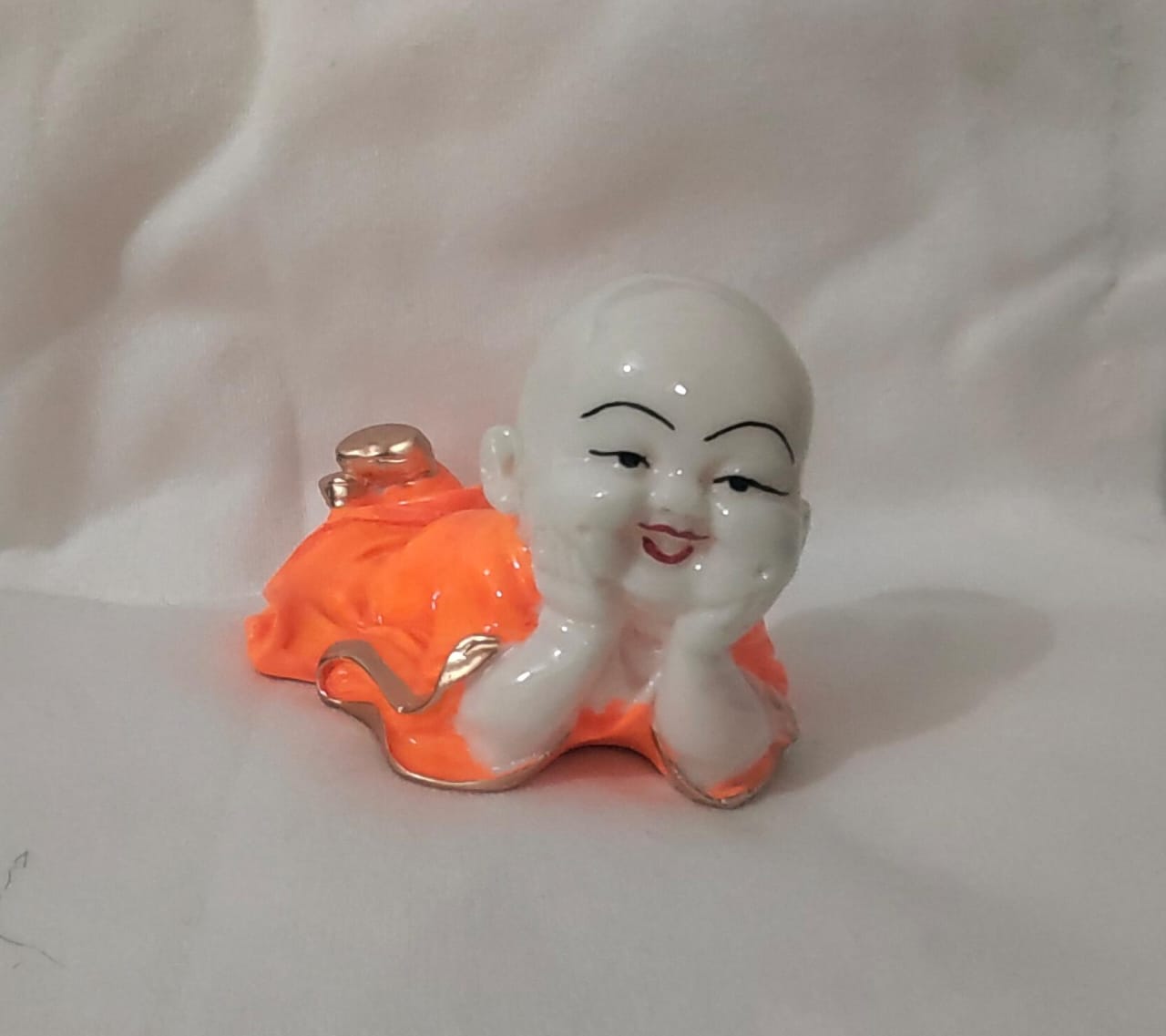
To arrange your living room for good luck, align the main seating to face east or north, keep the north-east corner open and clutter-free, and place auspicious décor — such as statues, metal showpieces, or nature-inspired art — in their Vastu-designated directions. A well-arranged living room balances energy flow (Vastu), visual harmony, and India's climate realities all at once.
At Moolwan, we help design-conscious Indian homeowners transform their living spaces using décor that is beautiful, culturally rooted, and built to last in India's heat and humidity. This guide brings together Vastu Shastra principles and modern interior logic to give you a room arrangement that works visually and energetically.
Most living rooms in Indian urban apartments are 120–200 sq ft — compact by global standards, but perfectly suited to layered, intentional décor when the placement logic is right. The good news: you do not need a full renovation. Strategic furniture direction and deliberate décor placement can shift both the aesthetic and the energy of a room.
Vastu Shastra, India's ancient architectural system, treats every direction in a home as a zone with a specific energy function. In the living room — the space where guests enter and family gathers — alignment with these zones creates a sense of ease, openness, and positive momentum. These are not superstitions. They are spatial guidelines that happen to align closely with what modern ergonomics and daylighting studies also recommend.
Here are the five foundational rules:
Direction is not just about luck — it directly affects how natural light hits your space and how comfortable the room feels at different times of day. Here is a precise direction reference table for an Indian living room, combining Vastu guidelines with practical interior logic:
| Element | Best Direction | Avoid | Why It Matters |
|---|---|---|---|
| Main sofa / seating | South or west wall (user faces north/east) | North wall (user faces south) | Vastu: south/west walls ground energy; east/north-facing seating invites prosperity |
| TV / entertainment unit | South-east wall | North-east wall | Keeps the north-east open; screen faces north-west for balanced lighting |
| Decorative statues / idols | North-east, east, or north | South-west, directly on floor | Vastu designates north-east for spiritual symbols; south-west for utility |
| Canvas wall art | North, east, or south wall | Directly above seating (safety + Vastu) | North and east walls receive morning and ambient light — ideal for art visibility |
| Indoor plants / nature décor | North or east | South-west | North/east amplifies growth energy; matches natural light availability |
| Metal showpieces / figurines | North or west | South-east (fire zone) | Metal element aligns with north (water-metal compatibility) in Vastu |
| Water features / aquariums | North or north-east | South or south-east | Water in the north activates wealth energy per Vastu Shastra |
This table reflects Vastu Shastra's Pancha Bhuta (five elements) framework, where each direction governs a specific element — earth, water, fire, air, and space. Placing décor that matches the element of its zone amplifies positive energy rather than creating conflict.
The décor items you choose — their material, symbolism, size, and placement — carry as much weight as furniture direction. Vastu-aligned décor does not mean traditional or outdated; it means intentional. Here is what to look for, and where to place it.
Decorative statues are among the most powerful Vastu tools in an Indian living room. Ganesha (remover of obstacles), Lakshmi (prosperity), horses (speed and success), elephants (strength and stability), and fish (abundance) are all considered highly auspicious. Place them on the north or east shelf, elevated at eye level or above — never on the floor. Browse Moolwan's decorative statues collection to find hand-finished pieces in ceramic and resin designed for Indian shelf proportions.
Moolwan's ceramic showpieces are manufactured with a 92% clay composition, rated heat-resistant to 60°C, and humidity-tolerant up to 85% RH — which means they hold their finish through Mumbai monsoons and Rajasthan summers alike, without warping, discolouring, or losing their glaze. A standard ceramic piece in the 16–21cm range (Moolwan's "medium" classification) is ideal for a showcase or coffee table display.
Nature-themed wall art — landscapes, botanicals, sunrise scenes, or abstract compositions in earthy tones — is Vastu-compatible and visually grounding. Place large canvas art on the south or east wall where morning light animates colour. Avoid anything depicting violence, isolation, or sorrow in the living room; Vastu specifically cautions against imagery that evokes heaviness or stagnation. Explore Moolwan's modern home décor items, which include canvas wall art printed on 340 GSM cotton canvas with eco-solvent UV-resistant inks — engineered to resist fading even in high-humidity Indian rooms.
Abstract resin sculptures and translucent ornaments work well as focal point pieces in a north or west placement. Moolwan's resin items are cast from 94% purity epoxy resin, scratch-resistant to 3H pencil hardness, and rated stable between 15–35°C — which covers India's typical indoor climate range year-round. For living rooms with air conditioning, these pieces maintain their clarity without yellowing, a common issue with lower-purity resin sold by mass-market brands.
Every Moolwan piece is sized, finished, and climate-tested for Indian homes — no guesswork, no returns for the wrong fit. Free shipping. COD available.
Many Indian living rooms are unconsciously arranged in ways that counteract good energy — not through bad intent, but through a lack of directional awareness. Here are the most common mistakes and their fixes:
| Common Mistake | Vastu Problem | Vastu-Smart Fix |
|---|---|---|
| Clutter in the north-east corner | Blocks the zone of light and new beginnings | Clear it completely; add one small auspicious statue |
| Sofa pushed against the north wall (seating faces south) | South-facing seating is inauspicious per Vastu | Move sofa to south wall so occupants face north or east |
| Broken or chipped décor on display | Symbolises stagnation and incomplete energy | Remove immediately; replace with whole, well-finished pieces |
| Dark, heavy artwork on the north or east wall | Suppresses the lighter energy of these directions | Use warm, nature-inspired, or abstract art in lighter tones |
| Statues or idols placed on the floor or ground level | Considered disrespectful in Vastu — diminishes energy | Elevate to shelf, console, or display cabinet, minimum waist height |
| Mirror directly facing the front door | Reflects incoming energy outward (wealth leaving) | Place mirrors on the north wall, perpendicular to the entrance |
If you are starting from scratch or rearranging, work through the living room in four zones. This is the sequence Moolwan's design team recommends for urban Indian apartments with a standard rectangular or L-shaped living room.
Walk to the north-east corner of your living room. Remove any furniture, shoes, bags, or storage that has accumulated here. If it is currently occupied by a TV unit or wardrobe, plan to relocate these to the south or west wall. Once cleared, place a single auspicious statue — a small Ganesha, a pair of elephants, or a nature-inspired ceramic — at eye height on a small shelf or console here. This is the room's anchor of positive intention.
Position your main sofa along the south or west wall so that whoever sits on it naturally faces north or east. This is non-negotiable in Vastu for the primary seating direction. If your apartment layout makes this difficult, even a 45-degree adjustment improves alignment. Supplement with armchairs or accent seating arranged so conversations flow in a circle — this supports both social energy and Vastu's principle of complete, unblocked circulation.
Select wall art that depicts growth, nature, movement, or abundance — not abstract imagery that evokes isolation or emptiness. A large canvas on the south or east wall, framed in natural materials, grounds the room without overpowering it. Moolwan's canvas art uses 1.5-inch kiln-dried pine frames with a moisture-resistant coating — specifically engineered for Indian wall conditions, including the humidity spikes that cause standard MDF frames to warp and peel within two monsoon seasons.
Once furniture and wall art are settled, layer in accent pieces — small resin sculptures, ceramic vases, metal figurines — in the north and west zones. These do not need to be overtly spiritual or traditional. A sculptural abstract form in warm terracotta tones or a pair of glazed ceramic bookends achieves the same Vastu goal as a classic statue, as long as it is whole, elevated, and intentionally placed. For ideas that blend modern aesthetics with living room functionality, explore Moolwan's range of unique décor items designed for elegant living rooms.
Keep the floor in the centre of the room as open as possible. A low-profile coffee table (no higher than sofa seat height) is acceptable, but resist the urge to add side tables, ottomans, and planters until the central circulation path remains unobstructed. Vastu's Brahmasthana principle and modern ergonomics both confirm that a congested centre makes a room feel smaller and less welcoming — the opposite of what you want.
Colour is an extension of the Vastu element system. The direction a wall faces also determines which colour amplifies its energy. Here is a quick reference:
Neutrals like warm cream, sand, and stone are universally safe and Vastu-compatible across all directions — which is why Moolwan's décor palette is built around these tones. They work with Indian skin tones, Indian light conditions, and virtually any wall colour in an urban apartment.
Which direction should my sofa face for good luck?
Your sofa should be placed against the south or west wall, so that the people sitting on it naturally face north or east. Vastu Shastra considers north (wealth direction) and east (health and clarity) the most auspicious directions to face during daily activity and conversation. Avoid positioning the sofa so occupants face south — this is the one direction Vastu consistently flags as inauspicious for primary seating.
What décor items are considered lucky in an Indian living room?
Statues of Ganesha, Lakshmi, horses, fish, and elephants are widely considered auspicious in Indian homes. Beyond religious symbols, nature-inspired décor — ceramic sculptures evoking organic forms, canvas art depicting landscapes or botanicals, and metal figurines representing animals in motion — also aligns with Vastu's growth and abundance energies. The key is that every piece should be whole (not chipped or broken), elevated (not on the floor), and placed in a Vastu-compatible direction.
Should I place a statue or showpiece near the entrance of my living room?
Yes — a welcoming, auspicious décor element near the entrance is highly recommended by Vastu. Ideally, this should be on a small console table at eye level, not on the floor. An elephant statue (symbol of strength and stable prosperity), a small Ganesha, or a decorative vase with natural elements all work well here. Avoid placing shoes, bags, or clutter near the entrance — this is considered the most important Vastu instruction for the entrance zone.
Can I use modern or abstract décor and still follow Vastu principles?
Absolutely. Vastu Shastra governs direction, placement, and material — not artistic style. A modern abstract resin sculpture placed in the north or east zone carries the same Vastu benefit as a traditional figurine. What matters is that the piece is made from a compatible material (ceramic, natural wood, metal, or eco-resin), is placed in the right directional zone, and is free of imagery that suggests violence, loneliness, or decay. Contemporary Indian décor and Vastu principles are entirely compatible.
How many décor pieces should I have in my living room?
Vastu and modern interior design both advise restraint over accumulation. For a standard Indian living room of 120–180 sq ft, three to five intentional pieces — a wall art anchor, one or two statues or figurines, and one accent object — are sufficient. Overcrowding surfaces creates visual noise, blocks energy circulation, and reduces the impact of each individual piece. In Vastu, quality and placement trump quantity every time.
Moolwan designs every piece for Indian apartments — the right scale, the right finish, and materials that last through monsoons and heat. Free shipping. COD available. Easy 24-hour returns.
Quick View



