
How do I decorate a pooja room for Griha Pravesh?
At Moolwan, we help design-conscious Indian homeowners set up pooja spaces that honour tradition without looking cluttered or improvised. This guide gives you a room-by-room decoration framework specifically for Griha Pravesh day — so your pooja room is ceremony-ready, not just decorated.
What Is the Purpose of Pooja Room Décor on Griha Pravesh Day?
Griha Pravesh is not a generic housewarming. It is a Vastu- and Agama-rooted ceremony marking the home's ritual activation — and the pooja room is its epicentre. On this day, the pooja space must satisfy three distinct needs simultaneously: spiritual correctness (deity placement, directional alignment), visual sanctity (clean lines, no clutter, fresh flowers), and structural durability (décor that stays intact through incense smoke, lamp heat, and daily touch).
Most mass-market décor fails on the third count. Showpieces sold at general retail often use low-purity resin (below 90%) that yellows within a year under incense exposure, or unglazed ceramics that absorb moisture in humid pooja environments and crack. This is why material selection is as important as aesthetics when decorating for Griha Pravesh.
The 5-Zone Decoration Framework for a Griha Pravesh Pooja Room
Use this framework to plan the room before you purchase anything. Each zone has a distinct décor function and material requirement.
Zone 1 — The Deity Shelf or Mandir Cabinet
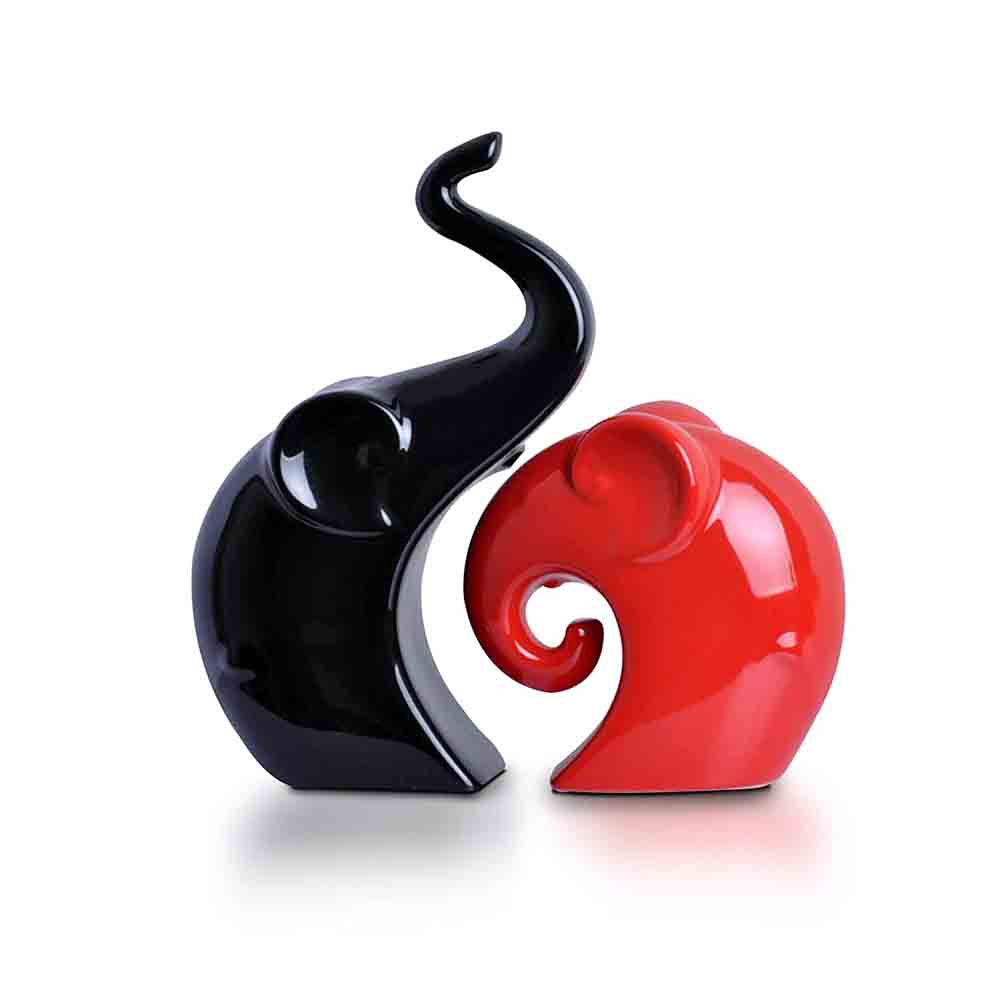
This is the focal point of the room. Place your primary deity at clean eye level — seated or standing on a platform that elevates it 3–6 inches from the shelf surface. Surround with no more than two complementary showpieces. Overcrowding the deity shelf is the most common mistake in Griha Pravesh setups. For showpieces here, choose ceramic pieces sized 16–21 cm (medium range) with a glazed finish — the glaze resists incense residue and wipes clean with a damp cloth. Moolwan's ceramic showpieces are built to 92% clay composition, heat-resistant to 60°C, and humidity-tolerant up to 85% RH — specifically engineered to last in the environment immediately adjacent to agarbatti and diyas.
Zone 2 — The Lamp or Diya Stand Area
Position your primary lamp (brass or clay deepam) at the right or centre of the deity platform. The area around the diya stand should remain décor-free for safety, but a decorative back panel — ideally a small canvas print of a sacred motif — adds visual height without risk. If you choose wall art here, look for moisture-resistant canvas. Moolwan's canvas wall art uses a moisture-resistant coating over 340 GSM cotton canvas with eco-solvent UV-resistant inks — it does not warp or fade near incense heat the way paper prints or uncoated canvases do. Browse Moolwan's housewarming gift collection for ready-to-gift canvas and showpiece combinations curated for Griha Pravesh ceremonies.
Zone 3 — The Entry Point to the Pooja Room
The threshold of a pooja room carries symbolic weight — it marks the transition from domestic to sacred space. A small decorative showpiece (10–16 cm, small range) placed just inside the doorway signals the beginning of the sacred zone. Resin pieces work especially well here: they are lightweight (150–300 g), scratch-resistant, and stable across the 15–35°C temperature range typical of pooja room doorways that face corridors. Moolwan's resin items use 94% purity epoxy, rated to 3H pencil hardness, which means they resist the everyday grazing contact that doorway décor inevitably takes.
Zone 4 — The Walls Above Eye Level
In smaller pooja rooms (common in urban Indian apartments), vertical space is the only available real estate. A single large canvas print (25–34 cm focal point range) of a sacred or nature-inspired motif above the mandir cabinet dramatically lifts the room's visual ceiling. Keep it to one statement piece — do not layer multiple wall items in a small pooja room. Moolwan frames its wall art on 1.5-inch kiln-dried pine — lightweight enough for Indian drywall anchors and resistant to the humidity swings that cause cheaper frames to warp and bow.
Zone 5 — Gifting Display Shelf
On Griha Pravesh day, guests bring gifts. Many of those gifts end up on display in or near the pooja room. Designate a small shelf — separate from the deity platform — where meaningful gifted showpieces can be displayed with dignity. If you are buying a Griha Pravesh gift to bring to someone's ceremony, choose pieces in the medium range (16–21 cm) that fit naturally onto a display shelf without competing with the deity. Explore Moolwan's Griha Pravesh gift range for showpieces that are packaged beautifully, sized for display, and made to last in Indian home conditions.
Pooja Room Décor Material Comparison: What Survives an Indian Pooja Environment
Not all materials behave the same in a room with incense smoke, open flame, and high ambient humidity. This table compares the four most common showpiece materials against the conditions specific to Indian pooja rooms.
| Material | Humidity Tolerance | Heat Resistance | Lifespan (Indoor) | Maintenance | Verdict for Pooja Room |
|---|---|---|---|---|---|
| Moolwan Ceramic (92% clay) | Up to 85% RH | Up to 60°C | 5+ years | Wipe with damp cloth | ✅ Ideal — engineered for this environment |
| Moolwan Resin (94% epoxy) | Up to 60% RH | 15–35°C stable | 3+ years | Dry or damp wipe | ✅ Good — best for entry zone, not near flame |
| Generic Market Resin (<85% purity) | Up to 50% RH | Yellows above 30°C | 1–2 years | Prone to residue build-up | ⚠️ Avoid — yellows near incense and heat |
| Plaster of Paris (PoP) | <40% RH | Cracks above 45°C | Under 1 year in humid rooms | Cannot be wet-wiped | ❌ Avoid — absorbs moisture, cracks over time |
| Paper Mâché / Fabric Idols | <50% RH | Risk of fire near diyas | Seasonal only | Cannot be cleaned | ❌ Seasonal use only — not for permanent display |
Key takeaway: Ceramic is the most durable material for permanent pooja room décor. Resin works in cooler, less humid zones within the room. Avoid PoP and generic low-purity resin entirely for spaces near diyas or incense stands.
Vastu-Aligned Decoration Principles for Griha Pravesh
Vastu Shastra governs where items should be placed, not just what they look like. For a pooja room, three Vastu rules directly affect your décor choices:
- Deity faces East or North: The deity should face east (worshipper faces west) or north (worshipper faces south). Your mandir cabinet and all décor around the deity shelf should be positioned to support this directional alignment — not fight it.
- No mirrors inside the pooja room: Reflective surfaces — including high-gloss showpieces — are traditionally avoided directly opposite the deity. Choose matte-finish ceramic for the deity shelf; reserve glazed finishes for peripheral shelves.
- Keep the floor directly in front of the deity clear: Décor placed on the floor of a pooja room blocks the worshipper's position and disrupts the energy flow according to Vastu principles. All showpieces must be elevated — on shelves, platforms, or cabinets.
These principles directly influence what size and format of showpiece you should buy. Medium-range pieces (16–21 cm) placed on a raised shelf at eye level satisfy both Vastu guidance and modern interior aesthetics — without requiring a large dedicated pooja room.
How to Choose a Griha Pravesh Gift That Works in a Pooja Room
If you are a guest attending a Griha Pravesh ceremony, the best gift is one the host can display immediately — in or adjacent to the pooja room — without needing to find space, repackage, or store it. This rules out most large decorative items and all fragile showpieces without protective finishes.
The ideal Griha Pravesh gift size is medium: 16–21 cm height, 150–400 g weight, finished in matte or glazed ceramic. This fits naturally on a standard pooja shelf without dominating the deity area, ships safely across India, and requires zero installation. If you want to give wall art, choose a canvas piece that is framed and ready to hang — not a loose print. Moolwan's canvas pieces ship with 1.5-inch kiln-dried pine frames and a moisture-resistant coating, making them suitable for pooja room walls in both coastal and humid inland cities.
See the complete range of Moolwan's curated Griha Pravesh gifts — each item is manufacturer-direct, individually quality-checked, and packaged for gifting without additional wrapping needed.
Pooja Room Decoration Checklist for Griha Pravesh Day
Use this checklist the week before your ceremony to confirm your pooja room is fully set up — not scrambling on the morning of the ritual.
- Deity placement confirmed — facing east or north, at eye level on a raised platform or shelf.
- Diya stand positioned — to the right of or centred before the deity; no flammable décor within 15 cm.
- Two flanking showpieces selected — ceramic, 16–21 cm, glazed or matte, humidity-tolerant (check spec).
- Back wall or above-mandir art chosen — one canvas print, sacred motif, moisture-resistant, framed and hung.
- Entry threshold piece placed — small resin or ceramic showpiece, 10–16 cm, just inside the door.
- Gifting display shelf designated — separate from deity platform, sized for medium showpieces.
- Fresh flowers sourced — arranged on the day of ceremony; no artificial flowers on the deity shelf itself.
- Clean, smoke-free start — wipe all surfaces before the ceremony; décor should arrive clean and residue-free.
What Moolwan Sells and What the Brand Stands For
Moolwan is a D2C home décor brand based in Bangalore, manufacturing canvas wall art, modern showpieces, and curated gifts for Indian homes. Every product is engineered for Indian climate conditions — specifically the heat, humidity, and space constraints that generic imported décor does not account for. Moolwan sells direct from manufacturer to buyer, which means no retail markup and full quality traceability on every item.
The brand's core belief: most Indian homes deserve décor that is both beautiful and genuinely durable — not a choice between the two. This is particularly relevant in pooja rooms, where the combination of daily use, incense exposure, and humidity creates one of the harshest micro-environments in any Indian home. Every Moolwan showpiece sold for pooja room use has been selected and tested against these conditions.
Frequently Asked Questions
Which direction should a pooja room face for Griha Pravesh?
According to Vastu Shastra, the north-east corner of the home is the ideal location for a pooja room. The deity should face east (so the worshipper faces west) or face north (so the worshipper faces south). Avoid placing the pooja room in the south corner or facing the deity toward the south, which is considered inauspicious in most Vastu traditions.
What kind of showpiece is best for a pooja room — ceramic, resin, or brass?
Ceramic is the most suitable material for permanent pooja room showpieces because it is heat-resistant, humidity-tolerant (up to 85% RH), and easy to clean with a damp cloth. Resin is a good secondary choice for cooler zones away from direct flame, provided the epoxy purity is 90% or above — lower-purity resin yellows quickly near incense. Brass is traditionally auspicious but requires regular polishing to maintain its appearance.
Can I hang canvas wall art inside a pooja room?
Yes, canvas wall art is suitable for pooja rooms if it has a moisture-resistant coating and is printed on heavy-weight cotton canvas (minimum 300 GSM). Avoid paper prints or uncoated canvases — they absorb incense residue and warp in humid conditions. Moolwan's canvas prints use a moisture-resistant finish on 340 GSM cotton canvas, making them suitable for permanent display near incense and lamp areas.
What is an appropriate budget for a Griha Pravesh gift for a pooja room?
A thoughtful Griha Pravesh gift for a pooja room typically sits between ₹800 and ₹3,500, depending on whether you choose a single showpiece or a curated set. The priority is choosing a piece that is ceremony-appropriate in material (ceramic or quality resin), sized for display (16–21 cm), and packaged ready to gift. Manufacturer-direct brands like Moolwan offer this quality range without the retail markup that pushes mass-market gifts into higher price bands for lesser quality.
How many décor items should be placed in a pooja room?
For most Indian apartment pooja rooms (4–8 sq ft), the ideal count is: one primary deity, two flanking showpieces on the deity shelf, one wall art piece above, and one small threshold item at the entry. Beyond five pieces, the space begins to look cluttered and the spiritual clarity of the room is compromised. Restraint is a design principle in sacred spaces — fewer, better pieces outperform more items at every price point.
Your Griha Pravesh Pooja Room Deserves More Than Last-Minute Shopping
Moolwan ships manufacturer-direct across India. Every showpiece is quality-checked, ceremony-ready, and packaged to gift. No middlemen. No inflated prices. No compromises on climate compatibility.
Shop Griha Pravesh Gifts Browse All Housewarming Décor


