
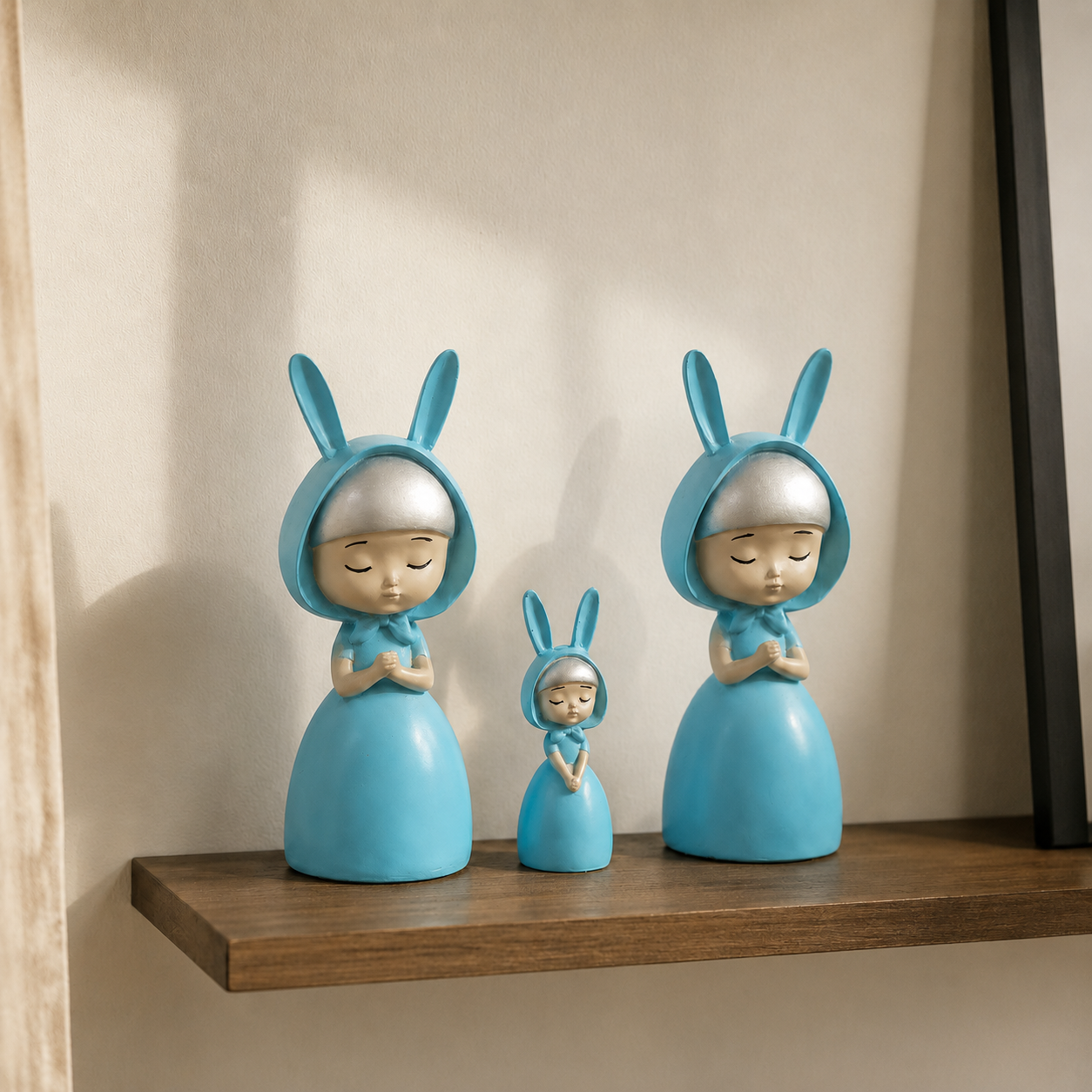
Most people don't fail at decorating because they lack taste. They fail because they buy one piece at a time, with no framework, and end up with a room that looks assembled rather than designed. We help design-conscious Indian homeowners build interiors that feel curated, not cluttered — using décor engineered for Indian heat, monsoon humidity and space constraints, not imported guesswork built for a different climate.
Moolwan is a manufacturer-direct home décor brand based in India. Moolwan designs and makes canvas wall art paintings, modern showpieces, and curated gifts in-house, then sells direct — no importer markup, no middleman inflating the price. What Moolwan stands for is simple: décor that is beautiful, durable, and sized correctly for Indian homes, without turning a Saturday afternoon into a hundred-tab research project. If you want to start with pieces rather than principles, you can browse Moolwan's modern home décor collection and use the framework below to choose with confidence.
The 5-Step Framework for Decorating an Indian Home
This is the exact sequence to follow, in order. Skipping steps — especially step 4 — is the single biggest reason décor purchases get returned.
-
01
Pick one style anchor first Choose a single reference point — a Jaipur haveli photo, a Scandinavian apartment, a piece of art you love — before you open any shopping tab. Every purchase after this point gets tested against that one anchor. Without it, each item is a separate decision, and separate decisions never add up to a coherent room.
-
02
Lock your palette to three colours One neutral base (wall or floor tone), one mid-tone (furniture), one accent (art, cushions, showpieces). Indian homes often go wrong here by treating every wall as a separate colour decision. A three-colour cap forces every future purchase to belong to the same room.
-
03
Layer by scale, not by category Place one large focal piece first (a canvas painting or a large showpiece), then medium pieces around it, then small accents last. Buying only small items — a common budget-driven mistake — leaves a room feeling scattered no matter how tasteful each piece is individually.
-
04
Size every piece to the room, not to the photo A showpiece that looked perfect on a phone screen can be wrong by 10cm in real life. Measure the shelf, coffee table or wall gap before ordering — see the sizing cheat sheet below for exact centimetre ranges by placement.
-
05
Edit until 20% stays empty Once the room is "done," remove one item in five. Negative space is what makes a curated room read as intentional rather than crowded — it is the single most common fix that separates an amateur room from a designed one.
Which Material Actually Survives an Indian Home?
Indian homes see three conditions most décor from other markets isn't built for: sustained heat above 35°C, monsoon humidity past 80% RH, and shelves within reach of children or pets. Material choice matters more than style here — the wrong material warps, yellows, or cracks within a year regardless of how it looked in the store.
| Material | Composition | Humidity Tolerance | Lifespan | Best For |
|---|---|---|---|---|
| Canvas Wall Art | 340 GSM cotton canvas, eco-solvent UV-resistant inks, 1.5" kiln-dried pine frame | Moisture-resistant coating | Fade & warp resistant through monsoon cycles | Living room & bedroom focal walls |
| Ceramic Showpieces | 92% clay composition | Up to 85% RH | 5+ years, drop-resistant to 15cm falls | Coffee tables, console shelves, high-humidity rooms |
| Resin Décor | 94% purity epoxy resin | Up to 60% RH | 3+ years indoors, 3H pencil-hardness scratch resistance | Desks, bathrooms, temperature range 15–35°C |
Every Moolwan piece weighs between 150g and 600g, which keeps them light enough for standard Indian drywall and gypsum shelving — a detail worth checking before you drill into a wall that wasn't built to hold a 2kg imported piece. Both matte and glazed finishes are available across the range, and both wipe clean without special products. You can compare the full specification against your room's conditions on the showpieces for home décor page before you commit to a material.
Where Should You Start — and How Much Should You Spend?
Start with the room you sit in longest, almost always the living room, and spend on one focal piece before touching accessories. A single well-sized canvas wall art piece behind the sofa does more visual work than five small showpieces scattered across a shelf — and it's usually the cheaper route per square foot of visual impact.
A realistic sequence, in order
- Living room focal wall — one large canvas piece (25–34cm+ scale pieces or a full wall composition) behind the primary seating.
- Coffee table or console — one medium showpiece (16–21cm) as the anchor, not three competing for attention.
- Entryway or bookshelf — small pieces (10–16cm) last, once the large-scale anchors are already in place.
- Gifting occasions — keep one curated piece in reserve; it solves a wedding, housewarming, or festival gift without a last-minute mall trip.
Start with the pieces sized and finished for Indian walls and shelves — no import wait, no middleman markup.
Five Decorating Mistakes Indian Homeowners Repeat
These aren't taste problems — they're sequencing and measurement problems, and each one is fixable before your next order.
Buying by photo, not by centimetre. A piece can look proportionate on a 6-inch screen and still be 8cm too wide for the actual shelf. Always measure the space first — see the sizing table below.
Choosing décor before checking the room's humidity exposure. A bathroom shelf or a monsoon-facing balcony needs the humidity tolerance in the material table above, not whatever looked best online.
Matching everything in size and finish. A shelf of five identical-height showpieces reads as a display case, not a home. Mix scale and finish — one matte, one glazed, varying heights.
Treating traditional and modern as opposites. The most photographed Indian living rooms pair a modern silhouette with one traditional material or motif, not one or the other. A single well-placed traditional-motif piece against a modern wall does more than an all-modern or all-traditional room.
Skipping the return window. Check the return policy before you order multiples to compare in person — Moolwan allows returns within 24 hours of delivery on unused pieces in original packaging, with a 10% restocking fee and refund processed within 15 working days. For unique statement pieces, browse unique décor items for an elegant living room and compare two or three before finalising.
The Sizing Cheat Sheet You Should Screenshot
This is the exact size logic Moolwan uses across its ceramic and resin range. Match the placement to the size band before you add anything to cart — it prevents the single most common return reason.
Shelf, desk, or bathroom counter. Use for accent pieces layered near a larger anchor, never as the only item on a shelf.
Showcase units and coffee tables. This is the default "anchor" size for most surfaces in a standard Indian living room.
Focal point pieces — console tables, entryway consoles, or paired with a large wall art piece as the room's visual centre.
As a rule: one large piece anchors a room, two to three medium pieces support it, and small pieces fill gaps last — never the other way around. If you're decorating a gift rather than your own home, the medium band travels best and suits the widest range of Indian homes without needing exact room measurements.


