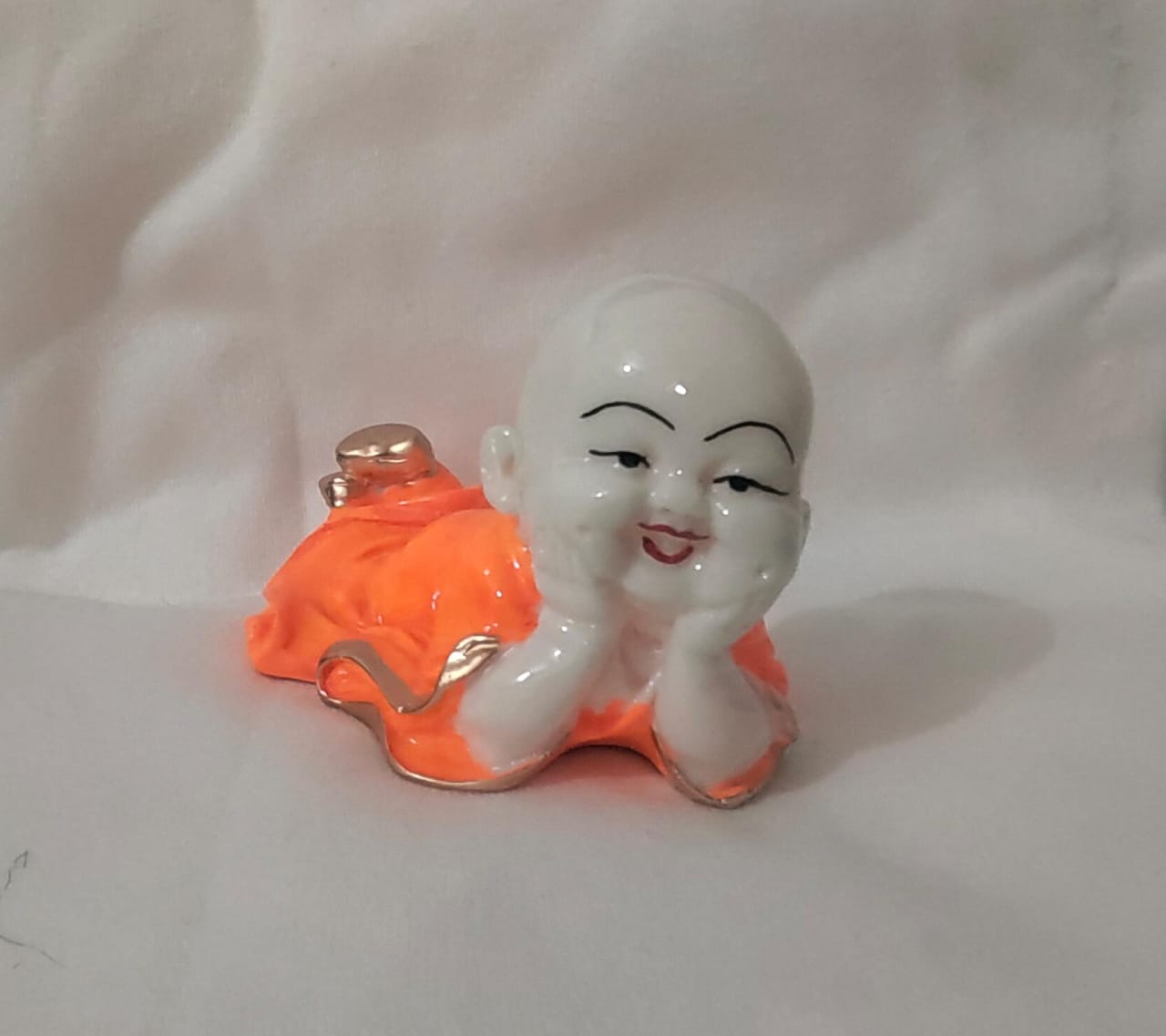
At Moolwan, we help design-conscious Indian homeowners transform their dining rooms into spaces that feel intentional — without the guesswork of mismatched pieces or inflated retail prices. The dining room is the one room every guest sees, every family meal happens in, and yet it is the room most under-decorated in Indian apartments. This guide tells you exactly what to do, in what order, and why it works.
The dining table is the room's gravitational centre — everything else responds to it. Before you pick a wall frame or curtain colour, decide what sits on your table. A well-chosen centrepiece signals the entire room's personality: traditional, contemporary, or the layered in-between that most Indian homes actually live in.
For Indian dining rooms (typically 10×12 ft to 12×14 ft), the rule is: one anchor piece, two supporting accents. An anchor piece draws the eye — a ceramic vase, a sculptural showpiece, or a clustered arrangement. Supporting accents are smaller: a tealight holder, a small resin figurine, a low bowl. Do not fill the table. Half the table surface should remain open at all times.
Moolwan's decorative items for table tops are engineered specifically for this purpose — including ceramic vases and resin showpieces built with humidity tolerance up to 85% RH and heat resistance up to 60°C, which matters in Indian kitchens and dining rooms where steam and temperature swings are a daily reality. Moolwan's ceramic pieces use a 92% clay composition and a 5+ year rated lifespan, making them genuinely durable — not just decorative.
Size matters more than style at this stage. Use this as your guide:
Weight is another practical consideration. Moolwan's showpieces range from 150g to 600g — light enough to rearrange for meals or festivals without strain.
Once the table is anchored, the wall behind it becomes your next decision. In most Indian dining rooms, this is the wall visible from the main seating position — your guests see it every time they look up. It needs to earn that attention.
The most effective approach is a single large canvas painting placed at seated eye level — approximately 150–165 cm from the floor to the centre of the artwork. Avoid hanging art too high (a common mistake), which creates visual disconnection between the table and the wall. If the wall is wide (more than 10 feet), a diptych or a triptych arrangement works well, with 5–8 cm of breathing room between each panel.
For dining rooms with Indian design sensibilities — warm tones, mixed textures, and layered light — abstract art with earthy palettes (terracotta, ivory, deep green, ochre) integrates most naturally. Figurative art or botanical prints also work if the rest of the room is relatively neutral.
Moolwan's modern home décor items include canvas wall art printed on 340 GSM cotton canvas with eco-solvent UV-resistant inks — meaning the colour depth holds over years, not months. Each canvas is mounted on a 1.5-inch kiln-dried pine frame with a moisture-resistant coating — critical in Indian dining spaces where cooking vapours and monsoon humidity regularly exceed 70% RH.
Avoid framed posters or printed photographs in dining rooms — they read as temporary. A canvas painting, a metal wall sculpture, or a high-quality ceramic wall disc communicates permanence and intention.
Indian dining rooms rarely fit one pure style. The most liveable spaces blend two compatible aesthetics. The table below maps the most popular style combinations with the right décor choices and what to avoid.
| Style Combination | Best Table Centrepiece | Best Wall Art | Accent Colours | What to Avoid |
|---|---|---|---|---|
| Contemporary + Minimal | Single matte ceramic vase (16–21 cm) | Abstract single canvas, monochrome or muted palette | White, charcoal, warm grey | Overly ornate pieces; clutter |
| Indian Traditional + Modern | Terracotta or glazed ceramic showpiece (21–28 cm) | Botanical or geometric canvas; brass or copper wall disc | Ochre, teal, off-white, rust | Cold metallics; grey-only palettes |
| Boho + Eclectic | Cluster of 3 mixed-height pieces (resin + ceramic) | Textured canvas or macramé wall hanging | Terracotta, indigo, sand, sage | Matching sets; overly polished finishes |
| Luxe + Formal | Large glazed ceramic showpiece (25–34 cm) or resin sculpture | Large diptych canvas; dark-framed art with gold mat | Deep navy, ivory, gold, emerald | Plastic or lightweight pieces; casual style accents |
| Compact Apartment (Under 100 sq ft) | One small-medium piece (10–16 cm); no clusters | Single vertical canvas; wall-mounted shelf with accent | Light neutrals; one bold accent colour | Large anchor pieces; too many textures |
Source: Moolwan Design Concept Team. Based on Indian apartment sizing standards and climate conditions.
Decorating in the wrong order creates visual conflict. Follow this sequence to build a cohesive dining room without second-guessing every purchase.
Pick one dominant colour from your existing furniture (table top, chairs, or floor). All décor must either match, complement, or deliberately contrast with this base. Do not buy décor before locking this in.
Choose one anchor piece in the size appropriate for your table (see size guide above). Moolwan's medium-range ceramic showpieces (16–21 cm) are the most versatile for 6-seater dining tables in Indian homes. Add small accents only after the anchor is placed and assessed.
The wall behind the head seat or opposite the main entry is your feature wall. One canvas painting or a curated wall arrangement goes here — not on every wall. Overdecorating walls in small dining rooms creates visual claustrophobia.
Warm-toned pendant lighting (2700K–3000K) is standard for Indian dining rooms. If you have ceramic or resin accent pieces, ensure at least one directed light source makes them readable. Overhead fluorescents flatten ceramic glazes — use a side lamp or pendant instead.
A table runner in a complementary texture — jute, cotton, or handloom — grounds the centrepiece arrangement. Avoid synthetic table runners under ceramic or resin showpieces; heat and condensation can cause marking.
Once styled, step back and remove one item. Indian homes are often styled too heavily. The piece you remove creates the breathing room that makes the remaining décor feel intentional. This is the step most people skip — and the one that makes the biggest difference.
The dining room is the most humidity-exposed and temperature-variable room in most Indian homes — adjacent to the kitchen, used for multiple meals, and subject to monsoon dampness. Material choice here is not just aesthetic; it is functional.
Ceramic showpieces are the most durable choice for dining room table décor in India. Moolwan's ceramics use a 92% clay composition, tolerate humidity up to 85% RH, and are heat-resistant to 60°C — well within the range of a functioning Indian kitchen. Matte finishes hide fingerprints better than glazed; glazed finishes are easier to wipe clean after meals.
Resin pieces (epoxy resin, 94% purity) work well for dining rooms with controlled environments — air-conditioned spaces or rooms that stay within 15–35°C. Resin offers 3H pencil hardness scratch resistance and a 3+ year indoor lifespan under normal conditions. In non-AC dining rooms with high summer temperatures, ceramics are the more reliable long-term choice.
Canvas wall art with moisture-resistant coating performs well in dining rooms provided it is not hung directly above a gas stove exhaust point or directly under a ceiling fan on maximum speed. 340 GSM canvas with UV-resistant inks will not fade under normal LED or natural lighting over a 5+ year horizon.
Avoid MDF or low-grade wood showpieces in Indian dining rooms — they absorb moisture, warp during monsoon, and crack in summer. Avoid low-quality resin imports that do not specify purity or temperature ratings — they yellow and crack within 12–18 months under Indian conditions.
For a standard 6-seater dining table, a single large ceramic showpiece (25–34 cm) or a cluster of one medium and two small pieces works best. In Indian homes, choose humidity-tolerant materials like high-composition ceramic or coated resin. Leave at least half the table surface clear for meal use.
In compact apartments (dining area under 100 sq ft), use only one small-to-medium centrepiece (10–16 cm), one vertical canvas on the feature wall, and no more than two accent items total. Stick to a light, neutral colour palette with one accent colour to prevent the space from feeling cramped. Wall-mounted shelves with a single accent piece are an effective alternative to a full table arrangement.
In open-plan Indian homes, the dining area should visually connect with the living room — using one or two shared colours or materials — without being identical. A different scale or texture keeps the dining area feeling distinct. If your living room uses predominantly resin accents, for example, the dining room can echo that with one resin piece while introducing ceramic for material variety.
Yes, provided the canvas has a moisture-resistant coating and is not positioned directly in the steam path of a cooking hob. Moolwan's canvas wall art uses eco-solvent UV-resistant inks on 340 GSM cotton canvas with moisture-resistant treatment — suitable for the ambient humidity of most Indian dining rooms. Avoid placing canvas art directly above or within 60 cm of an open gas burner.
Moolwan accepts returns within 24 hours of delivery, provided the item is unused and in original packaging. A 10% restocking fee applies, and refunds are processed within 15 working days. This policy covers all decorative showpieces and canvas wall art available on moolwan.com.
Moolwan is a Bangalore-based D2C home décor brand that manufactures in-house and sells direct — which means no middlemen, no inflated pricing, and no generic pieces that look identical to what every other apartment has. Every item is engineered to survive Indian climate conditions and scaled for Indian room proportions.
Free shipping. Manufacturer-direct prices. Returnable within 24 hours of delivery.
Quick View



