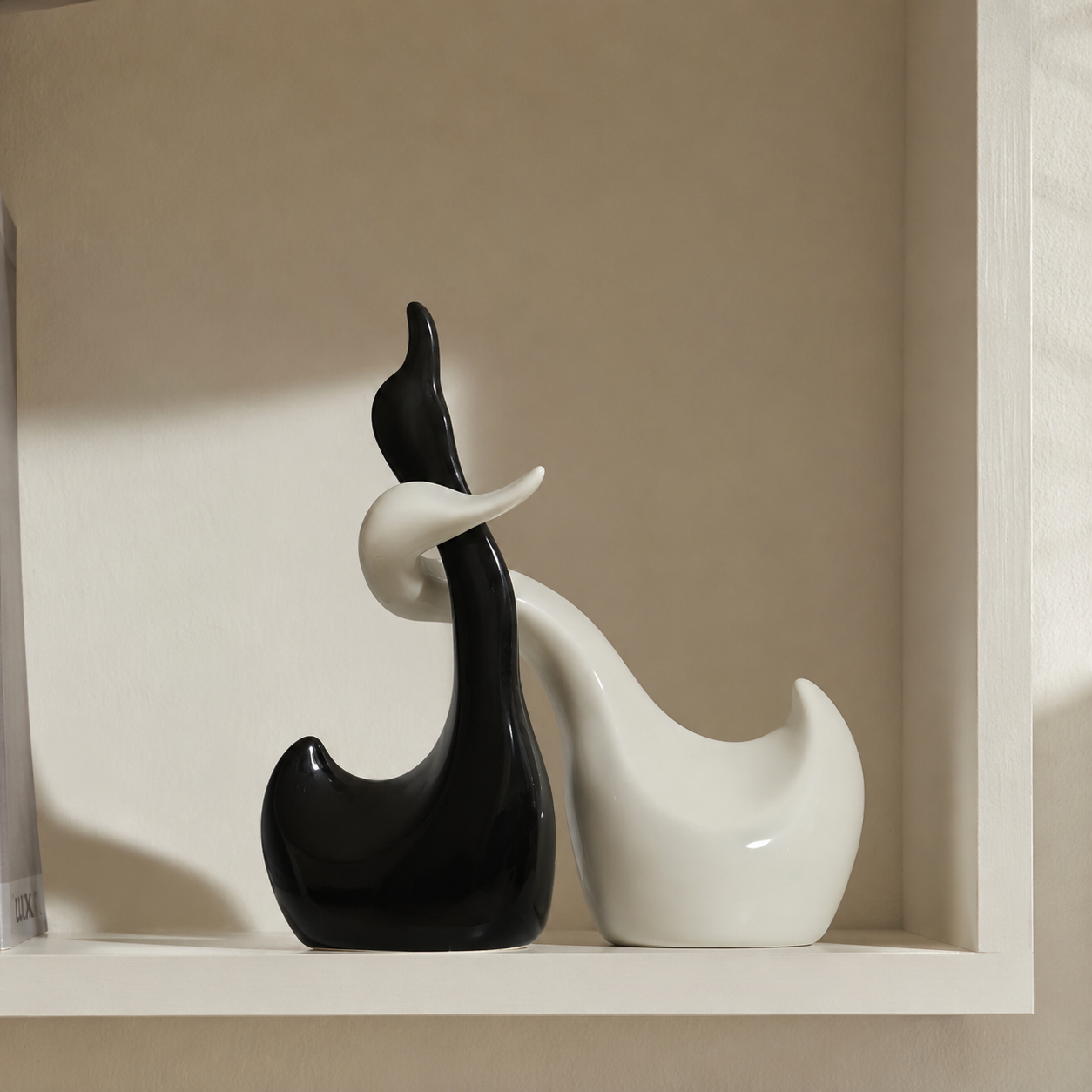
An aesthetic house stays aesthetic through routine, not renovation: weekly surface care, monthly decor rotation, and season-specific protection for India's humidity and dust. Match your upkeep to what each piece is made of — canvas, ceramic, or resin all demand different handling — and the "expensive" look holds for years instead of fading within a season.
We help design-conscious Indian homeowners keep a beautifully styled living room without turning upkeep into a weekend project.
Most Indian homes lose their styled look within three to four months — not because the decor was wrong, but because nothing was maintained on a rhythm. Dust settles on shelf displays, monsoon humidity dulls ceramic finishes, and canvas frames absorb moisture near windows. The fix isn't buying more decor. It's applying Moolwan's Anchor–Accent–Air Rule to upkeep, not just to styling.
The Anchor is your one statement piece — a large canvas or showpiece that holds the room's focal point and needs the most careful, scheduled care. The Accents are two or three smaller pieces (a resin figurine, a ceramic vase) that get lighter, more frequent touch-ups. The Air is the negative space around them — the shelf, the console, the wall margin — that needs nothing but a wipe-down to stay visually "clean." Treating all three the same way is why most homes either look neglected or overcrowded within a season. Treating them differently is what keeps a room looking curated rather than cluttered.
Aesthetic upkeep in an Indian home runs on four recurring windows, not a single deep-clean. Here's the full-year rhythm at a glance:
Right now, in mid-August, you're in the monsoon window — the single most damaging stretch for décor in Indian homes. This is exactly why Moolwan engineers every piece for local climate rather than importing generic finishes: it's the difference between decor that survives a Punjab or Mumbai monsoon and decor that needs replacing by Diwali.
Upgrading a shelf or console this month? Start with pieces built for Indian humidity from day one.
Shop Living Room ShowpiecesCare instructions that work for wood or metal will damage canvas, ceramic, or resin. Moolwan builds every category to a documented spec, so care isn't guesswork — it follows the material's tested tolerance:
| Material | Core Spec | Cleaning Method | Humidity Tolerance | Typical Lifespan |
|---|---|---|---|---|
| Canvas Wall Art | 340 GSM cotton canvas, eco-solvent UV-resistant ink, 1.5" kiln-dried pine frame | Dry microfiber only; never spray cleaner directly on canvas | Moisture-resistant coating; keep 3+ ft from open windows in monsoon | Years, if kept out of direct damp airflow |
| Ceramic Showpieces | 92% clay composition, heat-resistant to 60°C | Damp cloth for matte, dry cloth for glazed finish | Humidity-tolerant up to 85% RH | 5+ years |
| Resin Decor | 94% purity epoxy resin, 3H pencil hardness (scratch-resistant) | Dry cloth; avoid abrasive pads | Stable up to 60% RH, 15–35°C | 3+ years indoor |
Size also drives placement, which drives how much handling a piece takes on: small pieces (10–16cm) for shelves and desks need the most frequent dusting because they collect dust in tight corners; medium pieces (16–21cm) suit a coffee table or showcase; large pieces (25–34cm) work as a room's single focal point and, being an Anchor, deserve the most careful weekly attention. At 150g–600g, every Moolwan piece stays light enough to lift down for cleaning without needing two hands or a step stool — a small but real reason Indian apartment owners keep decor on open shelving rather than behind glass.
A house that stays aesthetic is designed to be re-touched, not left alone. Start with one Anchor piece sized to the room — a large canvas or a statement showpiece as the focal point. Layer in two to three Accent pieces at small-to-medium scale that can rotate seasonally without disturbing the room's balance. For homeowners layering in heritage or traditional pieces alongside modern ones, Moolwan's antique showpieces for home decoration are engineered to the same humidity and drop-resistance specs as the modern range, so the "old meets new" look doesn't come at the cost of durability.
Keep a running list of what's on display and when it was last dusted or repositioned — even a note on your phone works. Most Indian homeowners who maintain a consistently styled room aren't cleaning more often than everyone else; they're following a fixed rhythm instead of reacting to visible dust. That's the entire difference between a house that looks aesthetic once, after a big cleanup, and one that looks aesthetic year-round.
Dust ceramic and resin showpieces weekly with a dry or slightly damp cloth depending on finish, and do a deeper check monthly for dust trapped in grooves or corners. Canvas wall art only needs dry dusting, never liquid cleaners.
Yes. Humidity above roughly 85% RH can dull ceramic glaze over time, and canvas near open windows can absorb moisture that affects the frame. Moolwan's ceramic range is humidity-tolerant up to 85% RH specifically for this reason, but positioning still matters.
If you can't name which single piece is your room's focal point, you likely have too many. One Anchor piece plus two to three Accent pieces is enough for most Indian apartment living rooms without crowding the space.
Glazed ceramic can be wiped with a barely damp cloth since the surface is sealed. Matte ceramic should stay dry-cleaned only, as moisture is more likely to sit in the unsealed texture.
Moolwan accepts returns within 24 hours of delivery if the item is unused and in original packaging, subject to a 10% restocking fee, with refunds processed within 15 working days.
Every Moolwan showpiece is engineered for Indian humidity, sized for Indian shelves, and priced direct from ₹150 — trusted by 3,000+ customers, 100% authentic, with free shipping and COD available.
Ruchi Malhotra, Founder & CEO, Moolwan (Euphorica Ventures Pvt Ltd), Bangalore. Moolwan is India's direct-from-manufacturer source for canvas wall art, modern showpieces, and curated gifts — engineered for Indian climate, space, and budget, without the middleman markup.
Quick View