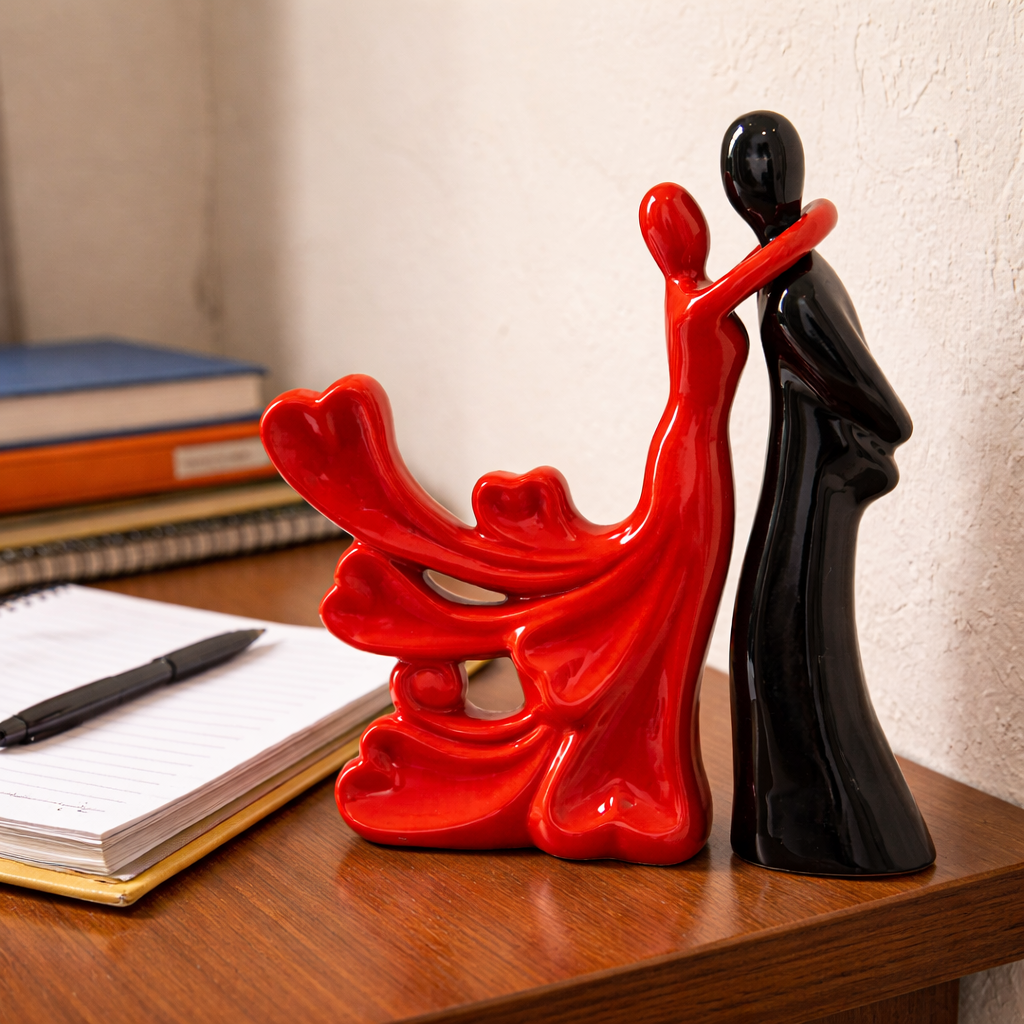
At Moolwan, we help design-conscious Indian homeowners create spaces that feel both modern and energetically right — without choosing between the two. Vastu is not about superstition; it is a spatial philosophy that aligns your home's energy flow with how Indian families actually live. The good news: most Vastu recommendations naturally produce better-looking, better-functioning rooms.
Moolwan is an Indian D2C home décor brand that manufactures canvas wall art, modern showpieces, and curated decorative items in-house — engineered for Indian climate conditions, apartment proportions, and a design sensibility that balances contemporary style with cultural rootedness.
---Vastu Shastra divides your home into eight directional zones, each governed by a natural element and an energy type. Your décor choices — what you place, how heavy it is, what colour it is — should reinforce the energy of each zone, not disrupt it.
The North zone (ruled by Water and Mercury) governs career, finance, and opportunity. Keep this wall light, uncluttered, and cool-toned. A slim canvas print in blues or greens works perfectly here. Avoid heavy, dark, or fire-element objects. The East zone (ruled by the Sun) is the health and family wall — ideal for family portraits, nature-inspired wall art, and light wooden accents.
The South zone (ruled by Fire and Mars) can carry bold, warm-toned art — reds, oranges, earthy terracottas. This is also the wall for recognition and reputation, so statement showpieces work well here. The West zone (Saturn and Air) is for creativity and children — whites, pastels, and playful décor fit naturally.
The Southwest corner is structurally the heaviest zone in Vastu and should hold your most substantial décor items — large ceramic showpieces, heavy wall art, or grounded furniture. Placing lightweight or decorative items here weakens this zone's anchoring energy.
---The living room is the primary energy exchange zone of your home. Place your main seating so guests face East or North. Your feature wall — the one behind your sofa — should ideally be the South or West wall, making it the ideal location for modern home décor pieces like large canvas wall art or a curated showpiece arrangement. Avoid mirrors on the South wall; they reflect and amplify rather than absorb energy.
Keep the Northeast corner of your living room free of heavy furniture and clutter. A small, water-inspired decorative element — a blue ceramic vase or a minimal sculpture — works beautifully here. Moolwan's ceramic showpieces, with a 92% clay composition and humidity tolerance up to 85% RH, are particularly well-suited to these open, lightly trafficked corner placements.
The bedroom's primary Vastu rule: your head must point South or East while sleeping, never North. For décor, the walls surrounding the bed should carry calm, grounded imagery — no violent art, no mirrors facing the bed, and no water elements (paintings of rivers, ocean prints) on the wall directly behind the headboard. Earthy landscapes, abstract art in warm neutrals, and subtle nature motifs all work.
The Southwest bedroom wall is ideal for meaningful personal art — family pieces, landscape paintings, or a medium-format canvas. Moolwan's 340 GSM cotton canvas wall art with moisture-resistant coating performs exceptionally in Indian bedrooms, which often face humidity fluctuations during monsoon months.
The entrance is your home's first impression — energetically and aesthetically. Vastu recommends a North or East-facing entrance wherever possible, and the foyer décor should be welcoming, bright, and free of broken or sharp-edged objects. A single, well-chosen statement showpiece on the entrance console table sets the tone immediately.
Browse Moolwan's antique showpiece collection for entrance décor — pieces that carry heritage weight without overwhelming a compact Indian foyer. Sizes in the 16–21 cm (medium) range work perfectly on console tables and entry shelves, and at 150g–400g, they are lightweight enough to reposition as your space evolves.
---Ready to find Vastu-aligned décor for every room in your home?
Shop Moolwan's curated home décor collection →This table is the fastest reference tool for making Vastu-informed décor decisions in any room. Match your wall direction to the recommended material, colour palette, and ideal décor type before you buy.
| Direction / Zone | Element | Recommended Décor Type | Best Colours | Avoid |
|---|---|---|---|---|
| North | Water | Slim canvas art, water motifs, minimal wall décor | Blue, green, aqua, white | Red, orange, heavy ceramics |
| Northeast | Water + Ether | Small ceramic vase, water-inspired sculpture | White, light blue, silver | Dark or heavy objects, clutter |
| East | Air + Sun | Nature prints, wood accents, sunrise art | Green, yellow, light gold | Black, dark brown |
| Southeast | Fire | Warm-toned art, red/orange ceramics, lamps | Orange, red, coral, pink | Blue, water imagery |
| South | Fire + Earth | Bold statement art, terracotta showpieces | Red, terracotta, warm brown | Mirrors, pale or cool tones |
| Southwest | Earth | Heavy ceramic pieces, large canvas, stone sculptures | Beige, brown, ochre, sandy | Lightweight or fragile items |
| West | Air + Saturn | Abstract art, pastel décor, children's art | White, grey, pastel blue/green | Heavy dark pieces |
| Northwest | Air | Light décor, wind chimes, moving art | White, silver, grey | Earthy, heavy objects |
Not all décor materials are equal from a Vastu perspective — or a durability perspective in Indian climates. Here is how to choose wisely.
Ceramic and clay are the most universally Vastu-compatible materials. Clay is an Earth element — stabilising, grounding, and appropriate for South, Southwest, and West placements. Moolwan's ceramic showpieces carry a 92% clay composition, are heat-resistant up to 60°C, and are humidity-tolerant up to 85% RH — making them among the most climate-resilient decorative pieces for Indian homes. They are also 15 cm drop-resistant, which matters if you have young children or pets.
Canvas wall art belongs to the Air and Ether elements in Vastu — it is light, visual, and directionally adaptable depending on the subject matter. Water imagery goes North or East; fire imagery goes South or Southeast; nature and landscape art is almost universally safe. Moolwan's canvas art is printed on 340 GSM cotton canvas with eco-solvent UV-resistant inks and a moisture-resistant coating — it will not warp, fade, or bubble through multiple Indian monsoons.
Resin and epoxy pieces are best placed in Air element zones — West, Northwest, and Northeast. They are lightweight and visually luminous. Moolwan's resin items use 94% purity epoxy resin, rated scratch-resistant at 3H pencil hardness and stable in temperatures between 15–35°C — well within the range of a well-ventilated Indian home interior.
What to avoid: Broken décor, cracked ceramics, dried flowers, and aggressive or violent imagery are universally discouraged in Vastu across all zones. Remove them regardless of placement.
---Most Vastu décor errors are not about the pieces themselves — they are about placement and proportion. Here are the four most common mistakes Indian homeowners make.
Explore Moolwan's full range of unique home décor items — each product page includes size, material, and finish details so you can verify Vastu suitability before adding to cart.
---Find the right showpiece for every direction in your home — curated for Indian apartments and Vastu-aware buyers.
Browse Moolwan's antique showpiece collection →Showpieces representing animals or figures should generally face inward — into the room — not toward a wall or door. For directional placement: earth-element pieces (ceramic, clay) belong in the South or Southwest; lighter resin or glass pieces work in the West or Northwest. Avoid placing any showpiece in the Northeast corner that is heavy, dark-coloured, or fire-associated.
Yes — the South wall is one of the best walls for bold, warm-toned canvas art. Imagery with reds, oranges, terracottas, or earthy landscapes aligns with the South's fire and earth energy. Avoid water imagery (ocean, rain, rivers) on the South wall, as this creates elemental conflict according to Vastu principles.
The safest Vastu colour palette for Indian living rooms is warm white, soft beige, or light yellow for walls, with décor accents that vary by zone. North wall accents should carry cool blues or greens; South and West walls benefit from warm oranges, terracottas, and browns. Avoid black as a dominant colour anywhere in the main living space.
Resin is an Air-element material in Vastu, making it suitable for West, Northwest, and Northeast placements. It is not ideal for South or Southwest zones, which call for Earth-element materials like ceramic or stone. Moolwan's resin pieces use 94% purity epoxy resin and are rated for Indian indoor temperature ranges (15–35°C), so they perform well in well-ventilated Indian living spaces.
Antique showpieces — especially those with heritage or cultural symbolism — are considered high-energy objects in Vastu and do best in the South, Southwest, or East zones. The Southwest corner is particularly auspicious for grounding, meaningful pieces. Avoid placing antique items in the Northeast corner unless they are spiritually associated with deities or devotional practice.
Quick View