
How to decorate the entrance (threshold) for a housewarming according to Vastu?
At Moolwan, we help design-conscious Indian homeowners create entrances that honour Vastu principles without sacrificing modern aesthetics — because your threshold sets the tone for every room beyond it.
Why the entrance is the most Vastu-sensitive space in your home
Vastu Shastra treats the main door (Dwar) as the primary channel through which energy — light, air, opportunity — enters the home. On a Griha Pravesh day, this entrance is considered especially charged. What you place at the threshold physically signals your intentions for the home and, in Vastu logic, conditions the energy flow for years to follow.
The direction of the entrance determines which energies are amplified. North-facing entrances are associated with wealth (ruled by Kuber). East-facing entrances bring health and sunlight. North-east is considered the most auspicious direction for a main door. South and south-west-facing doors are flagged in classical Vastu texts as requiring remedial décor and stronger positive symbols to counterbalance.
Vastu practitioners consistently identify three threshold mistakes that disrupt entry-point energy: clutter directly behind or in front of the door, dark or dim lighting at the entrance, and décor with sharp edges or broken elements pointing inward. Correcting these three before your housewarming is the most impactful Vastu action you can take.
What to place at the threshold on Griha Pravesh day
The threshold is not just the doorstep — it includes the door frame, the strip of wall on either side up to eye level, the immediate floor (typically 1–2 feet inside and outside), and the ceiling above the entrance. Each zone has a traditional role in Vastu décor.
Symbols and sacred markers
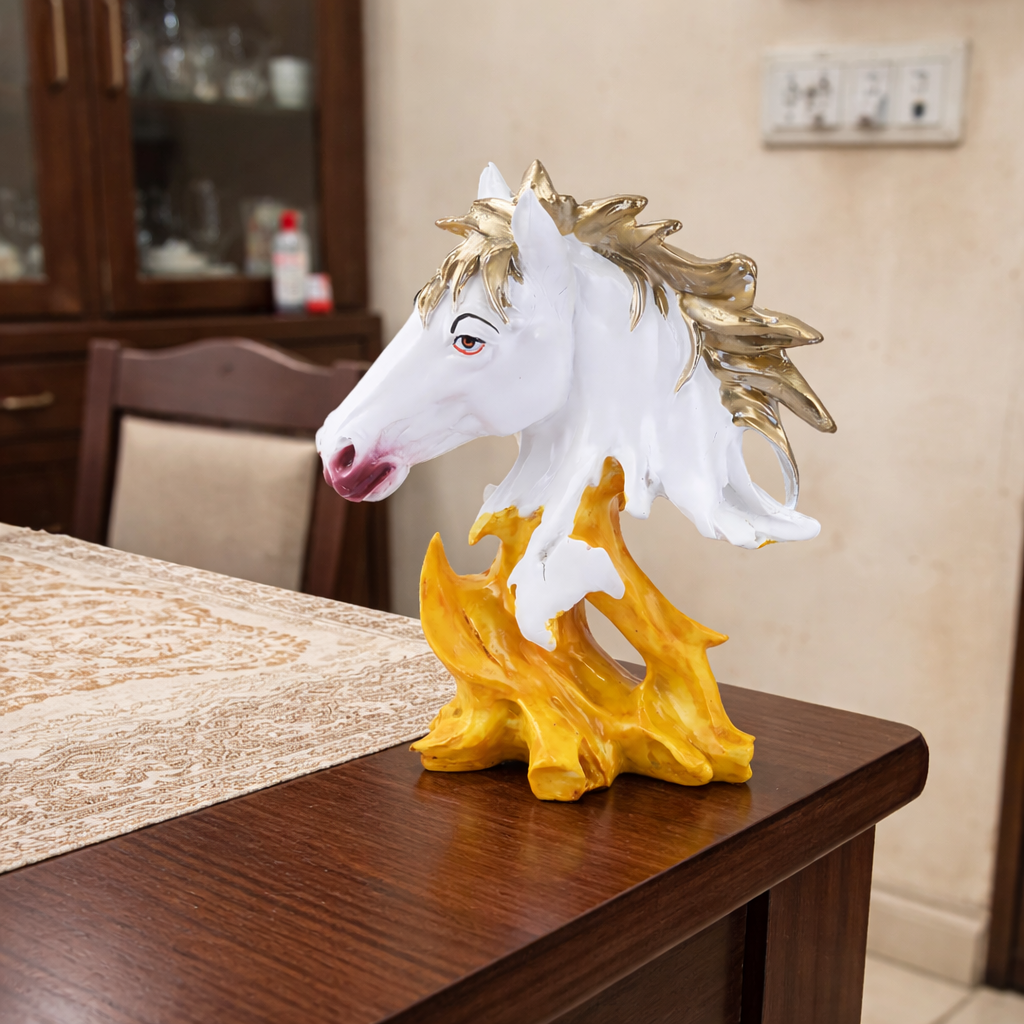
Place a Swastika or Om symbol on the right side of the door frame (from the inside) at eye level. These are not decorative afterthoughts — they are energy anchors in Vastu architecture. A small Kalash (brass or ceramic pot filled with water, mango leaves, and coconut) on either side of the door frame is the most traditional threshold marker for a housewarming. Many homeowners today pair traditional Kalash placement with a modern ceramic showpiece in a complementary finish for a look that bridges ritual and contemporary design.
Torans and threshold garlands
A mango leaf toran hung above the door is the single most universal Vastu-approved entrance decoration for Griha Pravesh. Mango leaves are believed to purify air and repel negative energy. Fresh torans are replaced regularly; fabric or metal torans (in brass or copper-finish) serve as permanent alternatives. Pair with marigold garlands on the ceremony day for colour and fragrance.
Rangoli and floor art
A rangoli at the threshold — specifically a lotus, geometric grid, or footprint of Goddess Lakshmi pointing inward — is a Vastu directive, not merely a decorative tradition. The inward-pointing Lakshmi footprint is a deliberate symbolic invitation for prosperity to enter. Use vibrant, contrast-rich colours: saffron, turmeric yellow, vermilion red, and white are all Vastu-aligned choices.
If you're selecting a permanent decorative piece for the entry table or niche beside the main door, browse Moolwan's modern home décor items — the collection includes ceramic showpieces and resin accent pieces sized specifically for entrance niches (16–25 cm), weighted at 150–400g so they sit stable on Indian shelving without anchoring.
Vastu entrance decoration: what works, what to avoid
| Element | Vastu Recommendation | Best Placement | Avoid |
|---|---|---|---|
| Showpiece / Idol | Auspicious symbols — Ganesha, Lakshmi, Kalash | Right side of entrance, eye level or above | Facing directly outward (energy drain) |
| Wall art / Paintings | Nature motifs — lotus, sunrise, flowing water | Left or right side wall of the entrance corridor | Abstract with sharp angles, dark themes |
| Toran / Door hanging | Mango leaves, marigold, or brass/copper metal | Above the door frame, centred | Synthetic materials; faded or torn torans |
| Lighting | Warm white, bright; no shadows on the door | Directly above or flanking the door | Dim, flickering, or cool blue-toned lights |
| Rangoli / Floor art | Lotus, grid, or inward Lakshmi footprints | Directly in front of the door, outside | Asymmetric or chaotic patterns at the threshold |
| Plants | Tulsi, money plant, or small lucky bamboo | Right side of the door, at ground level | Cactus, thorny plants, or wilted leaves |
| Mirror | Avoid directly facing the main door | Side wall, if needed | Opposite the door (reflects energy out) |
Step-by-step entrance setup for Griha Pravesh day
The sequence of decorating the entrance matters as much as the individual elements. Vastu practitioners advise completing the ceremonial threshold setup before the muhurat begins — typically the night before or early morning on the ceremony day.
- Clean and declutter: Remove all footwear racks, delivery boxes, or storage from within 2 feet of the door. A swept, empty threshold is the baseline for Vastu alignment.
- Fix the lighting first: Ensure the entrance light is warm (2700K–3000K colour temperature), bright, and shadowless. This is the single highest-impact Vastu fix for any entrance.
- Hang the toran: Fix the mango leaf or brass toran above the door frame. It should be level and hang no lower than the top third of the door height.
- Place the Kalash: Position on the right side of the door (from inside). A ceramic Kalash at 16–21 cm height fits most Indian doorway niches without obstructing passage.
- Draw the rangoli: Apply rangoli outside the threshold. Use powder (not sticky materials) for easy daily renewal.
- Set the entry showpiece: Place a Ganesha idol or auspicious decorative showpiece on the right inner wall — this is the last element added, after the ceremonial rituals begin.
- Complete the first entry: Enter with the right foot first, carrying a Kalash or lamp. This ritual aligns with Vastu's prescription that positive energy enters from the right side.
Looking for a Griha Pravesh gift that works as both a threshold piece and a meaningful gesture? explore Moolwan's Griha Pravesh gift collection — curated specifically for new home ceremonies with options in ceramic and resin that meet Vastu-friendly material guidelines.
Moolwan's entrance décor pieces are engineered for Indian climate — humidity-tolerant up to 85% RH (ceramic) and built to last 5+ years without fading. Shop entrance décor at Moolwan →
Which décor materials are Vastu-approved for the entrance?
Vastu texts give implicit material guidance through their recommendations on durability, weight, and energy retention. Natural materials — clay, stone, brass, copper, wood — are universally preferred over synthetic ones. Here is how common entrance décor materials map to both Vastu suitability and practical Indian climate performance.
Ceramic showpieces
Ceramic is the most Vastu-aligned modern material for entrance showpieces. It is earth-derived, heavy enough to feel grounded, and visually neutral enough to work with most door finishes. Moolwan's ceramic showpieces are manufactured to a 92% clay composition with a heat resistance threshold of 60°C and humidity tolerance up to 85% RH — critical for Indian entrances that face outdoor conditions for part of the day. They are 15 cm drop-resistant, which matters in high-footfall zones like doorways.
Resin showpieces
High-quality resin (94% epoxy purity) is an appropriate choice for covered entrance niches. It offers scratch resistance rated at 3H pencil hardness and holds finish for 3+ years indoors. However, resin should not be placed in fully exposed outdoor thresholds — its humidity tolerance caps at 60% RH, making it better suited for interior niches just inside the door rather than the outdoor doorstep.
Canvas wall art near the entrance
Wall art in the entrance corridor — not the doorstep itself — is a Vastu-positive addition when it depicts nature, water flowing inward, or sunrise imagery. Moolwan's canvas wall art is printed on 340 GSM cotton canvas with eco-solvent UV-resistant inks and a moisture-resistant coating, making it stable even in humidity-prone entrance corridors. If you're choosing a painting for the entry wall, view the full canvas wall art range at Moolwan — frame sizes from 10×12 inches work well on narrow entry walls without overpowering the space.
What to gift for a Griha Pravesh that doubles as entrance décor
If you're attending a housewarming rather than hosting one, the most thoughtful gift is one the homeowner can place at their own entrance on the ceremony day. Practical Vastu-aligned gifts in this category include a Ganesha showpiece (ideally 16–25 cm, right-facing trunk for prosperity), a ceramic Kalash, a set of brass torans, or a small canvas print of an auspicious motif.
For parents or elders attending the ceremony, a premium ceramic showpiece in a gifting box signals occasion-appropriate respect without overstepping into décor decisions. Browse Moolwan's curated gift collection for parents — the range includes gift-ready ceramic pieces priced for occasions like Griha Pravesh that double as long-term décor.
Moolwan's return policy covers decisions that don't land: returns accepted within 24 hours of delivery in original packaging, unused, with a 15-working-day refund window — so gifting carries no risk for either party.
Frequently Asked Questions
Which direction should the main door face for Vastu in a new home?
North, east, and north-east are the three most auspicious door-facing directions according to Vastu Shastra. North is ruled by Kuber (wealth), east brings sunlight and vitality, and north-east is considered the most spiritually aligned. South and south-west doors are not prohibited but require stronger remedial décor — more light, heavier auspicious symbols, and a direct line of sight to greenery or open sky to counterbalance.
Can I place a Ganesha idol outside the main door?
Yes. Placing a Ganesha idol outside the main door — on the right side of the frame — is a standard Vastu recommendation. It is understood as placing the remover of obstacles at the entry point. Ensure the idol faces outward (toward the street or corridor) so Ganesha is seen as greeting and guarding arrivals. Choose a durable material: ceramic is preferred for outdoor placements due to its humidity and heat resistance.
What is the best size for an entrance showpiece in a standard Indian apartment?
For a standard Indian apartment entrance niche or side table, a medium showpiece between 16–21 cm is the optimal size — large enough to be visually significant but not scale-breaking in a narrow entry. Weight should be between 200–400g for shelf-safe placement without anchoring. Avoid pieces taller than 25 cm unless you have a dedicated pedestal or built-in niche above floor level.
Is it okay to hang a painting in the entrance corridor on Griha Pravesh day?
Yes, and it is Vastu-recommended when the subject matter depicts flowing water, nature, sunrise, or auspicious symbols. Avoid paintings of battles, solitary figures, or abstract imagery with sharp, aggressive lines in the entrance. Position the painting on the left or right side wall of the corridor — never directly facing the main door, as that creates a visual and energetic block against what enters.
What is the Vastu significance of lighting at the main entrance?
Lighting at the entrance is one of the most practically impactful Vastu corrections. Bright, warm-toned light (2700K–3000K) directly above or flanking the main door invites positive energy, improves safety, and visually enlarges the threshold. Dim or flickering lights are considered Vastu defects at the entrance. If your entrance has no natural light, adding a warm-toned recessed light above the door frame is a higher-priority Vastu intervention than any decorative element.
Set your entrance right — before the muhurat
Moolwan manufactures décor built for Indian entrances — humidity-tolerant, climate-stable, and designed to look as good in year five as on ceremony day. Every piece ships gift-ready.


