
How to Find Your Personal Interior Design Style in Indian Homes
The Short Answer
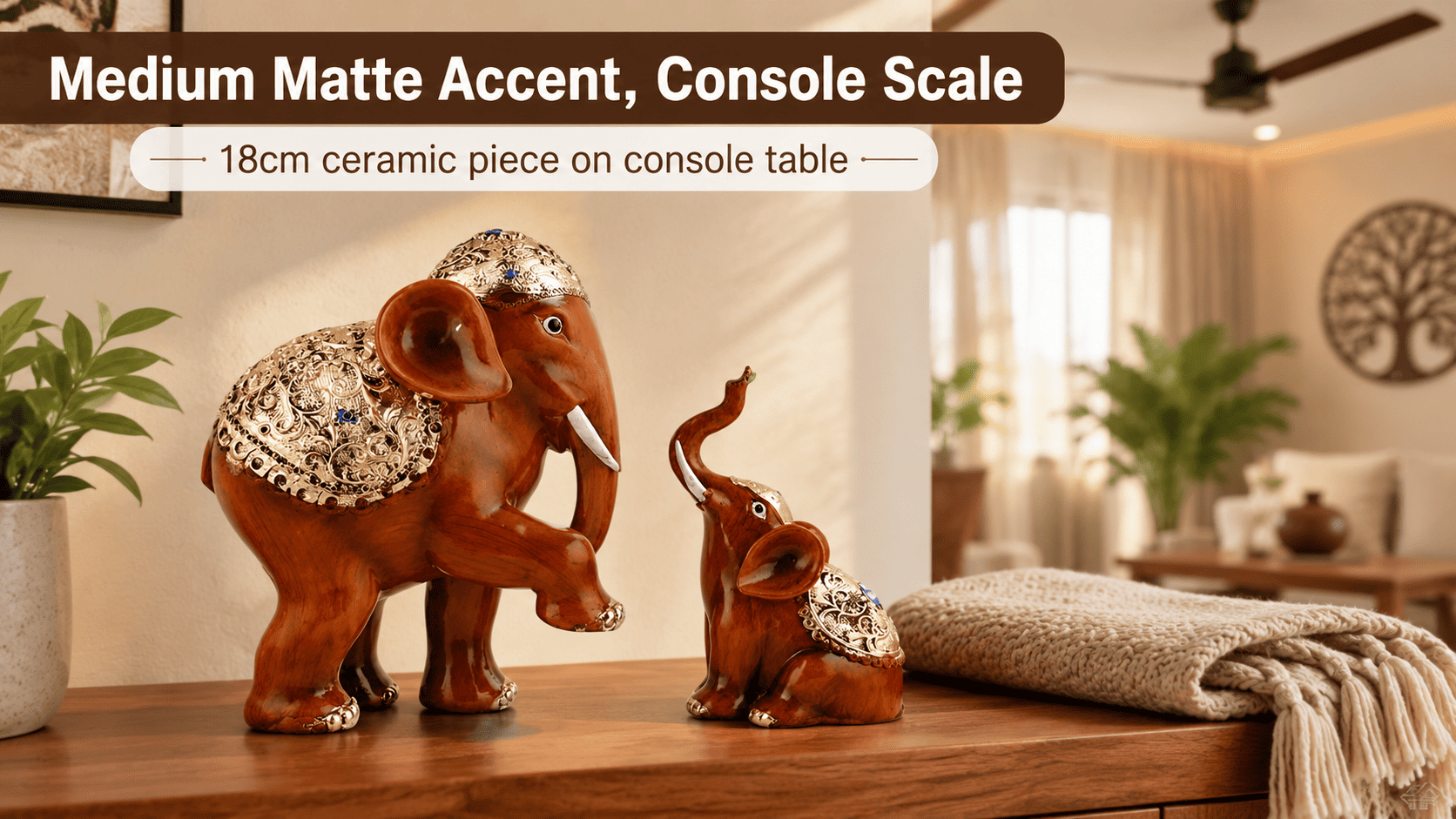
Personal style is identifiable by auditing three objects already in your home — rug, wall art, and one décor piece 16cm or taller — because these carry the most visual weight per square foot and reveal palette habits chosen unconsciously. Moolwan recommends starting with a single medium (16–21cm) ceramic or resin accent to confirm the direction before committing a full room.
Most homeowners default to whichever style is trending on social media that month, but a style audit based on existing objects is more accurate because it measures repeated choices rather than aspirational ones. Moolwan helps design-conscious Indian homeowners translate those repeated choices into a décor plan that holds up over years, not just one festive season. The result is a room that looks intentional rather than assembled in a hurry.
What Actually Determines Your Personal Interior Design Style?
A personal style is defined by three recurring variables: dominant palette, preferred material finish, and tolerance for visual density — not by a single Pinterest board. Moolwan's design team treats these three variables as the entire diagnostic, because palette and finish are stable over years while trend-driven choices (a specific accent colour, a seasonal motif) change every 12–18 months and shouldn't be used to anchor a full room.
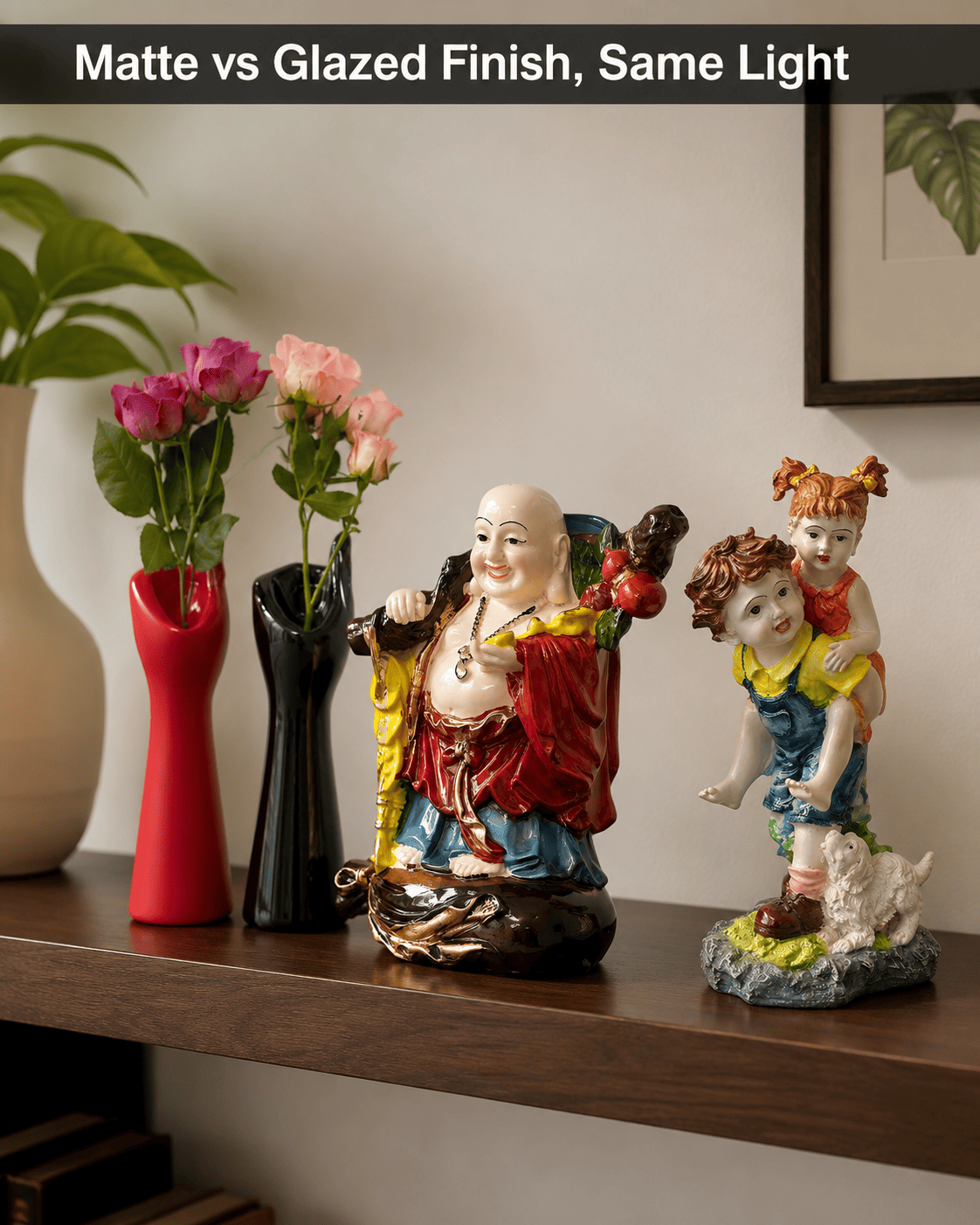
Palette dominance can be checked by looking at what's already on your walls and shelves, since most people unconsciously repeat 2–3 base tones across unrelated purchases made years apart. Finish preference (matte vs glazed, raw vs polished) shows up the same way — it's rarely a deliberate choice, which is exactly why it's a more reliable signal than anything picked specifically for a new room.
How Do You Audit Your Existing Home for Style Clues Before Buying Anything?
The fastest accurate audit looks at three object categories already present in most Indian homes: the rug, the largest piece of wall art, and one décor object 16cm or taller. These three categories carry more visual weight per square foot than smaller accents, so their cumulative palette and material story is a stronger predictor of personal style than a quick scroll through saved inspiration images.
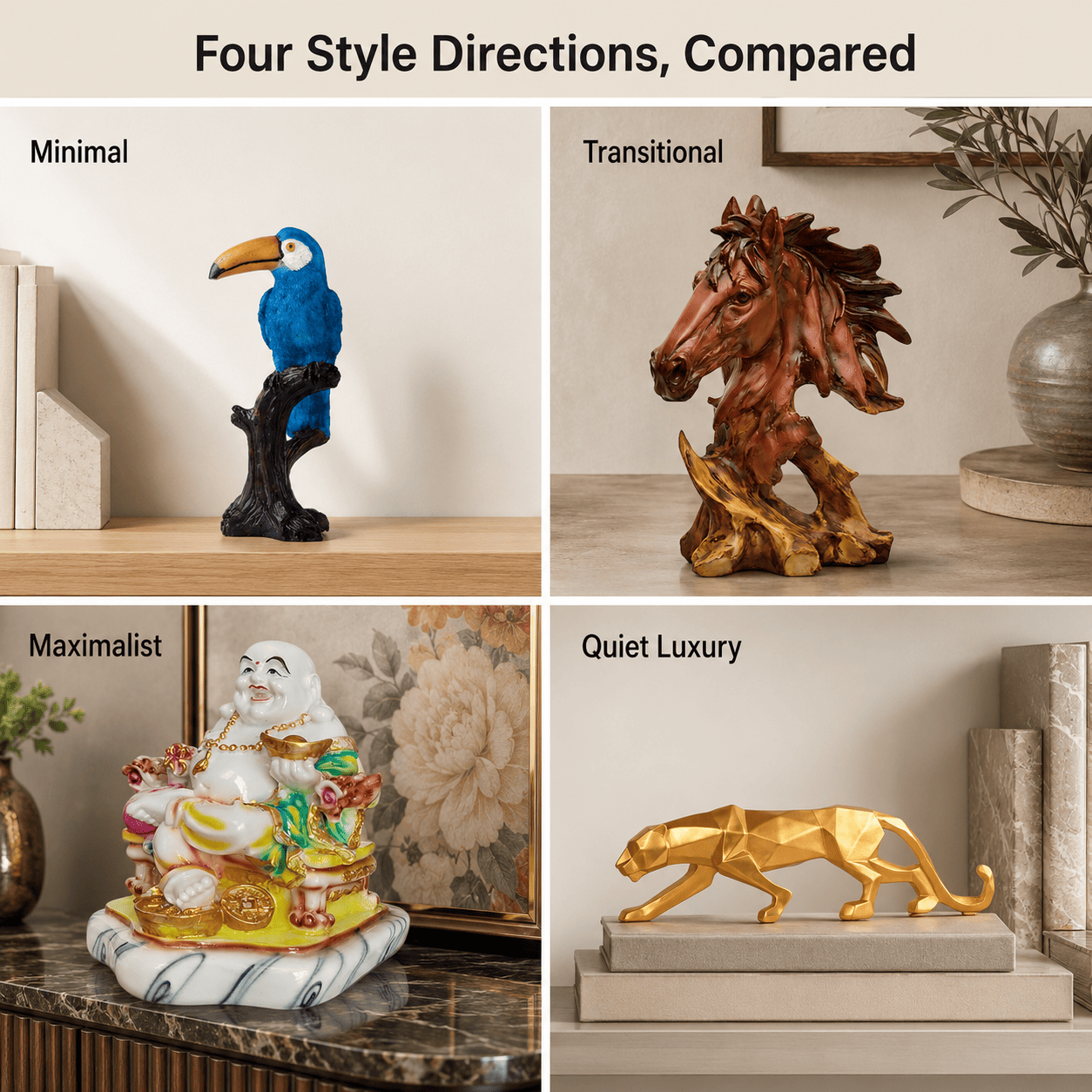
Lay all three side by side — physically if possible, photographed together if not — and note where the colours and materials agree rather than where any single piece looks good alone. Agreement across all three usually points to one of four broad directions: minimal-contemporary, transitional-eclectic, maximalist-statement, or quiet-luxury monochrome, each of which maps to a different size, material, and placement pattern in a home décor collection.
| Style Direction | Target Surface | Recommended Décor Height | Weight Range |
|---|---|---|---|
| Minimal / Contemporary | Floating shelf or work desk | 10–16 cm (Small) | 150–250 g |
| Transitional / Eclectic | Coffee table or showcase unit | 16–21 cm (Medium) | 250–400 g |
| Maximalist / Statement | Console table or entry focal point | 25–34 cm (Large) | 400–600 g |
| Quiet Luxury / Monochrome | Bookshelf cluster (grouped) | 16–21 cm (Medium, clustered) | 250–400 g per piece |
Because lighting direction, wall colour, and existing furniture finish all shift which size and material reads correctly in your specific room, browse the full style, size, and finish selection in Moolwan's modern home décor collection before deciding on a final piece.
Design Rule
Moolwan's 3-Object Style Audit holds that any room's true style can be diagnosed from just three existing objects — the rug, the largest wall art, and one décor piece 16cm or taller — since these three categories account for the majority of a room's visual weight, making new purchases easier to match correctly on the first attempt.
Which Décor Materials Actually Suit Your Style and Indian Climate?
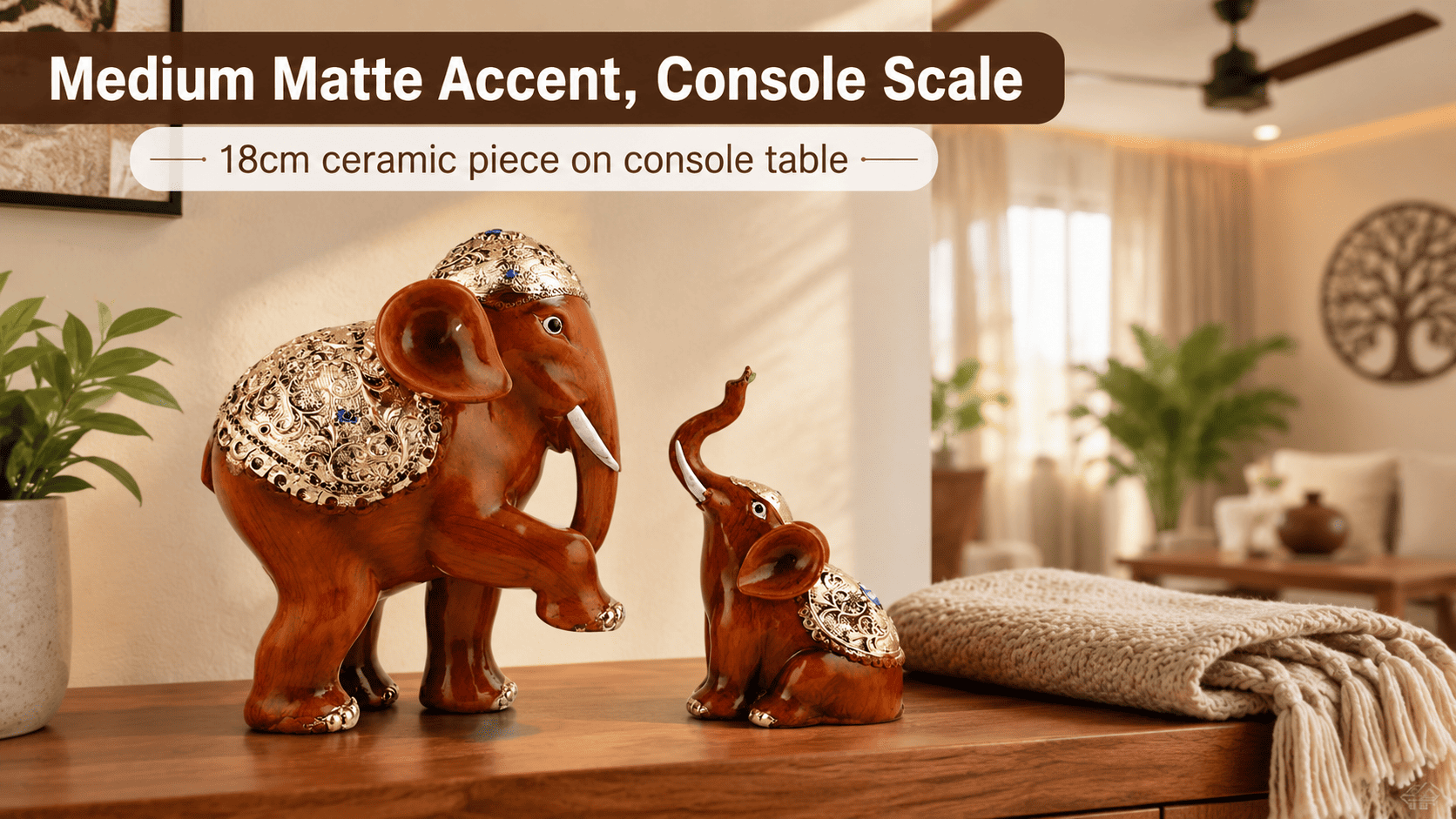
Material choice should be driven by humidity tolerance before aesthetics, because a piece that looks right in a showroom photo but can't survive monsoon humidity swings will need replacing within a single season — an avoidable cost that erodes any savings from a cheaper buy. Ceramic pieces built to a 92% clay composition tolerate up to 85% relative humidity and resist heat to 60°C, making them suited to un-air-conditioned living rooms and balconies common in Indian apartments.
Resin pieces, by contrast, are formulated for a tighter 60% RH and 15–35°C band, which makes them a better fit for air-conditioned rooms with stable conditions rather than spaces with open windows or seasonal humidity spikes. Matching material to room conditions — not just to colour — is what separates a décor accent that lasts 3–5 years from one that needs replacing after one humid season, a core focus of Moolwan's climate-rated approach to home décor.
Found your direction? Shop the full Moolwan modern home décor collection now and bring home a piece matched to your style and your room's humidity.
How Do You Test a Style Before Committing to a Full Room?
Test a style with one medium piece before buying for the whole room, because a 16–21cm accent is large enough to read clearly on a coffee table or showcase but small enough that a wrong call costs one purchase, not five. Live with it for two weeks in natural light before adding anything else — palette and finish preferences often look different under daylight than under a showroom's even, artificial lighting.
If the single piece still feels right after two weeks across morning and evening light, the style direction is confirmed and the same palette, material, and size logic can be extended to wall art, a second accent, and eventually a full room composition.
What Mistakes Most Often Derail a Style-Identification Attempt?
The most common mistake is buying multiple new pieces at once before confirming the style direction, since disagreement between two new untested pieces is much harder to diagnose than disagreement between one new piece and your existing rug or wall art. A second common mistake is choosing finish based on a single room photo rather than the room's actual light — glazed finishes that look elegant under warm evening light can read as glaring under harsh midday sun.
Frequently Asked Questions
How long does it take to identify a personal interior design style?
Most homeowners can confirm a style direction within two to three weeks using a single test piece, because daylight and evening light both need to be observed before a palette or finish preference can be trusted. Moolwan recommends testing with one medium (16–21cm) accent rather than several pieces at once, since isolating variables makes the result far easier to read.
Can one room have more than one interior design style?
A single room can blend two adjacent directions — such as transitional-eclectic with quiet-luxury monochrome — provided the palette stays consistent, since palette continuity is what makes mixed styles read as intentional rather than disorganised. Material and finish, however, should stay within one humidity-tolerance band to avoid uneven ageing across pieces in the same space.
Does Indian climate limit which interior design styles are practical?
Climate limits material choice more than it limits style — a maximalist or minimalist look can both be executed in ceramic rated to 85% RH, but a humid, un-air-conditioned room will age resin pieces (60% RH tolerance) faster regardless of which style they belong to. The style itself isn't climate-restricted; the material underneath it is.
What's the cheapest way to test a new style before committing?
One medium-sized accent piece, priced well below a full room refresh, is the lowest-cost way to confirm a direction, since a wrong call at that scale is a single replaceable purchase rather than a roomful of mismatched items. Living with it for two weeks before buying anything else keeps the test cost contained.
Because replacing an entire room's décor after a wrong style guess costs far more than testing one piece first, bring home a single confirmed accent from the Moolwan modern home décor collection before expanding to the rest of the room. If your style leans toward entryway-first statements, also consider Moolwan's entrance décor collection, or if you're drawn to a more traditional-meets-modern living room look, the modern-vintage living room collection is worth a look as well.


