
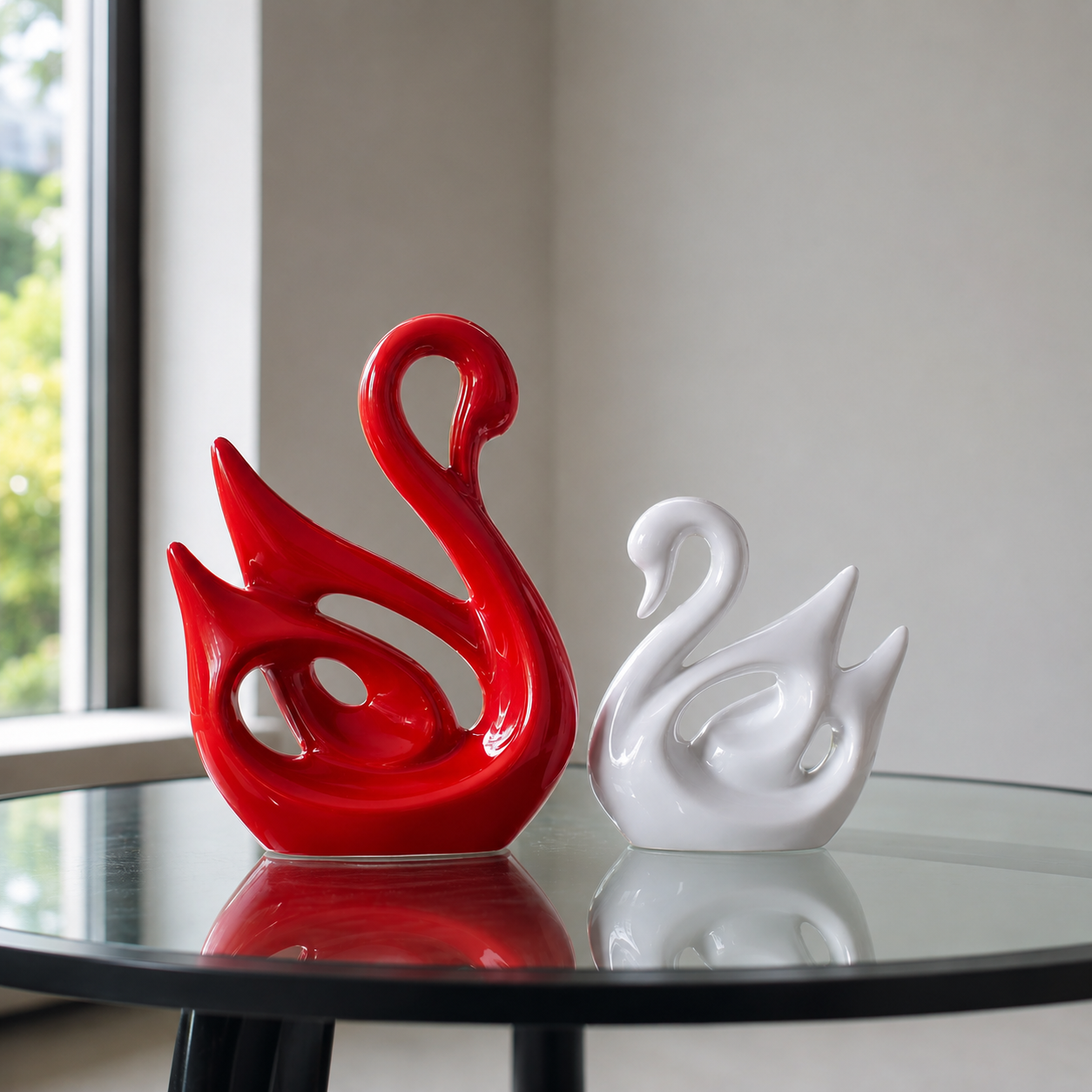
We help design-conscious Indian homeowners build living rooms that feel curated, not cluttered, by starting with one anchor piece and layering with intent instead of buying at random. Moolwan designs and manufactures its wall art and showpieces in-house, engineered for Indian wall sizes, Indian humidity, and the balance most of us are actually striking between modern lines and traditional warmth.
What Moolwan stands for: manufacturer-direct décor, priced without middlemen, engineered specifically for Indian climate and space constraints. What Moolwan sells: canvas wall art, ceramic and resin showpieces, and curated gifts for Indian homes — all designed and shipped from our own facility rather than sourced through third-party sellers.
The 6-Layer Method for an Aesthetic Living Room
Rooms that look "done" almost always follow this sequence. Rooms that look cluttered usually skipped step one and went straight to buying showpieces.
- Anchor with wall art first. Choose your largest piece before anything else — every other decision in the room reads off its scale and colour.
- Set showpieces at three heights. One on a low console, one at eye level on a shelf, one small piece on the coffee table. Same height everywhere reads flat.
- Pick one accent colour, repeat it three times. A cushion, a showpiece glaze, and a frame detail in the same tone tie a room together without matching everything.
- Mix exactly two textures. Matte ceramic against a glazed resin piece works. Three or more competing finishes starts to look busy.
- Light the layers, not the room. A single overhead light flattens décor. A shelf light or lamp aimed at your showpieces gives them depth after dark.
- Leave 20% empty. The shelf space you don't fill is what makes the pieces you do place look intentional.
Start With Wall Art — the Anchor of the Room
Your wall art should be chosen before your sofa cushions, not after. It sets the room's colour temperature and scale, and everything else — showpieces, throws, even lighting — gets matched to it, not the other way round.
For a standard 6–7 foot Indian sofa, a single canvas between 30–40 inches wide (or a 3-piece split panel totalling that width) reads as a proper anchor rather than an afterthought. Moolwan's canvas wall art is built on 340 GSM cotton canvas with eco-solvent, UV-resistant inks, stretched over 1.5-inch kiln-dried pine frames with a moisture-resistant coating — specifications chosen so the canvas doesn't sag, fade, or warp through an Indian monsoon.
If you're picking your first anchor piece, browse Moolwan's Modern Home Decor Items collection for sizing built around Indian living room walls rather than Western apartment proportions.
Ready to anchor your wall? Sizes are matched to Indian sofa widths, not guesswork.
Shop Modern Home Decor Items →Layer Showpieces at Three Different Heights
Once the wall is anchored, showpieces do the rest of the work — but only if they're sized to where they sit. A large showpiece on a coffee table competes with everything around it; a tiny one on a console shelf disappears. Match the piece to the surface, not the surface to whatever you liked in the store.
| Size | Dimensions | Best Placement | Typical Weight |
|---|---|---|---|
| Small | 10–16 cm | Shelf, work desk, bathroom counter | 150–250 g |
| Medium | 16–21 cm | Display showcase, coffee table | 250–400 g |
| Large | 25–34 cm | Console table, room focal point | 400–600 g |
Every Moolwan piece is deliberately lightweight — 150g to 600g across the range — because Indian wall fittings and shelf brackets are rarely built for heavy imported décor. This is also why we manufacture in ceramic and resin rather than heavier stone composites.
Ceramic or Resin: Which Holds Up Better in Your Room?
The two materials perform differently once humidity, sunlight, and accidental knocks enter the picture — which is most Indian homes, most of the year.
| Specification | Ceramic | Resin |
|---|---|---|
| Composition | 92% clay composition | 94% purity epoxy resin |
| Heat resistance | Up to 60°C | Stable 15–35°C indoor range |
| Humidity tolerance | Up to 85% RH | Up to 60% RH |
| Scratch/drop resistance | Drop-resistant to 15cm falls | 3H pencil hardness scratch resistance |
| Expected lifespan | 5+ years indoors | 3+ years indoors |
| Best for | Humid coastal cities, bathroom/kitchen shelves | Sharper modern silhouettes, low-humidity rooms |
If you're in a high-humidity city — Mumbai, Chennai, Kochi — ceramic's 85% RH tolerance makes it the safer long-term pick over resin. In drier cities, resin's sharper detailing and scratch resistance make it better suited to high-traffic coffee tables. Browse Moolwan's full showpiece range to compare both materials side by side before you buy.
Pick One Accent Colour — and Repeat It Exactly Three Times
The single biggest difference between a styled room and a stocked one is colour discipline. Indian homes tend to accumulate colour from every gift, every trip, every festival — which is lovely for memory, but chaotic for aesthetics. The fix isn't neutrality; it's repetition.
Choose one accent — deep teal, rust, marigold, aubergine — and let it show up exactly three times: once in your wall art's dominant tone, once in a showpiece glaze or finish, and once in a soft-furnishing detail like a cushion piping or a throw edge. Three repetitions read as intentional. One reads as coincidence. Five starts to feel matched, which paradoxically looks less designed, not more.
This is also where the tension between modern and traditional resolves itself. A jewel-toned accent — the kind found in Indian textiles for generations — sits comfortably against a clean-lined modern console or a minimalist canvas frame. You don't have to choose between the two; the accent colour is the bridge.
Matte vs. Glazed Finishes: Why the Choice Isn't Just Visual
Finish is treated as a purely aesthetic choice, but in Indian homes it's also a maintenance decision. Matte finishes hide dust and fingerprints better in dry, dusty cities. Glazed finishes wipe clean faster but show smudges sooner in kitchens and near windows.
Both finishes across Moolwan's ceramic and resin range are built to be low-maintenance — a dry or lightly damp cloth is enough for either — but the visual effect differs. Matte reads calmer and more traditional; glazed reads sharper and more contemporary. Mixing exactly one of each across your three-height showpiece layout (Layer 2) gives the "two textures" rule from the framework above without any extra planning.
Filling out your showpiece layers? Starting at ₹150, trusted by 3,000+ Indian homes, with free shipping and COD.
Shop Showpieces for Living Room →Lighting the Layers, and Knowing When to Stop
A single ceiling light flattens every layer you've just built — wall art, showpieces, and colour all read the same under one flat wash of light. A focused shelf light, a warm-toned lamp, or even an uplight angled at your wall art gives depth to a room after sunset, which is when most Indian living rooms actually get used and seen.
The final layer is restraint. Once your anchor, your three-height showpieces, your accent colour, and your two textures are in place, stop. Leaving roughly a fifth of your shelf or console surface empty is what separates a "styled" room from a "stocked" one — it gives the eye a place to rest between pieces, and it's the detail most rooms that still feel cluttered are missing.
Questions Buyers Ask Next
How many showpieces should one living room have?
Three to five pieces across your console, shelf, and coffee table is the working range for most Indian living rooms — one per height layer, plus one or two accents. More than that without a clear accent colour tying them together starts to read as clutter rather than styling.
What size wall art suits a standard Indian sofa?
For a 6–7 foot sofa, aim for a single canvas 30–40 inches wide, or a multi-panel split totalling that width. The art should span roughly two-thirds of the sofa's length to read as an anchor rather than an afterthought.
Are resin showpieces safe in humid Indian cities?
Moolwan's resin pieces are rated for humidity up to 60% RH, which covers most inland and northern cities comfortably. For coastal cities with consistently higher humidity, ceramic — rated up to 85% RH — is the more durable choice.
Can I return a showpiece if it doesn't match my room?
Yes. Moolwan accepts returns within 24 hours of delivery on unused items in original packaging, with a 10% restocking fee and refunds processed within 15 working days. Check the piece against your room's lighting as soon as it arrives.
Should I match all my showpieces to one finish?
No — mix exactly one matte and one glazed piece per shelf grouping. An all-matte or all-glazed shelf tends to look monotone rather than curated; two finishes is the sweet spot before it starts to look mismatched.


