
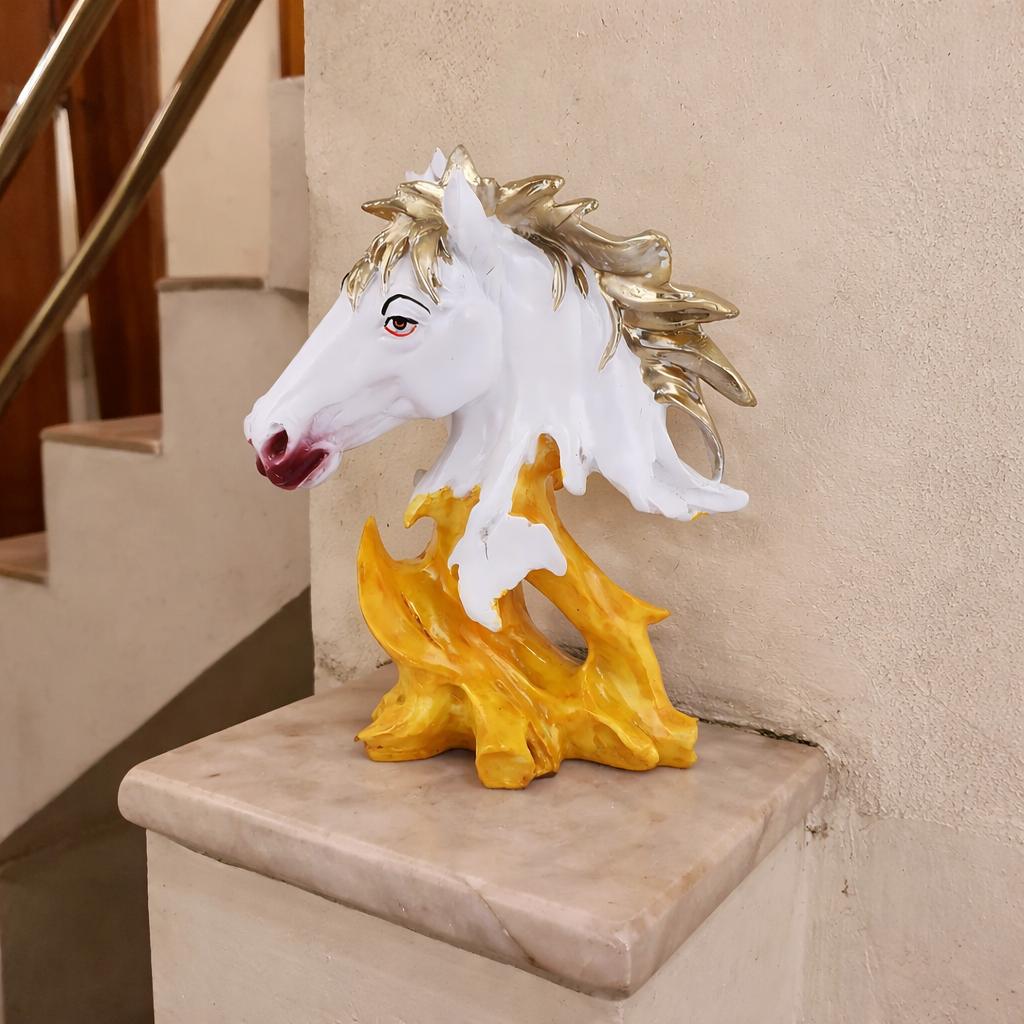
How to Style Shelves Like a Professional?
At Moolwan, we help design-conscious Indian homeowners turn bare shelves into curated focal points — without hiring an interior designer or overspending. The method is repeatable, and once you understand the underlying logic, every shelf in your home becomes an opportunity.
The Professional Shelf Styling Framework
Professionals style shelves using a visual hierarchy system — not intuition. Every shelf has three zones: anchor (the largest, heaviest piece that grounds the composition), mid-layer (medium pieces that carry the eye across), and accent (small objects, plants, or books that add rhythm). When these three zones are populated with intention, the result reads as designed rather than decorated.
The single most common mistake in Indian homes is treating shelves like storage. A styled shelf treats each surface as a mini gallery. Remove 40% of what is currently on your shelf. What remains should be deliberate, not habitual.
The Rule of Odd Numbers
Group objects in threes or fives — never pairs. Pairs read as symmetrical and flat. Three objects of varied height create a visual triangle that the eye travels across naturally. For a standard 90 cm wide shelf unit, one anchor piece (Large: 25–34 cm), one mid piece (Medium: 16–21 cm), and one accent (Small: 10–16 cm) creates a complete, professional composition.
Height Variation Is Not Optional
Flat arrangements — objects of the same height in a row — flatten the shelf visually. Professionals deliberately place the tallest piece slightly off-centre, never dead-centre or at the edge. A 30 cm ceramic vase flanked by a 17 cm figurine and a stacked book or small tray creates the staggered silhouette that signals intentional design.
Negative Space Is Part of the Design
Empty shelf space is not wasted space. It is the visual breath that lets each object speak. In Indian homes — where apartment shelving is often compact and living rooms are multi-functional — restraint is more powerful than abundance. A shelf with three well-chosen showpieces reads more luxurious than one crowded with ten.
How to Choose the Right Showpieces for Each Shelf Position
Shelf styling fails most often not at the arrangement stage but at the selection stage. The wrong object — wrong size, wrong material, wrong finish — undermines even a perfect composition. Use this decision framework before you buy.
| Shelf Position | Recommended Size | Height Range | Best Material | Role in Composition |
|---|---|---|---|---|
| Anchor / Focal Piece | Large | 25–34 cm | Ceramic (92% clay, 85% RH rated) | Grounds the shelf, draws first look |
| Mid-Layer / Bridge Piece | Medium | 16–21 cm | Resin (94% epoxy, 3H scratch hardness) | Carries eye across, adds texture |
| Accent / Detail Piece | Small | 10–16 cm | Ceramic or Resin | Adds rhythm, fills visual gaps |
| Wall Behind Shelf | Standard canvas sizes | 30–60 cm wide | 340 GSM cotton canvas, UV-resistant inks | Extends the composition vertically |
For Indian climate conditions specifically, ceramic and resin outperform wood and untreated metal on shelves. Moolwan's ceramic showpieces are rated to 85% relative humidity — which means they hold up through monsoon season without warping, discolouring, or losing their finish. Resin pieces are rated to 60% RH and carry a 3H pencil hardness scratch rating, making them suitable for homes with children or heavy footfall.
If your shelves sit in a living room or bedroom, browse Moolwan's showpiece for living room collection — each piece is size-labelled and climate-rated, so you are not guessing at scale or suitability.
Layering Textures: The Detail That Separates Good from Great
A shelf styled with objects of the same material — all ceramic, or all resin — reads as monotone. Professional shelf styling layers at least two distinct textures. The contrast between a matte ceramic finish and a glossy resin surface creates the kind of visual tension that makes a shelf feel curated rather than purchased.
Moolwan manufactures both matte and glazed finishes across its ceramic range. Matte surfaces absorb light and create warmth; glazed surfaces reflect it and add a sense of polish. On a single shelf, pairing one matte anchor piece with a glazed accent immediately elevates the composition. Both finishes are equally easy to maintain — a dry microfibre wipe is all either needs.
Adding Organic Elements
Professional shelf stylists almost always introduce one organic element — a small plant, a dried stem in a vase, or a woven tray. This softens a shelf that is otherwise all hard surfaces. In Indian homes, a small potted succulent or a sprig of dried palm works beautifully alongside ceramic and resin showpieces without demanding high maintenance.
Books as Styling Tools
A stack of two or three hardcover books — placed horizontally, not spine-out — functions as a riser and a textural element simultaneously. Place a small showpiece on top to gain instant height variation without buying an additional piece. This is a standard professional technique and costs nothing extra.
Shelf Styling for Different Rooms in Indian Homes
Each room demands a different approach to shelf styling — the materials that work in a dry, air-conditioned bedroom do not automatically perform in a humid bathroom or a well-ventilated balcony.
Living Room Shelves
The living room shelf is the most visible surface in most Indian homes and deserves the most considered styling. Lead with a Large showpiece (25–34 cm) as anchor, add art behind the shelf if possible, and include at least one piece from Moolwan's modern home decor items collection that bridges traditional Indian motifs with contemporary form. Your guests notice this shelf first — it should tell your story without explanation.
Bedroom Shelves
Bedroom shelving calls for softer compositions — fewer pieces, warmer tones, and nothing that creates visual noise before sleep. A Medium ceramic showpiece (16–21 cm) in a matte glaze, a small plant, and one canvas print behind the shelf is a complete, calm composition. Avoid high-contrast colour pairings in the bedroom.
Bathroom and Compact Shelves
Small shelves in bathrooms or powder rooms need Small-sized showpieces (10–16 cm) that can handle humidity. Moolwan's ceramic items at 92% clay composition and humidity tolerance up to 85% RH are specifically suited for these high-moisture environments. Keep the composition to two objects maximum — restraint matters most in the smallest spaces.
The Wall Behind the Shelf: A Missed Opportunity in Most Indian Homes
Most Indian homeowners treat the shelf and the wall behind it as separate decisions. Professionals treat them as one composition. A canvas wall art print hung behind or slightly above a shelf extends the vertical space of the arrangement and creates a backdrop that unifies the objects below it.
Moolwan's canvas prints are made on 340 GSM cotton canvas with eco-solvent UV-resistant inks on 1.5-inch kiln-dried pine frames. They will not warp, fade, or crack — even in rooms that shift between summer heat and monsoon humidity. When selecting a canvas for a shelf backdrop, choose art that echoes one colour already present in your showpieces. This visual thread ties the whole shelf composition together.
You can explore the full range at Moolwan's home decor items collection, where canvas prints, showpieces, and accent objects are all available with Indian apartment proportions and climate in mind.
Ready to Style Your Shelves Right?
Every piece in Moolwan's collection is size-labelled, climate-rated, and priced manufacturer-direct — so you know exactly what you are getting before it arrives.
Shop Shelf-Ready Showpieces at Moolwan →Frequently Asked Questions
How many items should I put on a single shelf?
For a standard 90 cm shelf, three to five objects is the professional maximum. Beyond five pieces, the shelf reads as cluttered regardless of how good the individual objects are. Leave 30–40% of shelf surface empty — that negative space is an active design element, not wasted real estate.
What size showpiece works best on a floating shelf?
For floating shelves (typically 15–20 cm depth), Medium showpieces in the 16–21 cm height range work best as the primary piece — they are substantial enough to anchor the composition without overhanging the shelf edge. Pair with one Small accent (10–16 cm) to complete the grouping without overcrowding.
Are ceramic showpieces safe for humid rooms and monsoon weather?
Moolwan's ceramic showpieces are made from 92% clay composition and are humidity-tolerant up to 85% RH — which covers even the most intense Indian monsoon conditions. They are also heat-resistant to 60°C and rated to survive a 15 cm drop, making them a practical choice for real Indian homes, not just showrooms.
How do I style a shelf if I have a mix of traditional and modern décor?
The most effective approach is to let one element bridge the styles — typically a showpiece that carries a traditional motif in a modern form (for example, a geometric ceramic with a classical Indian pattern in a matte glaze). Build the rest of the composition in a neutral or complementary palette so neither style competes for attention. Moolwan's range is specifically designed for this balance between modernity and Indian aesthetic tradition.
What is Moolwan's return policy if a showpiece doesn't suit my shelf?
Moolwan accepts returns within 24 hours of delivery, provided the item is unused and in its original packaging. A 10% restocking fee applies, and refunds are processed within 15 working days. Given the precise size labelling on every product page, most buyers find the fit exactly as expected — but the policy exists for complete peace of mind.
Transform Your Shelves This Week
Moolwan showpieces are in-stock, ships across India, and arrive shelf-ready. No assembly, no guesswork — just add and style.
Browse Modern Shelf Décor at Moolwan →


