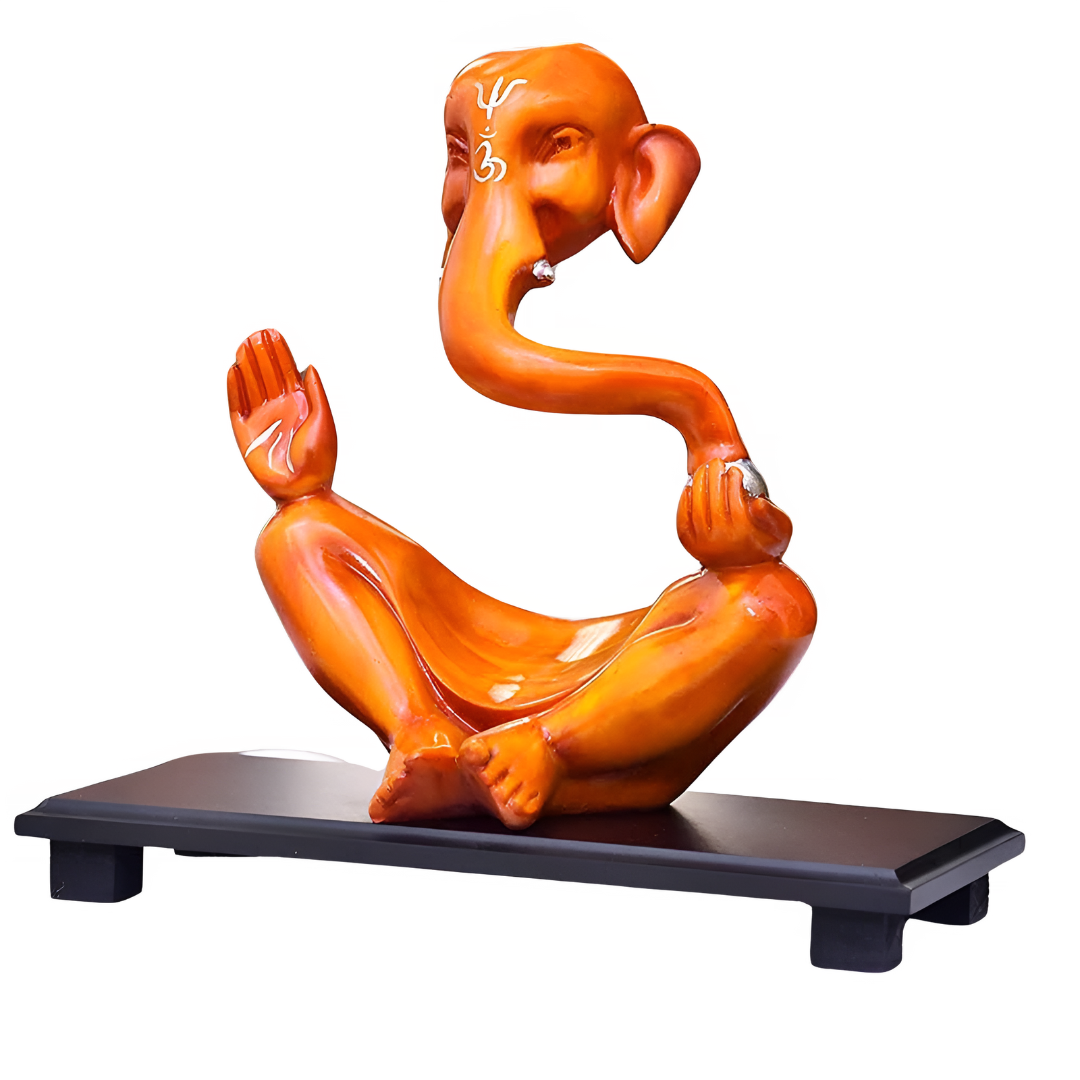
The Short Answer: Yes. A Ganesha statue is considered auspicious in Indian homes and works as a versatile decor piece because it suits both traditional and modern interiors. Vastu Shastra recommends placing it facing the main entrance or in the northeast zone of a room, and the right material — resin, ceramic, or brass — determines how long it lasts in Indian climates.
A Ganesha statue is good for home decor because it serves two purposes at once: it is a spiritually significant symbol of new beginnings and obstacle removal, and it is a design object that complements minimalist, traditional, and fusion interiors alike. We help design-conscious Indian homeowners choose decor that honors cultural meaning without compromising on durability or aesthetic fit — and the Ganesha statue is one of the most requested pieces in that category.
Lord Ganesha is worshipped as the remover of obstacles and the deity of new beginnings, which is why his statue is placed at entryways, study tables, and living rooms across Indian households. Beyond the religious significance, the form itself — a rounded, symmetrical figure with calm features — translates well into contemporary decor styles, including minimalist shelves and neutral-toned consoles. This dual identity is why interior designers in India increasingly treat Ganesha statues as intentional design anchors rather than purely ritual objects.
Vastu Shastra guidance suggests the northeast direction of a room is ideal for placing a Ganesha idol, since this zone is associated with positive energy flow. For homes where that exact placement isn't possible, the main entrance facing inward is the next most recommended position. A statue placed thoughtfully — with adequate negative space around it rather than crowded among other objects — also photographs and reads better visually, which matters for the design-conscious buyer who wants the piece to function as a statement, not clutter.
Material choice changes both the look and the lifespan of the piece. A matte resin Ganesha suits modern, low-maintenance interiors, while a glazed ceramic version suits homes leaning toward traditional richness. Buyers comparing options across Moolwan's home decor items collection often pair a Ganesha statue with a complementary wall art piece to build a cohesive entryway or living room moment.
Material determines whether a Ganesha statue survives India's humidity, heat, and accidental knocks — or chips and fades within a year. Resin and ceramic are the most practical choices for most Indian homes, while brass suits buyers prioritizing tradition over low maintenance.
| Material | Composition / Purity | Heat Tolerance | Humidity Tolerance | Indoor Lifespan | Best For |
|---|---|---|---|---|---|
| Epoxy Resin | 94% purity | 15–35°C | Up to 60% RH | 3+ years | Modern shelves, study desks, gifting |
| Ceramic | 92% clay composition | Heat-resistant to 60°C | Up to 85% RH | 5+ years | Coastal/humid cities, living room showcases |
| Brass | Metal alloy (varies by maker) | High | Tarnishes in high humidity without polishing | Decades, with maintenance | Traditional puja rooms, heirloom pieces |
Ceramic Ganesha statues hold up best in India's coastal and monsoon-heavy cities because of their higher humidity tolerance, while resin pieces are lighter and easier to reposition for buyers who rearrange their decor seasonally. Moolwan's resin and ceramic statues are also scratch-resistant (3H pencil hardness for resin) and drop-resistant up to 15cm, which matters in homes with children or frequent dusting. Explore the full range of finishes and sizes in Moolwan's Ganesh murti and statue collection before deciding which material fits your space.
Size should match both the surface it sits on and the visual weight you want it to carry. A small statue (10–16cm) works on a study desk, bathroom shelf, or car dashboard. A medium statue (16–21cm) suits a coffee table or display unit, and a large statue (25–34cm) becomes a focal point for an entryway console or living room shelf. Weight ranges from 150g to 600g across these sizes, making even the larger pieces easy to place on Indian wall shelves without structural strain.
Placement matters as much as size. Avoid placing the statue directly on the floor or inside a bathroom, and avoid pairing it with broken or chipped decor items nearby, since Vastu guidance treats damaged objects near a Ganesha idol as inviting stagnant energy. Buyers furnishing a full room often look at Moolwan's Buddha statue collection alongside Ganesha pieces to create a calming, dual-symbol display across a console or meditation corner — a combination popular in fusion-style Indian living rooms.
If you're decorating for Ganesh Chaturthi specifically, festival-season buyers should order at least 5–7 days ahead, since handcrafted finishes and matte coatings take longer to dispatch during peak demand. Shop the collection now at Moolwan's Ganesh murti store before festival stock runs low.
Three checks separate a durable, design-worthy Ganesha statue from one that disappoints within months: material specification, finish type, and return policy. Skipping any of these is the most common reason buyers regret an online decor purchase.
Moolwan manufactures its decor in-house and sells direct to consumers, which removes the markup typically added by middlemen in traditional decor retail. This is what the brand stands for: décor engineered specifically for Indian climate and space, sold at manufacturer-direct pricing. Browse verified specifications and sizing on Moolwan's Ganesh idols collection before you commit to a piece.
Most Vastu guidance advises against keeping a Ganesha statue in the bedroom, since bedrooms are considered a space of rest rather than worship or display. Living rooms, entryways, and study areas are the recommended alternatives.
The statue should ideally face the main entrance or be placed in the northeast corner of the living room, according to Vastu Shastra. This placement is believed to allow positive energy to enter alongside anyone walking through the door.
Ceramic is the better choice for high-humidity cities, since it tolerates up to 85% relative humidity compared to resin's 60% threshold. Ceramic also carries a longer rated indoor lifespan of 5+ years versus 3+ years for resin.
Use a soft, dry microfiber cloth for routine dusting, and avoid water or chemical cleaners on matte resin or ceramic finishes. Both matte and glazed finishes from Moolwan are designed to be low-maintenance and don't require special cleaning products.
Yes, Moolwan accepts returns within 24 hours of delivery, provided the item is unused and in its original packaging. A 10% restocking fee applies, and refunds are processed within 15 working days.
Browse handcrafted, climate-tested Ganesha murtis built for Indian homes. Shop Moolwan's Ganesh idol collection now and find the size, material, and finish that fits your space.
Written and reviewed by Ruchi Malhotra, Founder & CEO, Moolwan (Euphorica Ventures Pvt Ltd), Bangalore.
Quick View



